 DaRmaZat
On January 22, Dynasty Warriors: Origins arrived on Nintendo Switch 2—just over one year after its PC, PlayStation 5, and Xbox Series X|S release—but this new entry in Koei Tecmo’s long-running Musou series, known for its large-scale battles and power-fantasy combat, fulfilled my expectations more than I had anticipated.
A Single Perspective, By Design
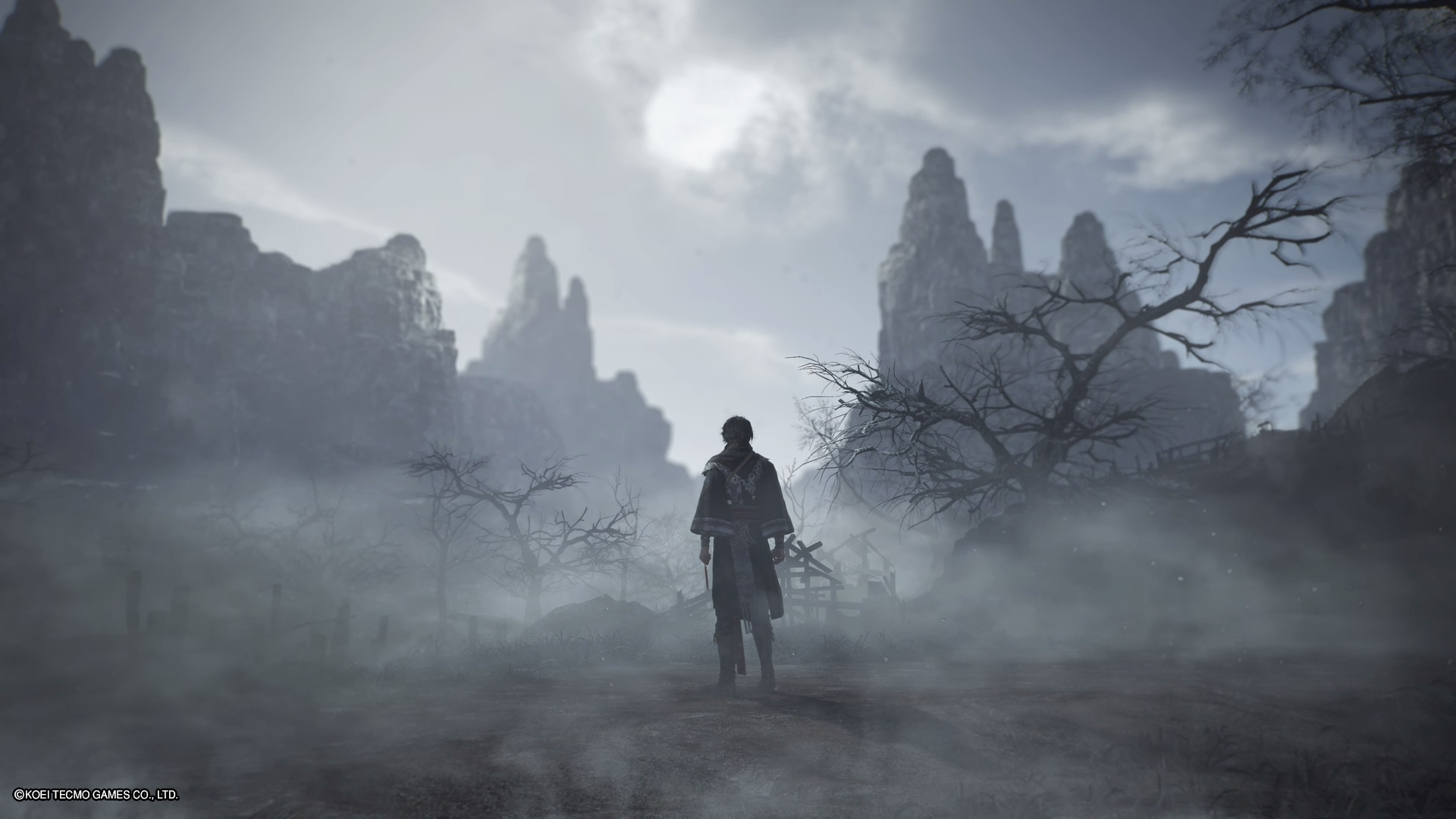
Rather than retelling the entirety of Romance of the Three Kingdoms at breakneck speed, Origins deliberately limits itself to the first half of the novel. Much to my own surprise, I immediately fell in love with the story as it builds gradually, feeling coherent and complete thanks to its building relationships, cultural allegiances, and a hint of mystery and intrigue.
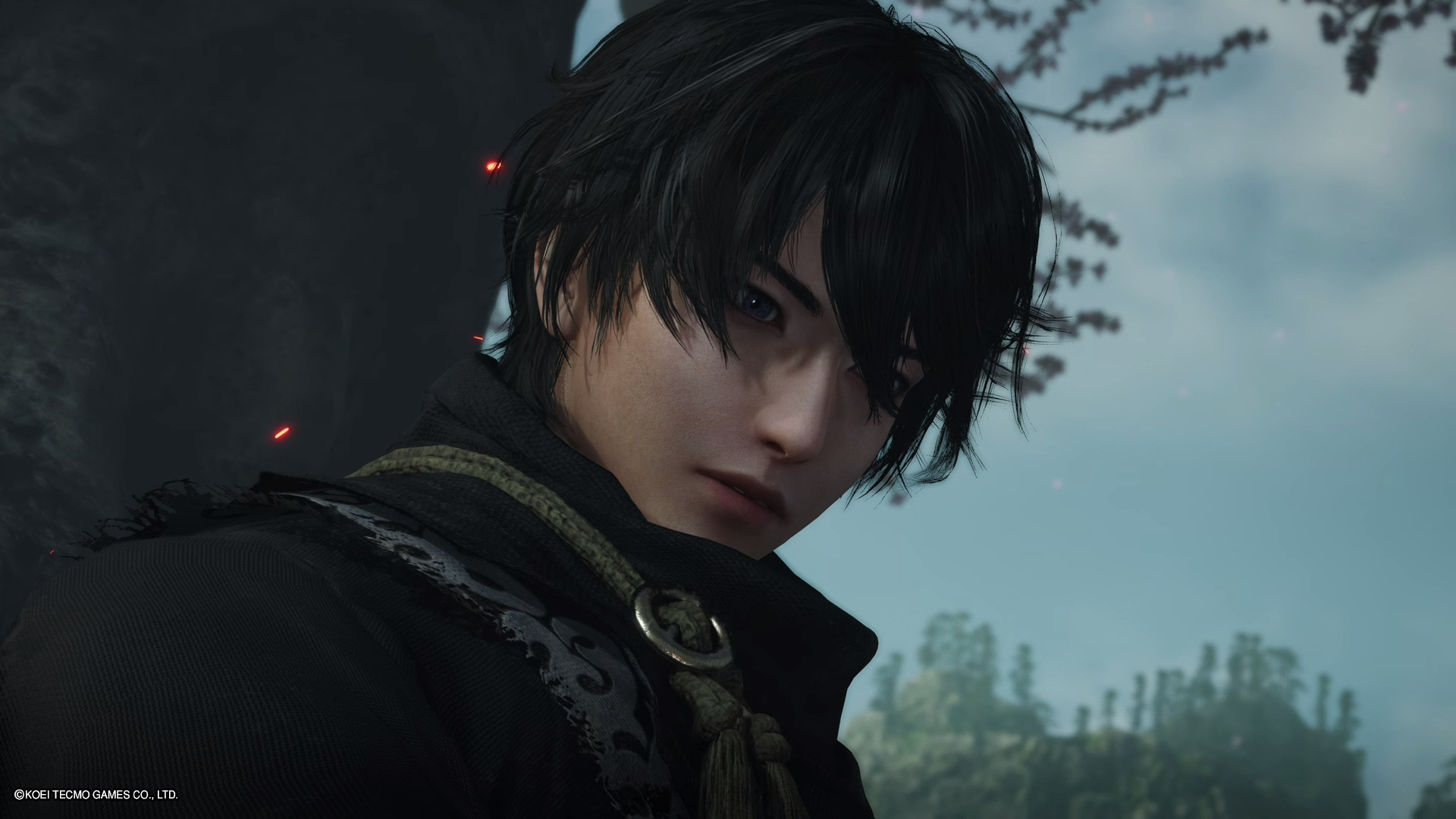
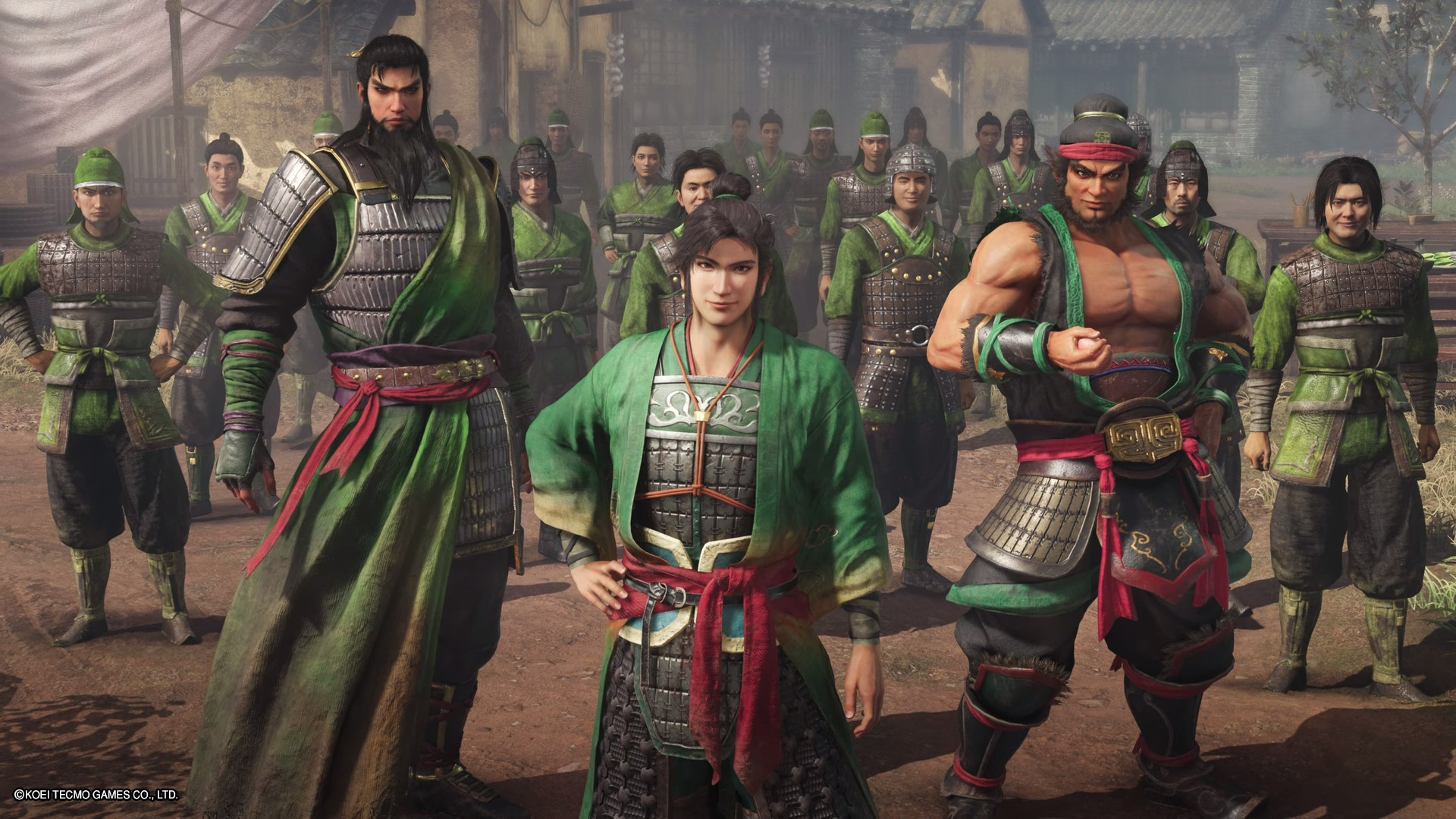
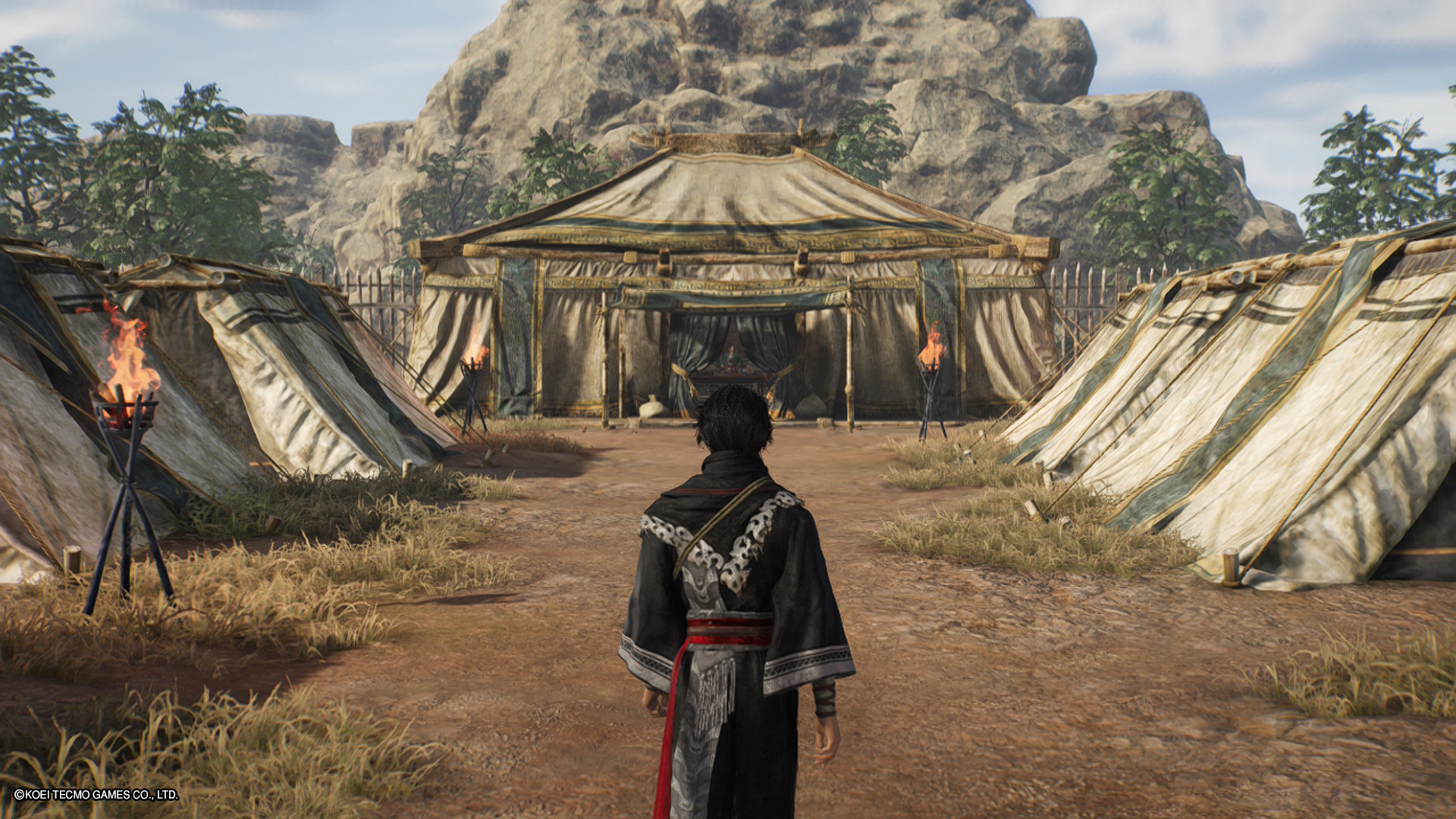
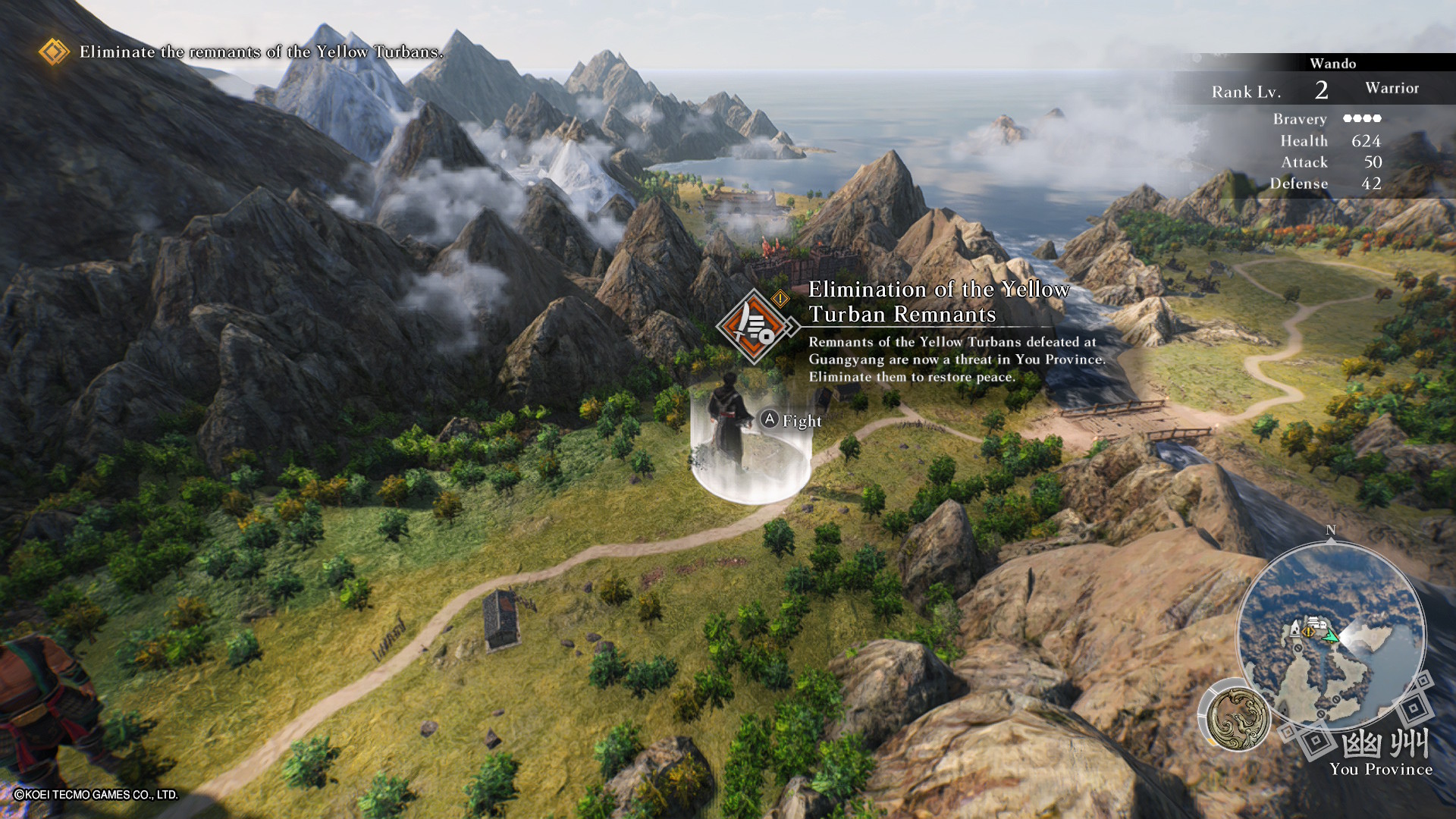
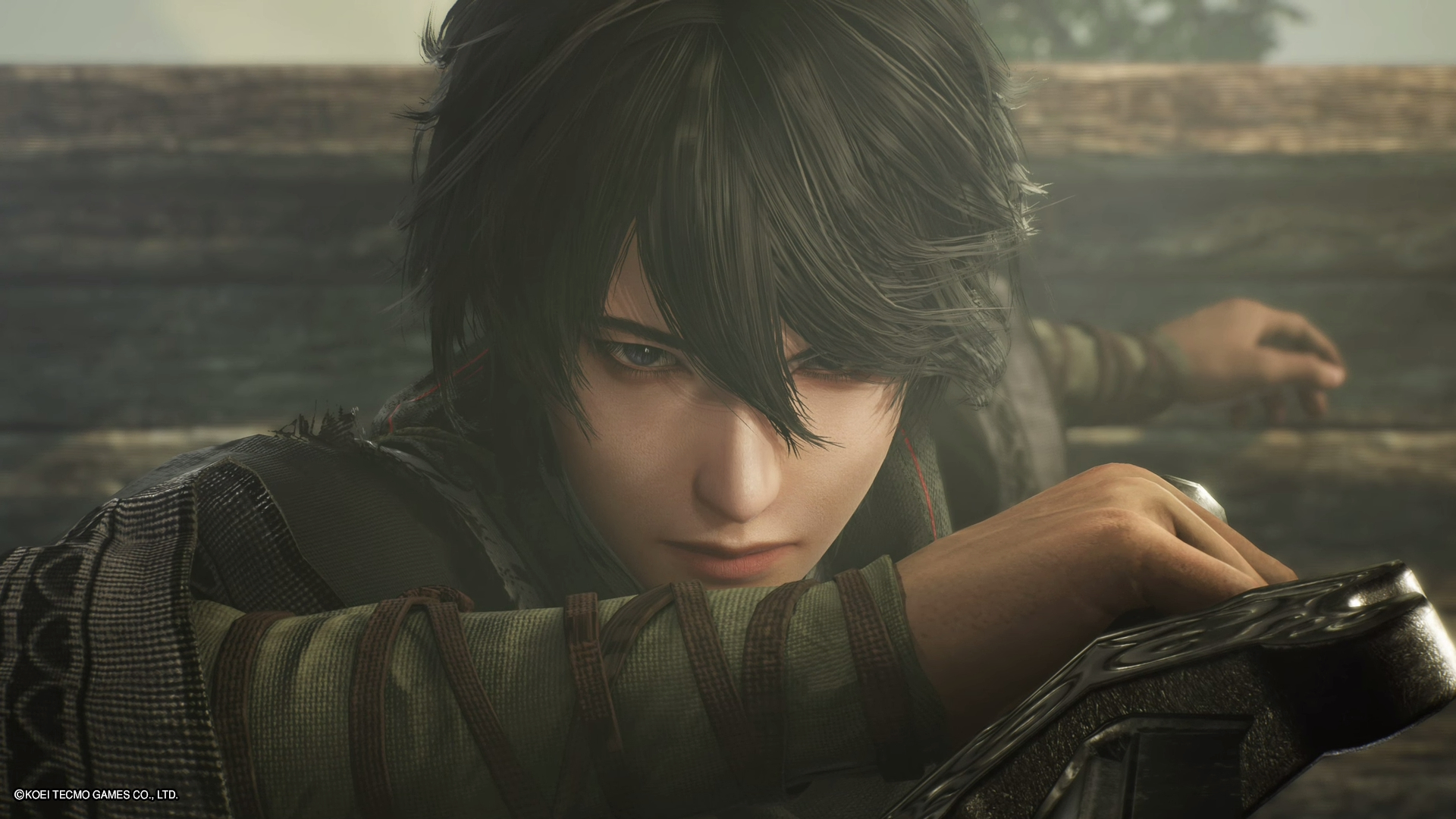
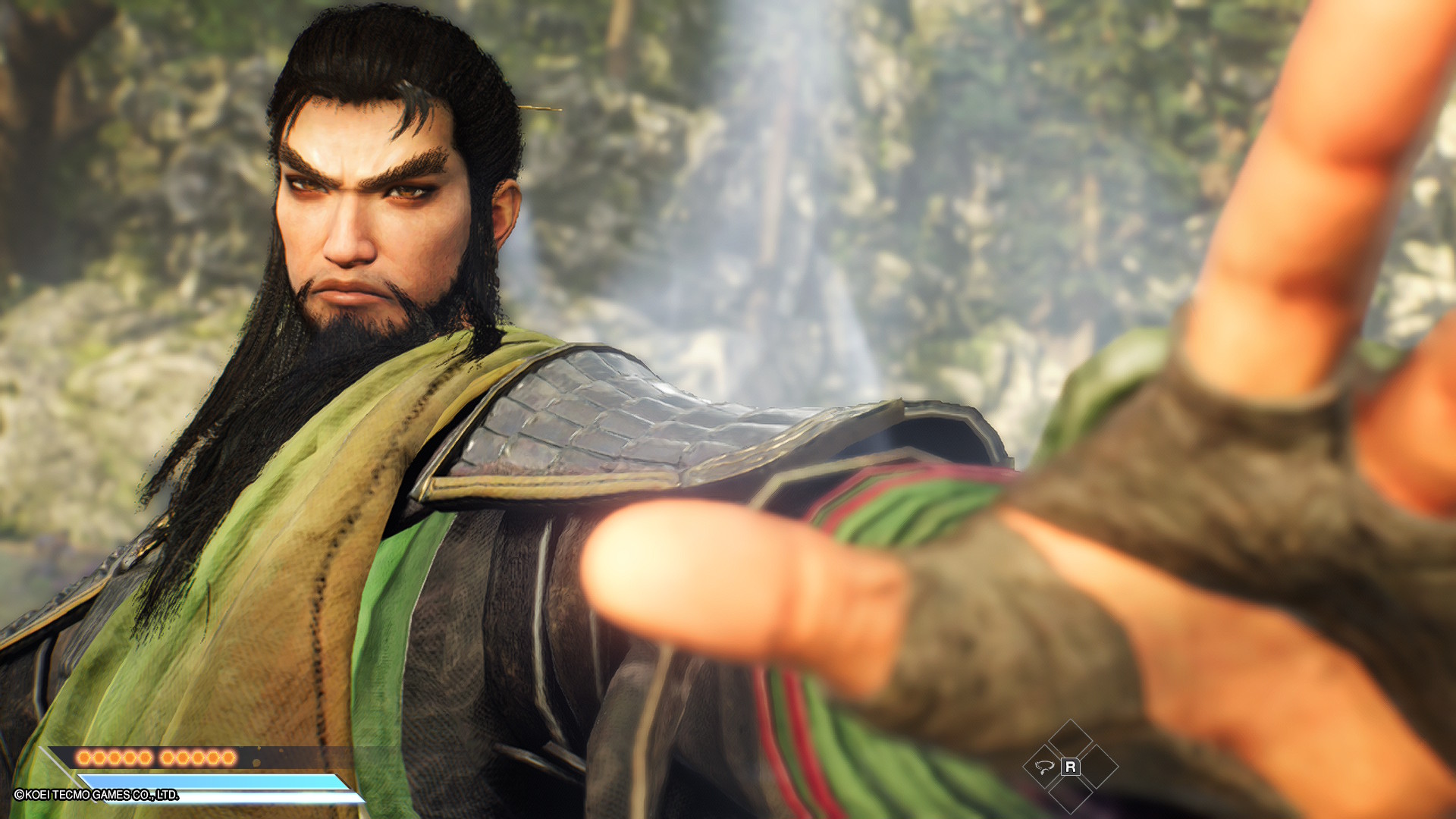
You play as a single protagonist—a quiet wanderer whose name you choose yourself—rather than jumping between a vast roster of historical figures. Although your character never speaks, this fits perfectly within the overall setup. He has forgotten his identity and origins, yet wields phenomenal mastery of weapons and quickly gathers a group who, like him, are eager to fight for a just cause. His unwavering silence allows the surrounding cast—a colorful bunch of volunteers including Liu Bei, Zhang Fei, and Guan Yu—to take center stage, the first of many who will join him along the way. These characters support the protagonist during the battles against the Yellow Turban Rebellion, a faction that once fought for peace but has now gone rogue. The first major objective pits you against the Great Sage Zhang Jiao, whose defeat sets the stage for higher-stakes events, all drawn from Romance of the Three Kingdoms.
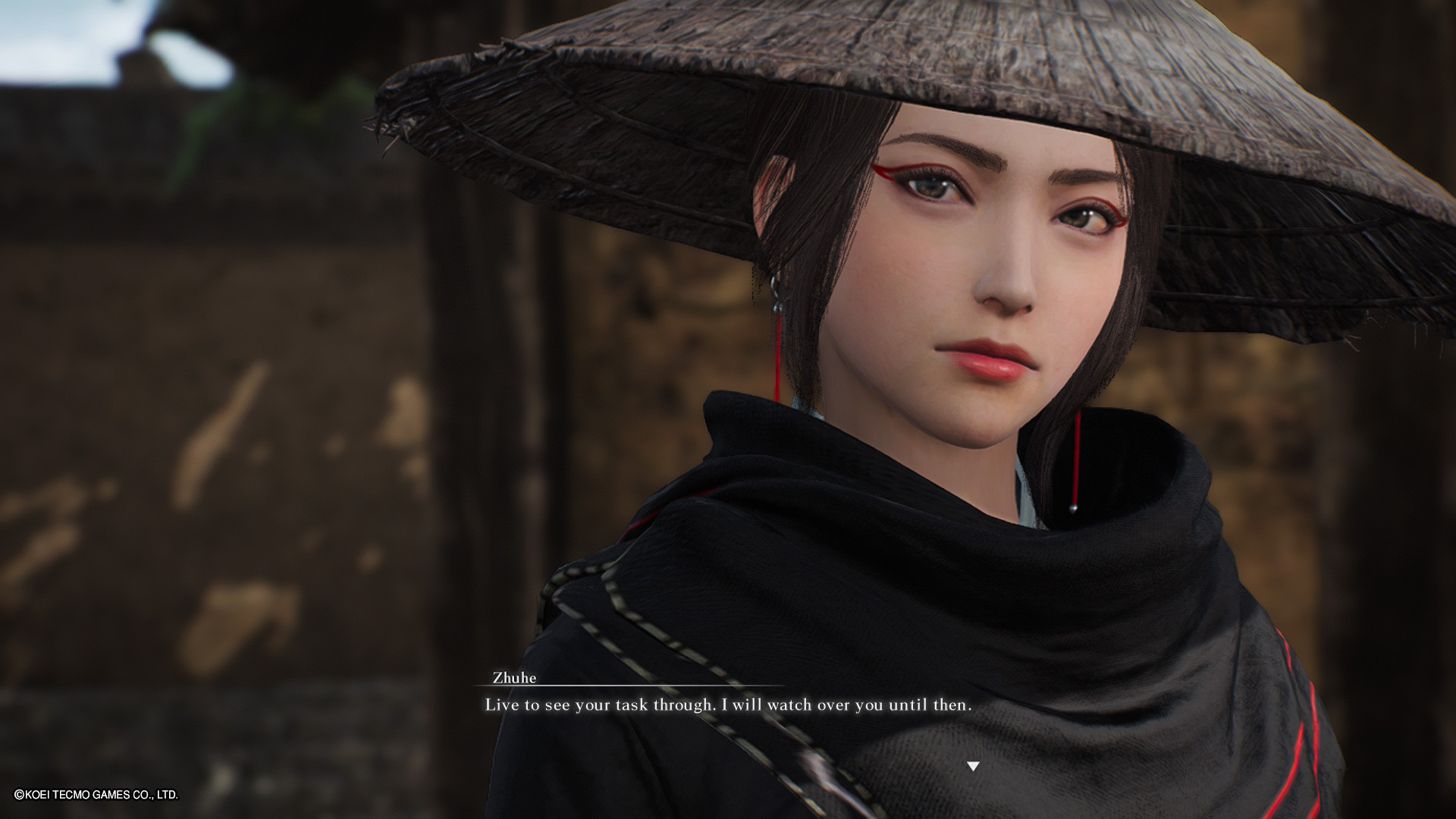
Since the game only covers the early portion of the novel, it’s far more accessible, making it easier to track who’s who, understand why certain figures matter, and see how early encounters resonate later. The protagonist’s mysterious origin unfolds gradually, especially with Zhuhe’s introduction into the plotline, running alongside the historical events. This measured pacing adds a sense of immersion, letting the story flow more naturally.
Fast-Paced, Familiar Chaos
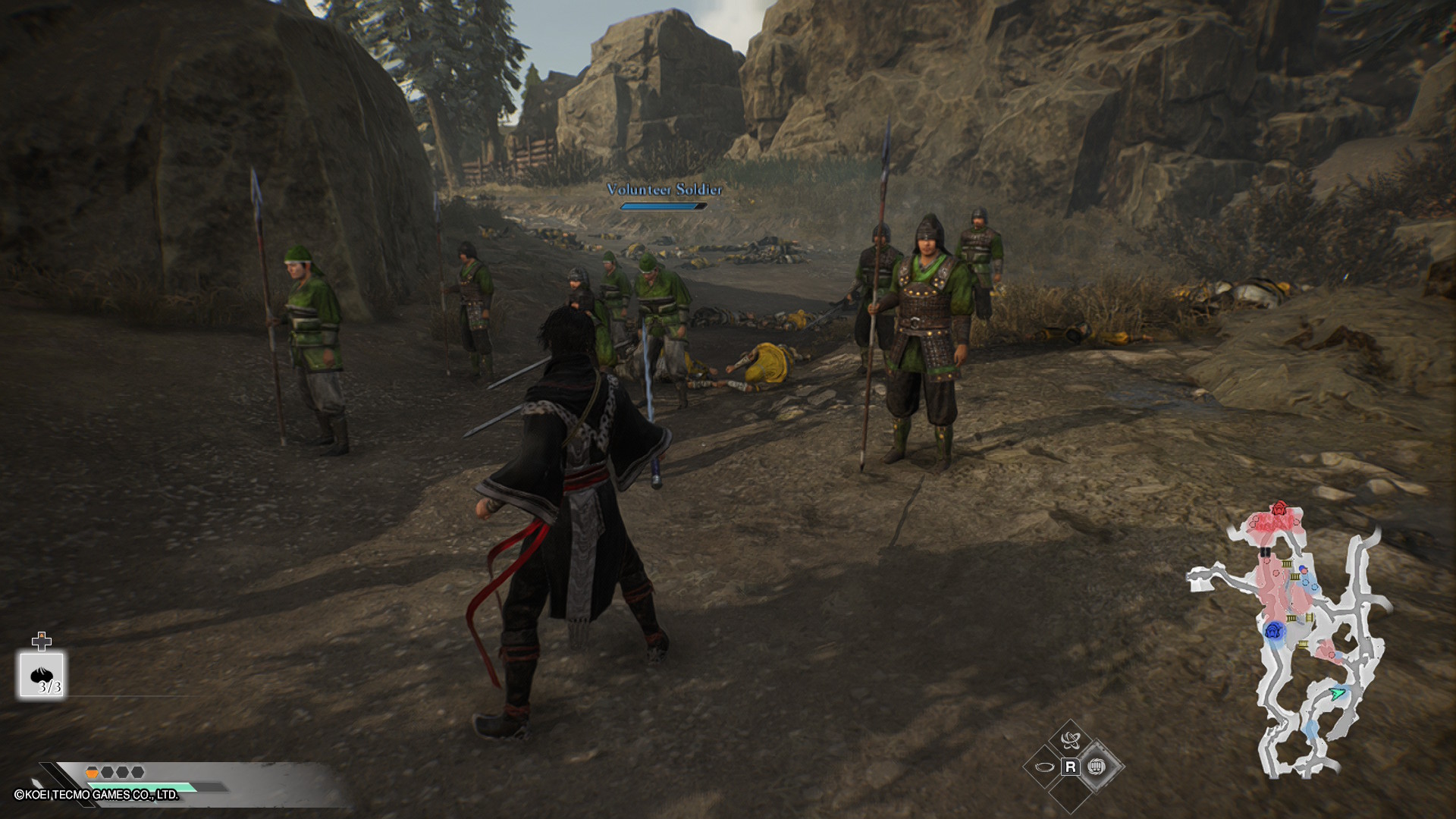
Despite controlling only your custom-named protagonist, you never fight unprepared or alone. Visiting weapon shops and inns in the cities allows you to purchase new weapons, upgrade existing gear, and stock up on healing items or other useful supplies, providing a strategic edge before heading into battle. Before each mission, you can select one general as a teammate who joins you on the battlefield and provides tactical support. On certain scripted moments, for the sake of variety, the game briefly allows direct control of that general to execute key actions or respond to critical situations. Most of the time, the general fights autonomously, contributing to objectives and holding positions as you handle the main combat.
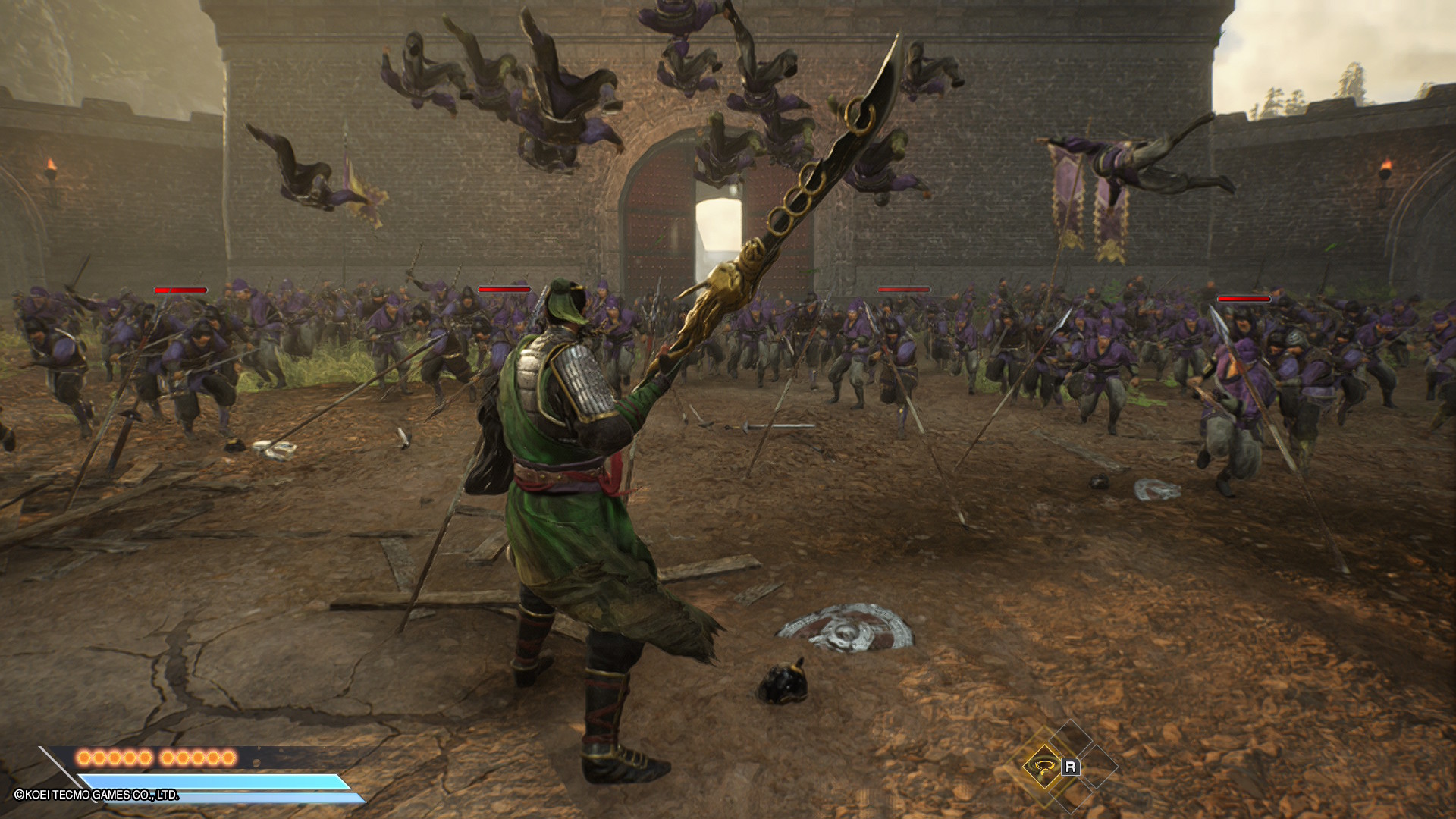
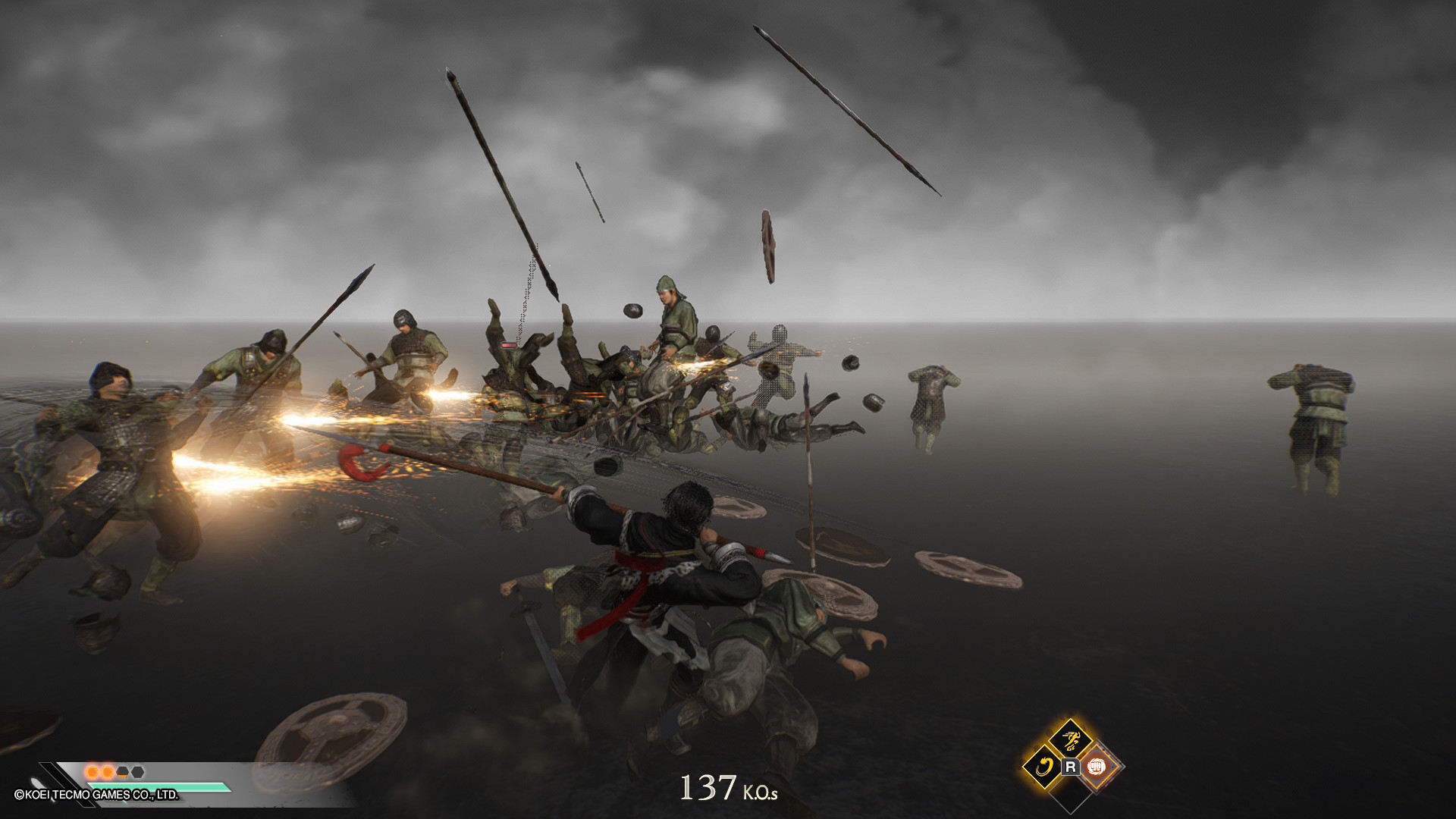
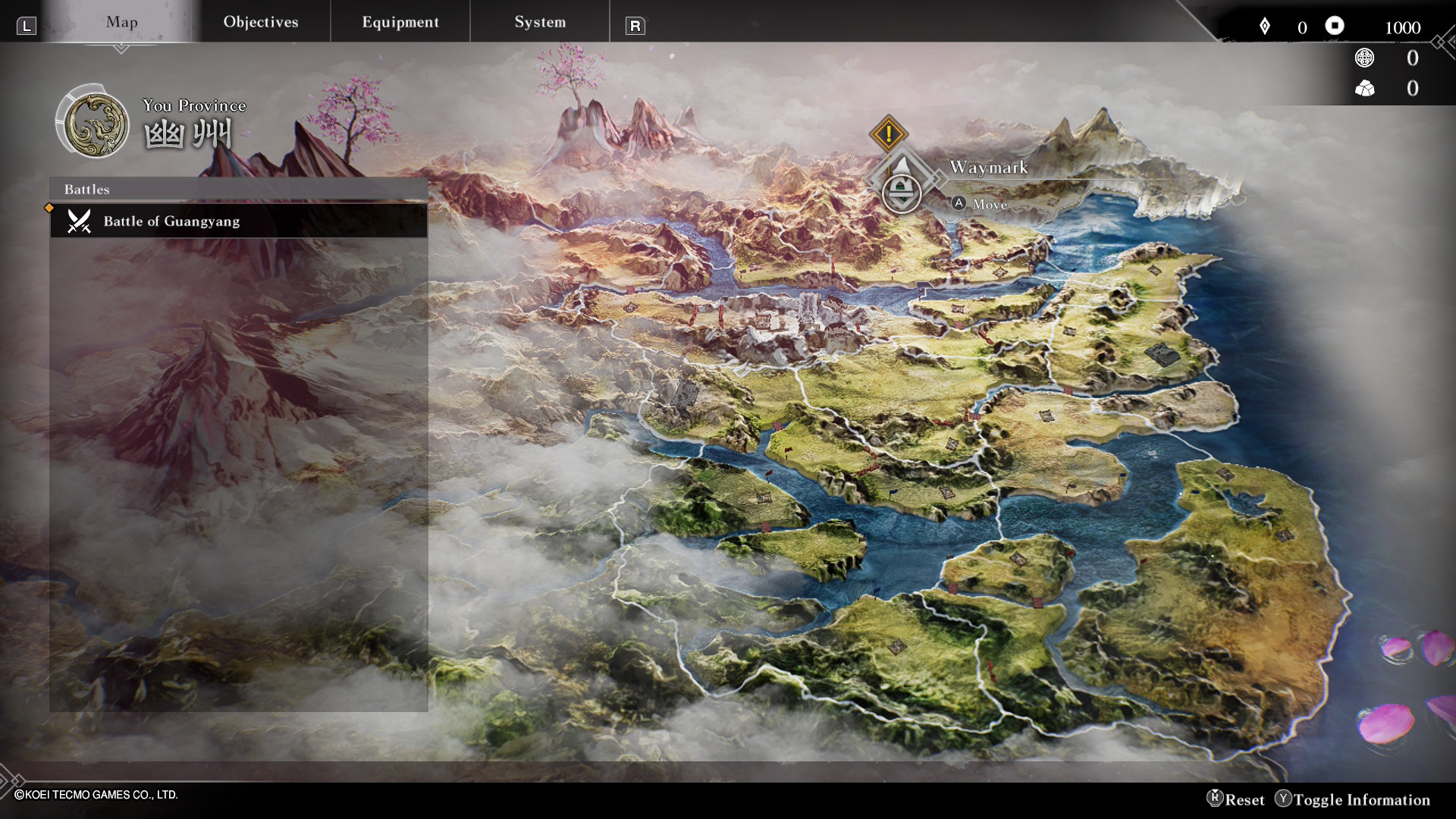
Battles remain unmistakably Dynasty Warriors: you must sweep across large maps, initiate skirmishes as optional grind encounters to level up, and capture bases where enemy forces are led by high-level generals—all in the effort of bringing peace to the region, which comes with tangible benefits. Objectives also often shift mid-battle, reinforcements arrive at the most inconvenient moments (keep in mind that attempts to heal are limited), and failing to support allies can quickly jeopardize a mission.
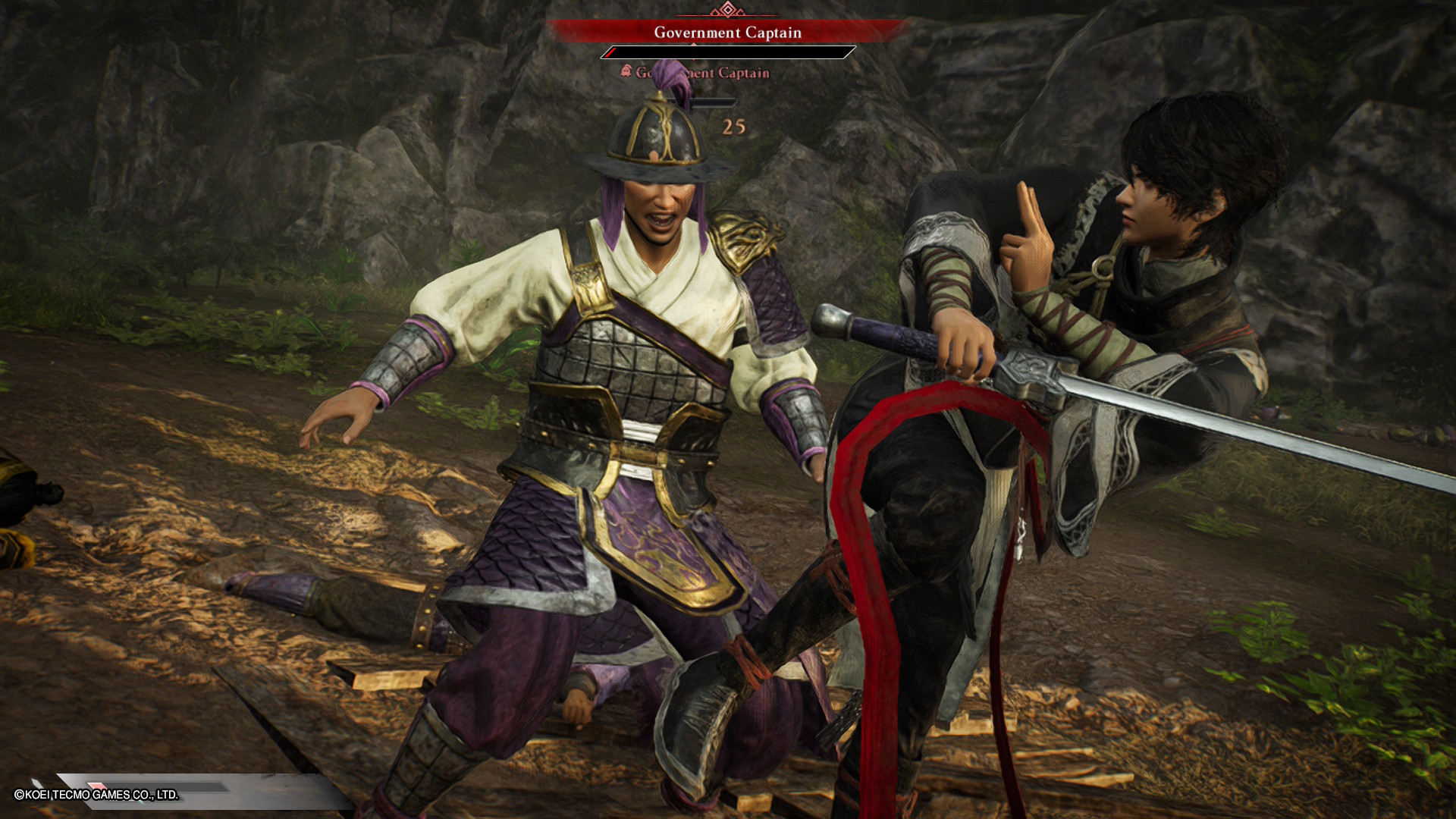
I quickly learned that dodging, parrying, and breaking enemy defenses are critical, particularly against generals with complex attack patterns who punish inattentive play. The speed of the hack-and-slash action, combined with dense enemy formations and lengthy button sequences, favors quick fingers and sharp reactions. Very often, I relied on the lock-on feature during these fights to stay in control, since combat moves at a relentless pace and can be overwhelming. Of course, if the pace feels too fast or too slow, you can adjust the game’s difficulty across three available settings.
The variety and number of weapons and Arts (special abilities) to unlock also help offset that intensity, with each type featuring its own attack power (including charges), range (the famous Musou screen-sweeping), and special moves, encouraging experimentation to see what fits you best. Leveling up ties directly into weapon mastery (proficiency), and unlocks new moves through skill trees, which makes progression feel very engaging.
Stable Performance, Captivating Score
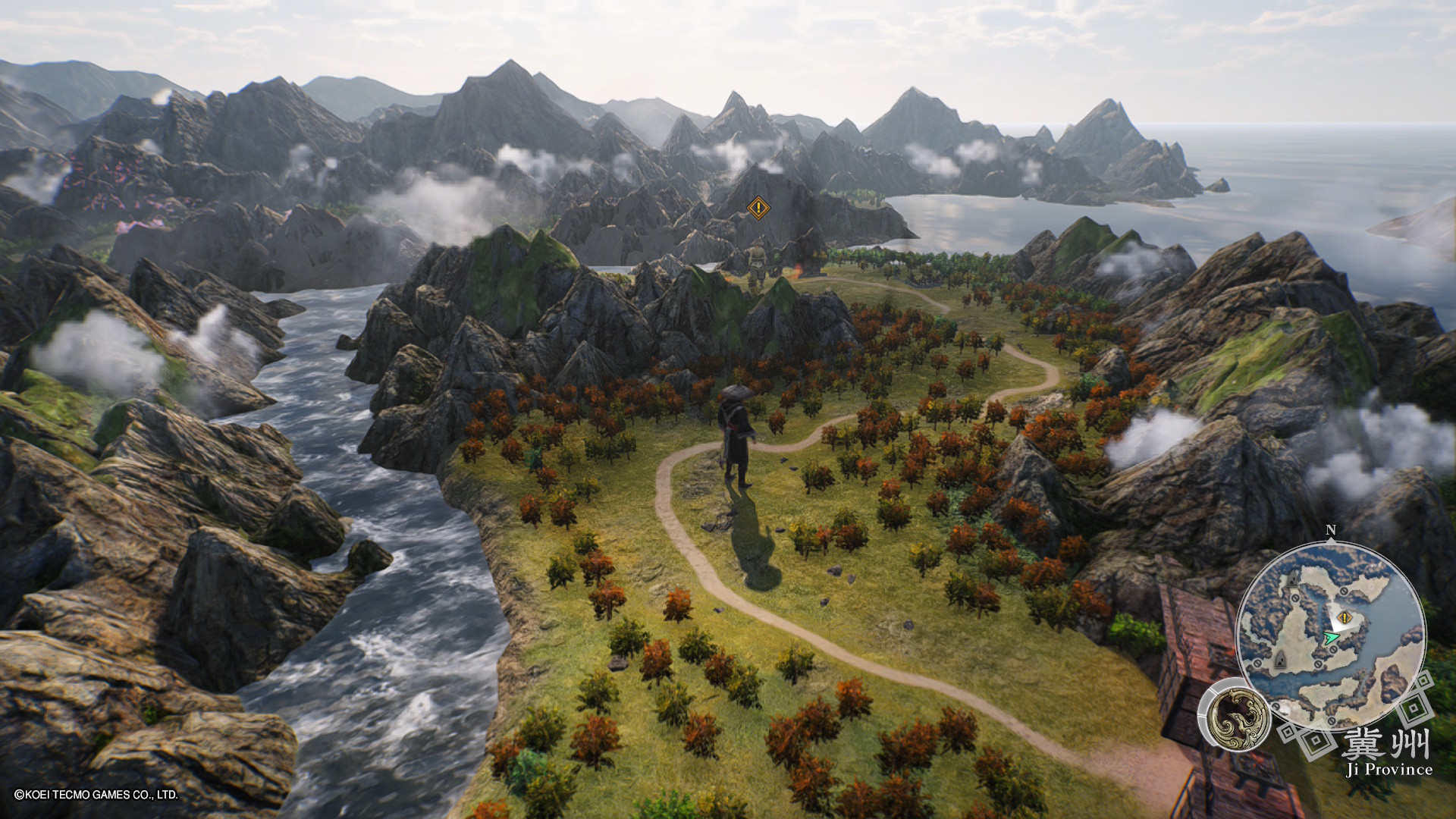
I was surprised by how well Dynasty Warriors: Origins holds up on Switch 2 visually. Both docked and handheld play deliver stable performance with impressive enemy density. Even during large-scale clashes, the sheer number of soldiers on screen never feels like a technical liability. In handheld mode, however, font size is on the rather small side, which is a bit unfortunate since there’s no option for UI scaling to improve readability.
Performance-wise, there are two options: a locked 30 FPS or a variable refresh rate. I chose the variable setting throughout my playtime and found it consistently smooth and responsive.
The musical score is also captivating, effortlessly drawing you into the emotion of the narrative drama. However, as for voice acting, I must admit: I immediately switched from the English dub to the Japanese audio, which proves to be the superior choice here.
Final Thoughts
By centering the experience around a single, mysterious protagonist, Dynasty Warriors: Origins succeeds in keeping the narrative clear and intriguing without sacrificing scale. While its combat remains fast and occasionally overwhelming, typical for the franchise, performance on Switch 2 stays smooth and controls are responsive.
As a reboot, this is a confident step forward. Even on portable hardware, Dynasty Warriors: Origins proves that the franchise can evolve thoughtfully while remaining unmistakably itself.
Additional Information
Release Date: Jan 22, 2026 (Nintendo Switch 2)
Reviewed On: Switch 2. Download code provided by the publisher and PR agency.
Developer: KOEI TECMO GAMES CO., LTD.
Publisher: KOEI TECMO GAMES CO., LTD.
Relevant links: Available on Nintendo eShop (US | NL-BE)