Review – Static Dread: The Lighthouse — When Doing Your Job Is the Jumpscare
 DaRmaZat
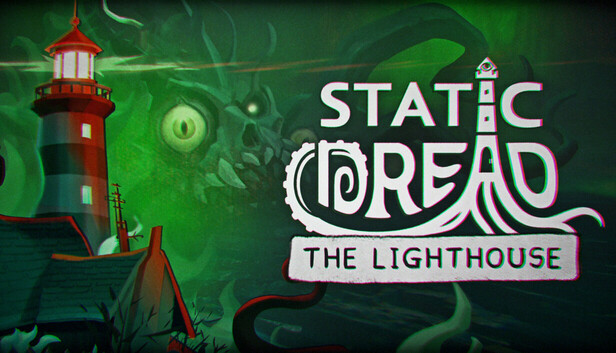
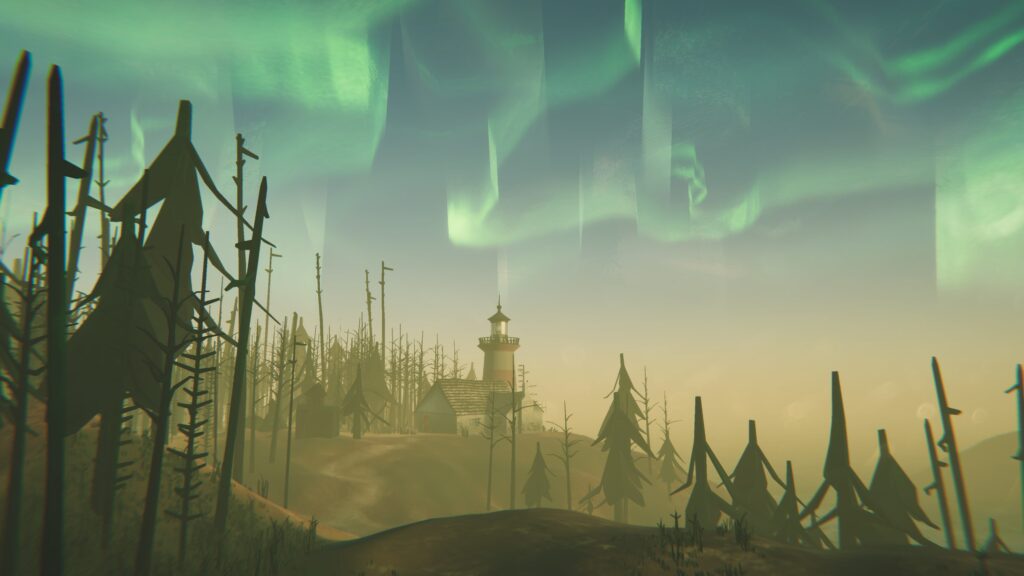
What if Firewatch had a weirder indie sibling—set in a lonely lighthouse, drenched in dread, and fused with the bureaucratic tension of Papers, Please? In Static Dread: The Lighthouse, you play as a lighthouse keeper tasked with manually guiding ships to safety through increasingly foggy, treacherous waters.
With nothing but your analog radio, an aging beacon, and your wits, you’re forced to manage not only navigation—but creeping cosmic horror, fatigue, and isolation. No, Static Dread is not a game for those seeking a passive horror stroll. It’s a test of focus, multitasking, and mental endurance.
An Island of Unease
After a global catastrophe knocks out modern systems, a powerful aurora surge renders automatic navigation useless. The solution? Reboot an old lighthouse—and send you, a lone keeper, to man it. You’re stationed on a remote, crumbling island, cut off from your wife and daughter. Your only regular contact is a stream of crackling transmissions from your smug, know-it-all chief, and the occasional analog call home on a fixed radio frequency.
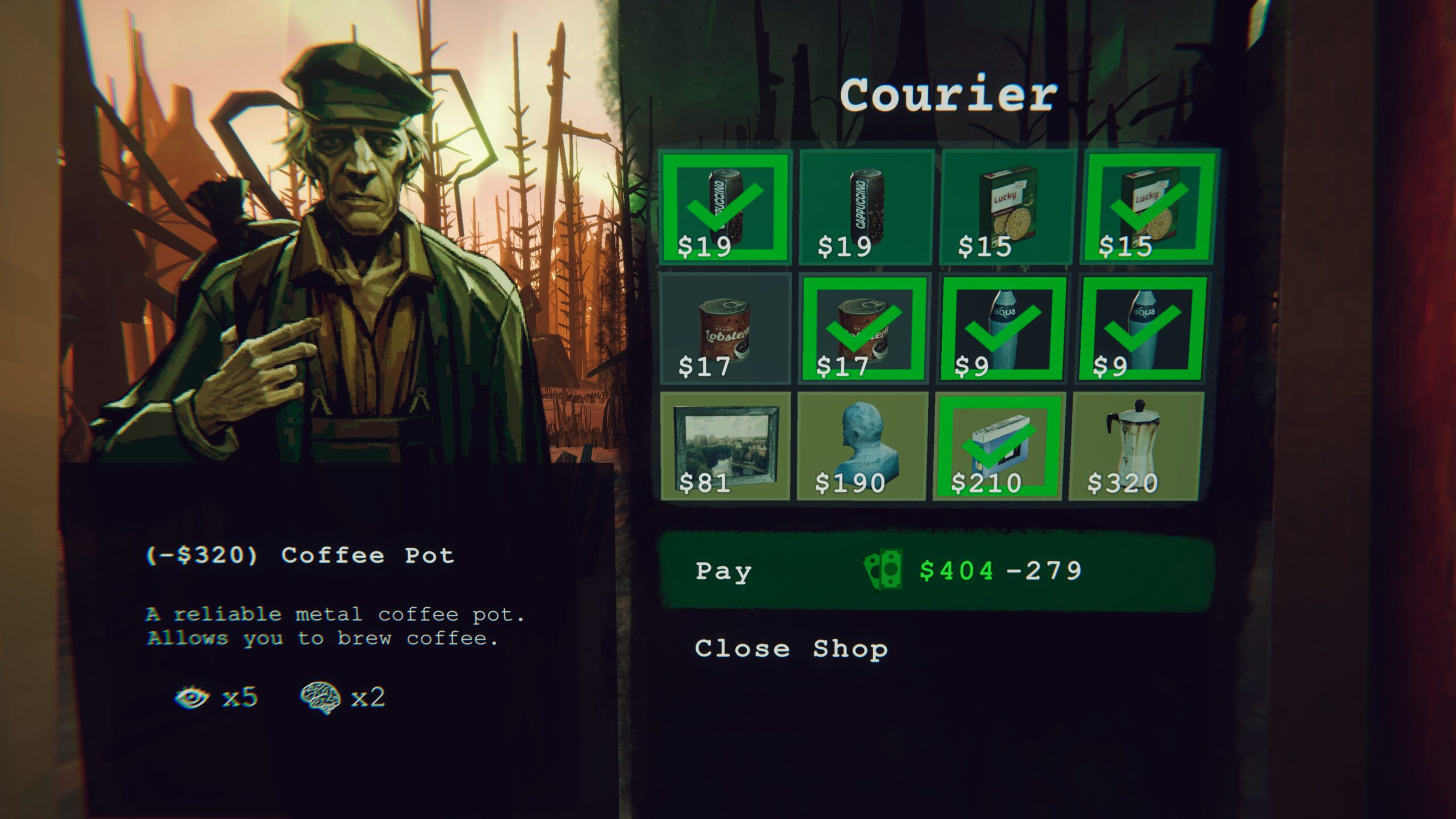
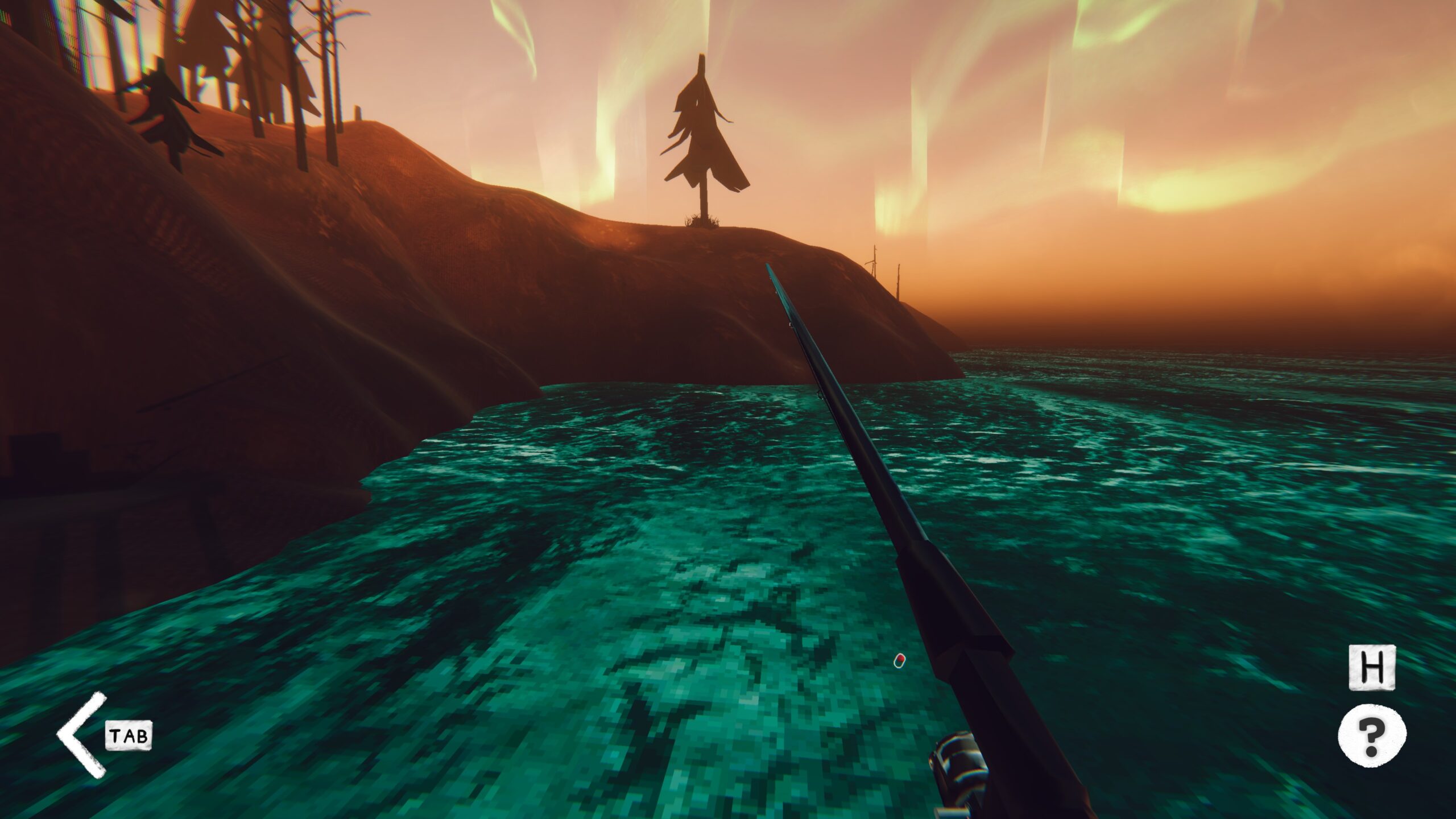
Every few days, a courier arrives like clockwork—bringing your modest salary along with occasional care packages of snacks or critical story items needed for progression. Separately, just before each night shift, you may get a knock on the door from a local fisherman or villager. They offer more than just fish: their wares include sanity-restoring food and essential gear, from talismans that repel malevolent forces to tools like a fishing rod for catching your own provisions. Managing what to trade or stockpile becomes vital, especially as nights grow longer, stranger, and more dangerous.
These seemingly small interactions—they’re not small at all. Choosing when to spend your hard-earned wages, what to eat, and how to prepare all form the foundation of Static Dread’s creeping tension. You’re never fully at rest, always calculating whether you’re ready for whatever horror the next shift may bring. Saving is also limited—it’s only possible at dawn, when your chief allows you to sleep. Messing up can mean losing significant progress—fitting for a game built around mounting pressure.
Managing The Interference… and Your Sanity
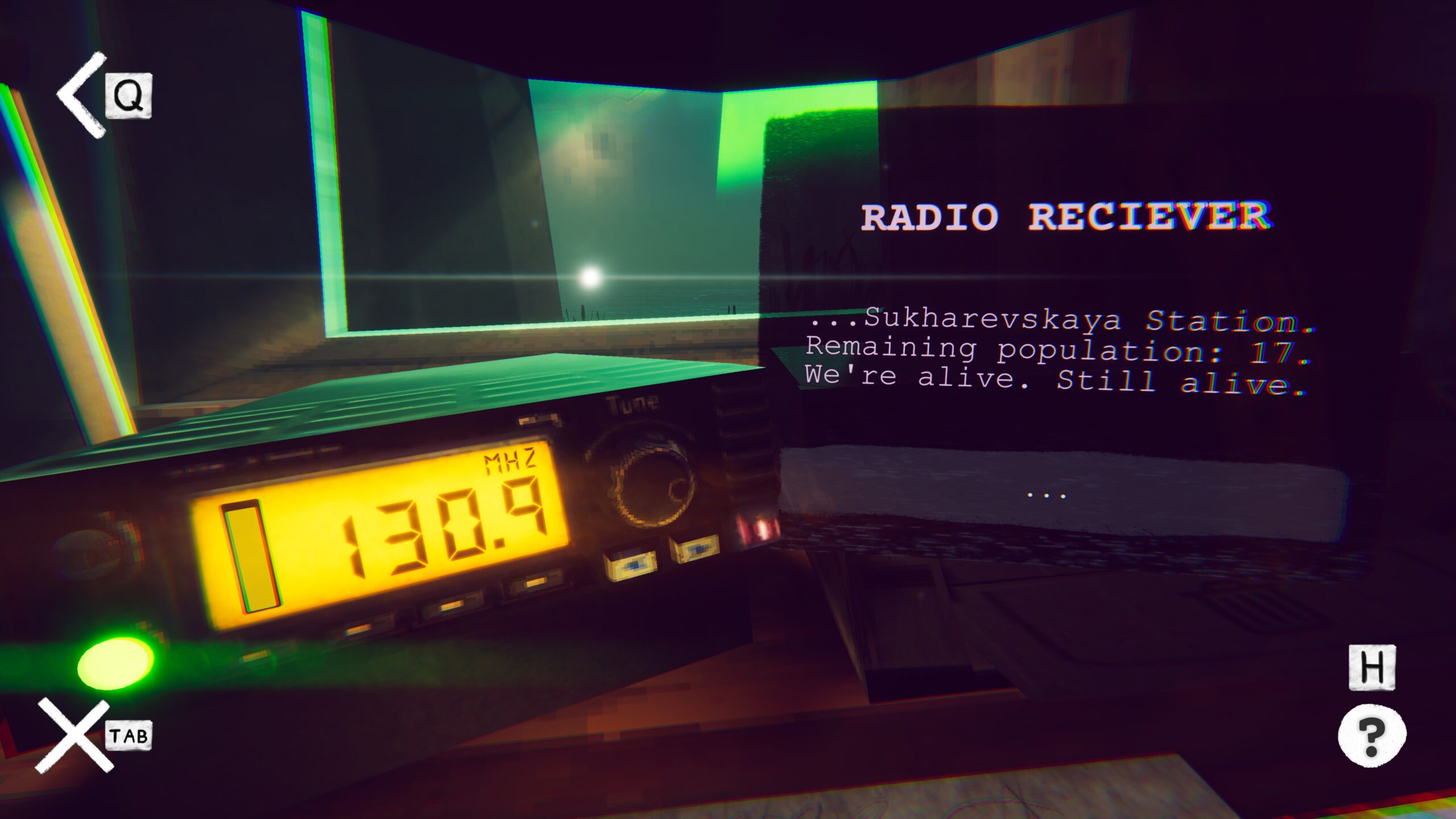
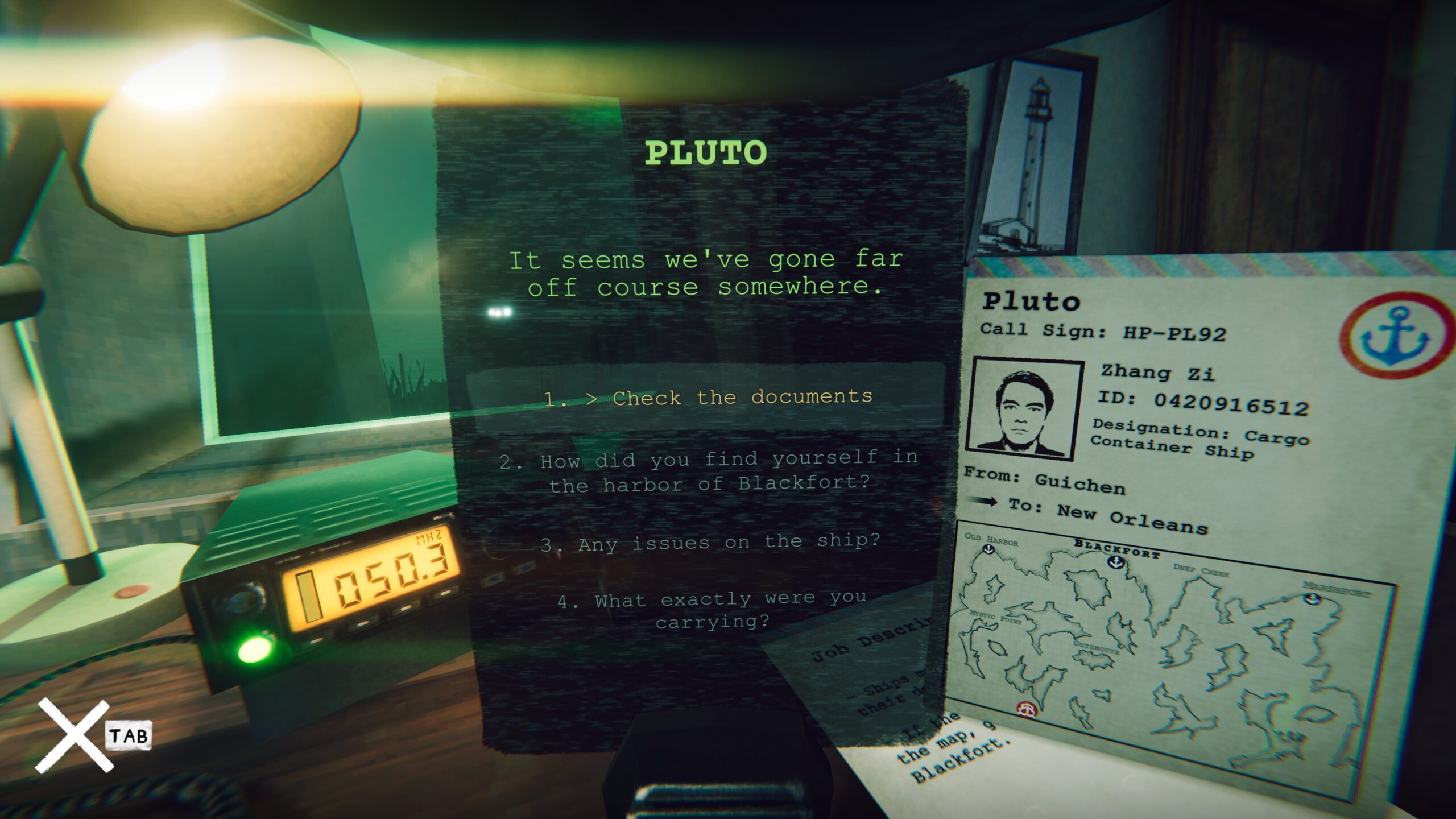
Your primary task is working the radio: responding to incoming ship calls, plotting safe routes to harbors using maps sent by fax, and returning your plotted path via another fax reply. If captains don’t request a specific port, you default to Blackfort Port—but soon, cargo ships appear with new conditions and route preferences, forcing you to adapt. And then come the moral choices: do you follow orders, or do you let the villagers in—again and again—as they beg, plead, or even threaten? Do you lie to your chief about it? The consequences escalate quickly, and with them grows a creeping suspicion that not everything knocking on your door is truly human—or even alive.
Static Dread’s core gameplay loop starts off deceptively simple — guide a few ships, conserve energy, stay awake until dawn — but the complexity builds quickly. Tasks grow more involved: some ships require you to inspect their documents, verify cargo types, or confirm destinations before plotting a route. You’ll need to manage port availability, monitor ship purposes, and keep an eye on environmental hazards. It’s smart, dynamic design — the gameplay evolves based on your decisions and the world’s unfolding events.
Papers, Tension, and Horror Please!
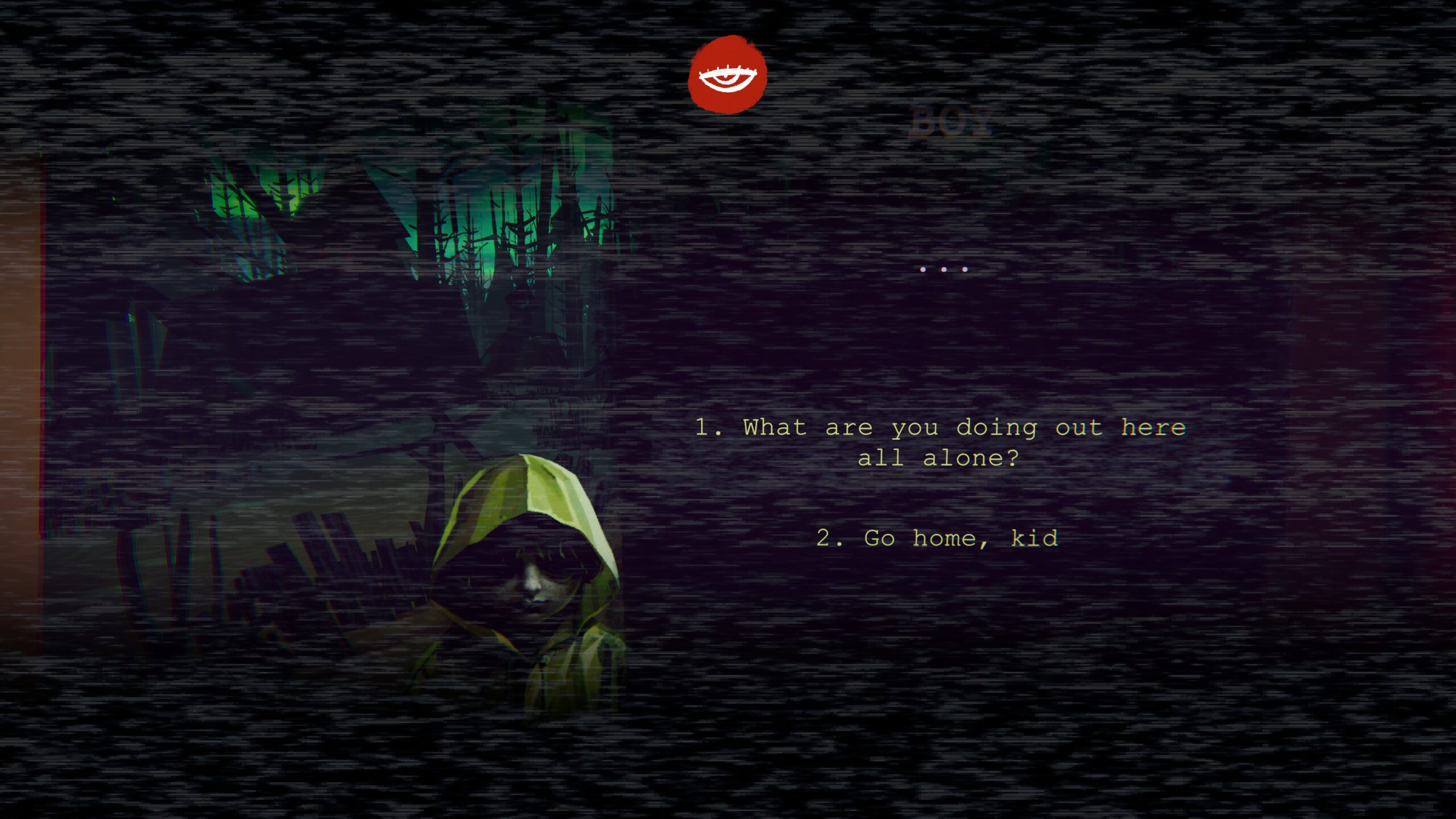
Before long, you’re not just managing ships. You’re fending off ghosts, fighting sleep, and dealing with villagers pounding at your door, begging — or demanding — to be let in. You’re told never to open it. But do you listen? Turning them away isn’t as simple as clicking ‘no.’ Some villagers come back, angrier. Some won’t leave without a fight. Sometimes, saying no once isn’t enough — you have to stand your ground again and again.
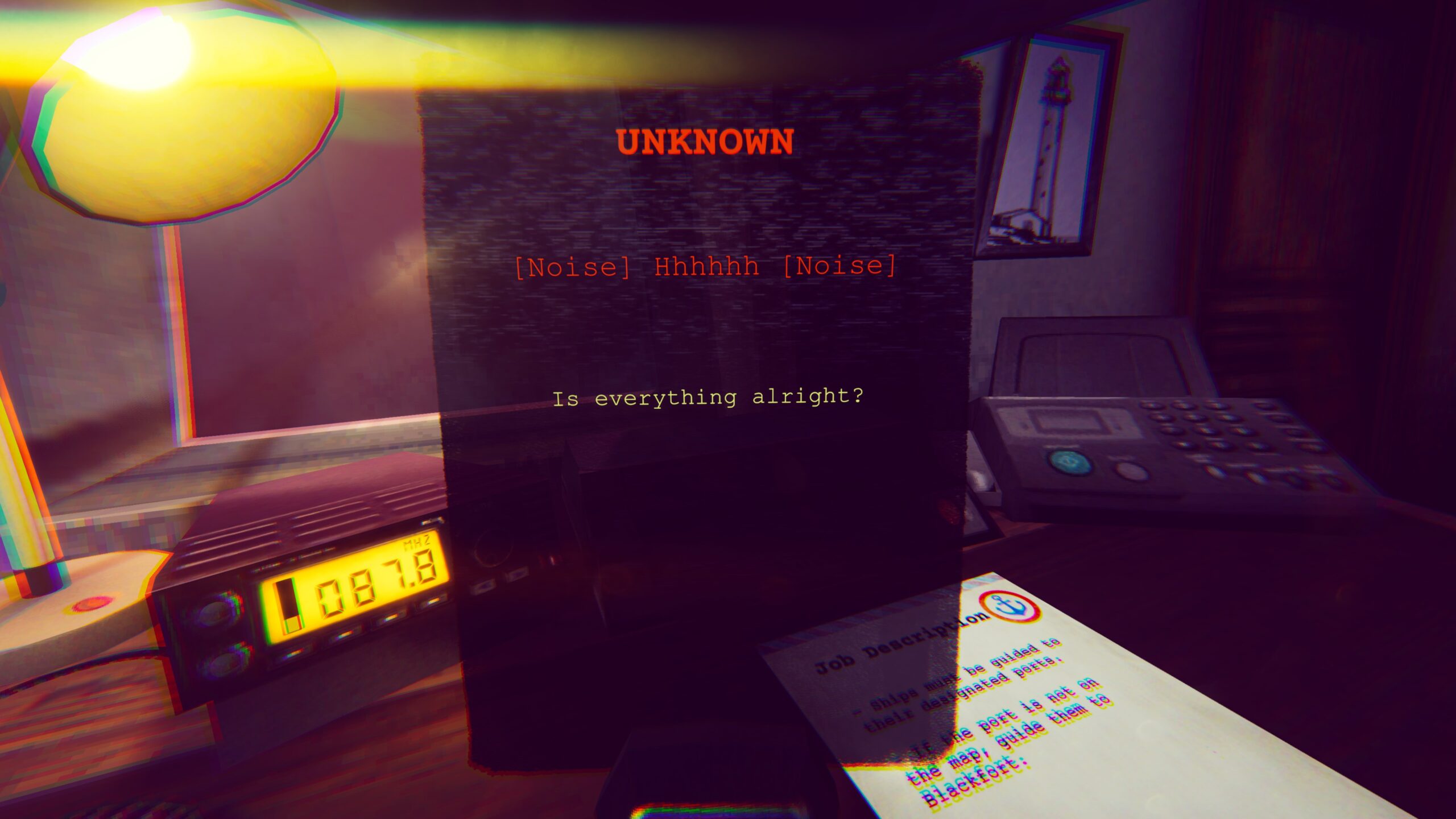
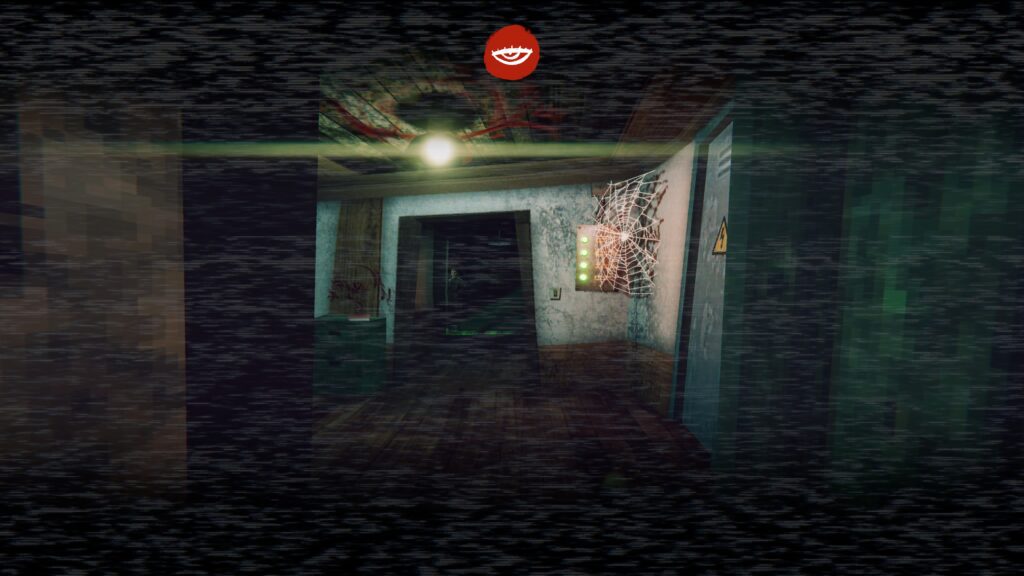
All the while, creaks, whispers, and distant knocks fill the air as shadows flicker across your room, strange stains spread along the walls, windows rattle, and doors slam on their own—you even catch glimpses of ghosts outside your window or lurking in the woods. On top of that, threats come knocking at your door, arrive by phone, and sometimes even by fax. And yet, the plotting must go on. The horror doesn’t come from cheap jump scares—it’s in having to maintain composure, precision, and logic as the world unravels around you. Even your character’s exhaustion becomes a mechanic, dulling your awareness as lights flicker and intercom signals grow harder to track. It starts to feel like one long, dreadful day at work where everything is going from bad to worse all at once—and that’s exactly the point.
Old-School Horror, Modern Execution
Static Dread leans into a gritty, pixelated art style that channels the dark surrealism of Lovecraft, with visual echoes of classic text adventures like Zork—only far more intense, both psychologically and stylistically. Dialogue is delivered in strange gibberish, reinforcing the game’s dreamlike, disoriented tone. Lighting also plays a huge role in setting the mood, with dim corridors, flickering bulbs, and sharp contrasts that ratchet up the tension throughout.
With its haunting, mournful violins, Static Dread’s soundtrack makes your stay in the isolated keeper’s cottage feel increasingly unsettling. Performance-wise, the game is overall very polished as well. True, there are minor bugs—sometimes menu items become unclickable, and using both mouse and controller can cause rare frame rate drops—but these issues are easy to work around.
Final Thoughts
Static Dread: The Lighthouse succeeds not just as a horror experience—but as a finely tuned game of pressure, choices, and consequence. It’s constantly asking you to juggle sanity, navigation, conversation, and fear—all while you’re barely holding your eyes open. The farther the story goes, the darker and more tangled the mystery becomes, and the more you’re pulled into its unnerving world.
This isn’t for players looking for a passive horror walk-through. This is for those who enjoy being tested—mentally, strategically, and emotionally. Static Dread is a masterclass in controlled chaos, and a refreshing take on cosmic horror that’s as stressful as it is satisfying. If you’re ready to stay sharp, think fast, and keep the light burning against the abyss, this is one shift worth taking.
Additional Information
Release Date: August 6, 2025
Reviewed On: PC. Download code provided by the publisher and PR agency.
Developer: solarsuit.games
Publisher: Polden Publishing
Relevant links: Static Dread: The Lighthouse on STEAM