 DaRmaZat
Nowadays, in a genre as crowded as Metroidvania, it takes more than just a labyrinth of dead ends to map out or yawning chasms to clear with double jumps and dashes to truly capture a player’s attention. Fallen Tear: The Ascension attempts to do exactly that by wrapping its classic exploration in a layer of striking, hand-drawn animation paired with a strong narrative and professional voice acting.
Developed by Winter Crew Studios and set to launch in Early Access, this title aims to bridge the gap between high-fantasy storytelling and tight platforming action, placing a heavy emphasis on the relationships you build along the way. While its “hero-against-the-gods” premise might tread familiar ground, the game’s unique focus on companion-assisted combat and its vibrant world of Raoah offer a promising, charm-filled take on the classic 2D formula.
Just a Child in a World on the Brink of Ascension
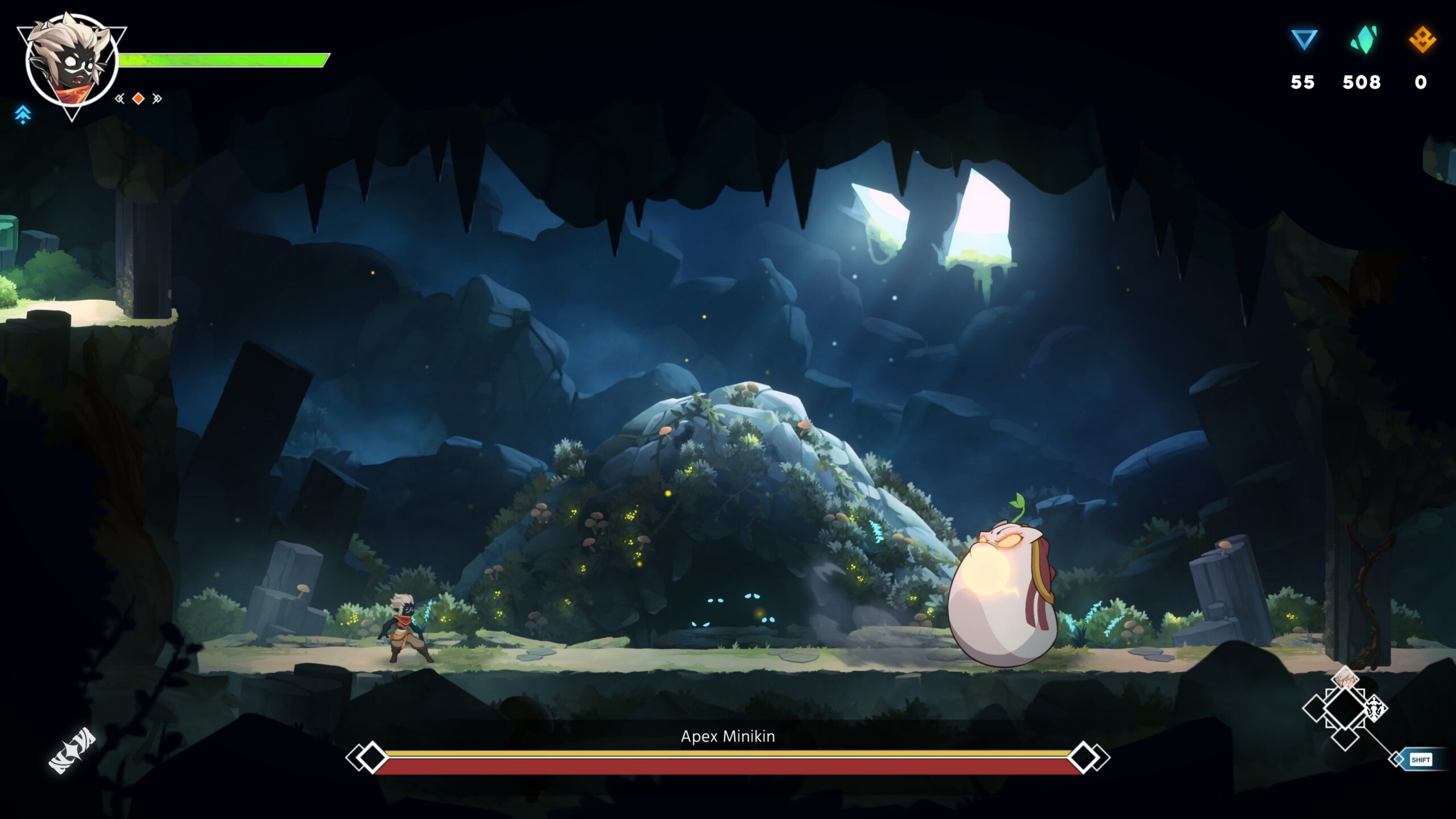
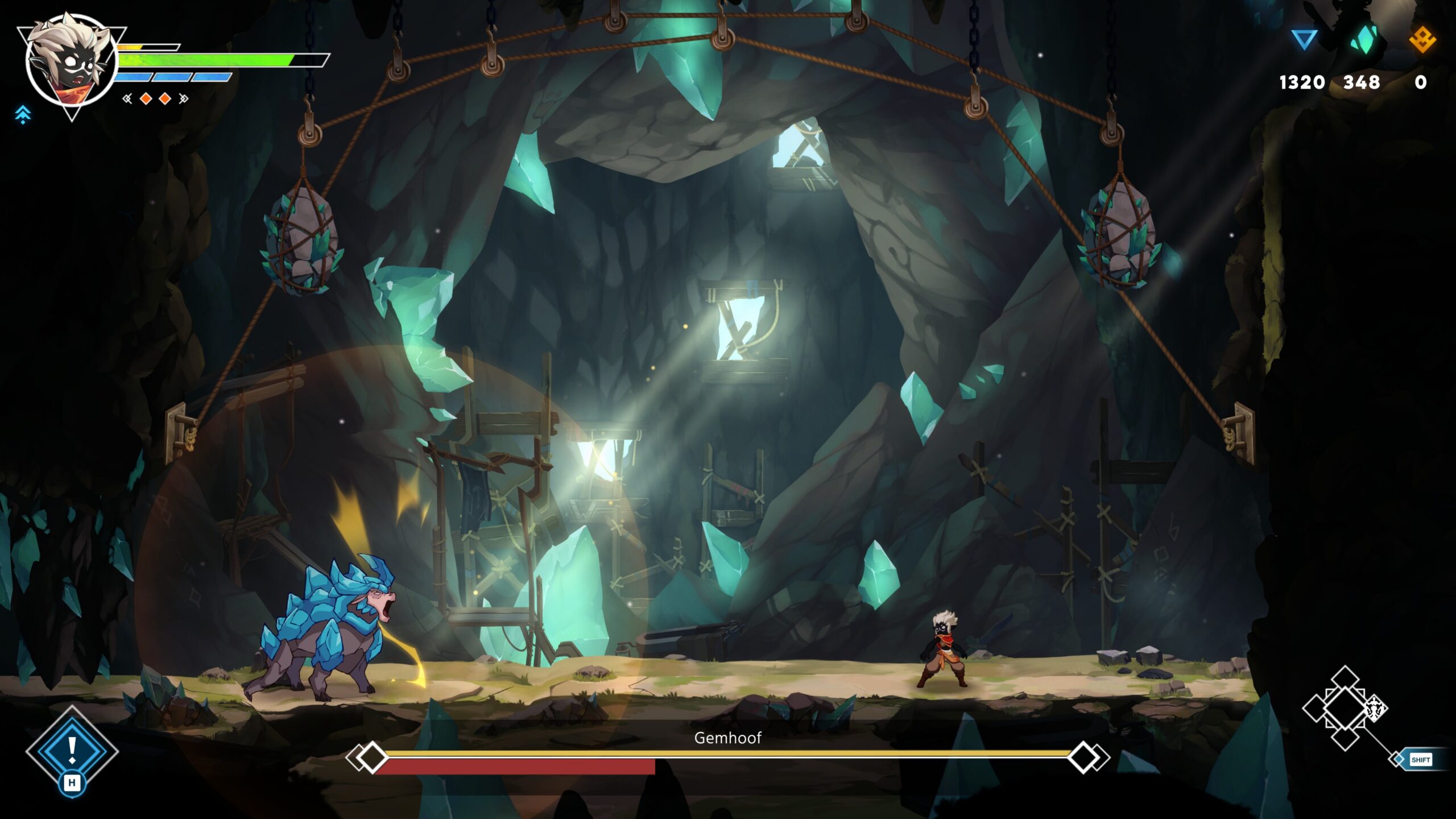
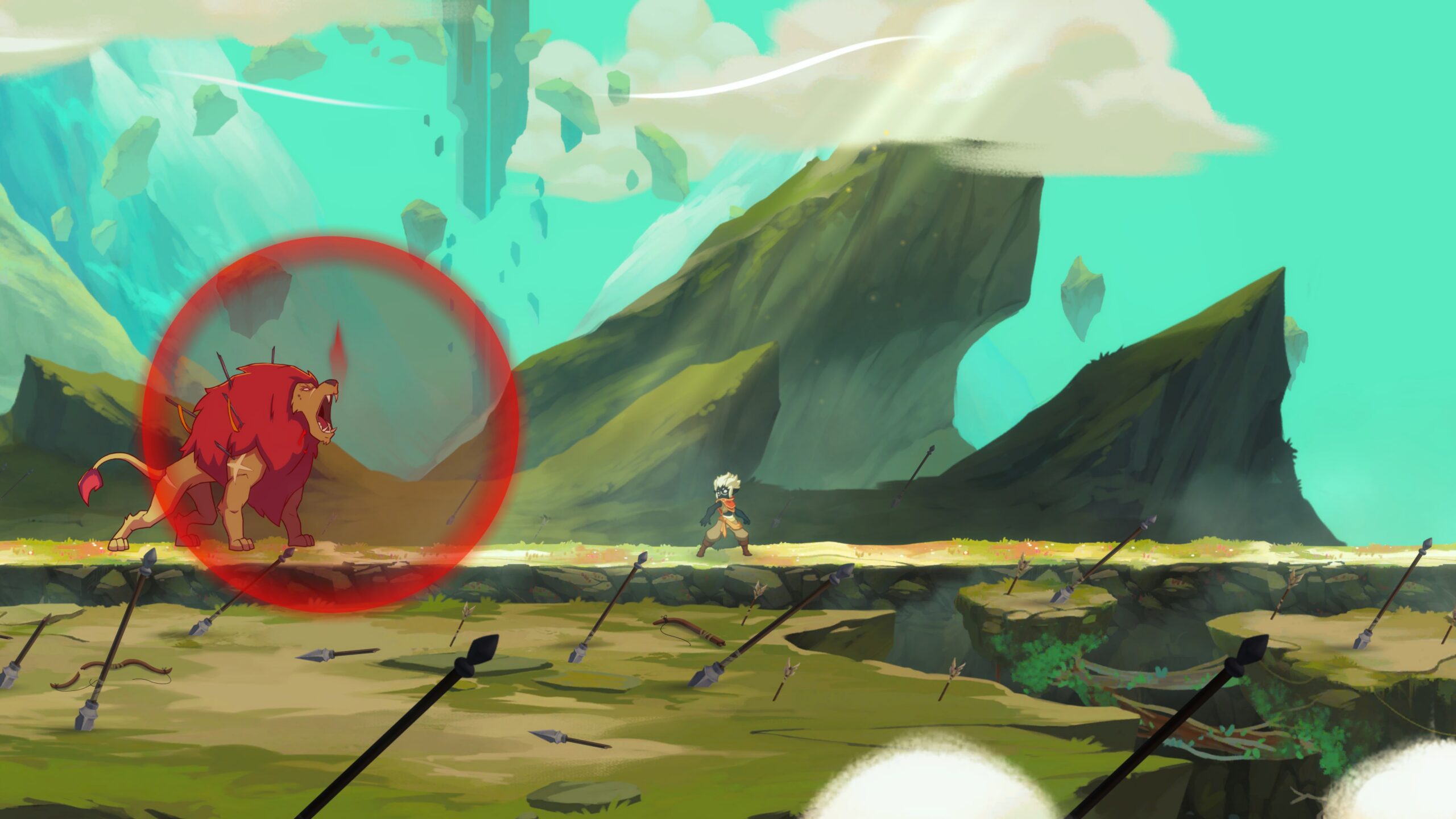
In Fallen Tear: The Ascension, you step into the shoes of Hira, a mysterious child inhabiting the vibrant world of Raoah. While Hira initially aims for the modest life of a skilled hunter, he harbors a dark secret—one even he doesn’t fully understand. After claiming a routine hunting contract, Hira ventures into the Tranquil Forest to confront his first boss. This sets the stage perfectly, as the game is primarily about hunting down “beasts” turned malevolent by the corruption. Most of these encounters, especially later in the game, are presented as side quests that ensure you’re geared up with enough upgrades to tackle the main storyline.
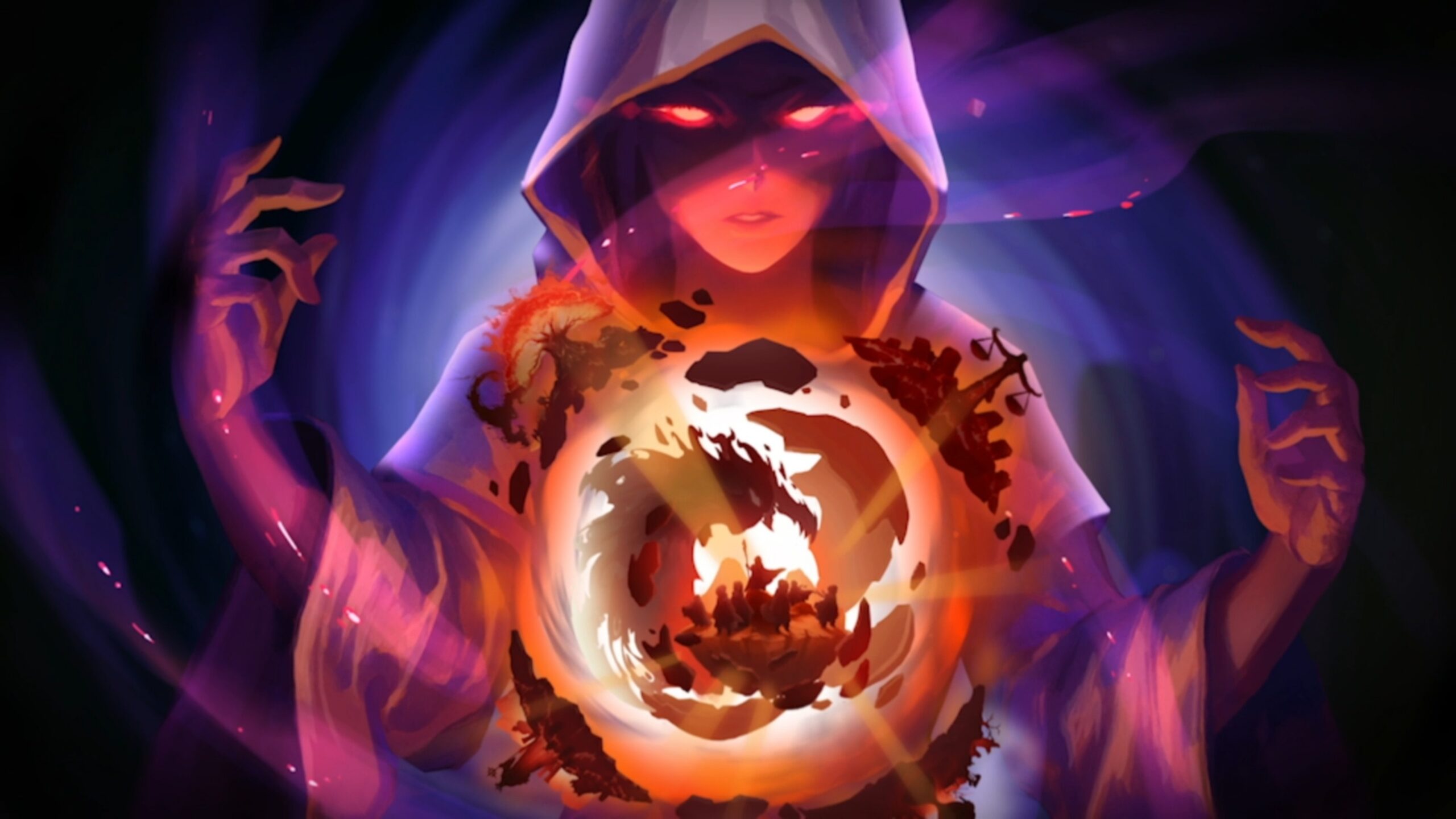
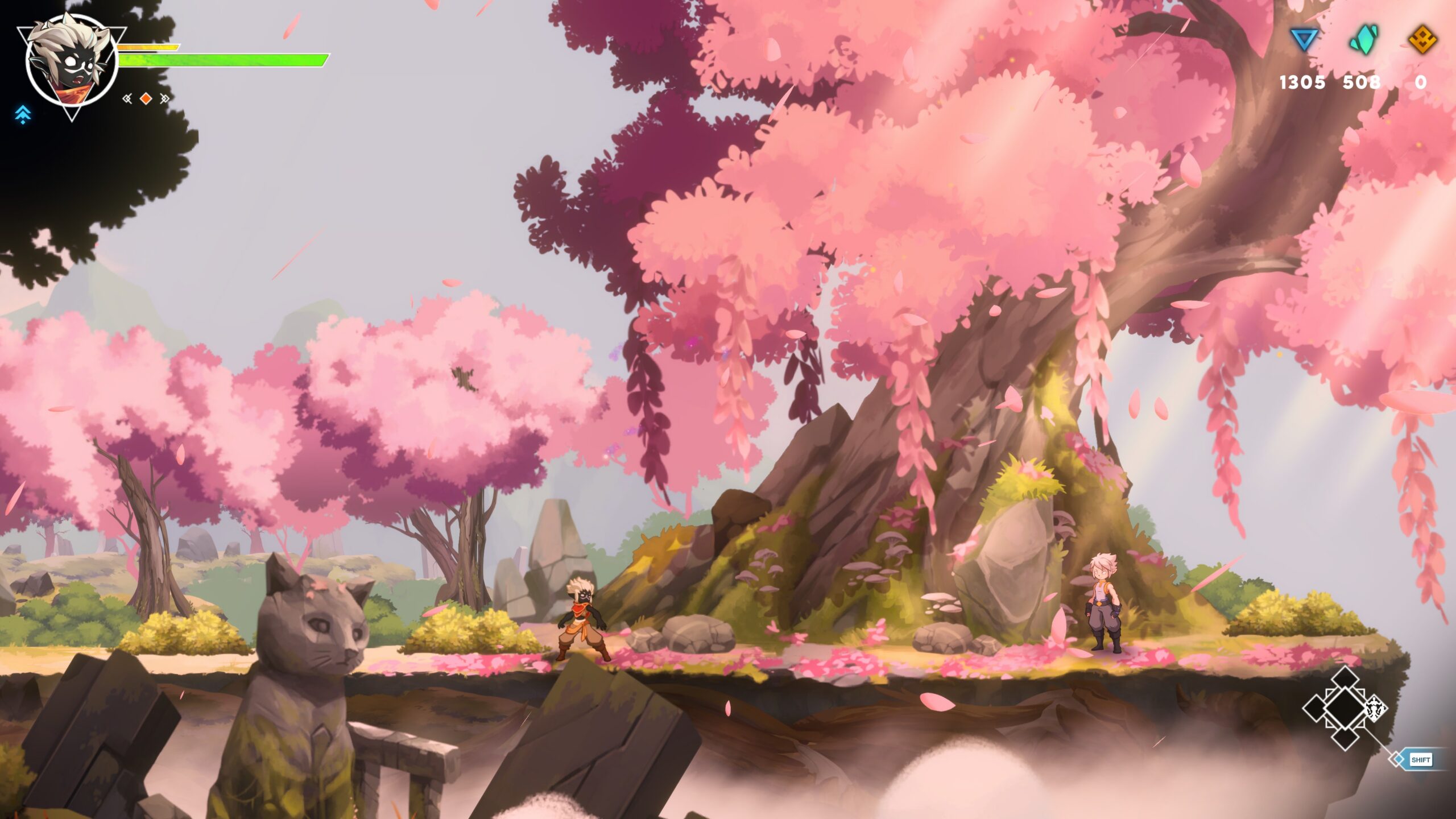
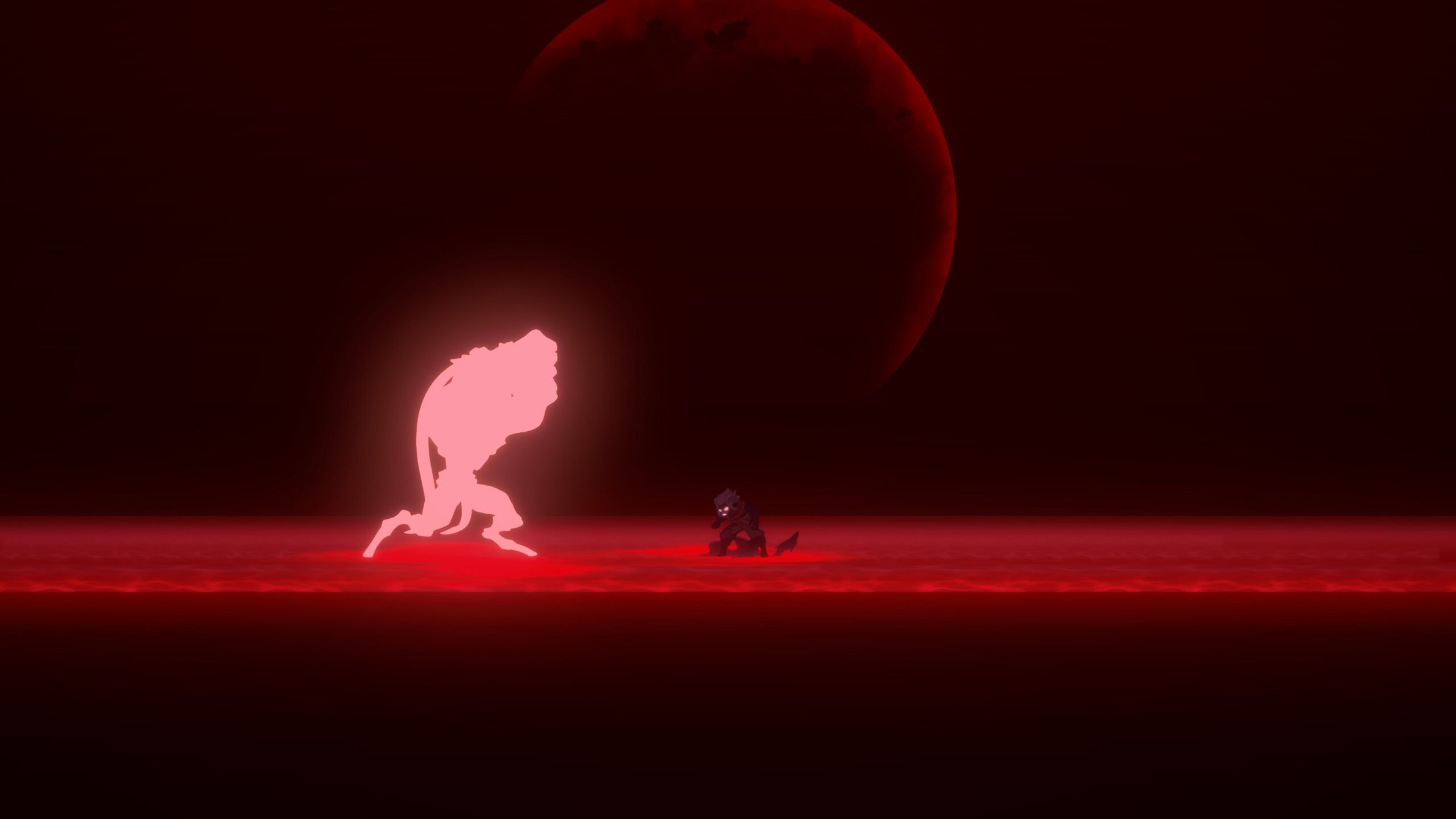
The journey takes a sharper turn when Hira is forced into another dimension to find his loved ones. There, he is quickly swept into an entirely different quest by the sorceress Runa, who tends to Hedwynn—a massive, magical tree connected to every shrine in the world. This forces Hira to travel across various regions to defeat corrupted gods threatening the fate of existence. Granted, the overarching narrative follows a familiar path where you are destined to become the hero in a world on the brink of collapse, and it isn’t exactly groundbreaking. However, it is delivered with immense charm, and the well-timed mystery successfully keeps the tension high.
A Pure Metroidvania With Surprising Depth
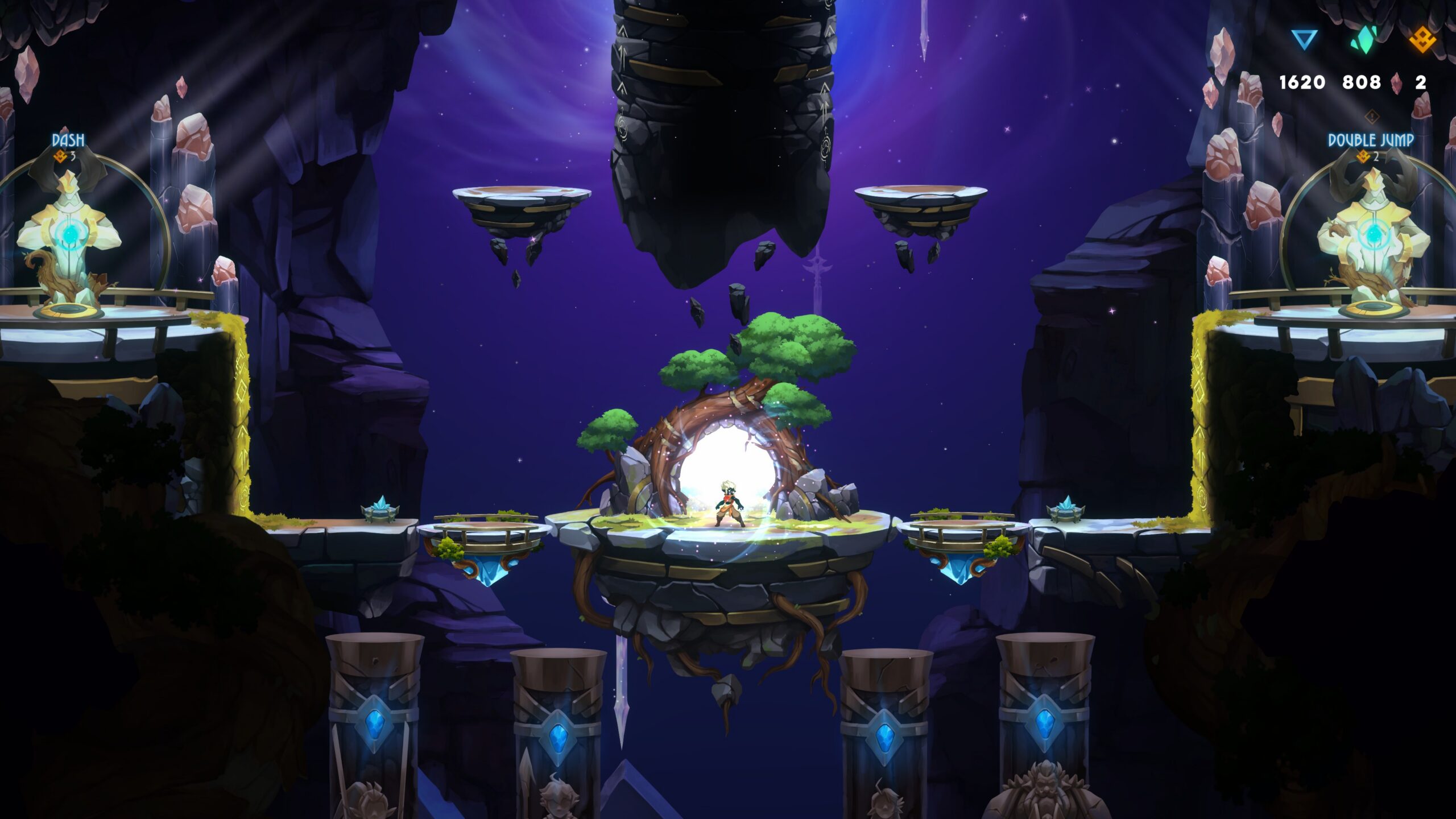
Beyond the narrative, the world of Raoah is a true playground for completionists, teeming with secret pathways and hidden treasures. Throughout the world, you’ll find Hedwynn’s Roots, which serve as checkpoints where you can manage your Bonds, Masteries, and Ascension abilities (classic staples like double jump and dash), alongside your specific hunting skills. While campsites allow for healing at the cost of respawning enemies, you eventually acquire a magical artifact called the Limiter, allowing you to heal using Mana. Every rare boss you defeat also rewards you with Endure, a stat that reduces Hira’s knockback and lessens the damage he takes. With upgrades for Stamina and affinity-based bond systems, Fallen Tear features nested mechanics that offer surprising depth.
That said, I won’t claim that the combat feels perfectly fluid from the start. Hira’s arsenal initially consists of a limited moveset—a simple backward dodge, a basic counterattack, and vertical slashes. The lack of a roll, shield block, or parry makes the action feel somewhat stiff and old-fashioned. During the boss battles, you are primarily reliant on repositioning, ducking, and jumping to avoid damage. It’s a bit of a hurdle, as this initial “clunkiness” can be frustrating for a genre that usually prides itself on precision.
Growth Through Grit, Strengthened by Fated Bonds
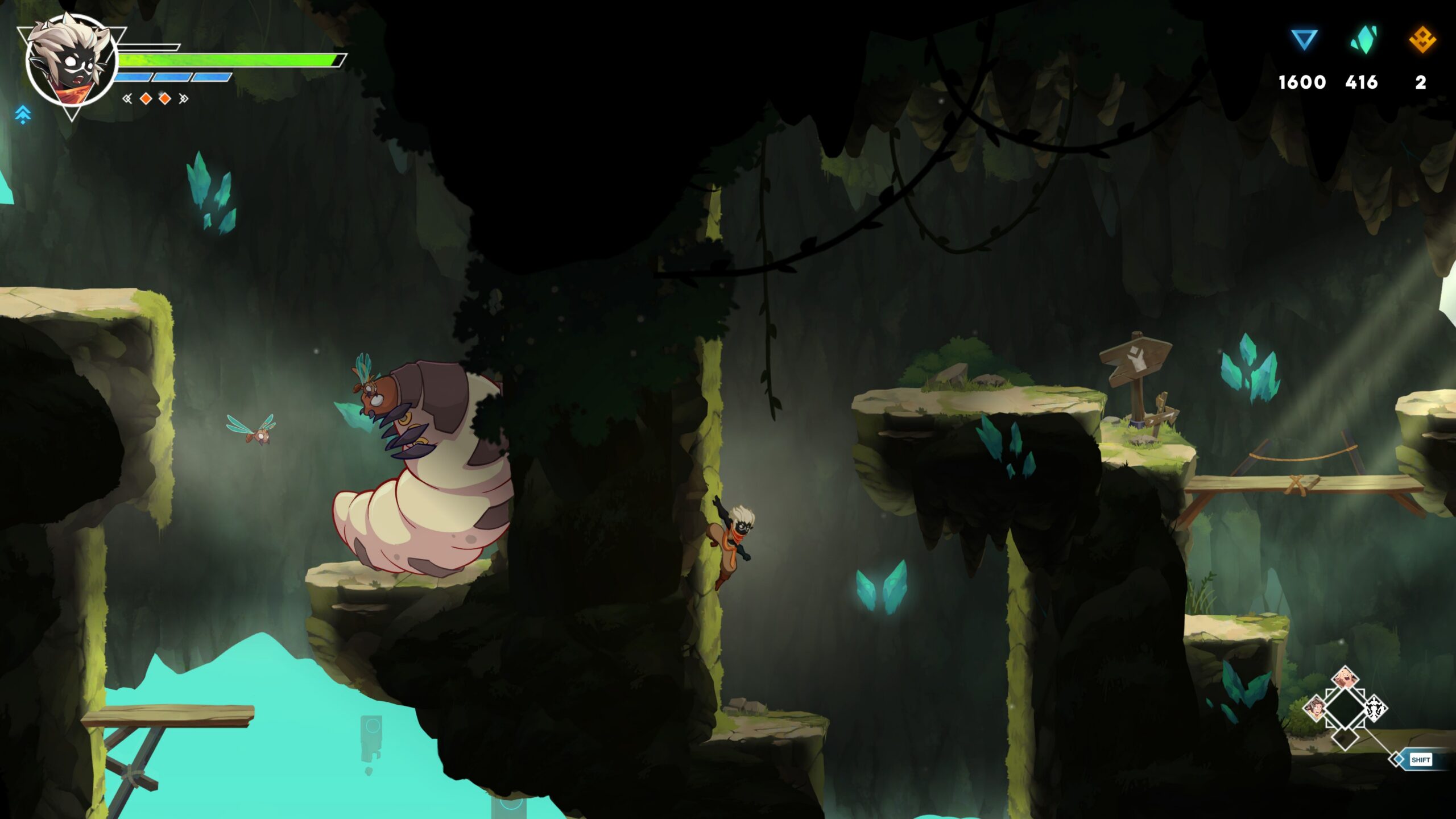
Fortunately, the mechanical depth carries over to movement and combat. As a proper Metroidvania, your moveset expands significantly through story progression, while the combat evolves as you meet different characters along your path. Once you unlock abilities like wall climbing and various Ascensions, the movement feels much more modern and dynamic, though it requires some patience to get past the initial learning curve.
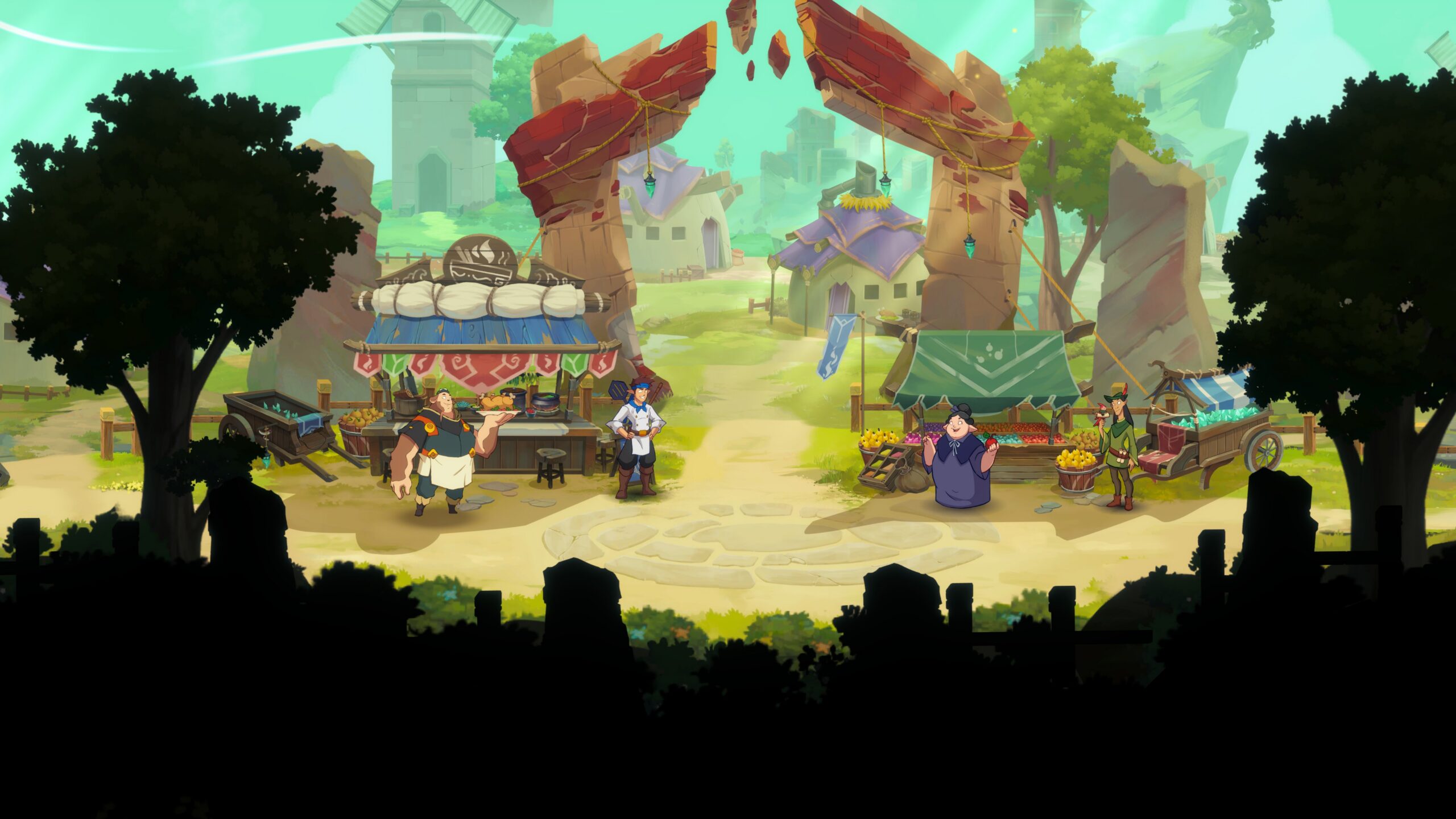
Notably, your companions don’t walk beside you constantly; instead, they are summoned via button combinations to perform powerful skills with specific cooldowns. Beyond active attacks, they provide passive boosts and Trust Points for your Ascension upgrades. Interacting with them and calling upon them in battle also provide some of the game’s most lighthearted moments—like calling upon Bjorn the Chef, who hurls a hot frying pan into the ‘heat of battle’. Eventually, every ally you recruit joins you at the Temple of Oras, a towering central hub that reflects both your progress and these growing relationships.
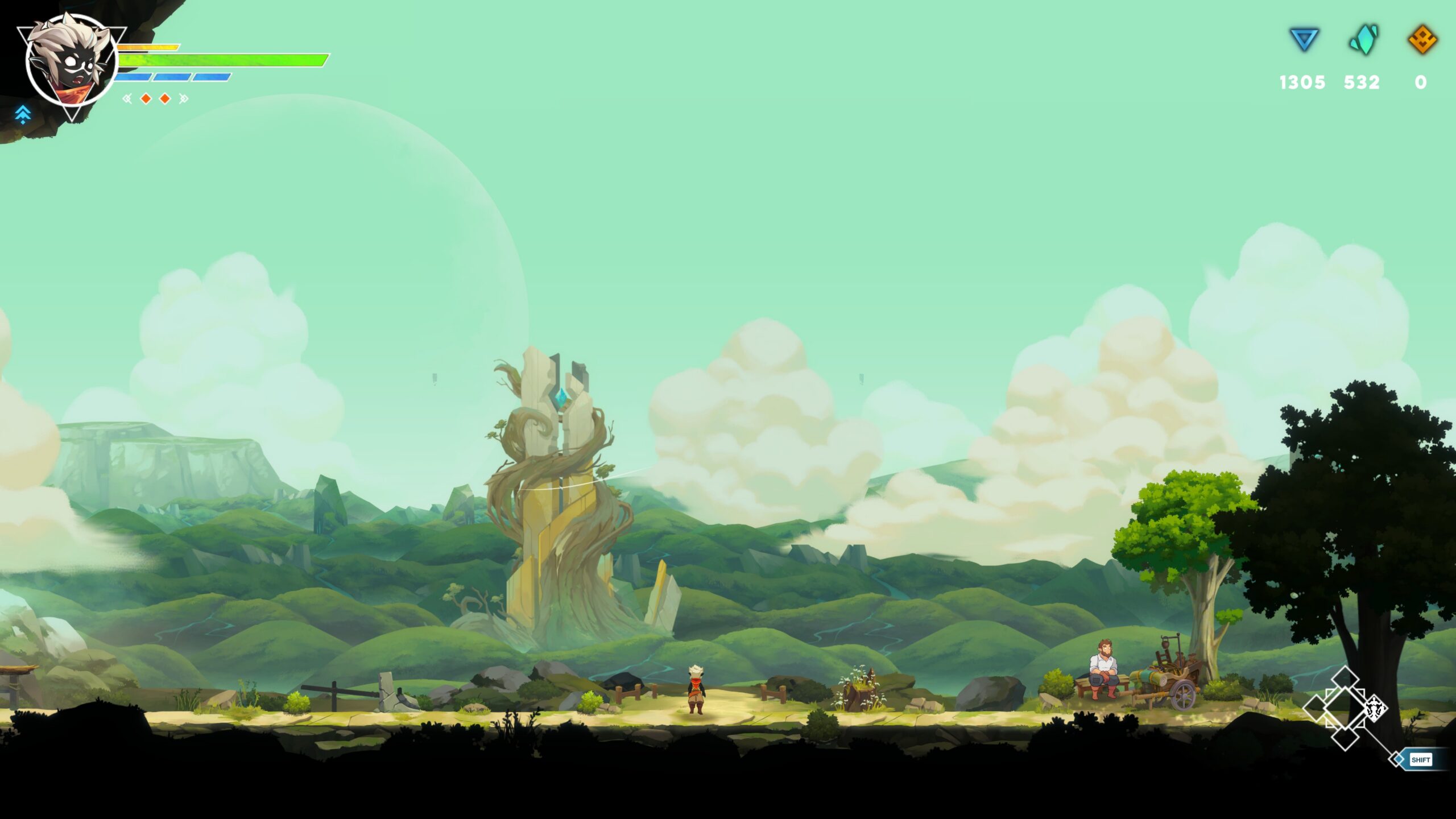
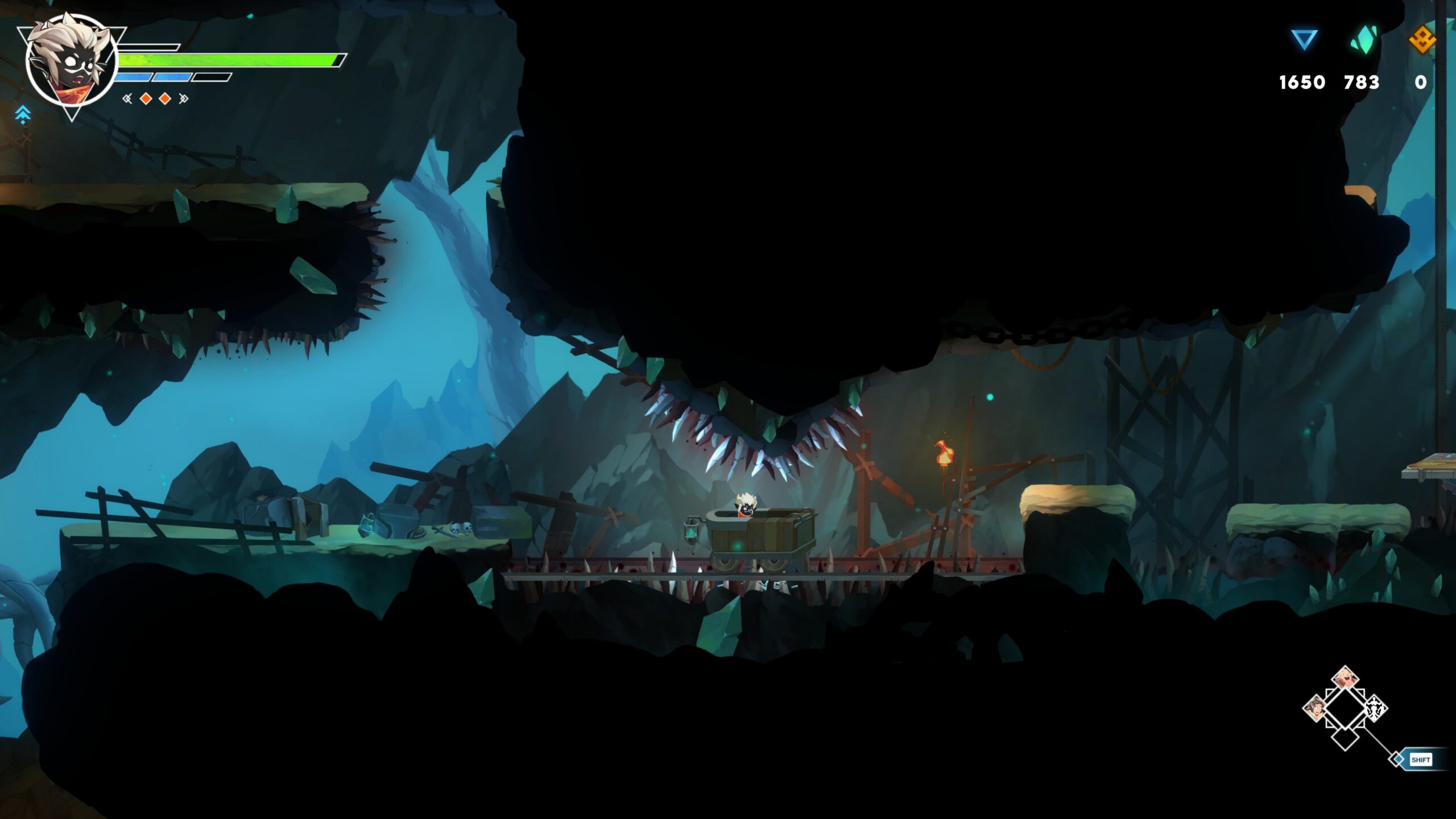
Being in Early Access, there are still some rough edges to smooth out, though. Occasionally, Hira’s sprint will hitch on uneven terrain, which looks a bit awkward. There is also a noticeable amount of NPC reuse; you’ll often run into “copy-pasted” characters with little to no variation in their design. The map also needs some love—the zoom controls currently act inverted, and while it’s great for checking explored paths, it lacks the fine detail needed for a world this beautiful.
Preliminary Thoughts
All in all, Fallen Tear: The Ascension is a solid and expansive Metroidvania in the making. With its strong narrative drive, beautiful music, solid voice acting, and gorgeous, atmospheric hand-drawn animation, the game has all the right ingredients. The moveset build-up might be a bit slow, impacting the early combat experience, but there is plenty of time for polish. To conclude, moving into Early Access is a smart move for Winter Crew Studios to fine-tune this highly ambitious game.
Additional Information
Release Date: Mar 17, 2026 (Early Access)
Previewed On: PC. Download code provided by the publisher and PR agency.
Developer: Winter Crew Studios
Publisher: CMD Studios
Relevant links: Available on STEAM