 DaRmaZat
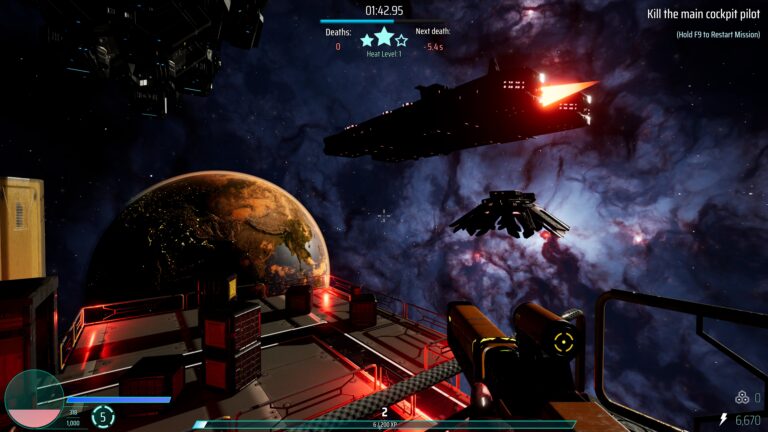
StarRupture is a first-person co-op survival and base-building game from Creepy Jar, set on the hostile planet Arcadia-7. Set to release in Early Access on January 6, with the price now revealed, the game revolves around resource extraction, industrial expansion, and staying alive long enough to meet corporate quotas on a world that is fundamentally trying to kill you. During the closed beta phase, we already took a closer look at the game’s building mechanics in a dedicated preview, which allows us this time to shift the focus toward exploring the planet Arcadia-7 and the dangers that come with it.
Automation Does Not Come By Itself
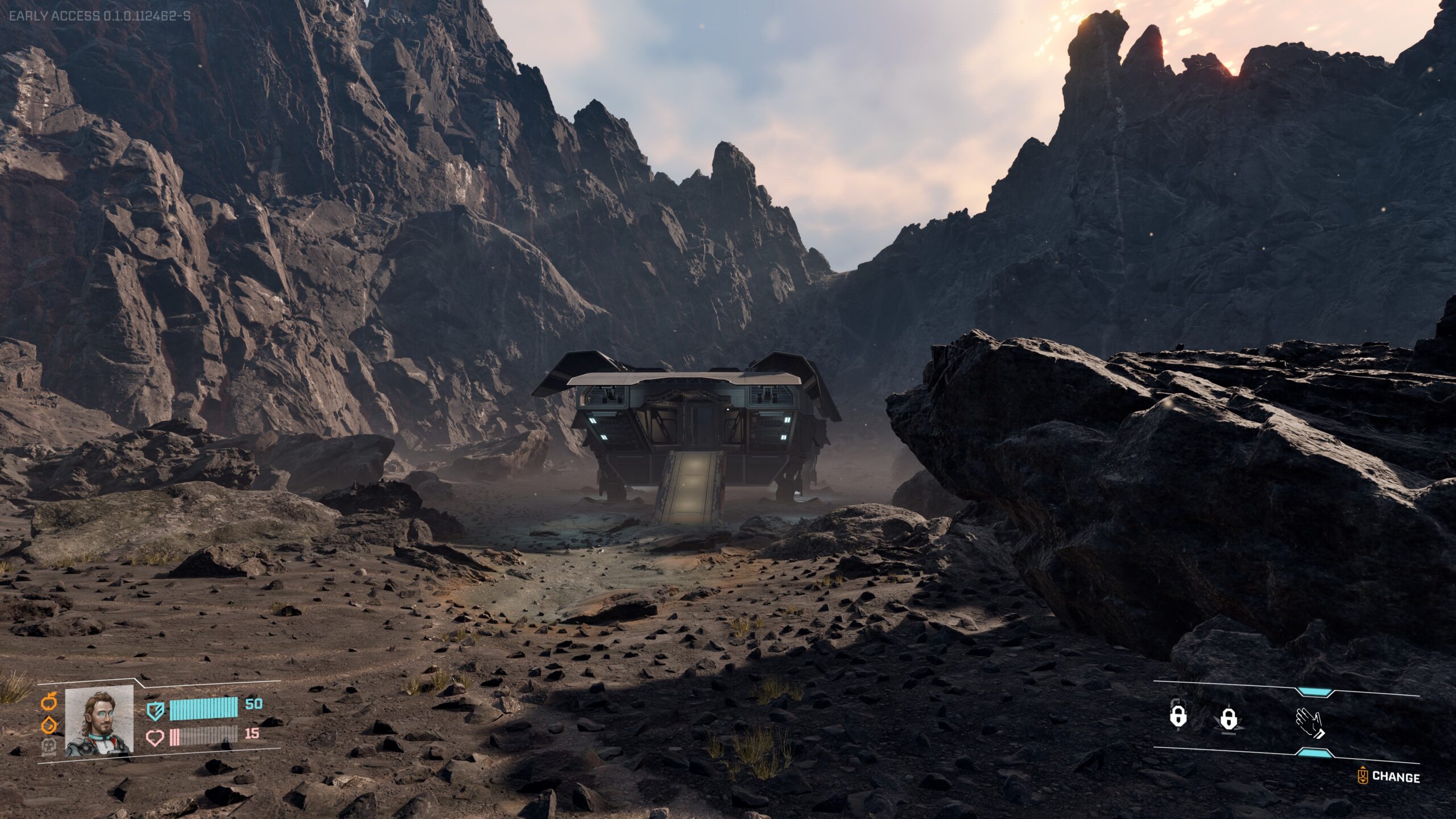
In StarRupture, you are sent to Arcadia-7 as part of the ARGOS program, a corporate initiative that frames forced labor as a path toward redemption, whether you step in as a scientist, biologist, engineer, or soldier. At this stage, however, it remains unclear what the exact gameplay differences between these classes are, even though the presence of skills and experience-based progression already suggests that each role will eventually offer distinct paths for character development and team synergy. Regardless of your exact role, your handler, the AI known as GAL, keeps things strictly professional, constantly reminding you that productivity matters more than comfort or safety. Even though the planet itself offers little narrative exposition, the premise is clear enough: extract what Claywood Corporation wants, survive the environment, and maybe earn your way out.
At the heart of every operational construction site sits the Base Core. It supplies energy, protects nearby structures from solar radiation, and dictates how far your base can safely expand. Power management is strict, with solar panels providing energy on the condition that every structure is physically and correctly connected through platforms or rail systems. These rails later become automated transport lines, moving materials across your base and toward the Orbital Cargo Launcher.
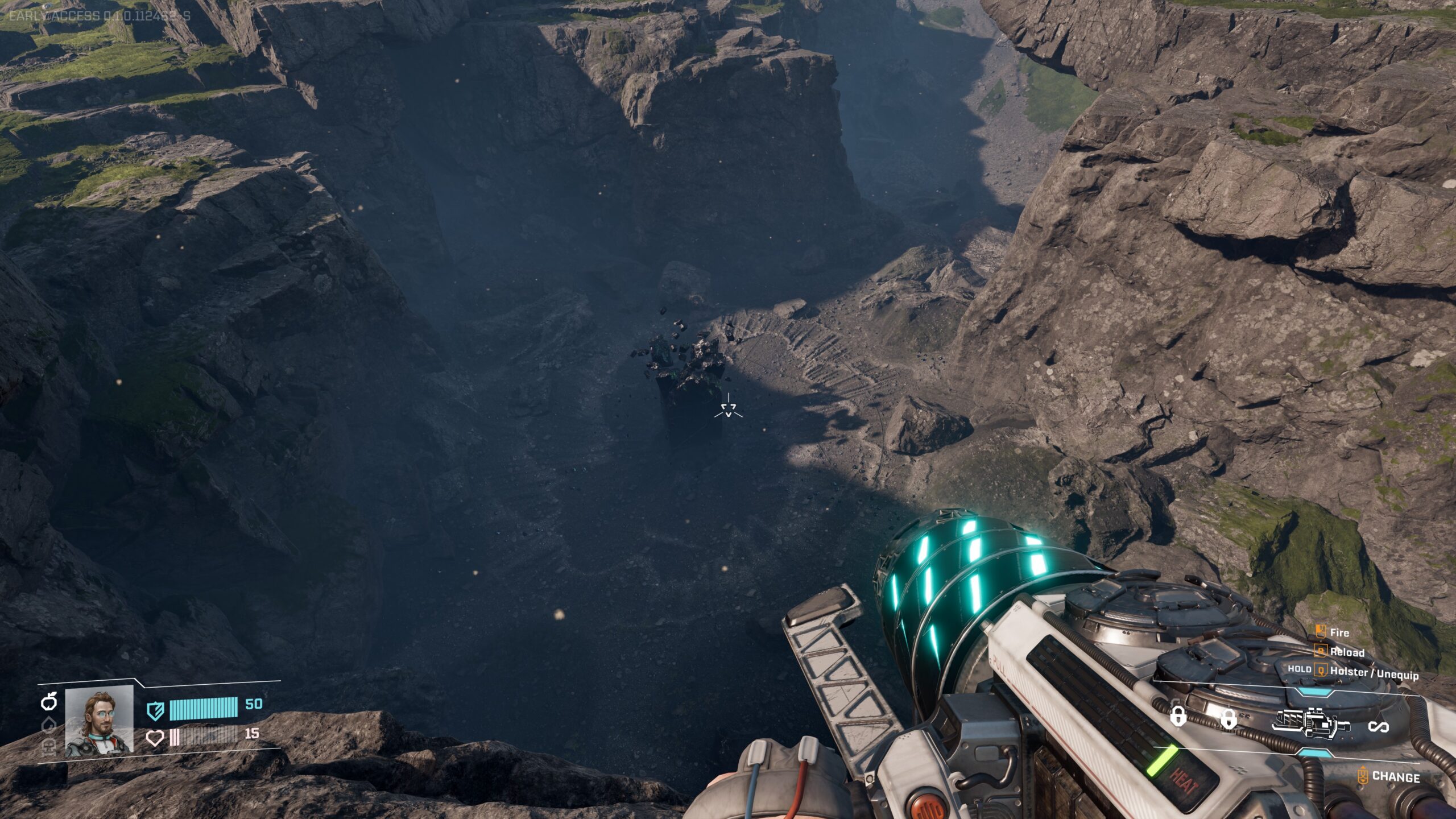
Early on, I spent most of my time harvesting meteor fragments using the Harvester tool, which temporarily boosts movement speed before overheating and forcing a cooldown. Resources like Titanium and Wolfram form the backbone of early construction, but many other required resource types quickly enter the equation, gradually feeding your base into a full-blown industrial chain. By sending resources back to Earth, you fulfill contracts and unlock new ranks through the Corporate Terminal inside your Habitat. This space functions as both an upgrade hub and a temporary safe zone, though safety always feels fragile. True, automation is key, but it comes gradually, and at this stage the game still demands a lot of manual labor before systems truly start working for you instead of the other way around.
Hostile Life and Constant Pressure
Exploration remains important despite the risks. With a map available, the Geo Scanner helps locate points of interest, including crashed drones that often contain valuable components. These trips regularly reward you with both resources and a sharper understanding of how dangerous the planet truly is.
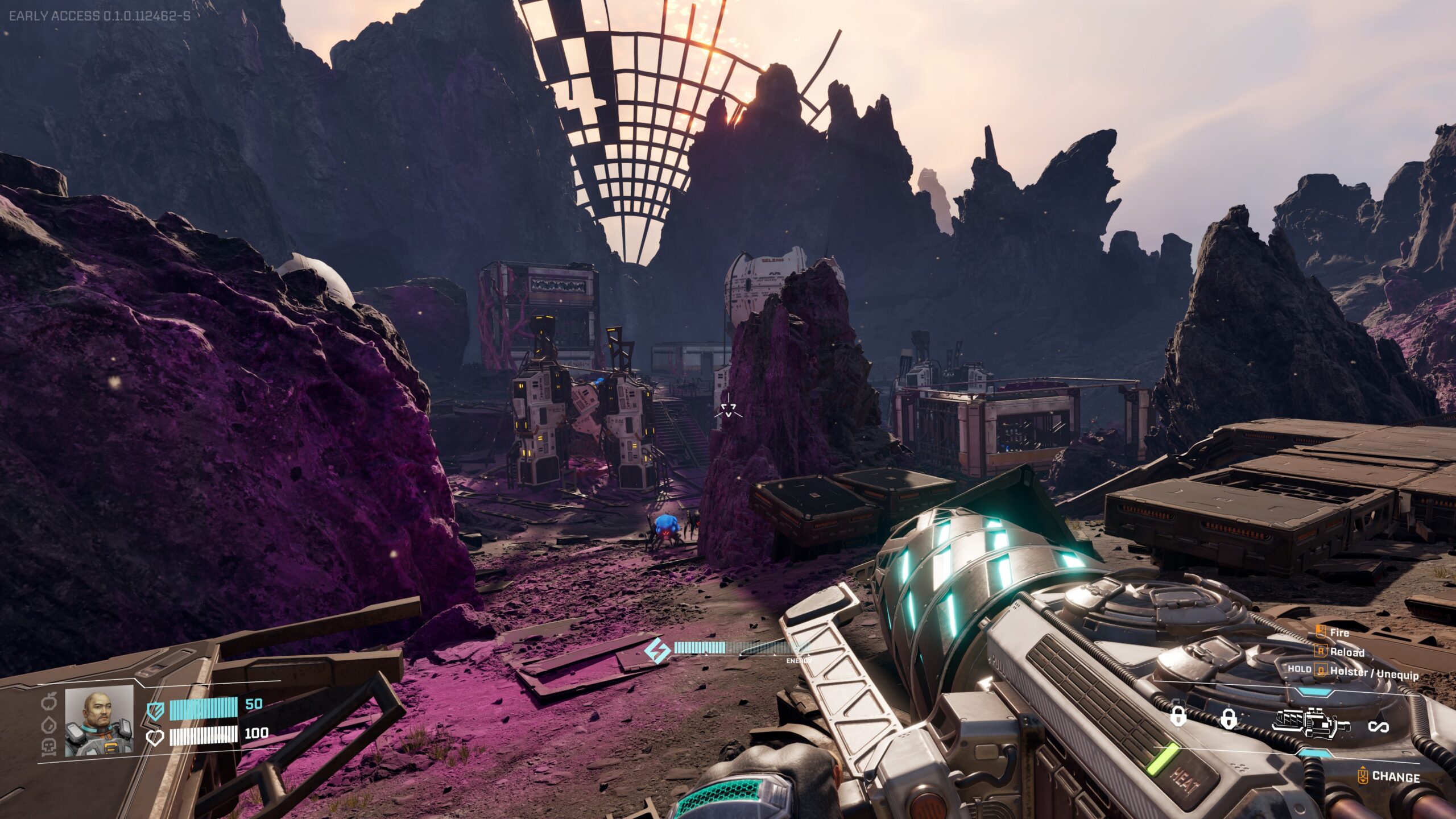
Beyond construction and exploration, basic survival systems constantly demand attention as well, with hunger and hydration requiring careful management through resource gathering, while discovering what is safe to consume becomes part of the learning curve. Combat, meanwhile, mainly revolves around repelling the omnipresent, aggressive alien species known as Vermin. These creatures are manageable one-on-one, but they rarely attack alone. Once they spot you, they tend to chase relentlessly, forcing constant movement and situational awareness. Standing still is rarely an option.
Every time you die, you respawn from the last activated Regeneration Chamber, initially located inside your Orbital Lander. Additional chambers can be activated later, allowing some control over where you re-enter the world, but even this mechanic reinforces how disposable your presence on Arcadia-7 really is.
A Planet That Is Not Yours, Shaped by a Violent Star
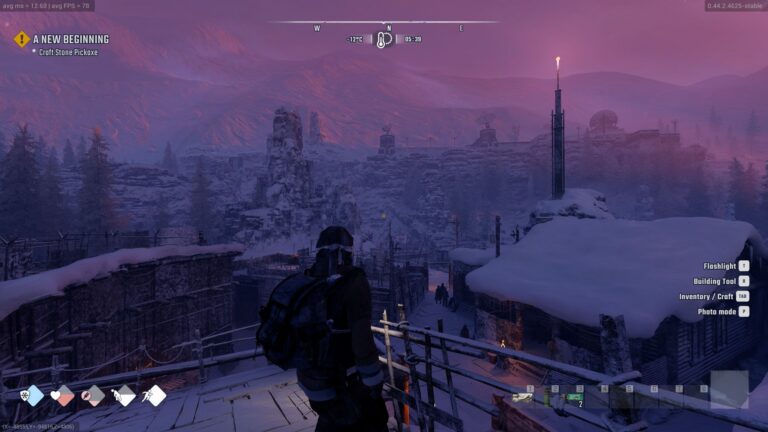
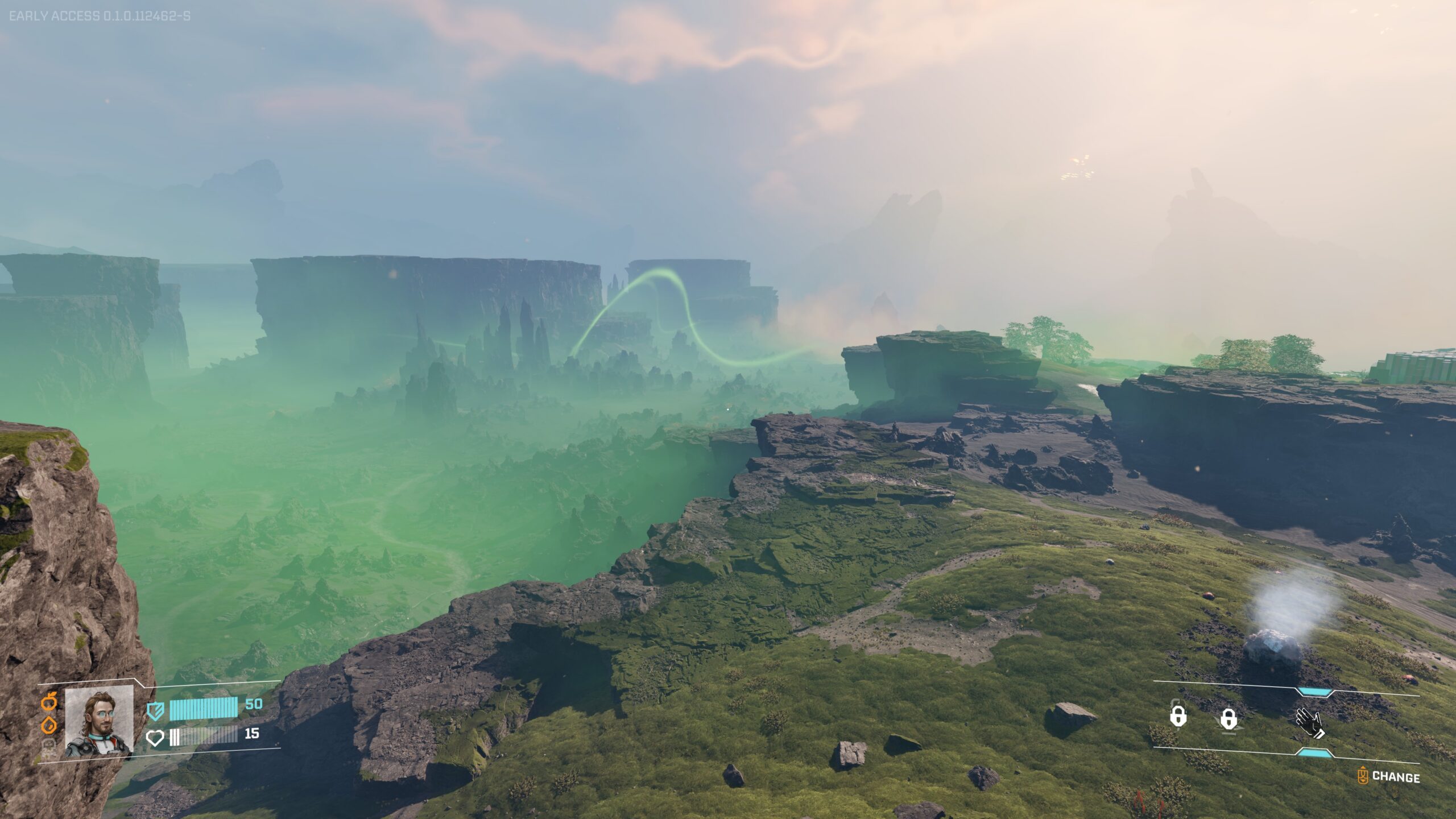
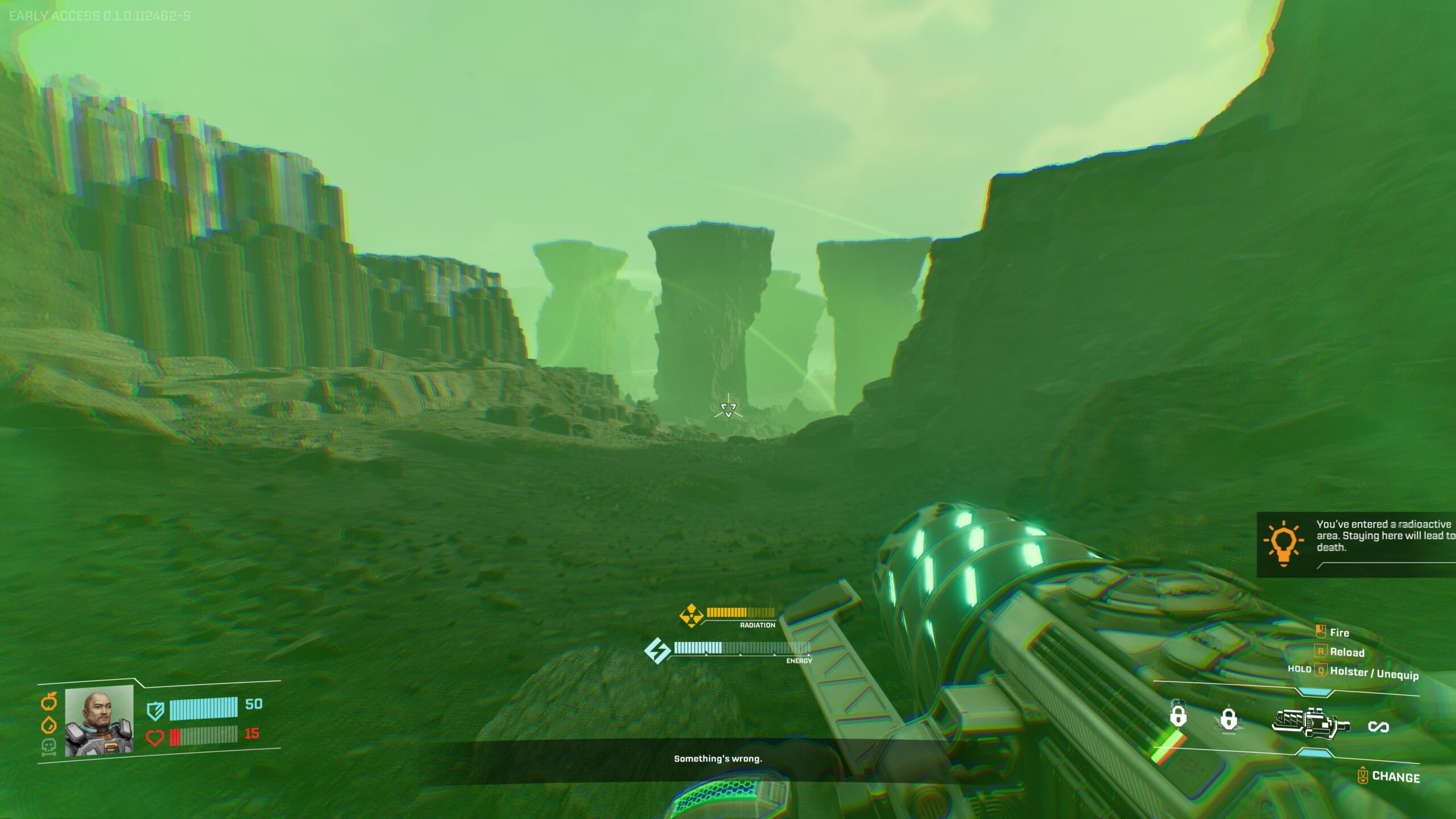
Meanwhile, supported by its atmospheric soundscape, the game constantly reminds you that Arcadia-7 is beautiful, but never welcoming. While its landscapes are generally dry and barren, they are punctuated by striking lakes and mountain chains, with fractured rock formations scattered between misty, toxic curtains that carve elegant green lines into the skyline and higher atmosphere. It often looks inviting from a distance, but that beauty is deceptive. You cannot simply wander wherever you please. Large portions of the map are lethally radioactive, and stepping into these zones without proper preparation will kill you within seconds. Exploration is therefore always conditional, driven by caution, planning, and available equipment.
On top of that, the cyclic eruptions of the star Ruptura turn survival into a timed decision, forcing you to either retreat to a functional, tech-driven base or hastily construct a new shelter elsewhere before a planet-wide wall of fire sweeps across Arcadia-7, reducing everything outside to ash. At first, these recurring cataclysms can feel highly disruptive, but over time they reveal themselves as a systemic reset that reshapes the world—altering resources, opening previously inaccessible areas, and forcing the ecosystem itself to start over.
Preliminary Thoughts
In its Early Access state, StarRupture already shows a clear identity. This is not a fast-paced survival sandbox, but a methodical, co-op-focused builder that values planning, automation, and environmental awareness. The early hours can feel demanding, especially before systems fully open up, but the underlying structure is promising.
There is still room to grow—combat depth, enemy variety, and how long-term co-op dynamics will ultimately shape up all feel like areas that will define the game’s future—but the foundation here is compelling. As Early Access continues, I am genuinely curious to see how Creepy Jar expands this harsh ecosystem and whether its industrial survival loop—alone or with friends—can sustain itself over the long run.
Additional Information
Release Date: Jan 6, 2026 (Early Access)
Previewed On: PC. Download code provided by the developer and publisher.
Developer: Creepy Jar
Publisher: Creepy Jar
Website: https://www.starrupture-game.com
Relevant Links: StarRupture on STEAM