 DaRmaZat
Every so often, a game arrives that feels truly different—carefully crafted, with a compelling story driven by vision, featuring an excellent voice cast, and built to leave a lasting impression. A game that’s hard to put down once you start it. Arctic Awakening is one of those rare experiences.
From Survival to Creeping Paranoia
Developed and published by GoldFire Studios, Arctic Awakening arrives on September 18 as a bold, story-driven adventure set against the relentless backdrop of the Arctic North. Spanning five episodic chapters, it fuses emotional intimacy with paranoia, threading survival, mystery, and human connection into something unforgettable.
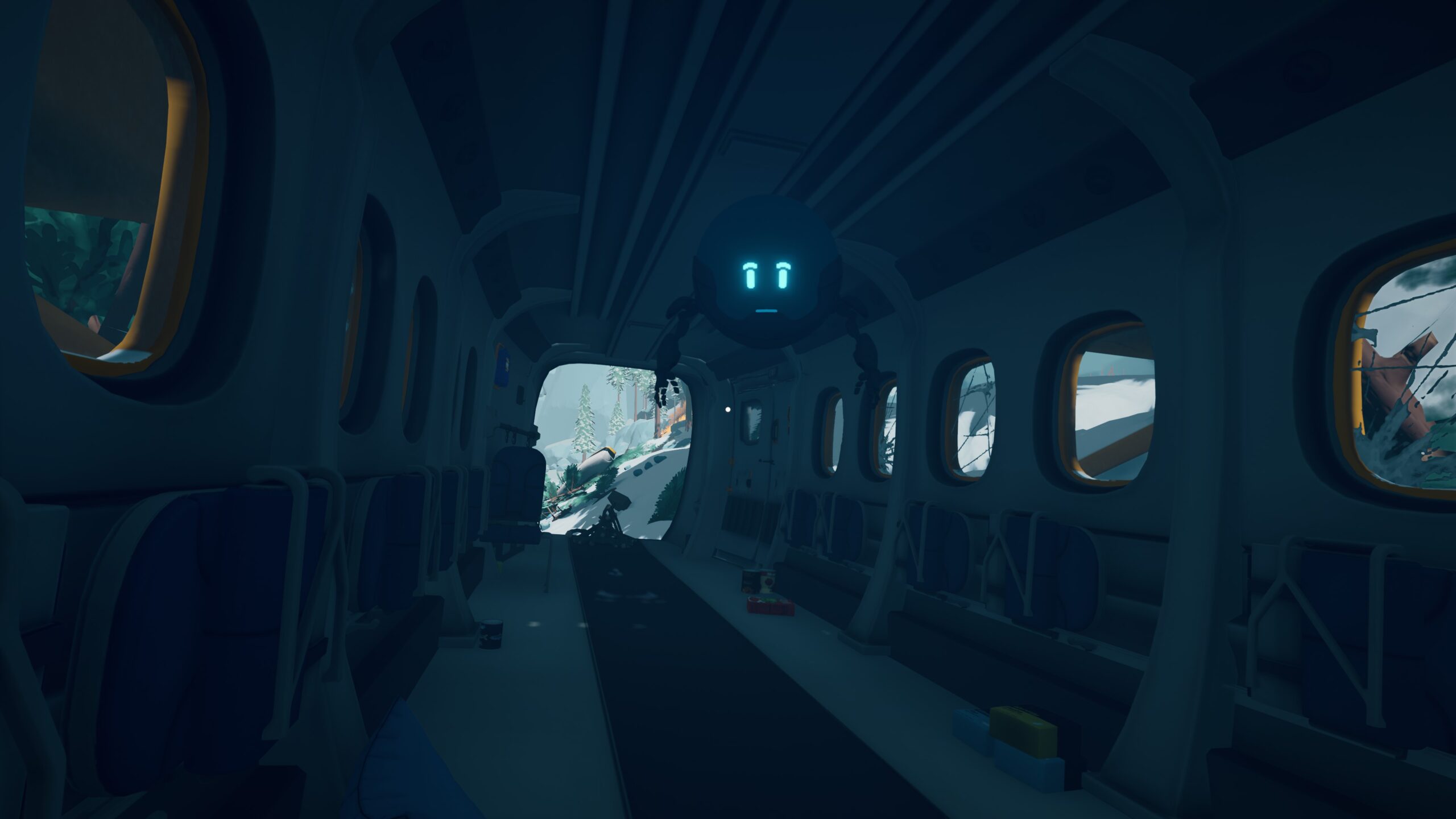
You play as Kai Akana, a pilot whose routine supply mission goes catastrophically wrong when a storm tears his plane in half. His co-pilot Donovan bails with a parachute, but through the wrist radio you learn he’s injured and stranded far from the crash site—unable to return—leaving Kai alone with the wreckage, the icy wilderness, and a so-called therapy bot named Alfie. As you and Alfie start noticing strange phenomena at night—and uncover even more unsettling sights during the daytime while searching for Donovan—the tone shifts. Soon, what begins as a survival ordeal, quickly spirals into a mystery that blends Firewatch’s intimacy with The Thing’s creeping paranoia.
Cold Companionship
But that doesn’t mean survival takes a back seat in Arctic Awakening. On the contrary, from the very first moments, the game frames survival as something deeply human: food, warmth, and sanity. Kai isn’t the easiest protagonist to like—he’s bitter, frustrated, and quick to complain—but over time the unfolding events begin to soften him, peeling back the scars of his military past and the weight of personal baggage. His strained banter with Alfie is central, shifting between comic relief, nagging annoyance, and moments of genuine emotional depth. Donovan’s absence weighs heavily, transforming every clue of his fate into a spark of hope.
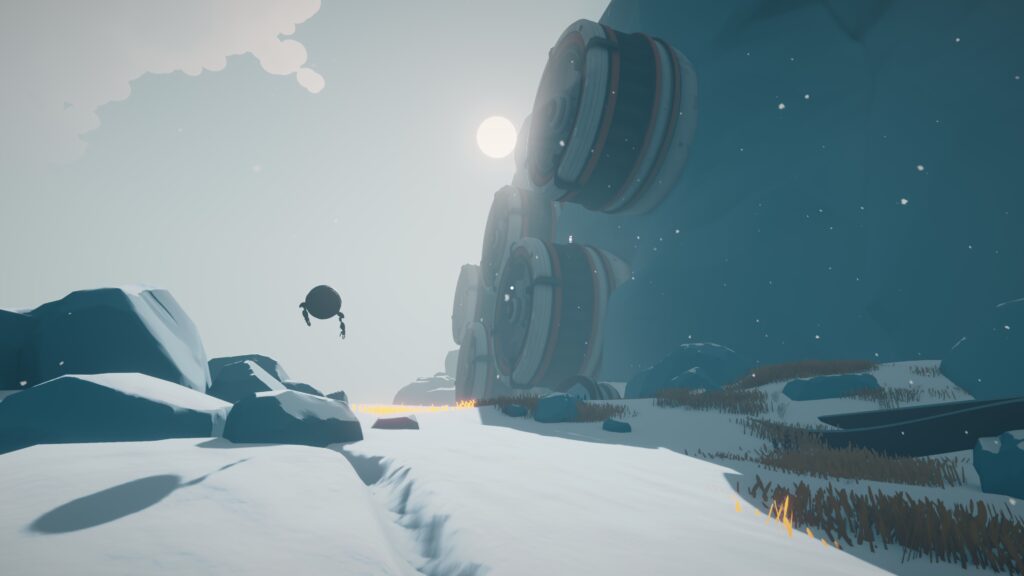
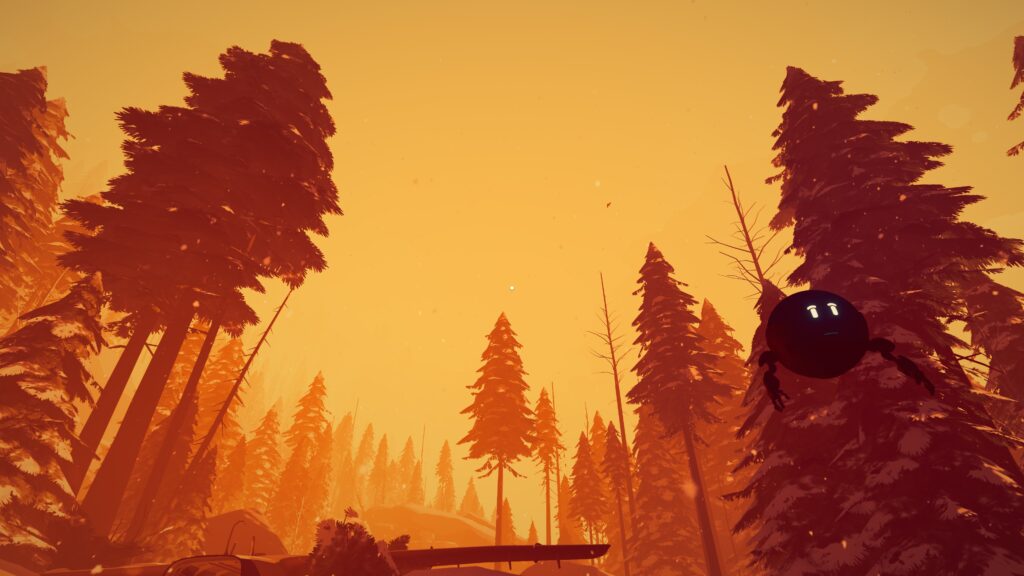
Meanwhile, the Alaskan setting gradually expands from simple snowfields to forests, abandoned power plants, and even mysterious structures. The further you go, the clearer it becomes you’re not alone: other drones circle the skies, shadows move in the trees, and unsettling anomalies ripple through the landscape. No other humans are around, wildlife nearly nonexistent, yet hints of something larger—and perhaps more sinister—build tension at every step. It’s an eerie world where silence itself feels like a character—sometimes a bit too omnipresent, as certain moments could really benefit from a musical backdrop instead of just the sounds of Alfie flying and your footsteps crunching in the snow.
Walking the Narrow Path
Kai’s choices shape his relationships with Alfie and Donovan and occasionally influence the narrative. Most conversations offer four responses: stay silent, agree, take an aggressive tone, or respond constructively. These branching paths lend weight to every interaction, though many choices feel cosmetic until late-game decisions carry real consequences. Still, they make you feel fully immersed in the situation in a realistic, gripping way.
Also, while you can collect nearly everything in the environment—wood, food, water, and dozens of other objects—very few actually influence the story, with only certain nearby items proving relevant. The inventory, oddly hidden in the pause menu, feels a bit underdeveloped. Only certain non-nutritive items can be used, and the system handles them automatically regardless.
“You feel fully immersed in the situation in a realistic, gripping way.”
Instead of tough challenges, Arctic Awakening leans on small diversions—punching in codes, flipping switches, or hunting down a keycard—to slow the pace. These moments rarely push your problem-solving skills and act more like breathers between stretches of exploration, supporting the narrative. Along the way, cairns offer a chance to pause before one of Kai’s panic attacks has the chance to set in. Sitting down triggers a short breathing exercise, where the screen narrows and button prompts help him stay calm. The mechanic can feel repetitive over time, but it still adds atmosphere—even if it occasionally disrupts the flow when it cuts into a conversation mid-scene.
Alfie is nearly always present, warning when you drift too far or guiding you toward the next step, which reinforces how tightly the game keeps you on track. The path forward often feels predetermined, with invisible walls or sudden snowstorms shutting down any sense of freedom. Holding the right button takes care of climbing or vaulting, and while it usually works smoothly, the camera can sometimes slip into tricky angles in tighter passages.
A Distinct, Uneasy World
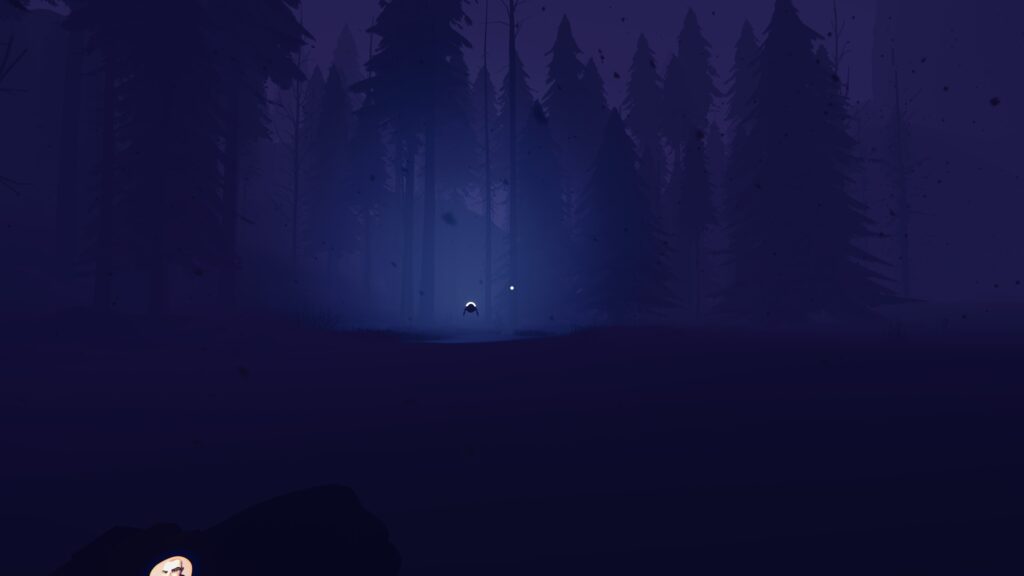
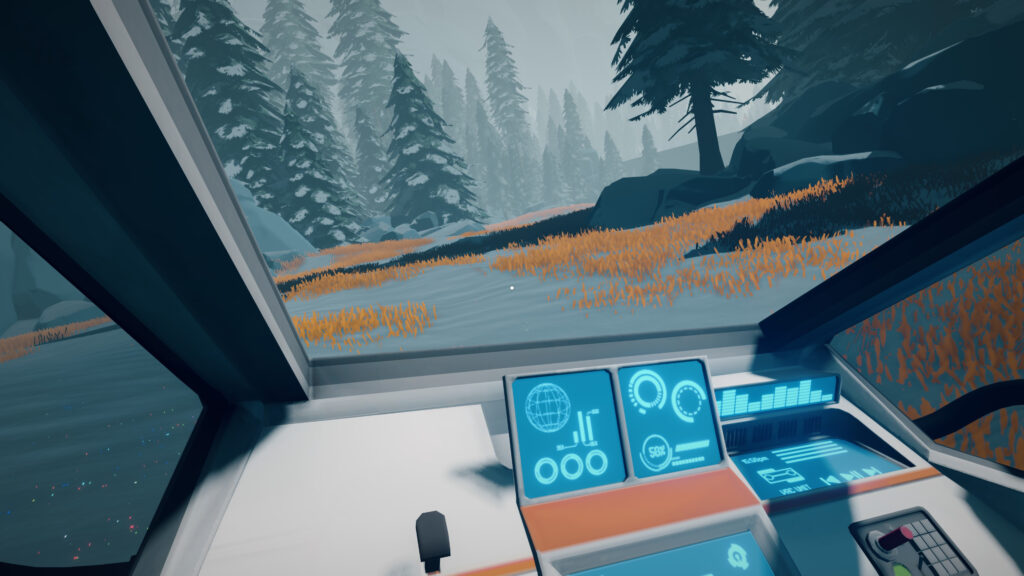
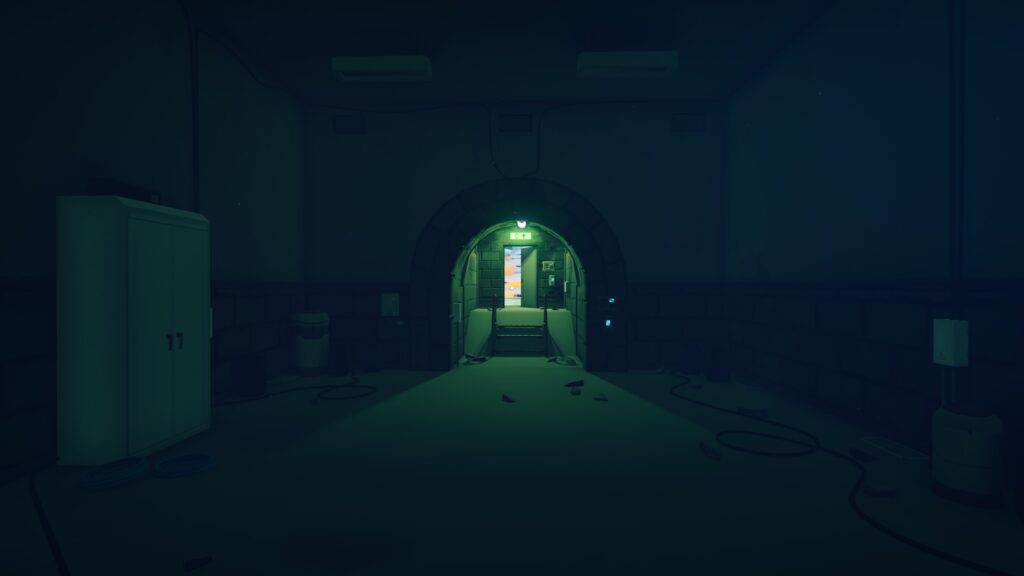
Visually, Arctic Awakening opts for a stylized, semi-cartoon look. Snowy forests, washed-out skies, and colossal sci-fi installations paint a haunting picture, often punctuated by dramatic lighting. True, the world often feels empty—barren landscapes without fauna—but this deliberate emptiness effectively heightens the isolation.
During my playthrough, I ran into a few glitches—missing ground, black spots in caves, objects clipping through windows, and the occasional scripted sequence that wouldn’t load until I backtracked—but luckily nothing was game-breaking.
In the Frozen Air, the Voices Shine
Before rounding up, we should cover Arctic Awakening’s sound design. Sometimes subtle, sometimes powerful, the music swells at key moments before retreating into silence. It’s true that some of the longer stretches, filled only with footsteps crunching in the snow and the wind whistling, can feel dull, but when the score kicks in, it heightens the sense of discovery and loneliness. Additionally, the voice acting—just look at the cast—remains world-class, consistently selling both the emotional weight and the believability of the story, while highlighting the tension in strained relationships. Alfie’s chirpy yet intrusive tone contrasts brilliantly with Kai’s cynicism, and Donovan’s occasional transmissions provide just the right relief.
“The voice acting—just look at the cast—remains world-class.”
Performance in Arctic Awakening is also mostly solid, if not perfect. On a high-end rig, certain areas stuttered when running at Ultra settings, but switching down to High immediately smoothed things out. I never encountered a crash, and the episodic format—combined with save files that can be duplicated easily—makes play sessions manageable and gives completionists the freedom to chase every achievement or ending.
Final Thoughts
Arctic Awakening is more a narrative journey than a survival sim, but it’s one of the best examples of the form in years. While light puzzles and filler mechanics occasionally slow the pace, the emotional core—Kai’s fractured humanity, Alfie’s persistence, Donovan’s disappearance, and the way it all comes together at the end—shines through. Each episode ramps up tension, building toward bigger revelations, conspiracy-laden cliffhangers, and multiple possible outcomes, keeping me glued to the screen until the final conclusion.
No, it’s not flawless, with pacing dips, occasional mechanical irritations, and minor technical hiccups. Yet the sheer force of the narrative, the strength of the performances, and the haunting beauty of the Arctic setting make it a standout experience. This is a rare game that blends blockbuster mystery with indie intimacy, and it never loses sight of its emotional center. For me, Arctic Awakening isn’t just a highlight of the year—it’s a genuine Game of the Year contender.
Additional Information
Release Date: Sep 18, 2025
Reviewed On: PC. Download code provided by the publisher and PR agency.
Developer: Goldfire Studios
Publisher: Goldfire Studios
Website: Arctic Awakening
Relevant links: Arctic Awakening on Steam