
 DaRmaZat
1666: Amsterdam’s first trailer during Summer Game Fest in June immediately caught everyone’s attention. Panache Digital Games showed off an impressive, Dutch Master-inspired medieval-gothic Amsterdam, sometimes dark and eerie, filled with black cats and a coven of witches flying on broomsticks and performing occult rituals. It looked uniquely strange, yet ambitious, and most importantly perfectly unsettling, almost like it was possessed by its own distinct identity. However, the free playable prologue released alongside that reveal also instantly served as a useful reality check: the right atmosphere was already there, but so were the rough edges. And with 1666: Amsterdam now available in Early Access, those same rough edges remain very much present. That is a shame, because the parts that work really hit the mark. Narratively and atmospherically, I find the game superb, yet the actual gameplay can feel confusing, punishing, and unnecessarily frustrating.
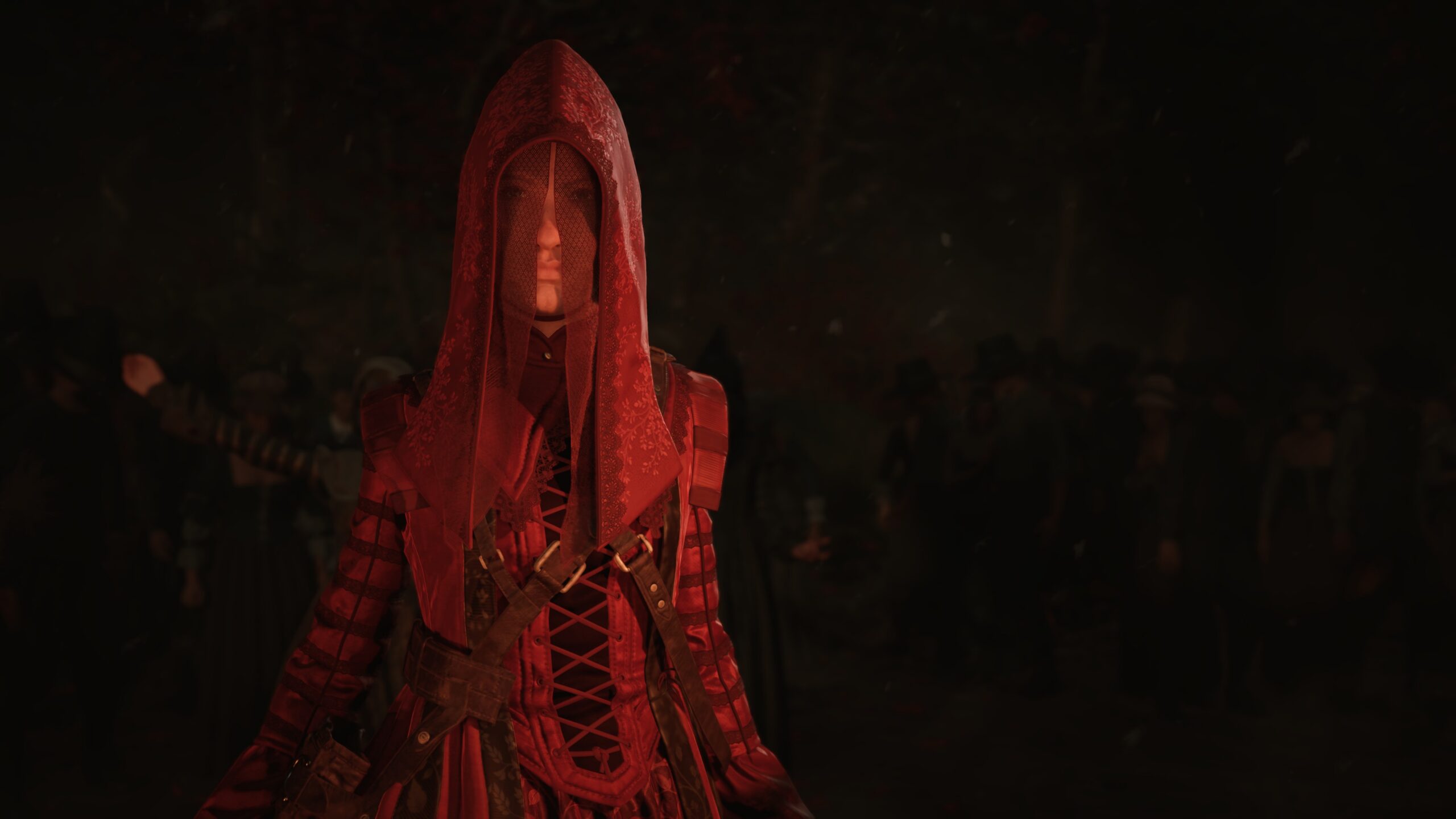
In 1666: Amsterdam, you put on the robes of Noa Brooklyn, also known as the Collector and a prominent member of the Zaindari cult. Her story begins in December 1665 with a ritual ceremony at night around a tree filled with black cats before transitioning into even more supernatural elements, but not before flashing forward and back with frequent subliminal flashes, as if you are dropped straight into an indie horror movie. The time jumps soon make it clear to you that the real main narrative actually unfolds in the present day.
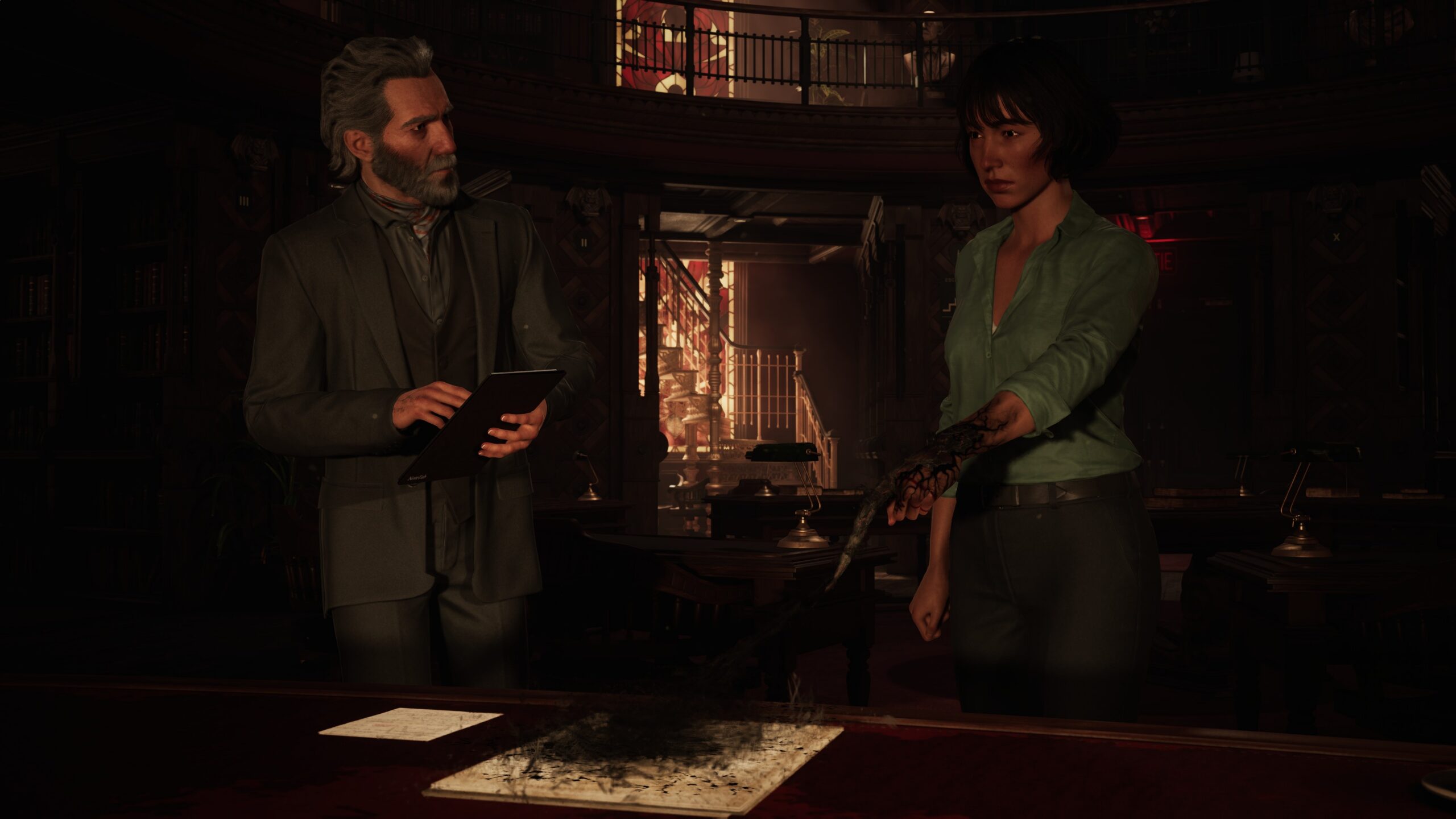
Inside a library, Professor Lucas and his assistant Clio attempt to decipher an ancient magical manuscript. Lucas knew Clio’s father Aaron, a brilliant man whose actual role in these occult events is preserved inside its pages. When Clio uses her pendant and blood to help decipher the manuscript, the story carries you back more than twenty years into the past. Through Aaron’s voice and account, his night in Amsterdam with his then-girlfriend Agnes at a hotel room during the ritual that led to him becoming the cat – and how he met Noa – are finally revealed.
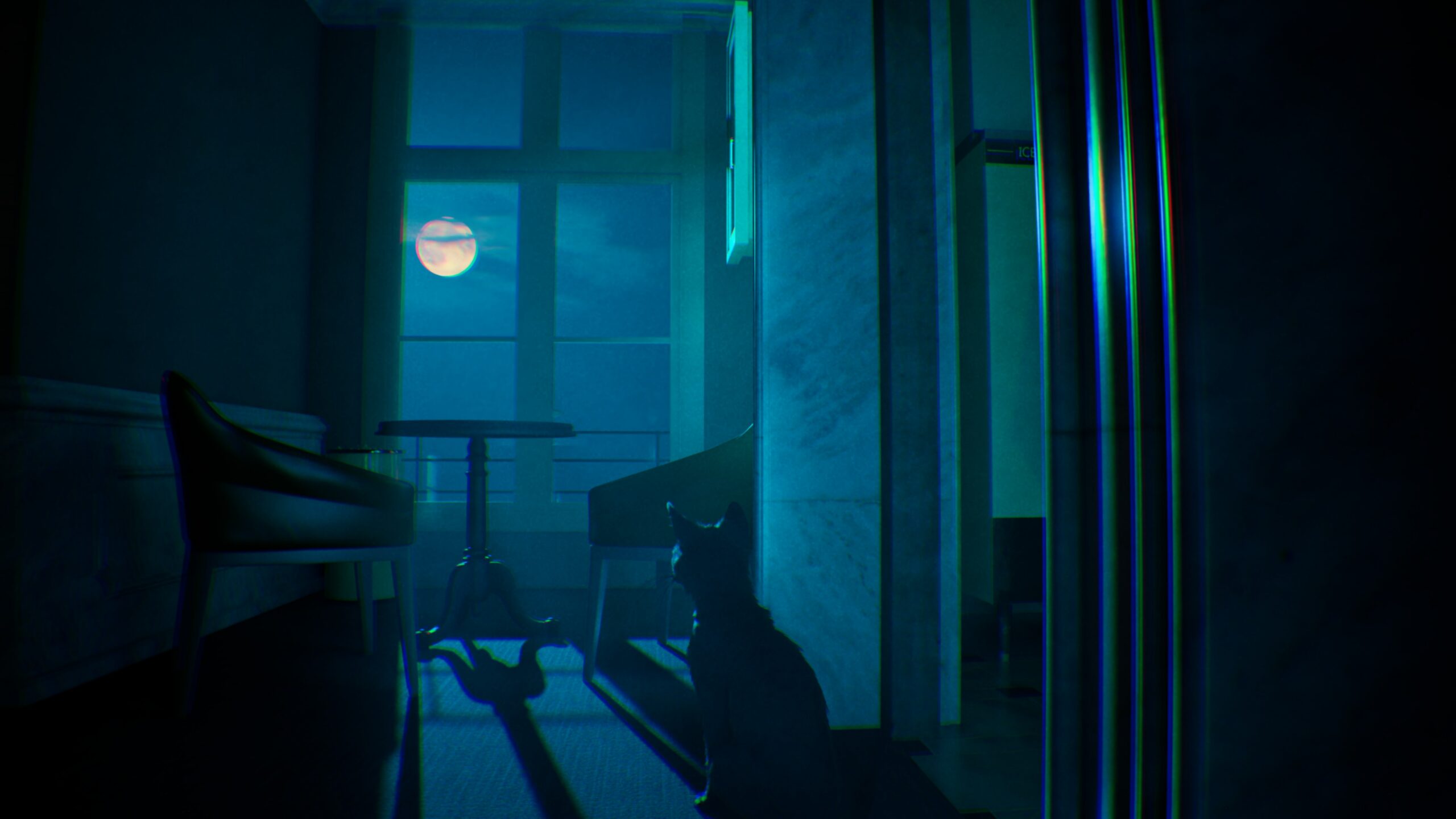
From there, you will be in control of Noa and just as often Aaron the cat in this first timeline of the game’s three: 1666, 1999, and the present day. Together, they fight in the 17th century against the Originals, a group of ancient entities hiding behind human faces, and together they must identify, mark, and eventually confront them during the Esbat – a full-moon ritual and combat phase where those supernatural entities reveal their true forms when the hunt reaches its climax.
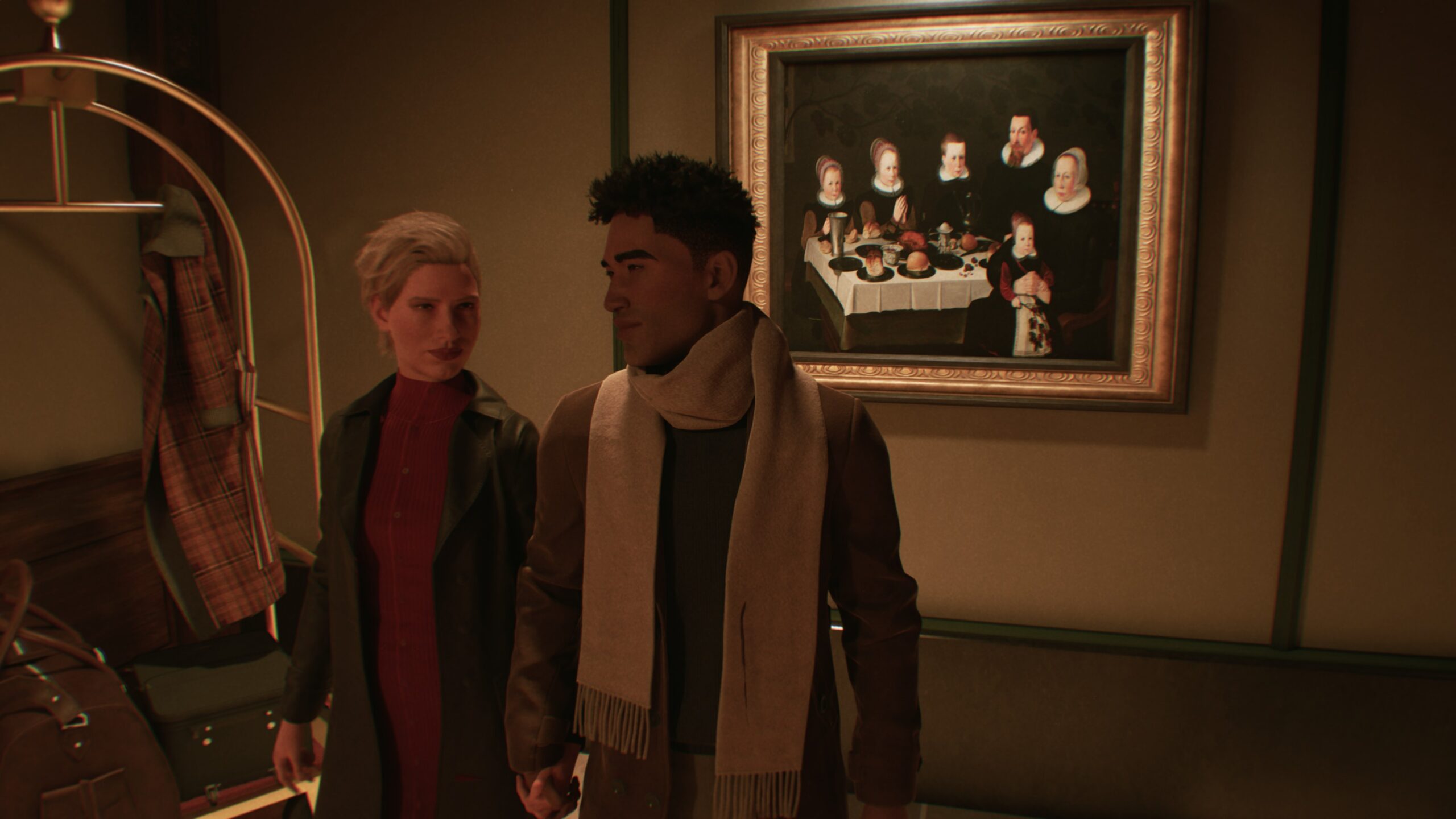
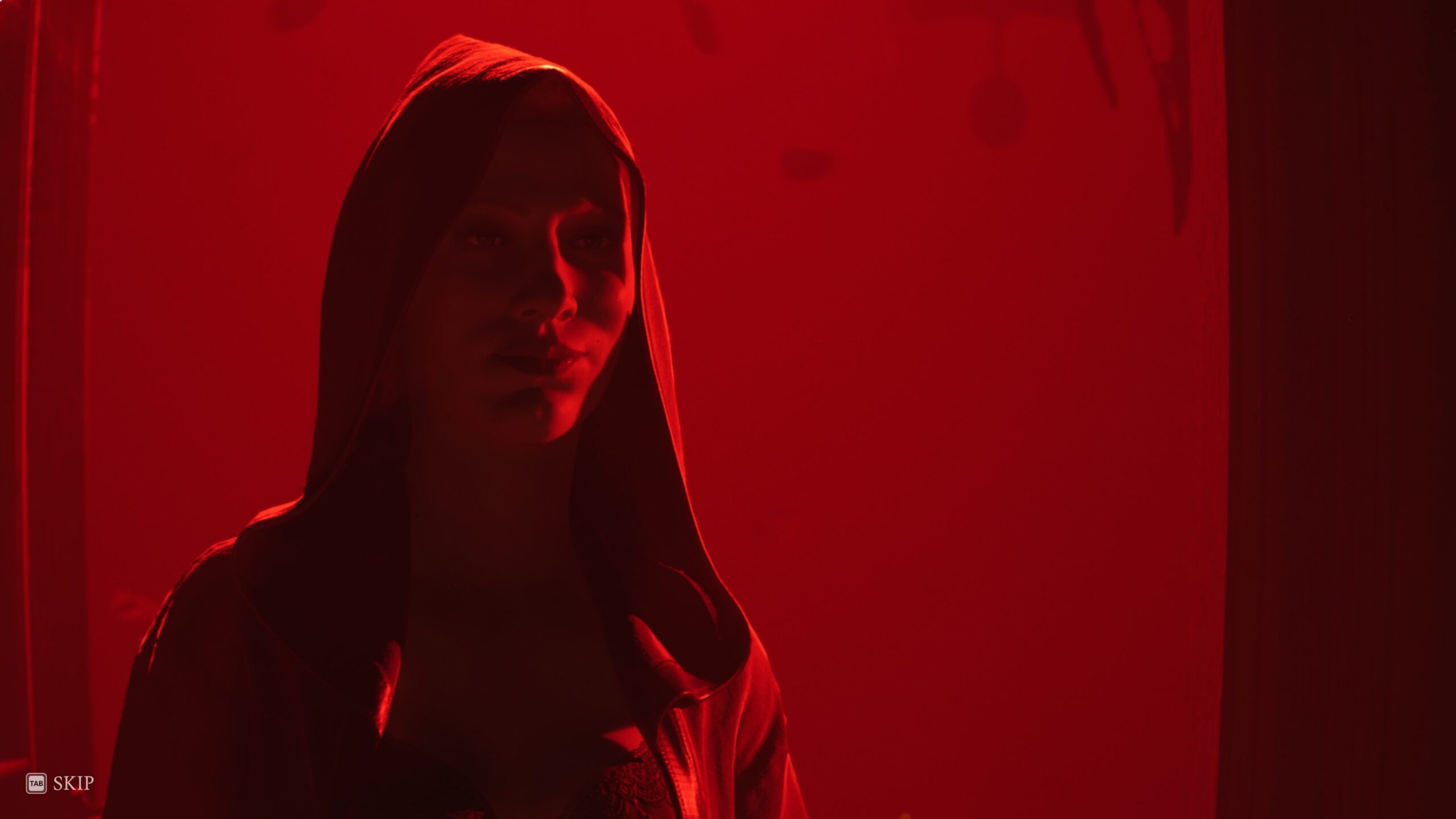
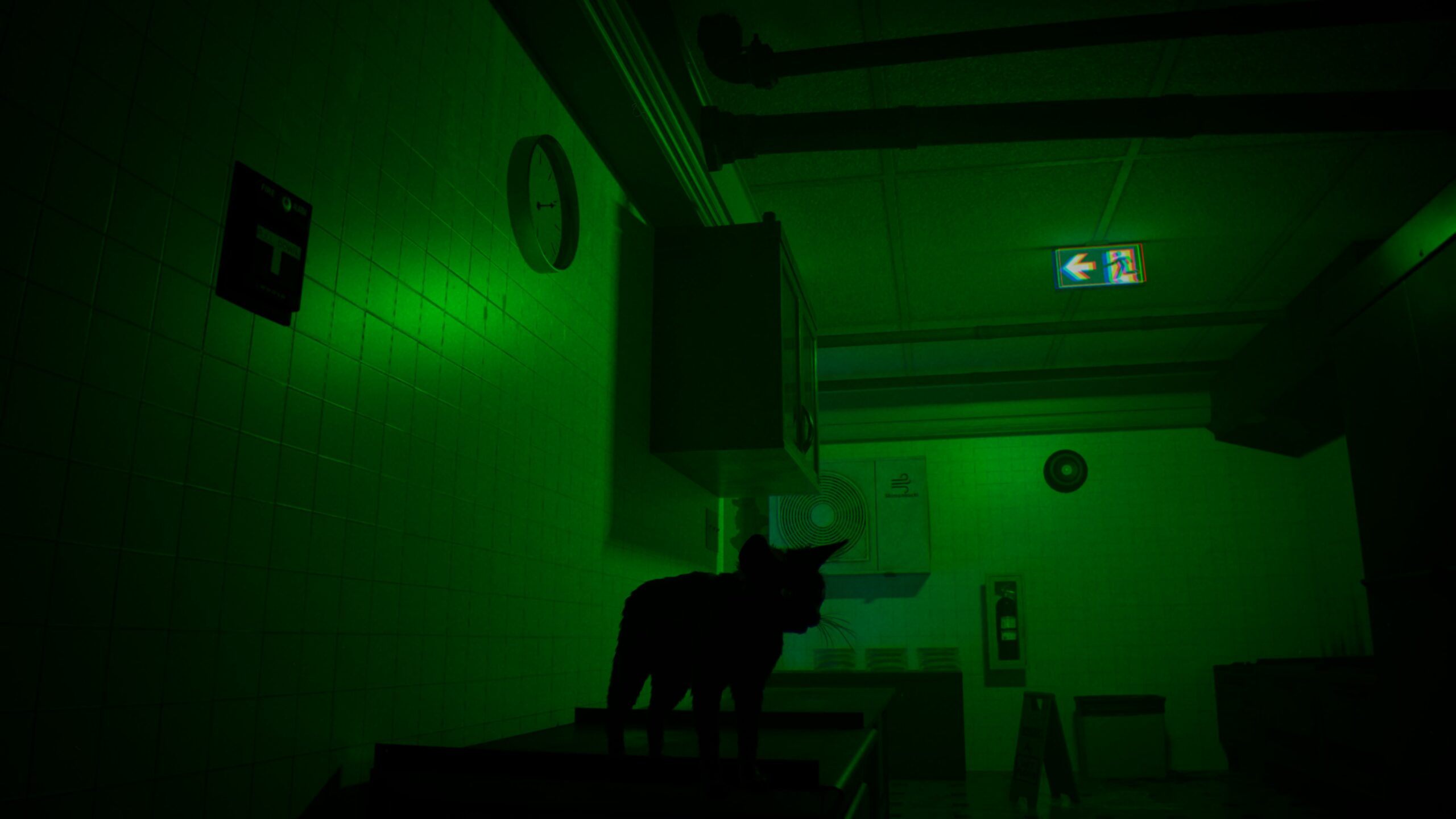
It is an unconventional, dark, and ethereal setup that is right up my alley. The shifts between witch and cat grant the story a multi-perspective depth, and that comes with many possibilities. At the same time, the early game leans heavily on investigation, regardless of whether you are the cat or a person: you map locations against the environment, scan people and objects, and by using the Concentrate/Analyze mechanic you uncover clues for your objectives. You also need to track the so-called Life Echoes to gather the energy required for the witch’s spells. It does occasionally turn overly cryptic, as the game expects you to deduce solutions yourself with subtle hints that leave you wondering whether you are solving a puzzle or simply missing a trigger. Still, the story and setting remain easily among my favorite aspects of the experience.
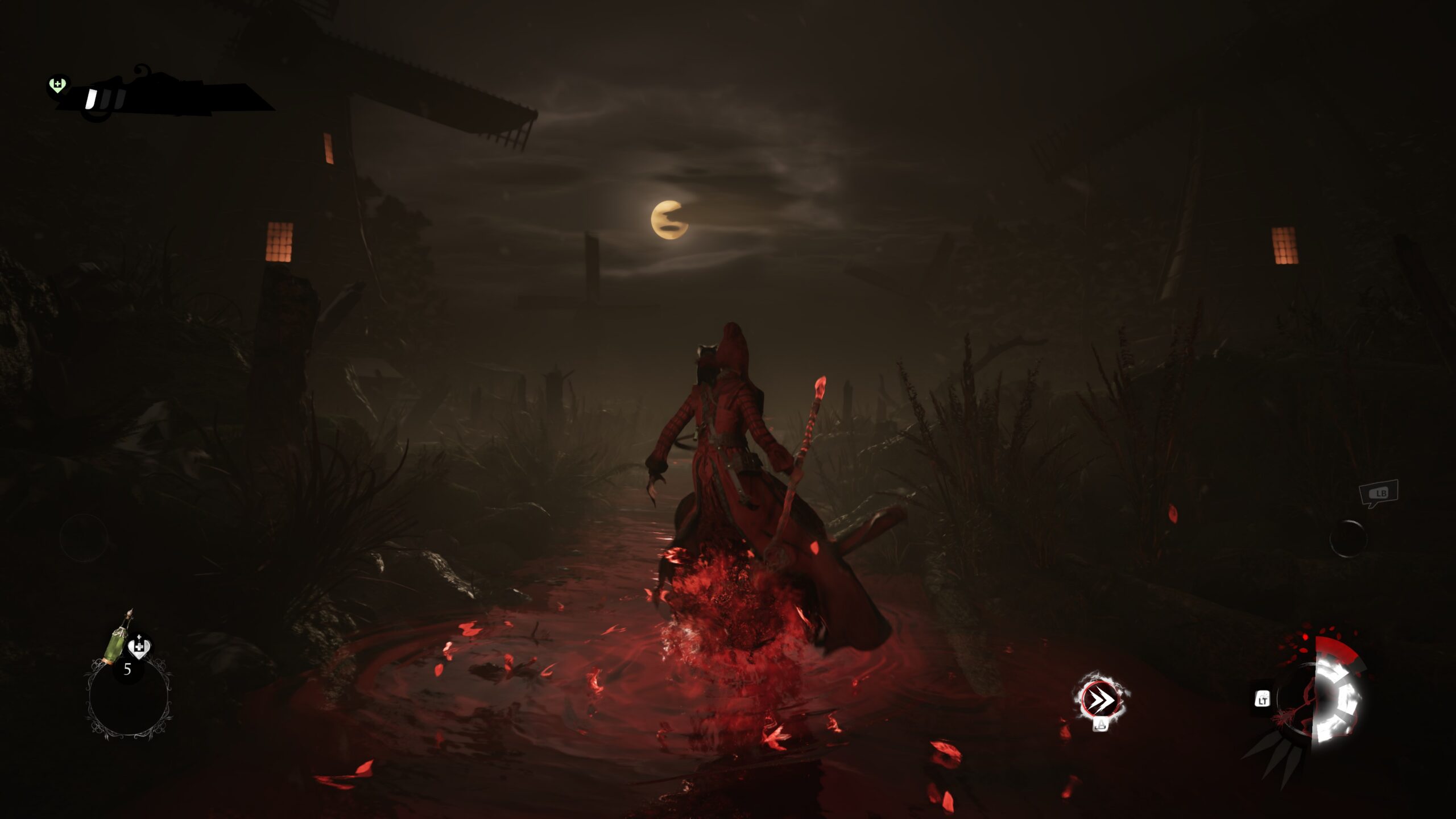
The core loop not only revolves around investigation, but also combines witchcraft with real-time combat. Noa’s magic revolves partly around energy called LUX, where collecting shards of it provides the necessary energy to enchant objects, often symbolically marked in red. Gathering enough energy allows objects to be ignited or spells to be cast, each coming with a dedicated button press and timing-based releases that determine their effectiveness. Mastering the timing lets you cast a perfect spell while also helping recover shard energy. There is also potion-making, though this system feels fairly basic at present and could benefit from a deeper crafting mechanic.
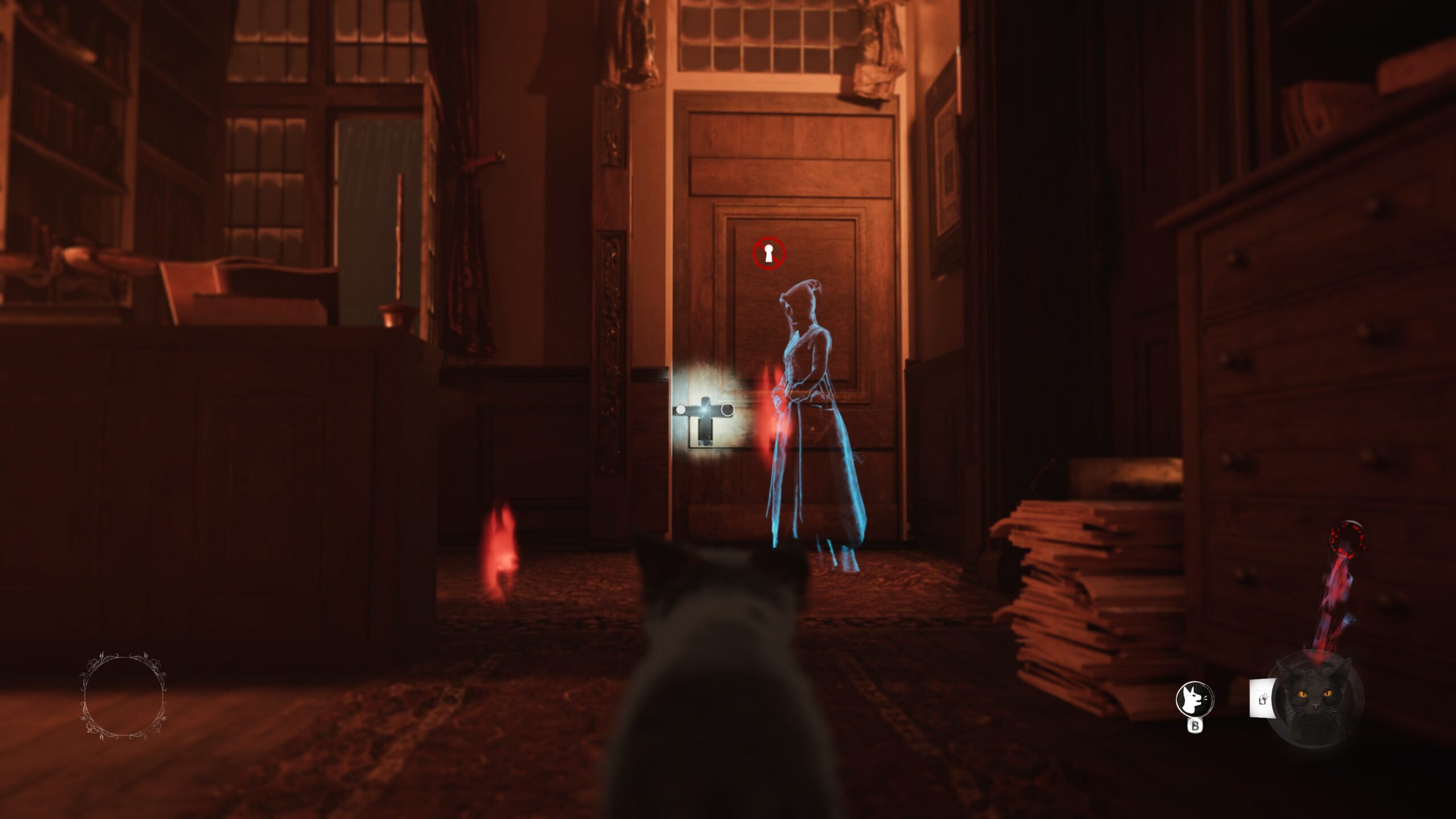
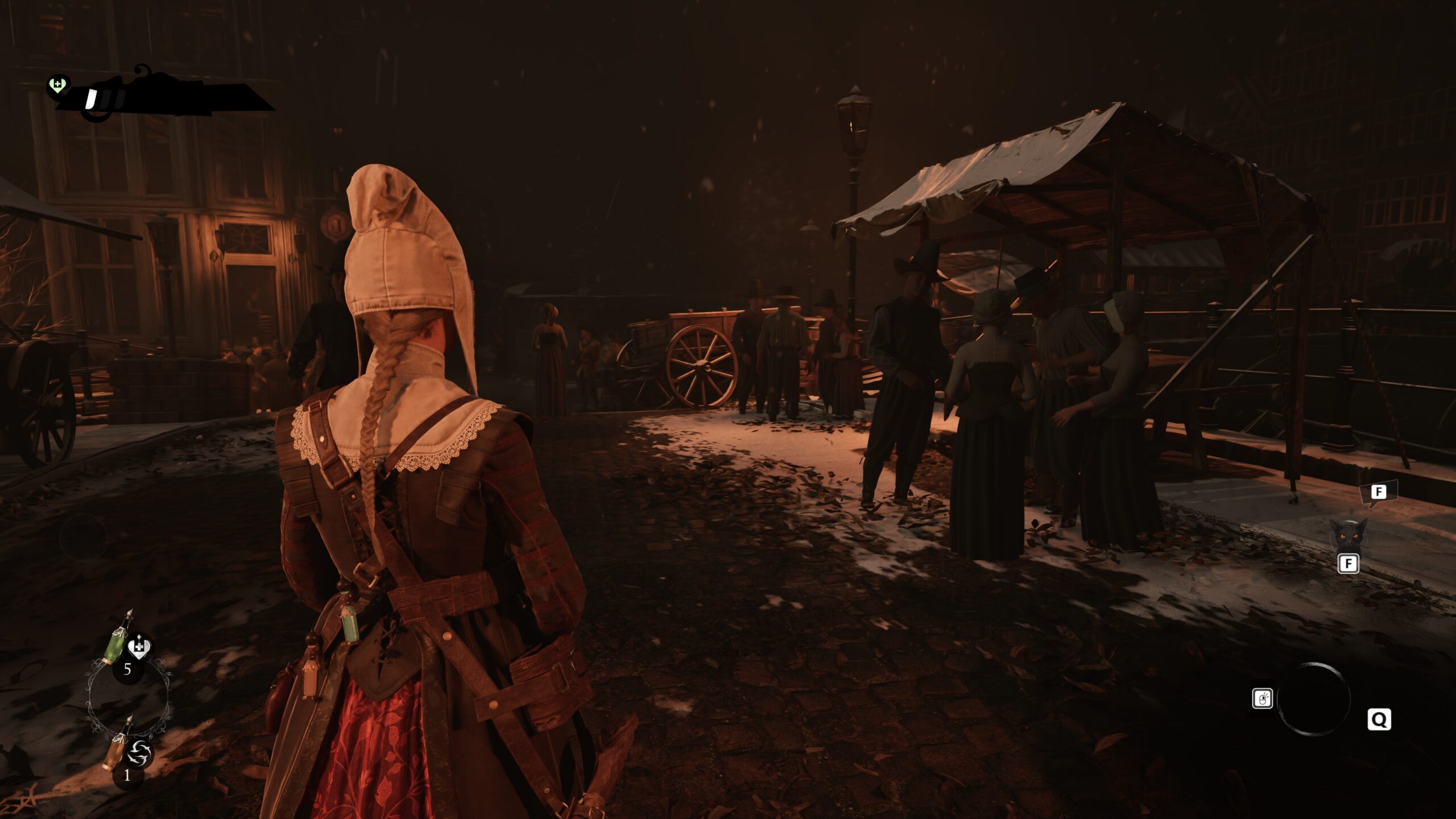
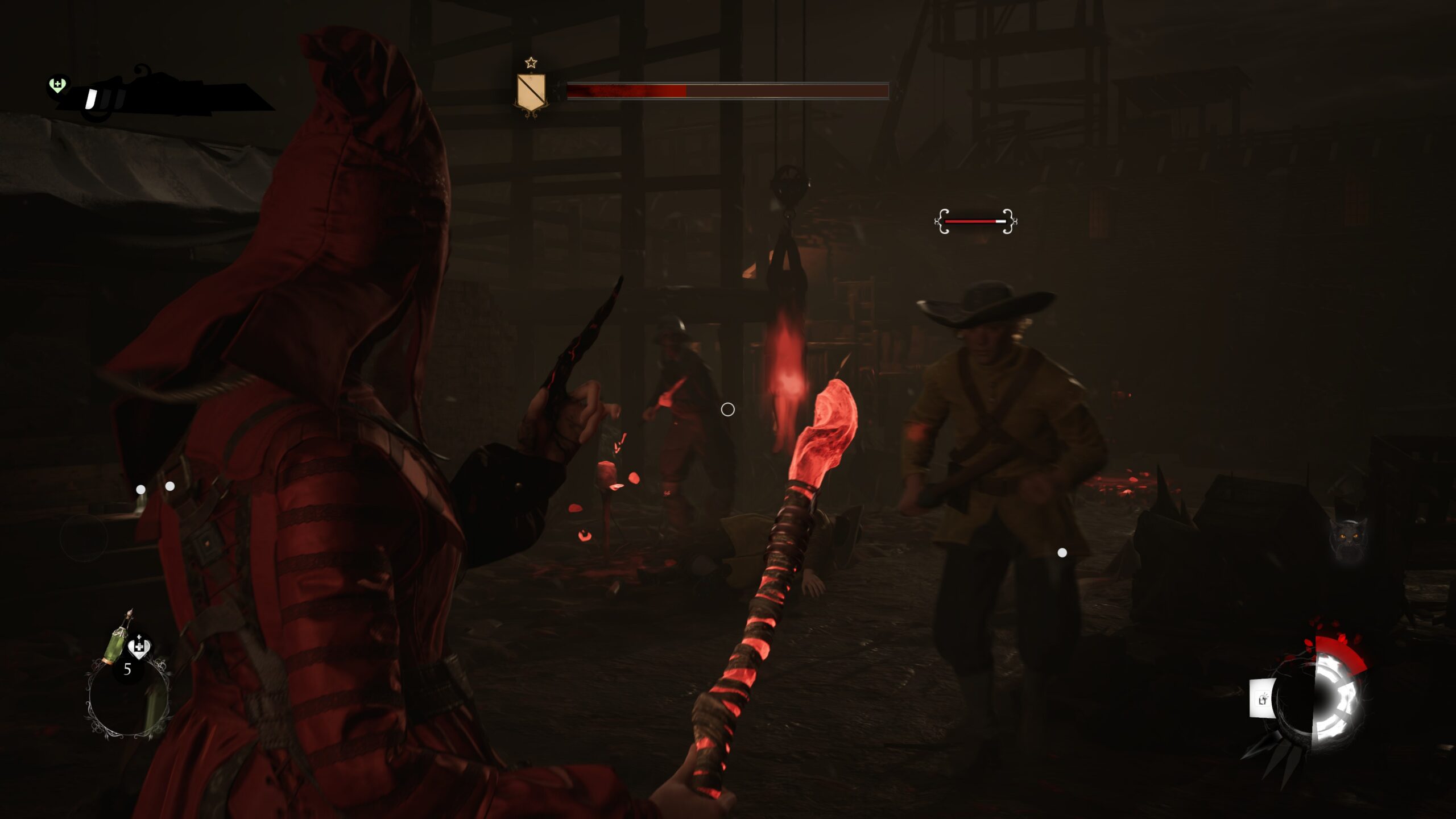
Unfortunately, combat is where my friction with the game increases significantly, not only due to the absence of manual saves and difficulty modifiers. Death is harsh, stripping away perks and any consumed potions while sending you back to the house. Starting with melee attacks via Noa’s broomstick, combat proves immediately challenging, and rarely reaches a satisfying level because there is no real fluid attack-chaining system to speak of. Attacking and dodging feel much too clunky and unresponsive, the camera frequently hinders positioning, and locked-on targeting tends to pull Noa too close to enemies instead of helping maintain spacing. To your advantage, however, enemies tend to remain oblivious to your presence until you launch a direct strike, so instead of doing that, you can simply walk past many of them.
Casting spells often demands too many steps at crucial moments. Combined with an unforgiving health pool, you can easily perish before completing a spell sequence. Just like with the rest of the in-game interaction, the spell prompts add to the frustration by disappearing unless you stand in precise spots, or even changing unexpectedly mid-action, which makes the challenge ramp up to the point of feeling somewhat unfair. I eventually found potions far more effective than spells, ultimately forcing me into tedious grinding.
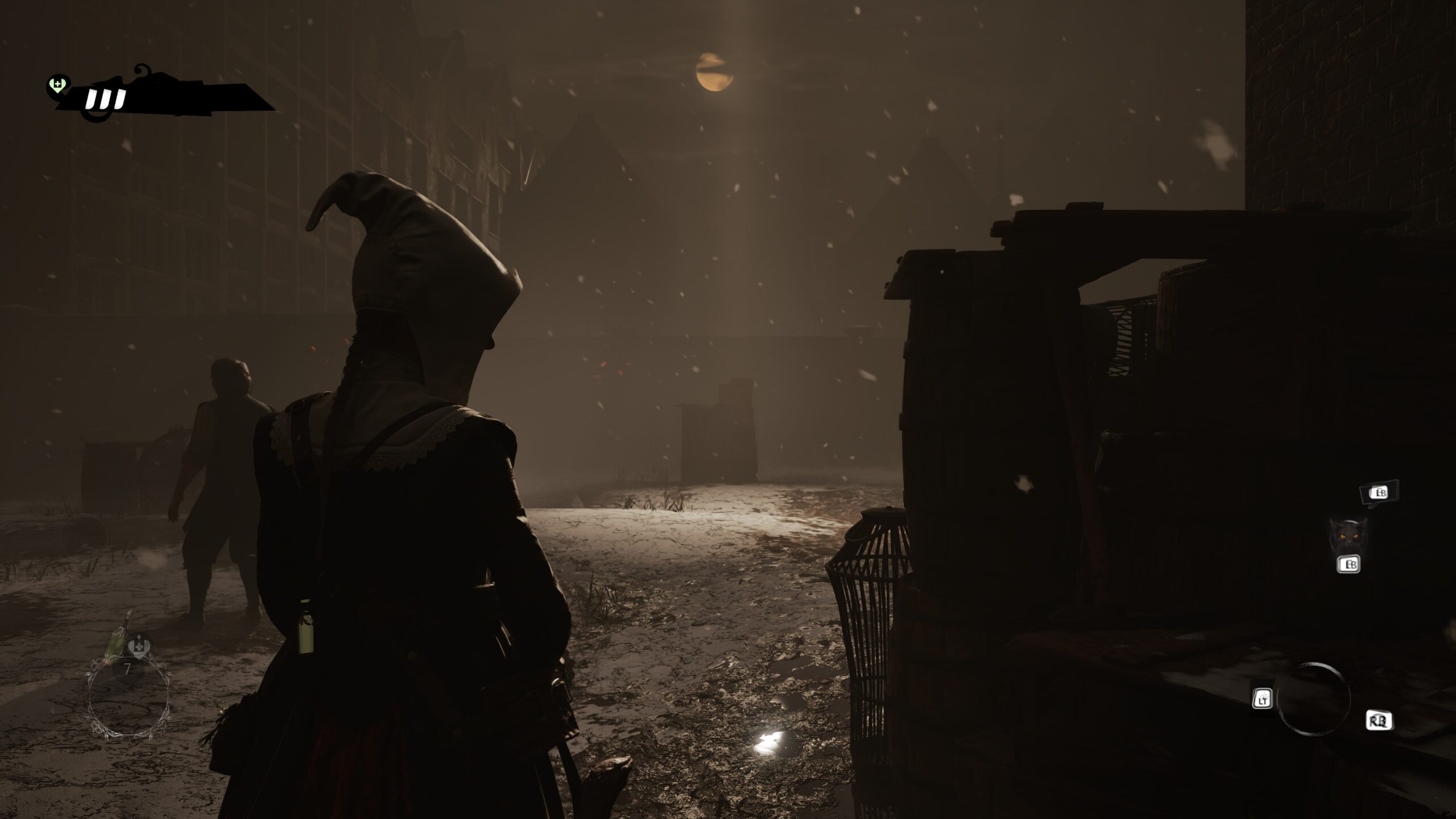
For me, the absolute highlight of the gameplay is Aaron the cat. Naturally, it doesn’t reach the heights of the freedom of navigation you get, for example, in Stray, because you often need to wait for a button press to become available (which interrupts the cat’s parkour flow), but still, seamlessly switching between Noa and Aaron does work and they complement each other genuinely well. Noa reads and handles items that Aaron cannot touch, while the cat unlatches doors, leaps across large gaps, crawls through tight spaces, or squeezes through windows. Yes, figuring out how to combine Noa and Aaron to bypass obstacles easily stands out as the most enjoyable part of the game.
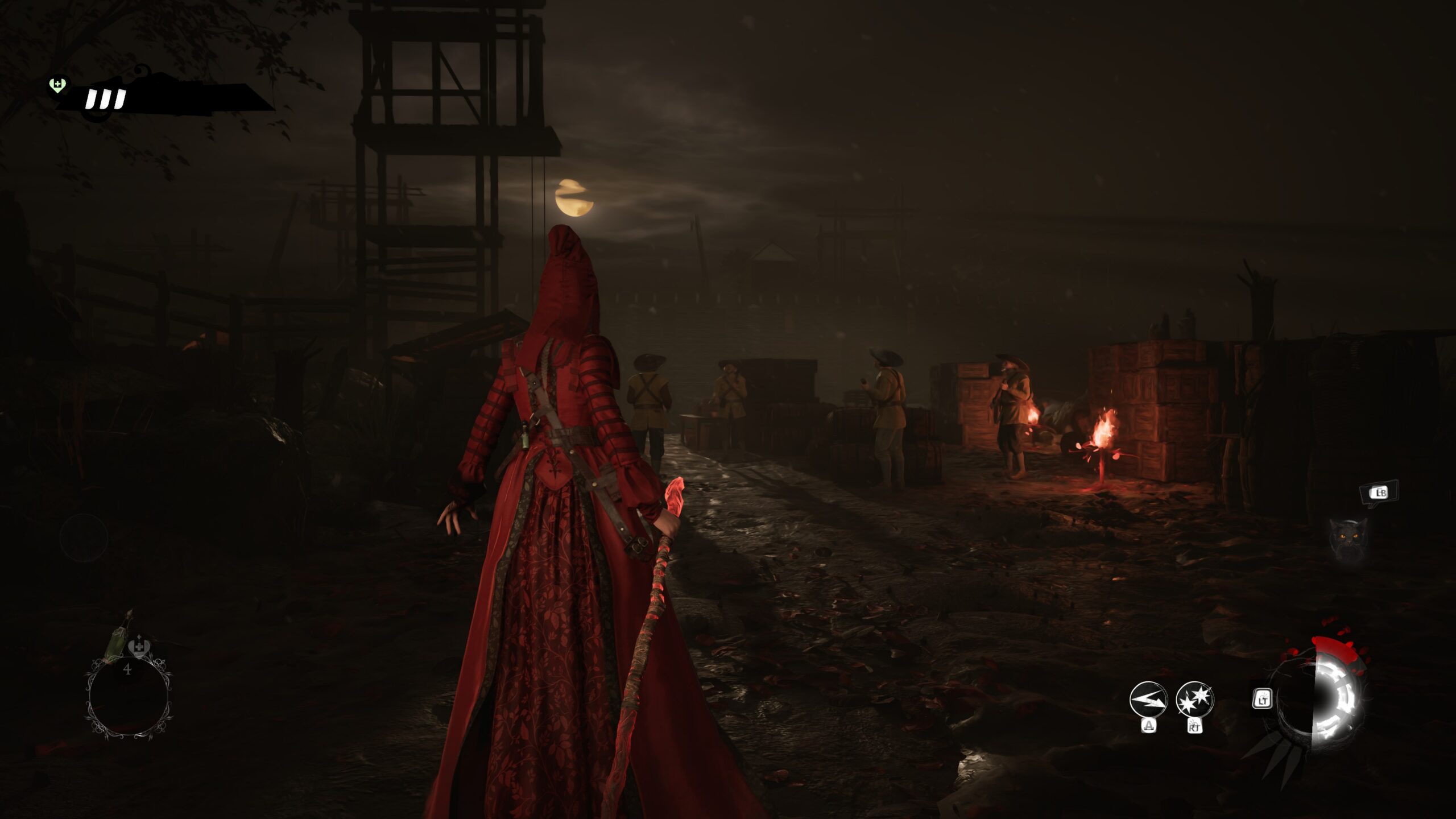
As an Early Access build, the Unreal Engine 5 presentation looks striking at times, though it is not always sharp or smooth. Occasional stuttering occurs, visual glitches are scattered throughout the experience, alongside occasional crashes when closing the game. Where 1666: Amsterdam currently excels is its compelling artistic vision and superb atmosphere. Noa’s character design is beautiful, the color palette is spot-on, and the medieval-gothic horror and witchcraft-themed world boasts a powerful visual identity.
Featuring melancholic gothic violin pieces that fit nighttime exploration across Amsterdam seamlessly, the score masterfully fits the setting. Gliding across the water or flying on your broomstick under a full moon gives you a fantastic feeling and leaves you with the impression that there is real promise here.
However, facial expressions, animations, and voice acting still need a steady amount of work. Interacting with NPCs feels far too basic, with several dialogue exchanges bringing nothing to the table. Characters frequently move unnaturally, glide across rooms, freeze in place, or execute weird animations. Movement outside combat also lacks fluidity. Noa cannot sprint, lacks jumping and climbing abilities, and even with the cat, actions like eavesdropping or interacting with objects require you to stand in exact positions until prompts finally register. The grouping mechanic when walking alongside another character also creates awkward moments, resulting in an unintentionally hilarious dance where the NPC moves exactly as you do when you turn around.
Preliminary Thoughts
1666: Amsterdam presents an intriguing Early Access title where a striking artistic vision is currently far ahead of its underlying gameplay systems. The medieval-gothic atmosphere, fascinating narrative framing, and unique mechanic of swapping between Noa and Aaron the cat give the experience a distinct personality and immense potential. However, clunky combat, punishing death mechanics, spotty stealth, and unpolished NPC behavior currently drag down the moment-to-moment experience. Panache Digital Games is gradually shaping a dark, witchcraft-themed universe and story well worth exploring, but the team will need to spend its Early Access journey fine-tuning and balancing its work-in-progress mechanics to make playing the game feel as good as looking at it.
Additional Information
Release Date: August 25, 2026 (Early Access)
Previewed On: PC. Download code provided by the publisher and PR agency.
Developer: Panache Digital Games
Publisher: Panache Digital Games
Relevant links: Available via Steam.
 Berenhardt