 Simone
Following a successful launch on mobile platforms, the blood-soaked FMV The Run, developed and published by PRM Games, has now arrived on PC. The blend of elements that defines this interactive fiction horror movie is clearly designed to keep you perched on the edge of your seat. At the helm is Paul Raschid, a defining creative force in today’s FMV landscape with titles such as The Complex, The Gallery, and Five Dates to his name. Working from a screenplay by Jonnie Hurn, Raschid steered The Run into visceral territory, blending high-octane chases and brutal gore into a surreal horror narrative set against the mesmerizing backdrop of a picturesque Italian village.
Familiar Faces, Proven Talent
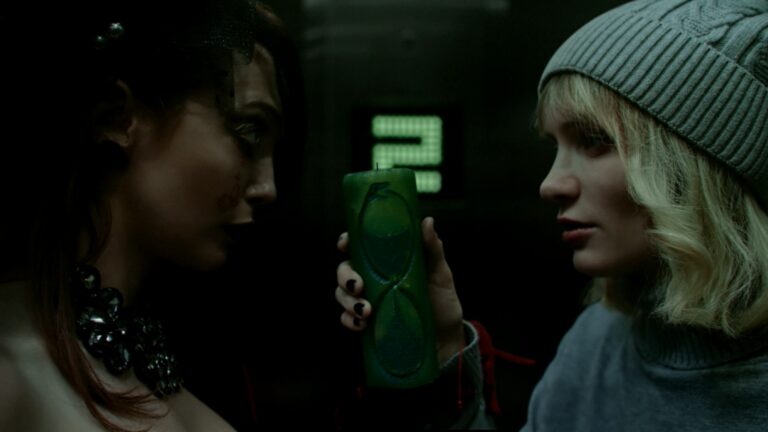
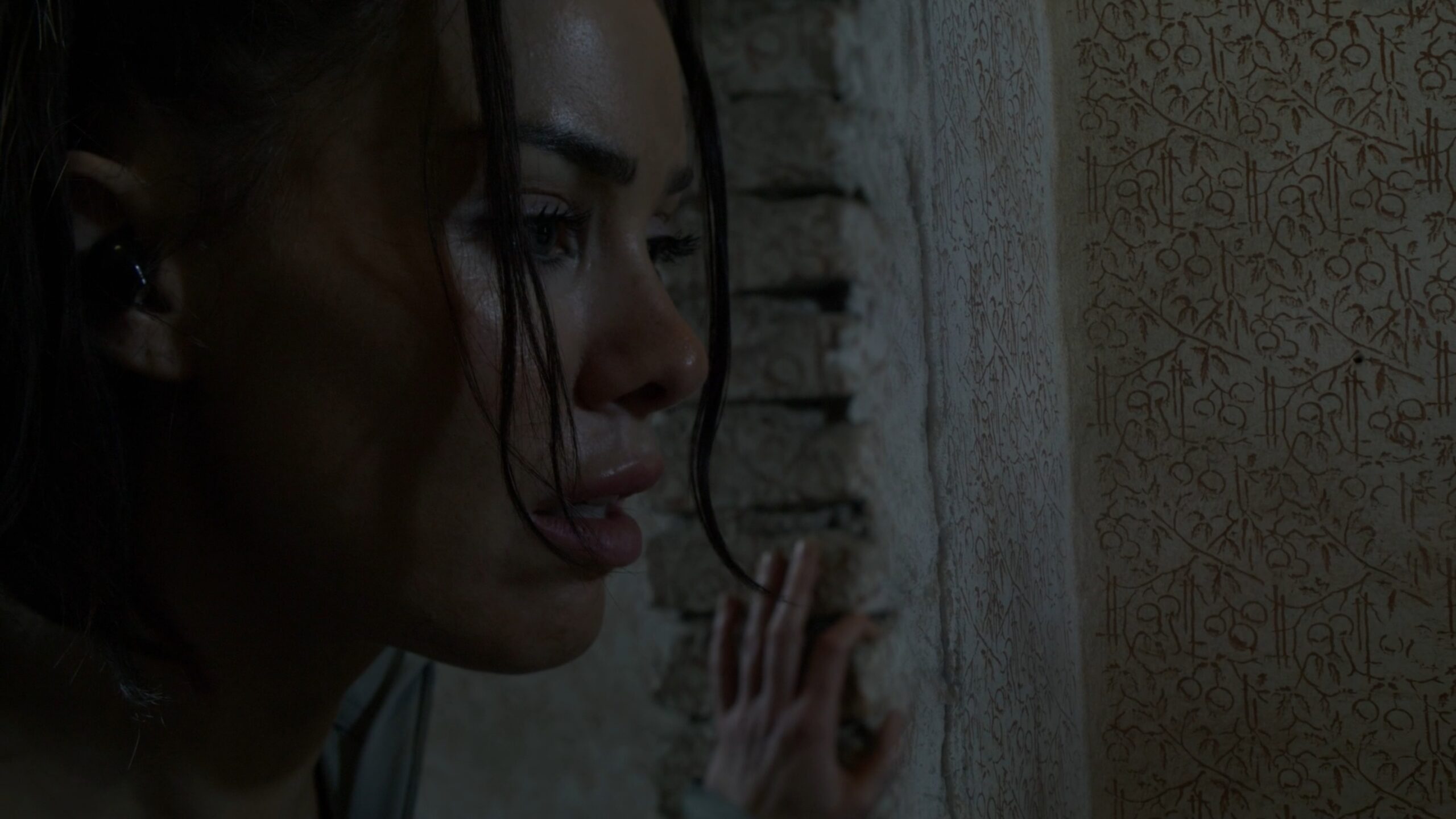
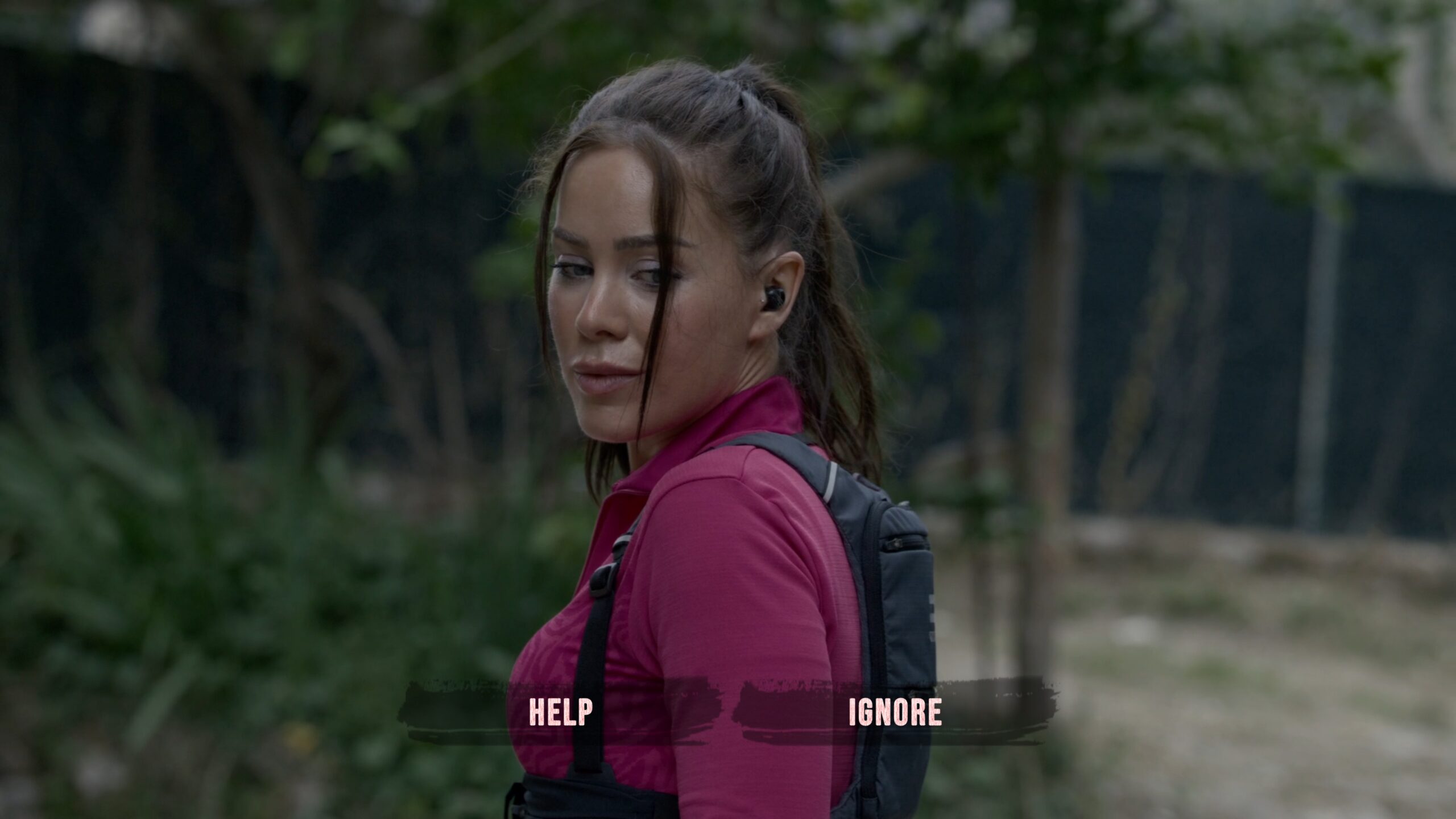
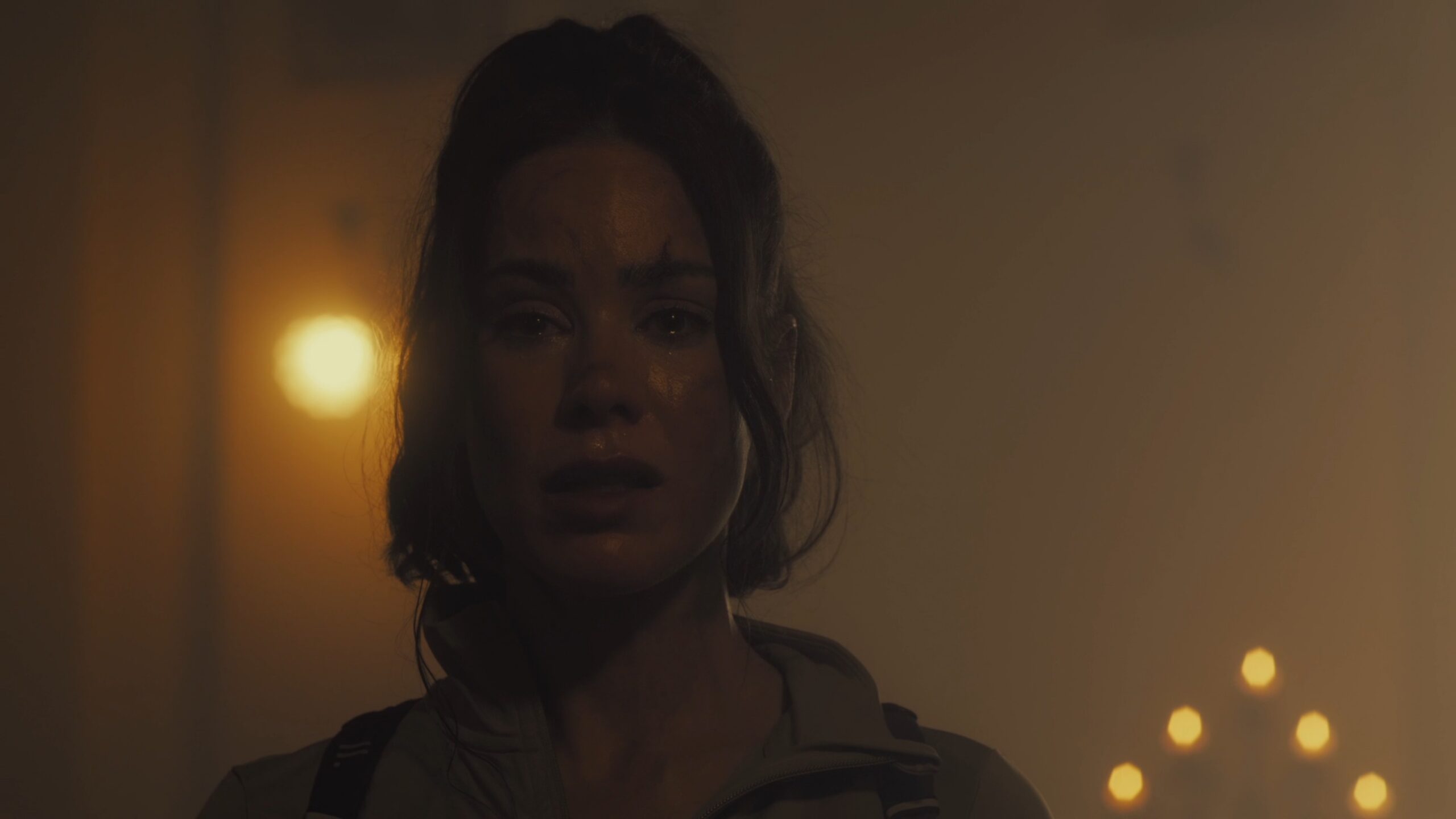
The film centers on two protagonists, led by the striking Roxanne McKee, known for her roles as Louise Summers in the Channel 4 soap Hollyoaks and as a handmaiden to Daenerys Targaryen in seasons 1 and 2 of Game of Thrones. She convincingly portrays the overly successful, smug—at times downright arrogant—running-session influencer Zanna Hendricks, who boasts more than five million followers across her social channels.
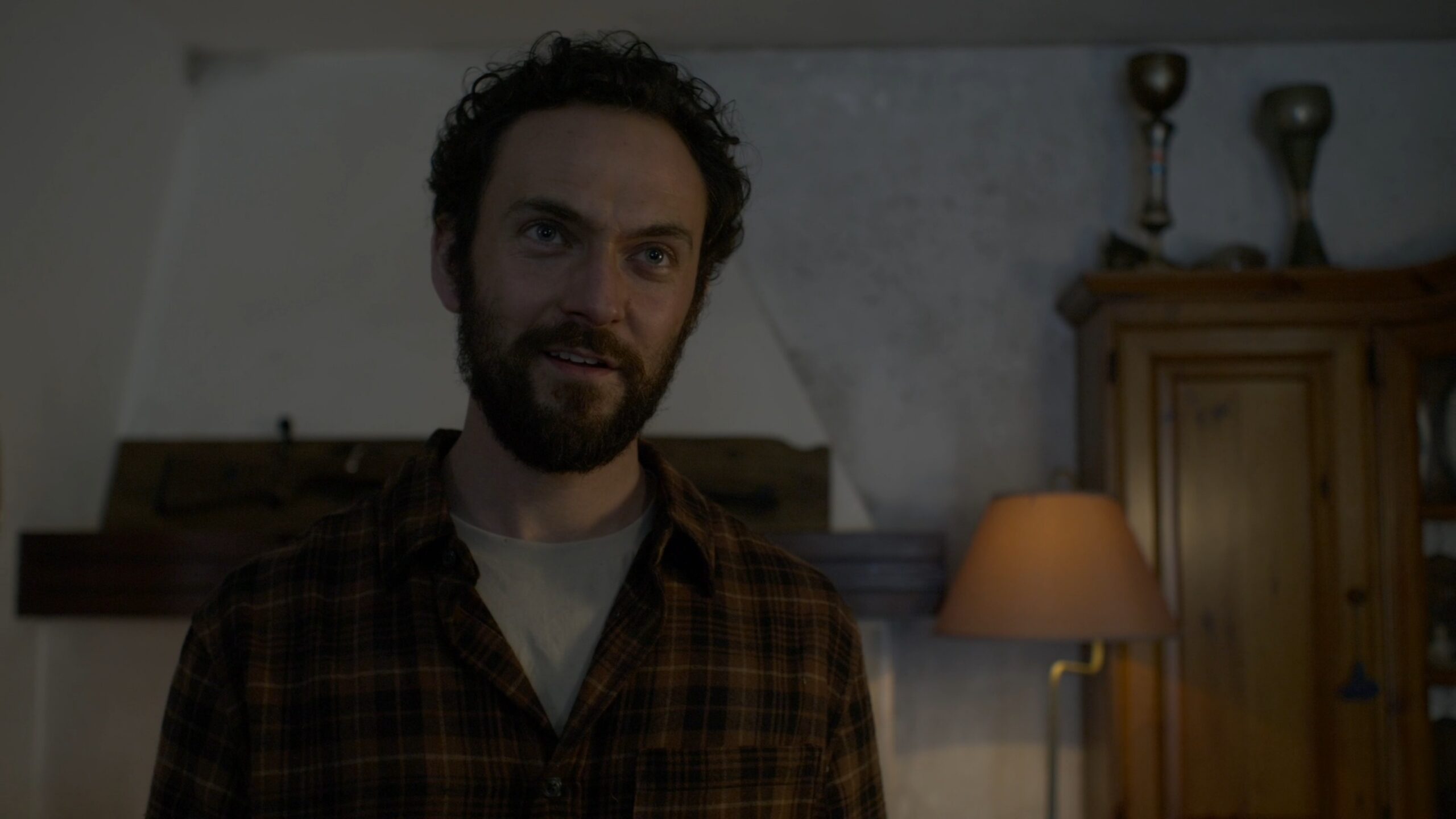
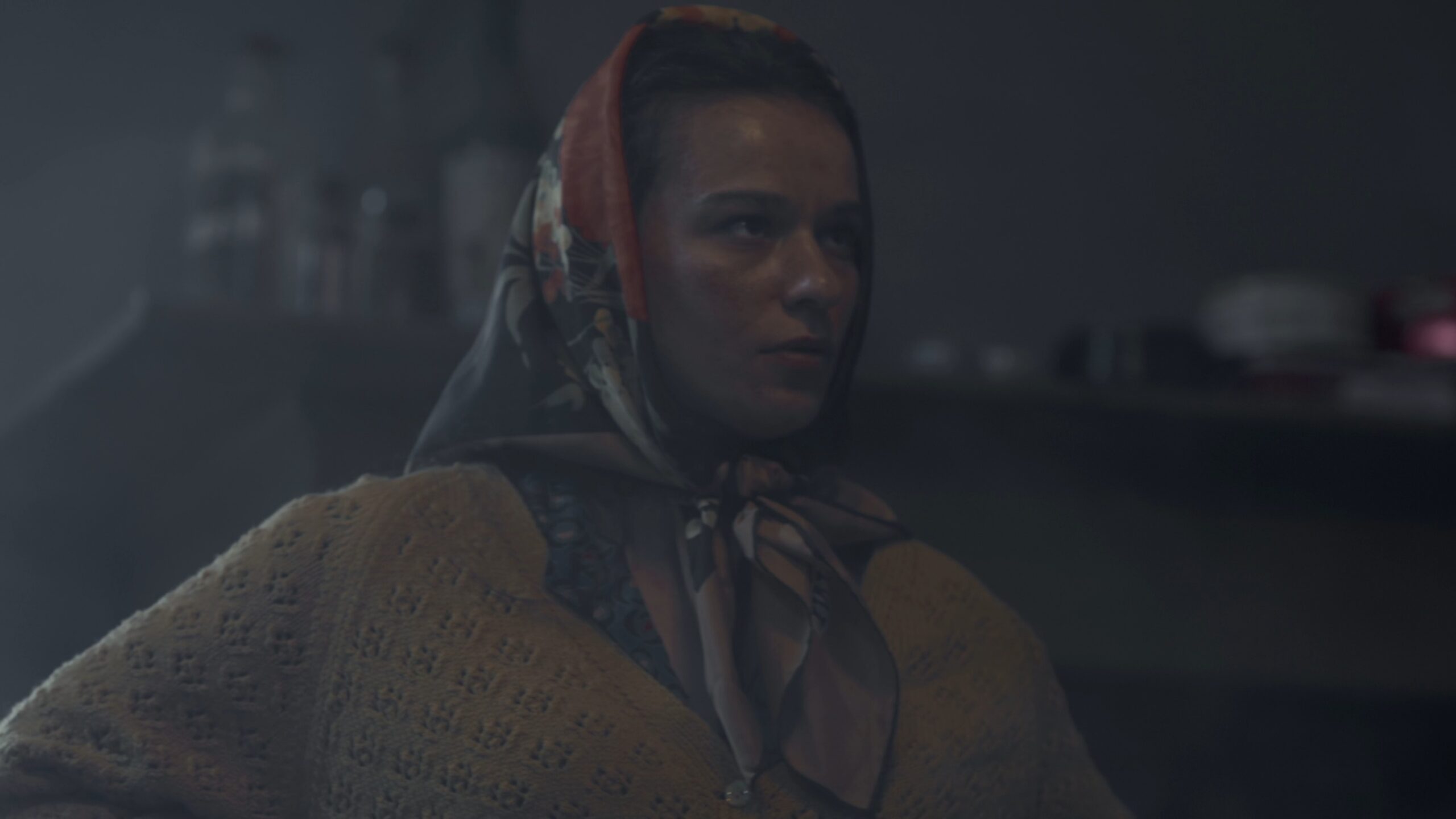
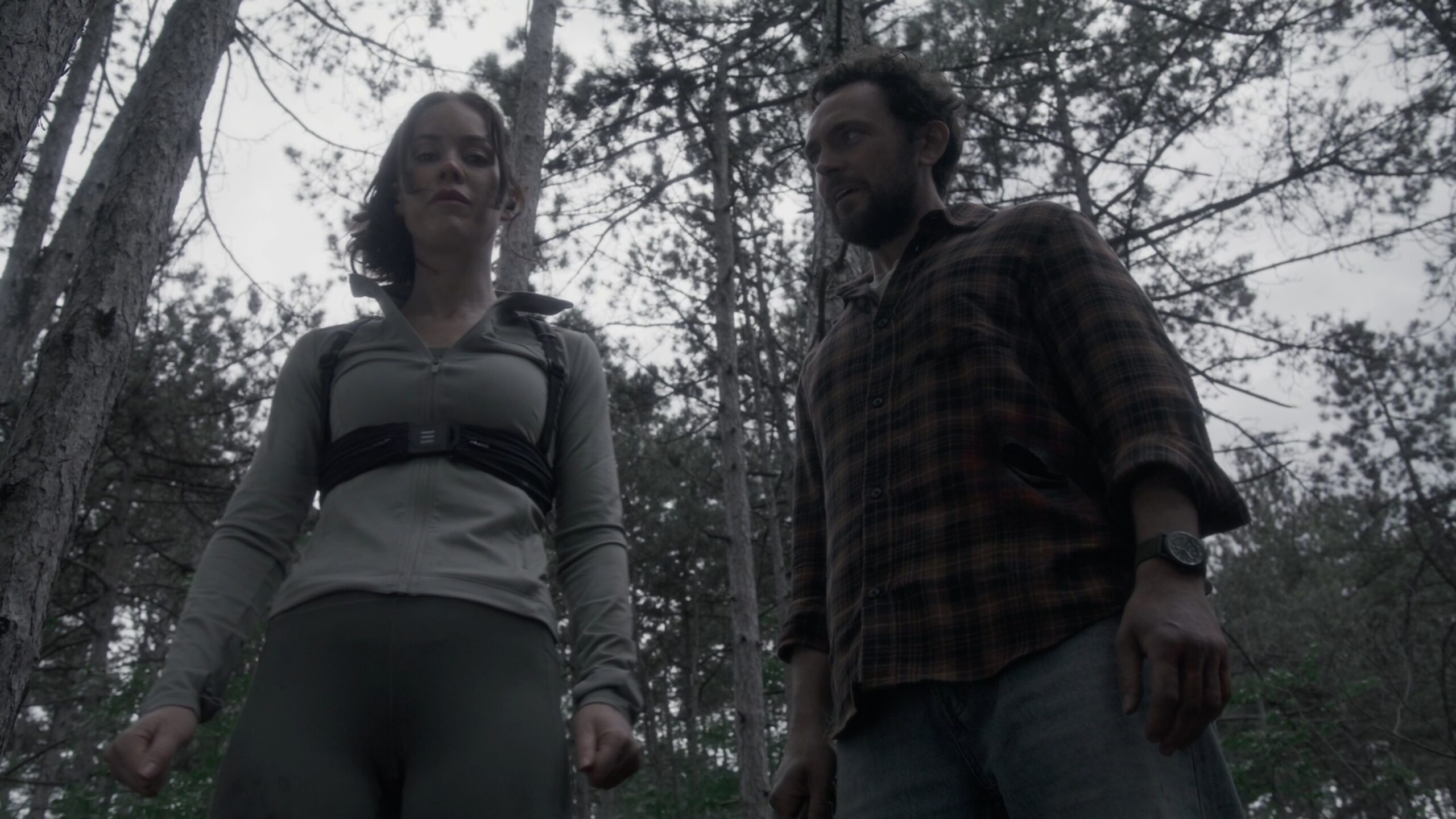
She finds an unlikely companion in her perfect foil, Matteo, a gentle and devoted Catholic farmer played by a heavily bearded George Blagden (best known for his roles in Versailles and Vikings). Seasoned FMV fans will likely also remember him as the protagonist of Hello Stranger, marking another collaboration with writer-director Raschid. While there is certainly chemistry between the two leads, the contrast between them could hardly be greater.
The Morning After, in More Ways Than One
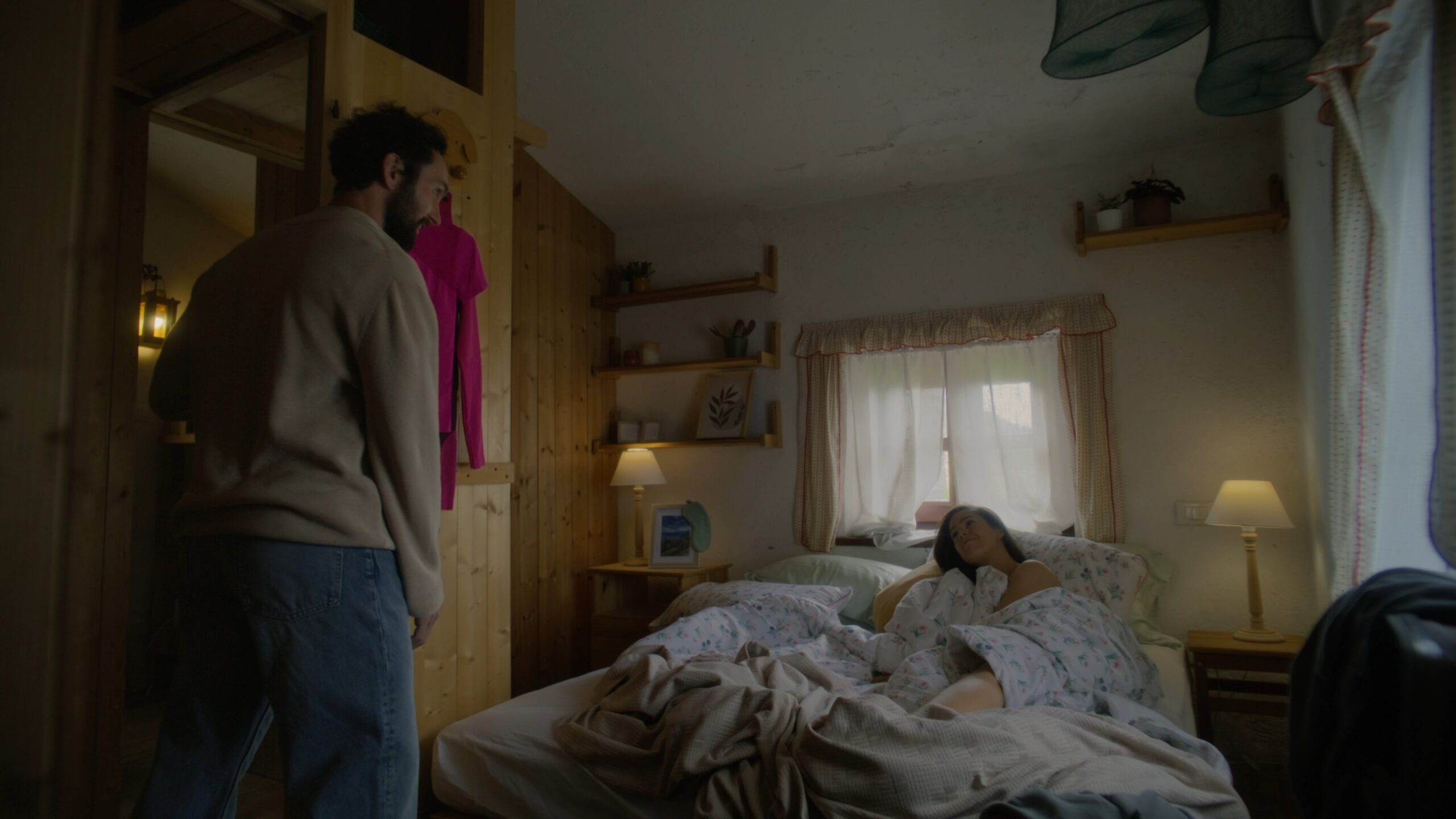
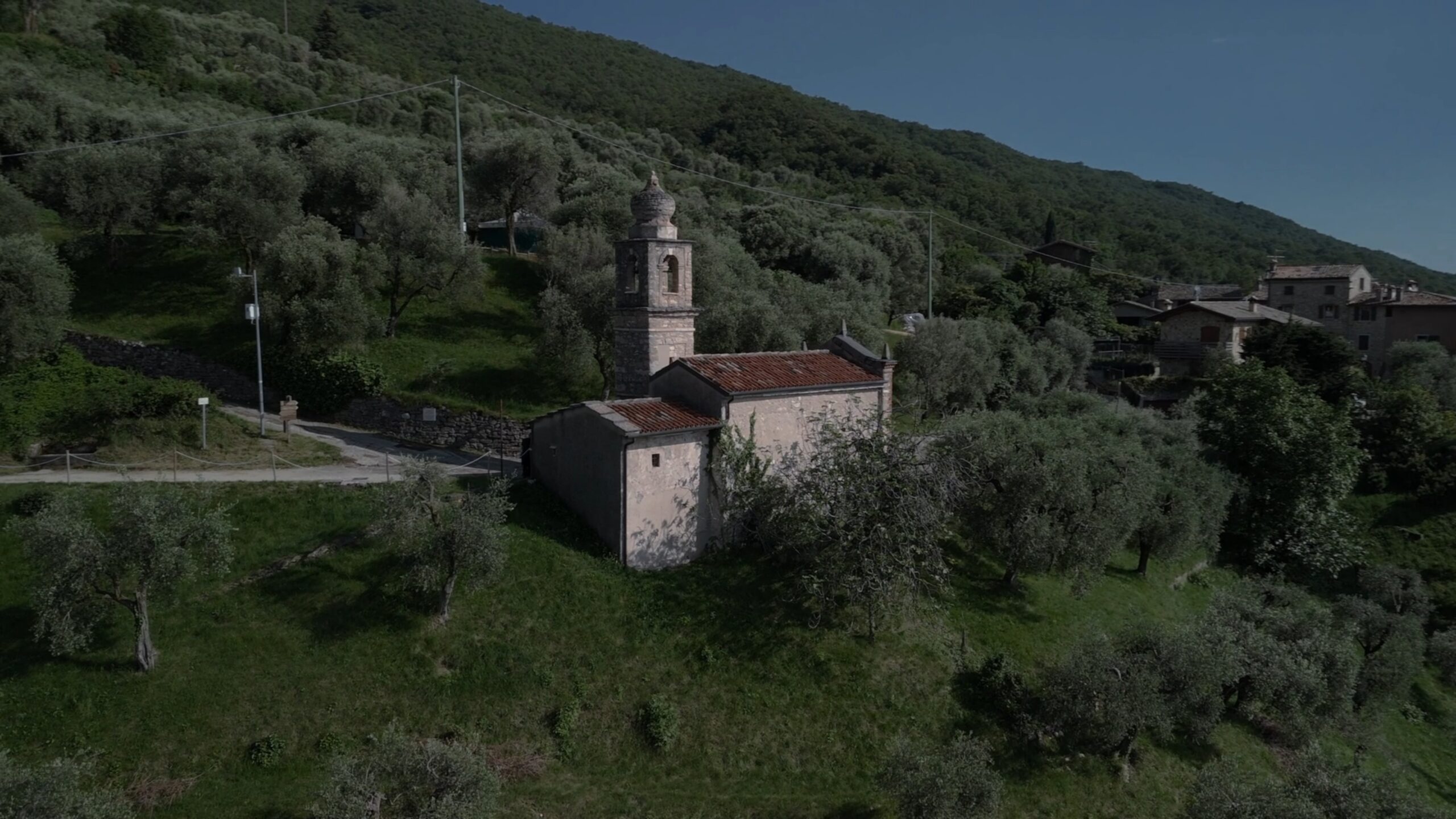
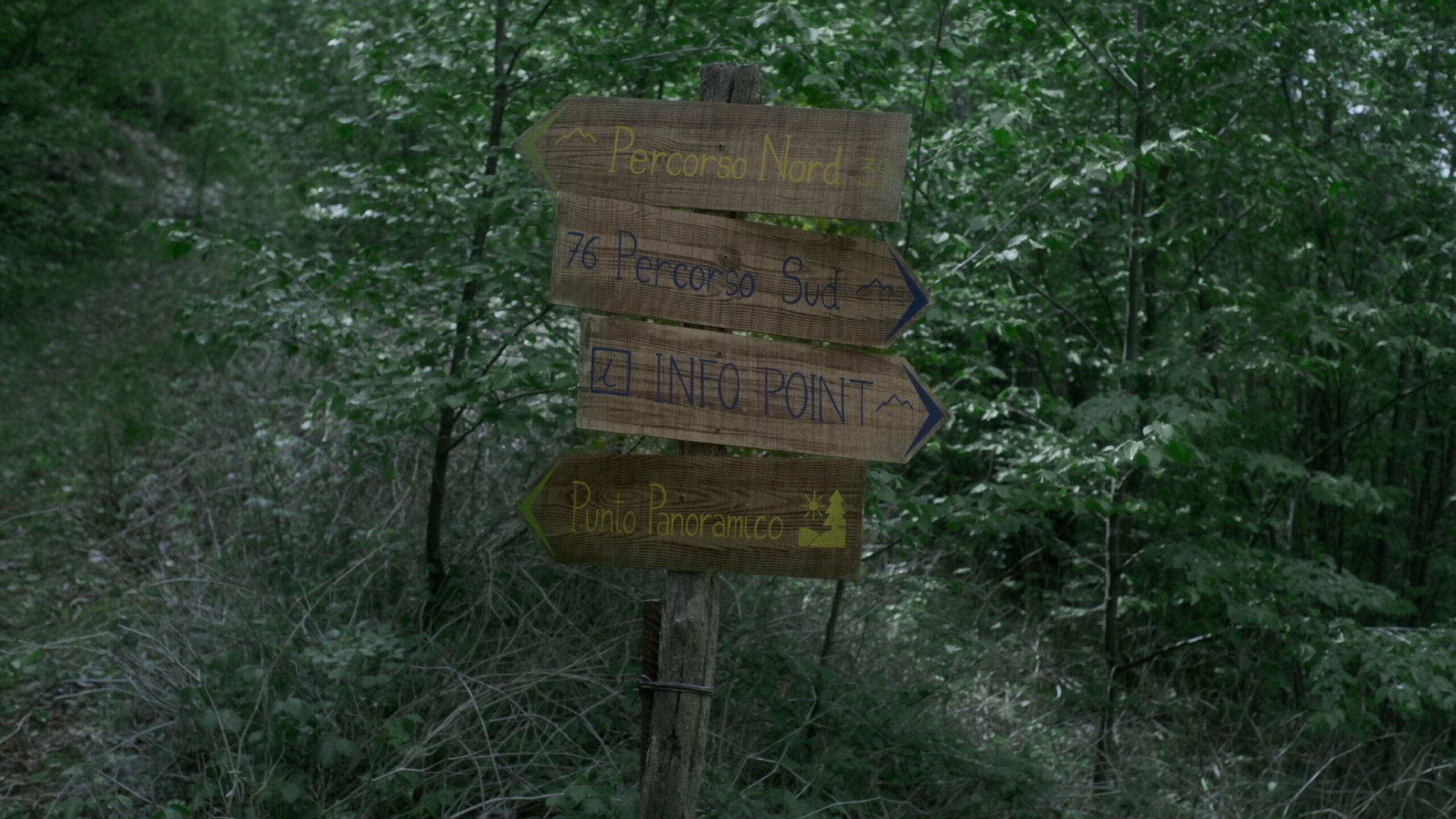
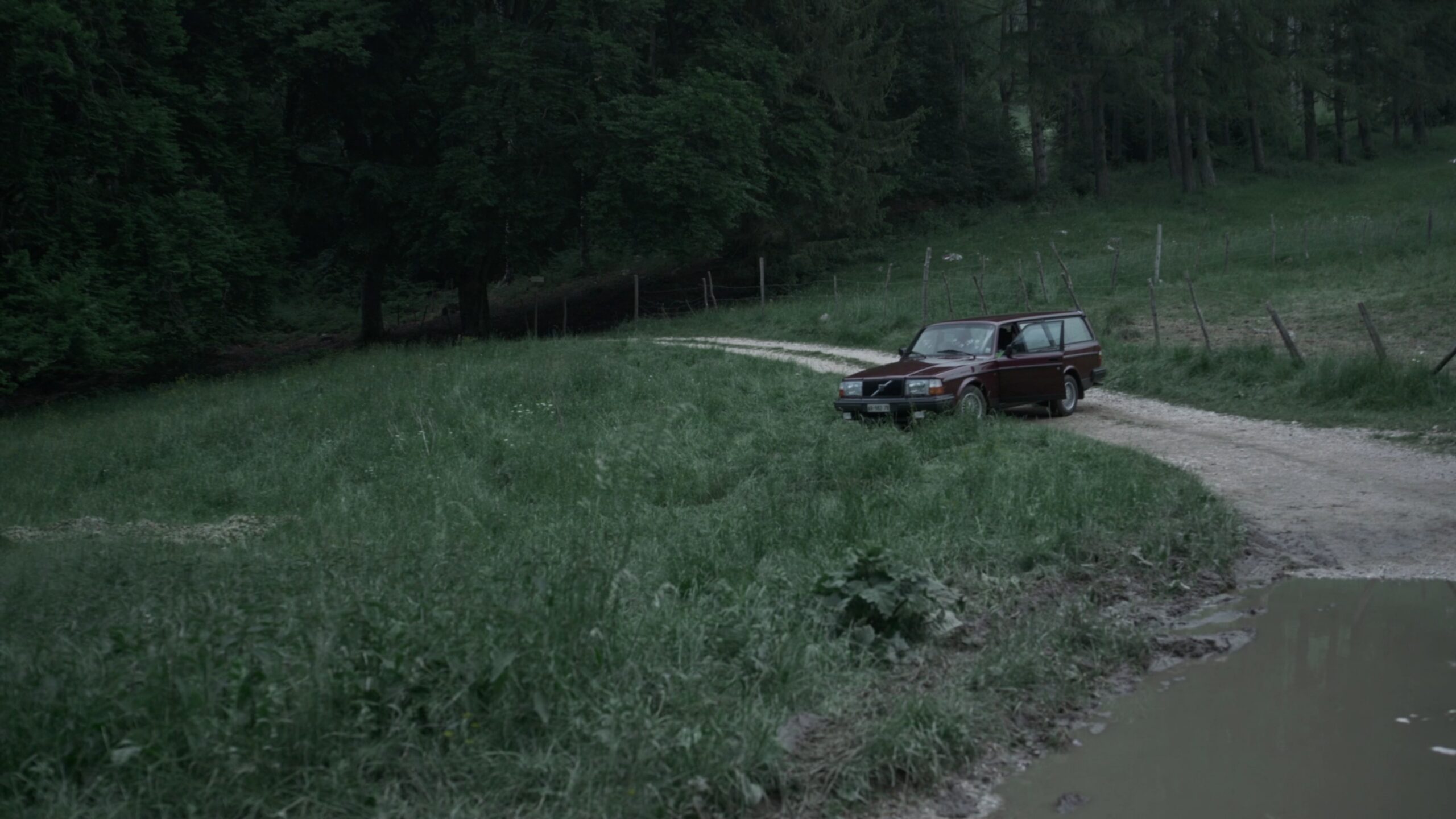
The story of The Run begins the morning after what appears to have been a one-night stand between fitness influencer Zanna and Matteo—though after a night of heavy drinking, the two remember remarkably little of what actually transpired. Set in the fictional village of Libitina, the environment initially presents itself as sun-drenched and picturesque, but steadily fades to a somber gray as increasingly unsavory truths come to light in the mountainous, rural and densely forested region of Veneto in northern Italy.
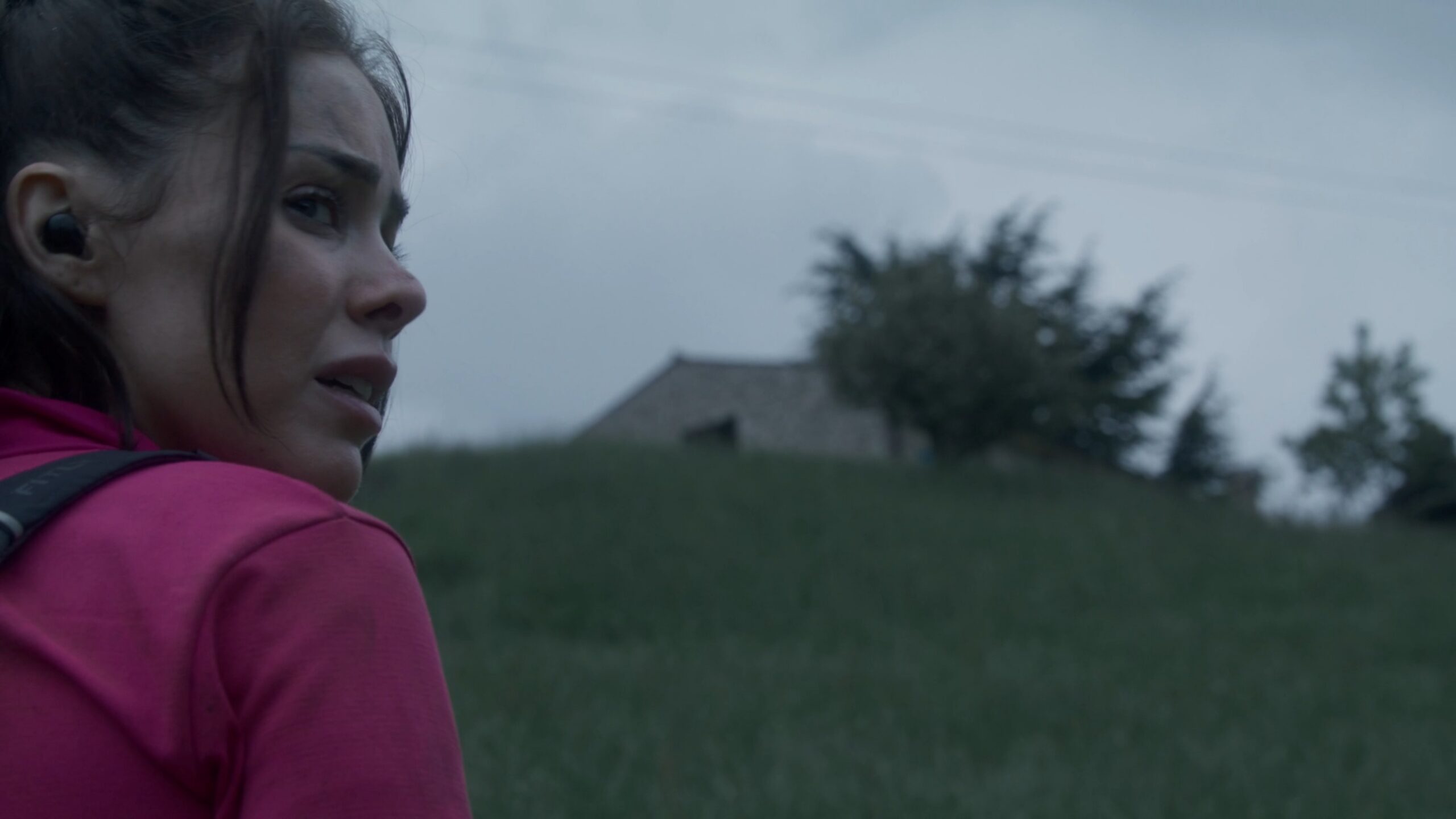
While it is a region populated mostly by elderly yet friendly locals, once Zanna heads out for a morning run—the area seems perfect for it, after all—the world beyond quickly proves to be far less welcoming. Depending on your choice of route, and whether or not you decide—sometimes quite literally—to retrace your steps, you may be able to delay an inevitable doom scenario. Avoidance, however, is not an option: you will be hunted.
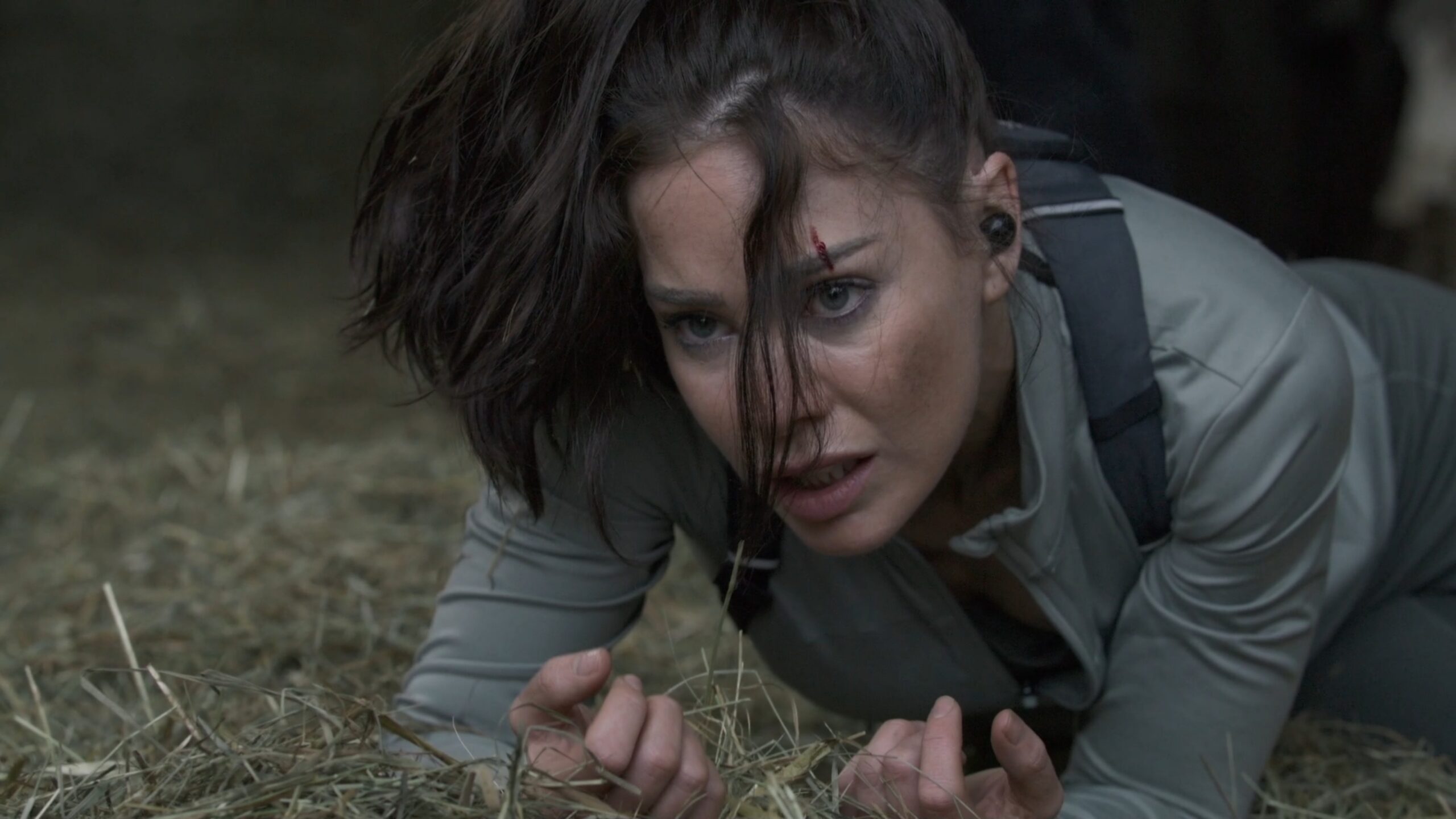
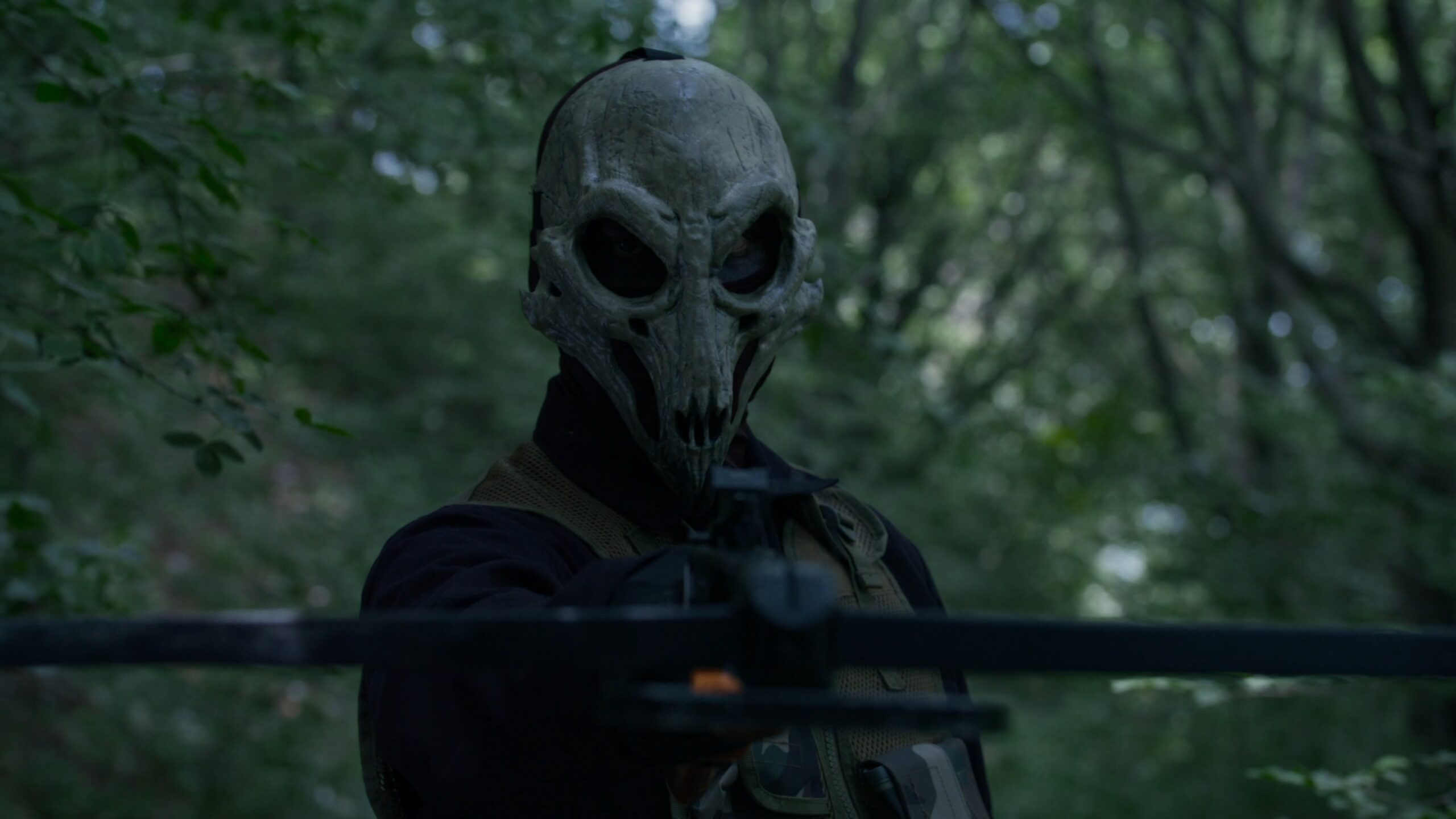
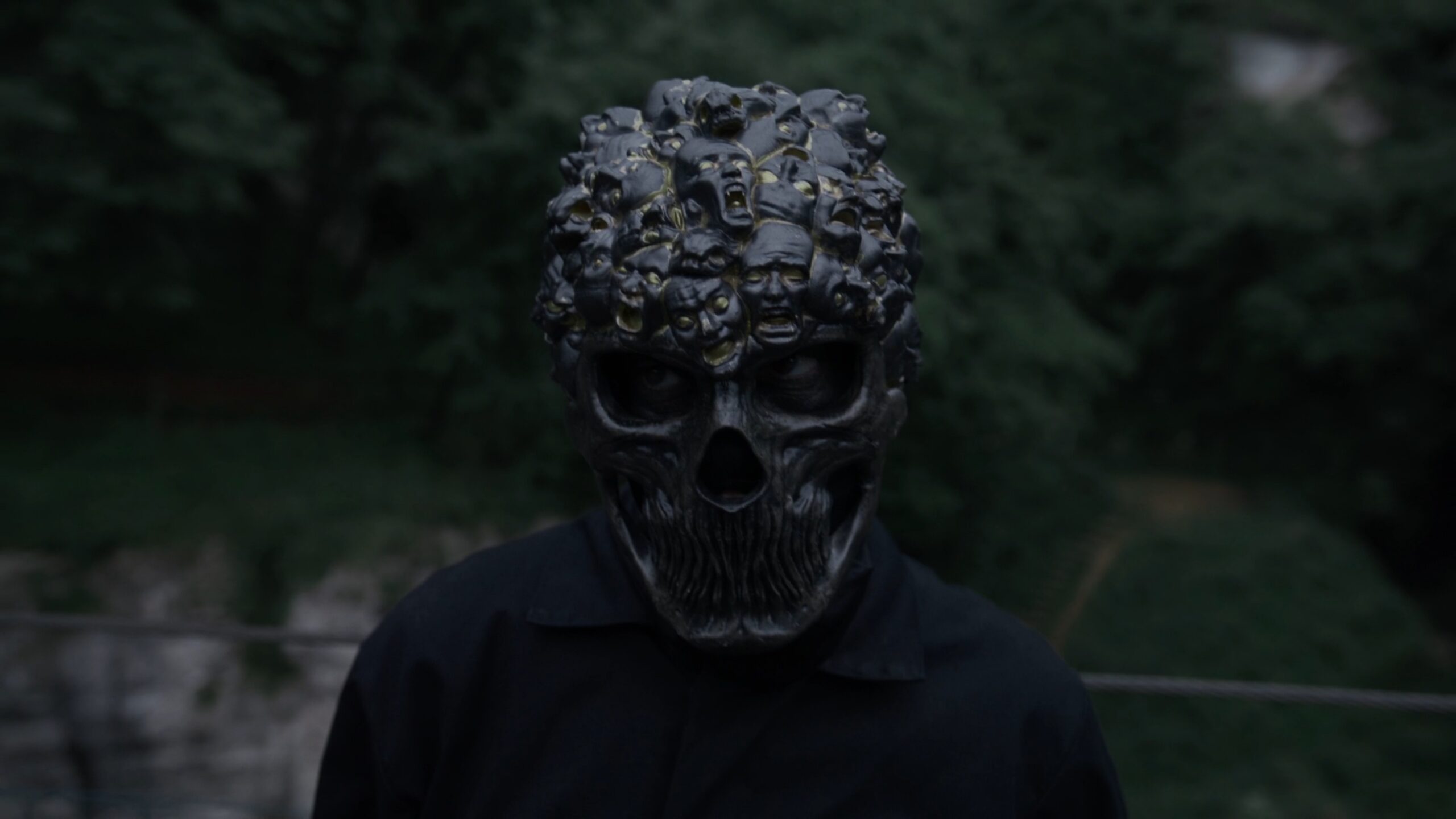
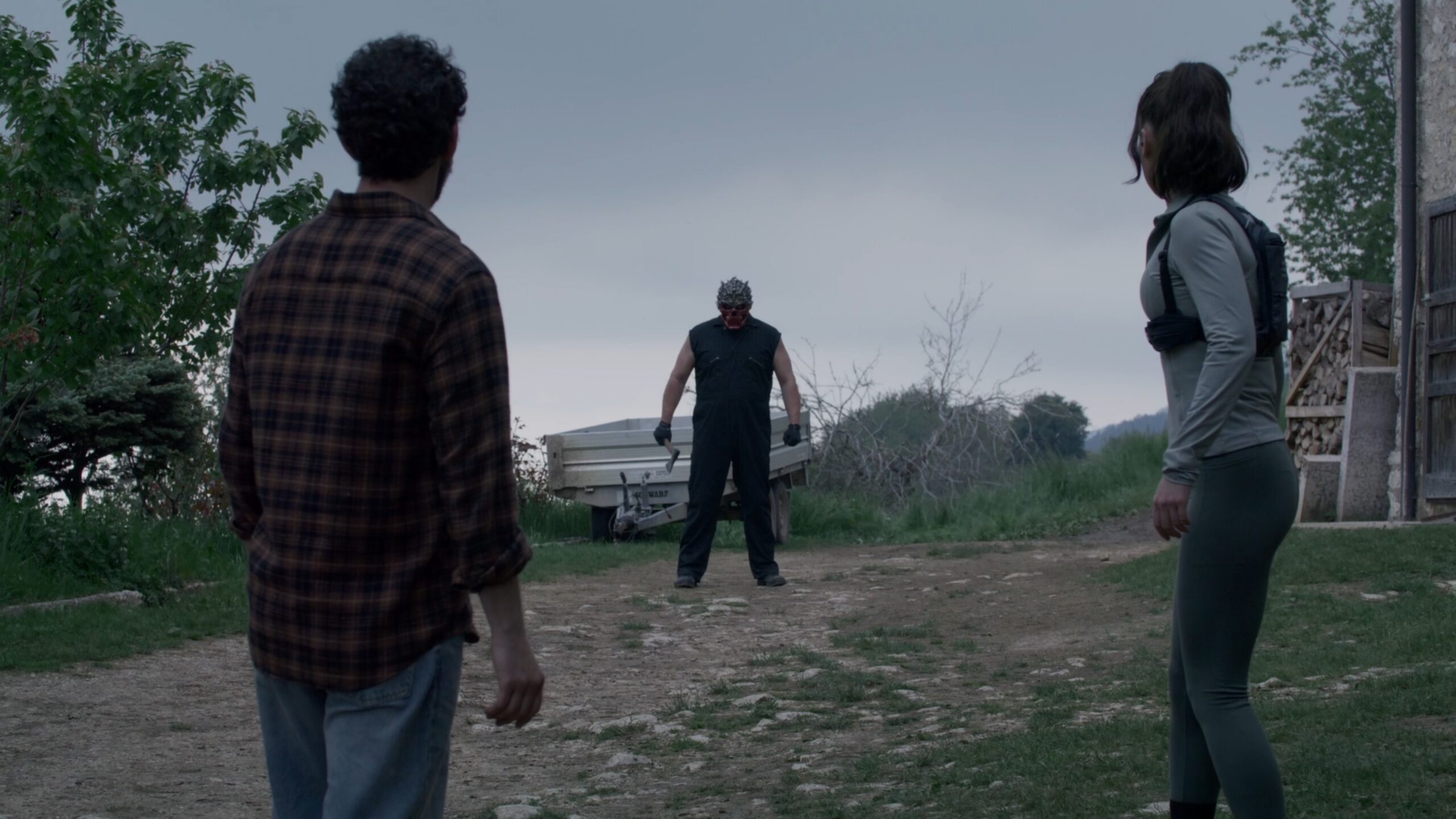
You are pursued not only by a group of dangerous, armed lunatics—clad in dark attire and wearing grotesque, almost alien-looking skull masks—who are bent on murdering everything in their path, but also by your own tormenting thoughts. After making a choice, often moral in nature, you are left doubting whether you made the right call. If The Run excels at anything, it is at making you second-guess your own judgment, all in the hope of avoiding yet another gruesome, fatal cutscene.
These violent scenes are depicted with such unsettling realism that you may prefer to unlock them only after successfully completing the interactive film—unless, of course, you happen to relish blood, dismembered limbs, and exposed entrails.
Choices Under Pressure—Timed or Paused
Fortunately, there is good news for the chronically indecisive. The Paused Choices mode allows you all the time in the world to weigh which of the two options might yield the best outcome—unless you’ve already finished the game and are replaying it as a completionist seeking every possible branch.
Paused choices are not the default, however. That honor goes to the timed decision system, which adds an extra layer of stress by forcing you to decide on the fly. Fortunately, your choice of system has no effect on story branches or achievements.
Throughout the experience, The Run regularly drips subtle details that you are expected to notice to better anticipate the danger lurking in subsequent scenes. While keen-eyed vigilance can make certain sections easier, it offers no guarantee against this game’s consistent toying with your emotions, logic, and common sense.
Refusing to help someone—or trusting them blindly—can lead to outcomes that are either surprisingly beneficial or catastrophically dire. Sometimes you’re better off not picking up a weapon, or aiming low instead of going for the head during a fight. At other times, it’s wiser to stay put rather than run, or to remain where you are instead of fleeing. Some choices weigh heavily on the final outcome, though I would have liked to see more weight attached to certain other decisions that seemed pivotal at first glance.
With only minor differences in decision-making, a bad ending can often be nudged toward a good one, and the cutscenes separating the various endings do not differ drastically. At times, the game also offers too few options, allowing too much to unfold automatically. Personally, I would have liked more opportunities to lie, or to retain certain objects for later use—elements that could have paved the way for more radically different endings.
The Camera Always Knows Where to Go
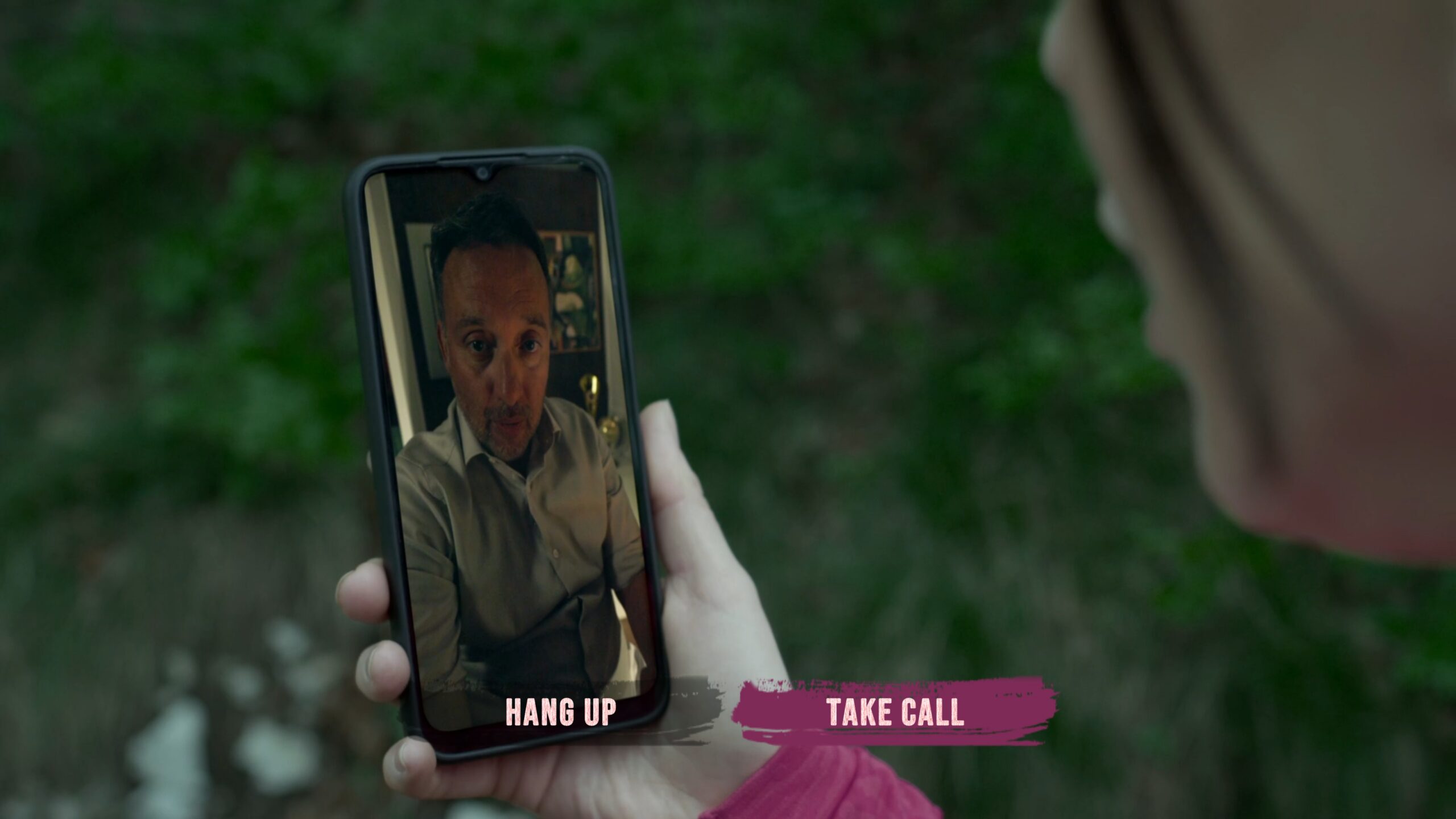
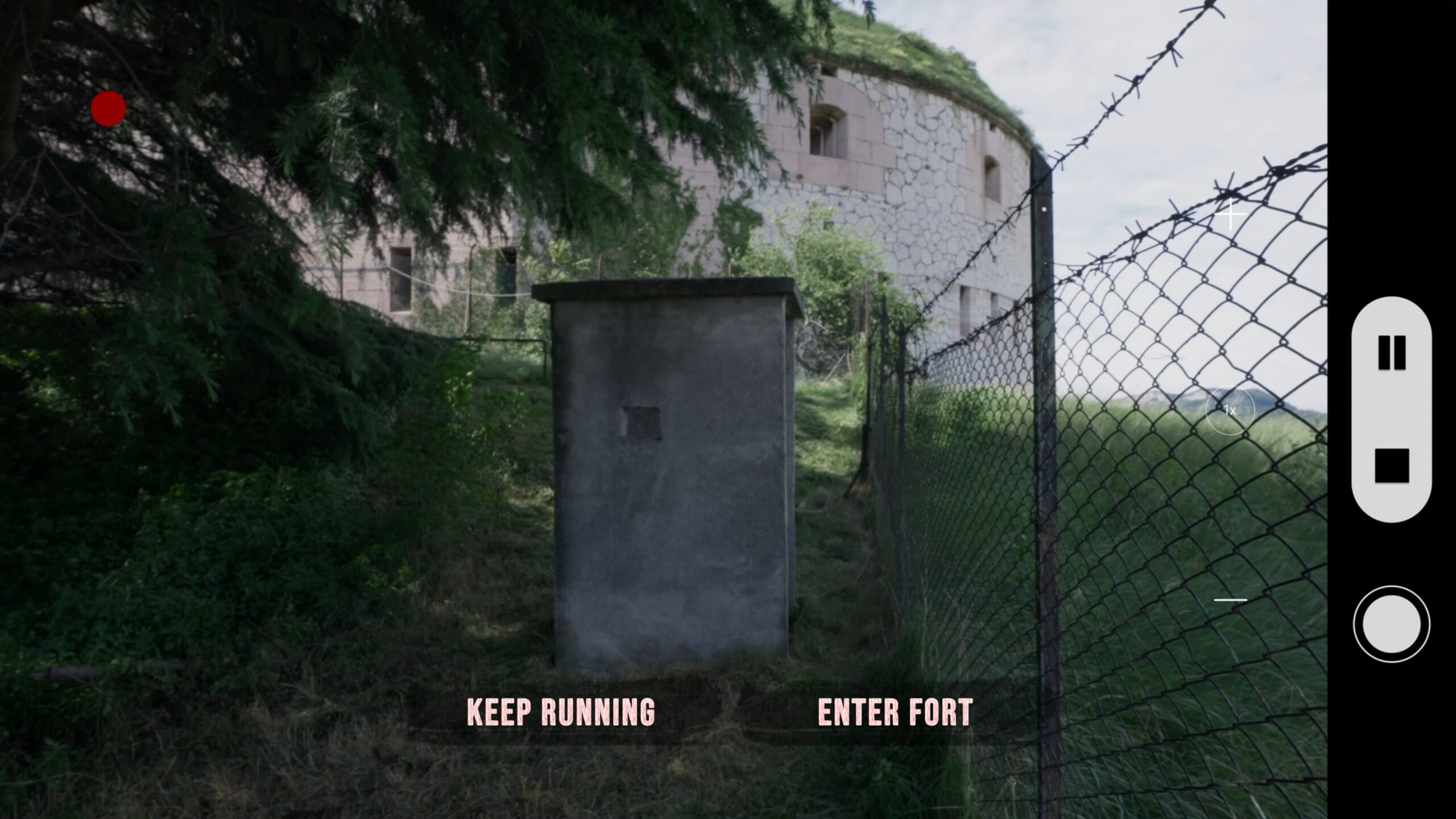
From a cinematic standpoint, The Run is competently put together. While the majority of the footage is shot steadily, the direction constantly plays with focus and perspective. At times, scenes are shown directly through Zanna’s smartphone camera; at others, there is a subtler, gameplay-driven shift from passive viewer to active participant—such as when she asks her livestream followers which action she should take next, even though you alone hold the power to decide.
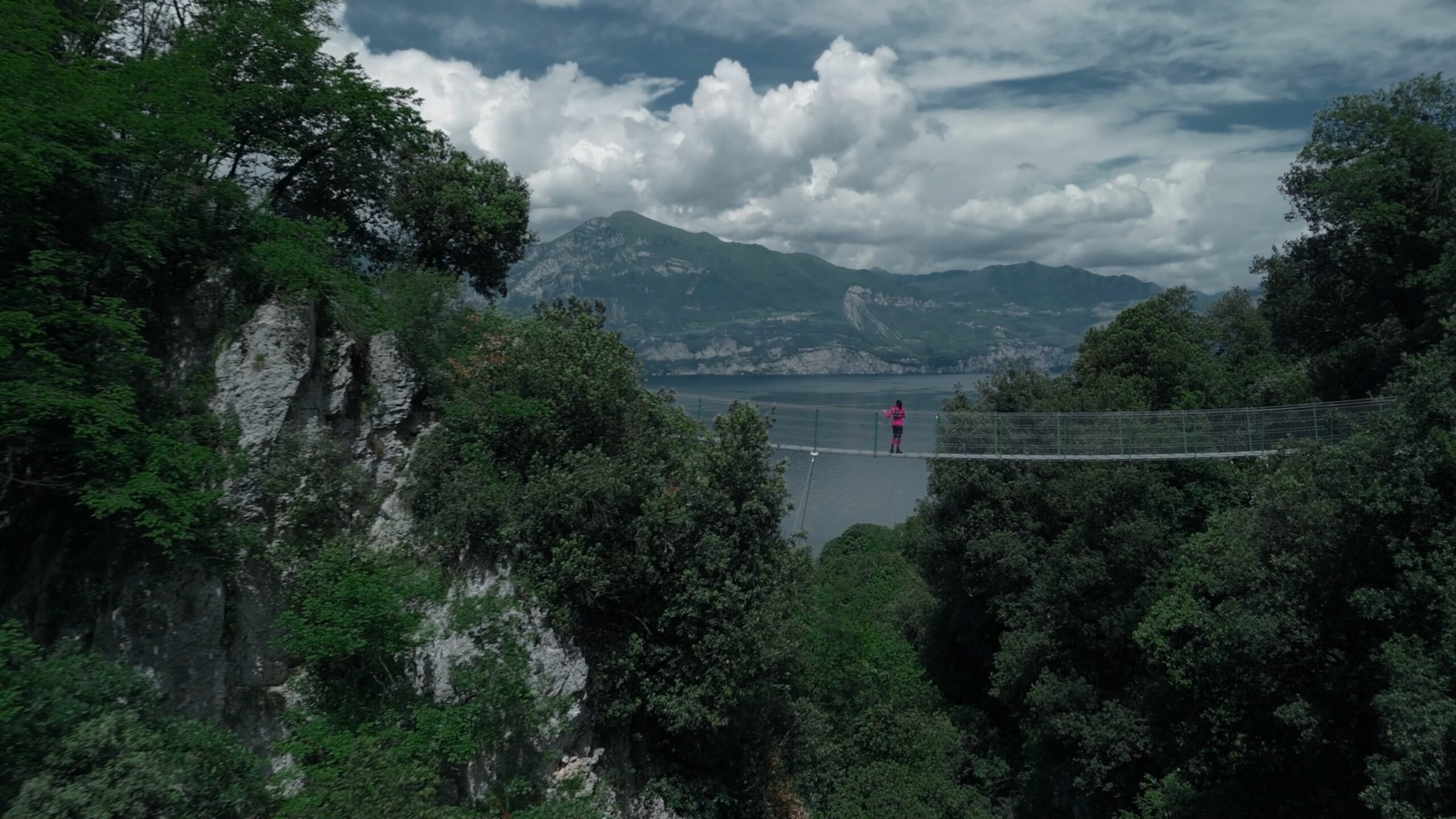
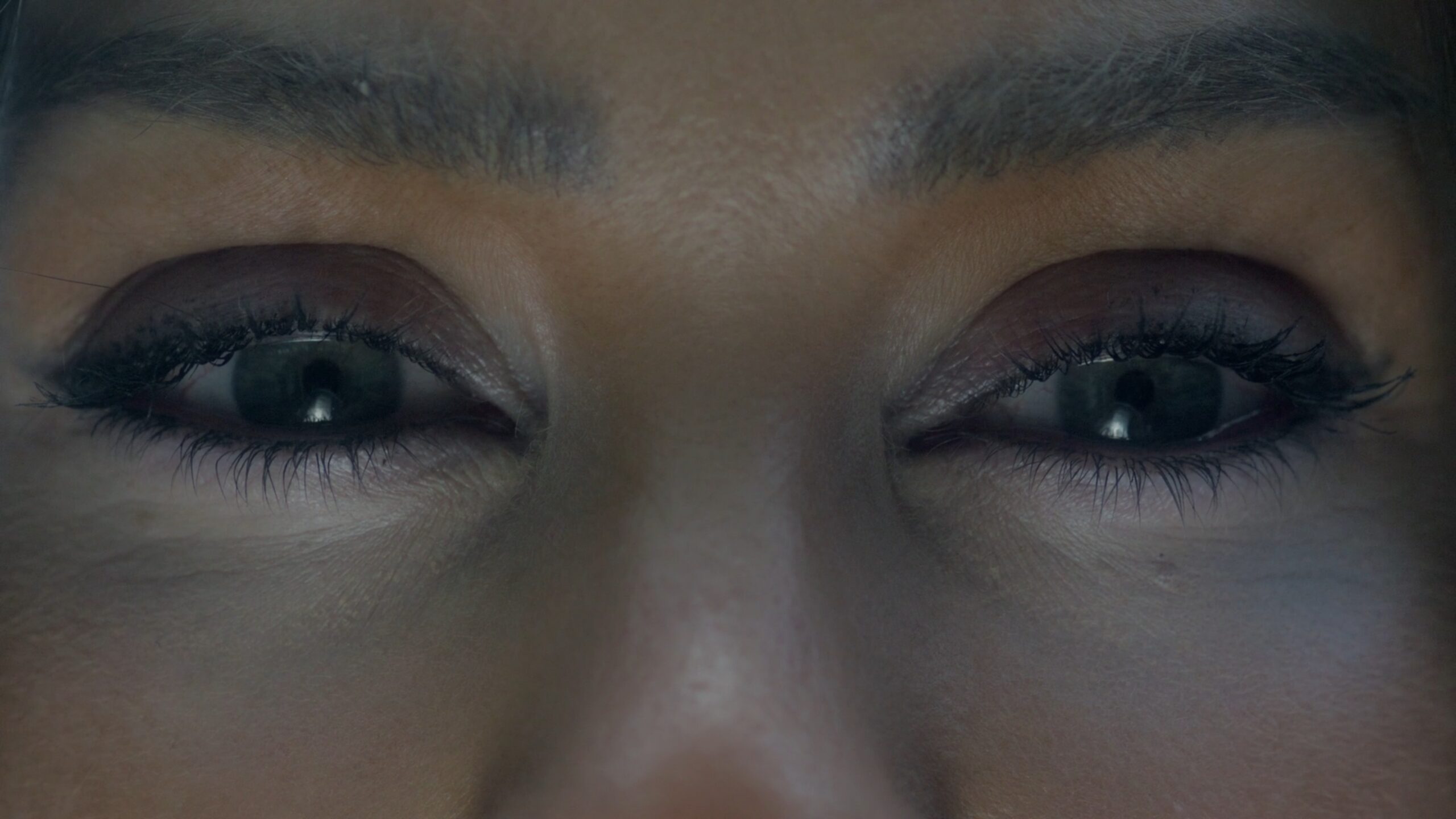
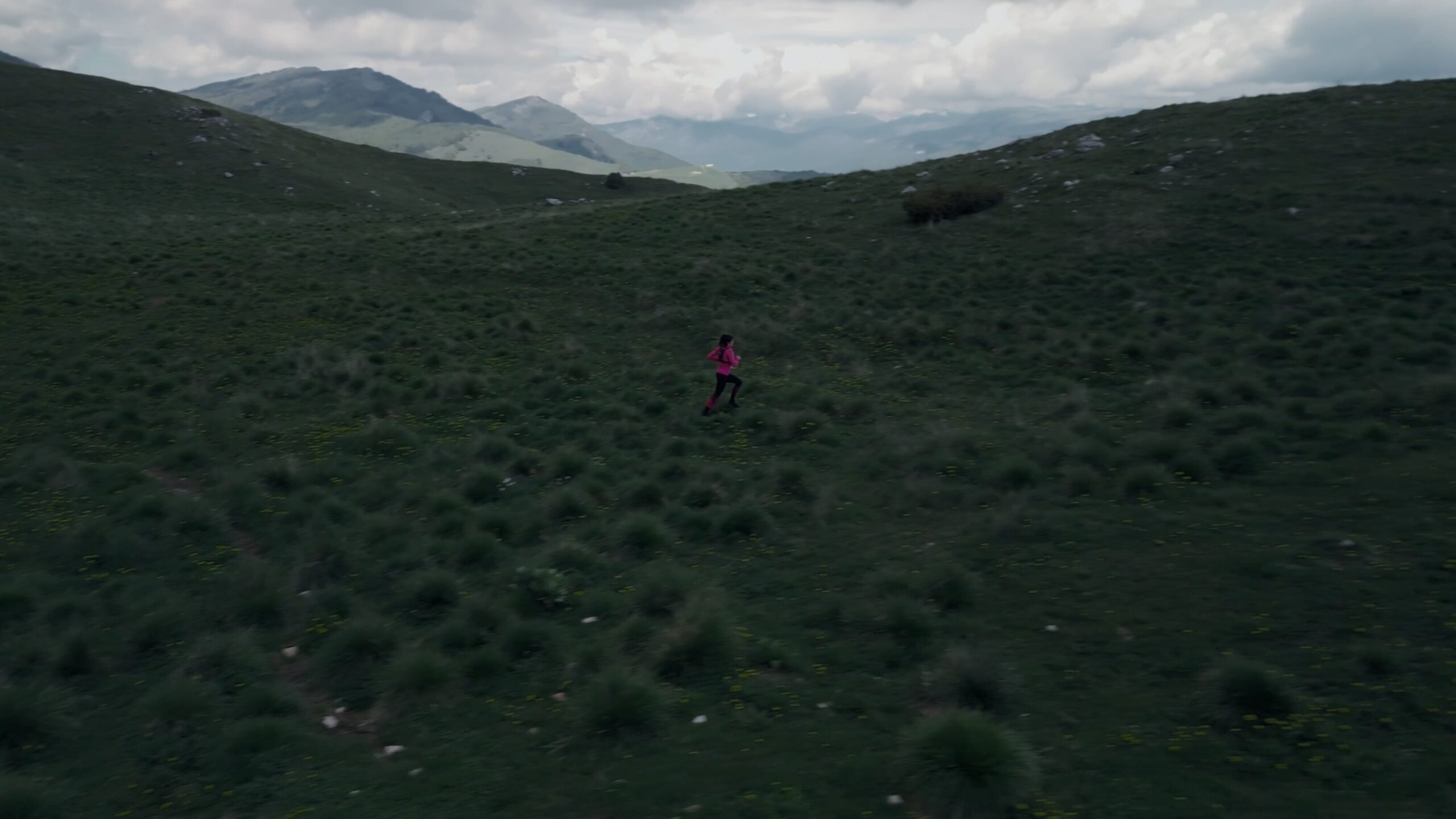
These clever transitions make the experience feel immersive and interactive rather than static. The direction makes excellent use of intimate face-to-face close-ups, while also employing sweeping, cinematic shots to capture the breathtaking panoramas and architecture of the region, often eliciting an internal—and occasionally audible—‘wow’.
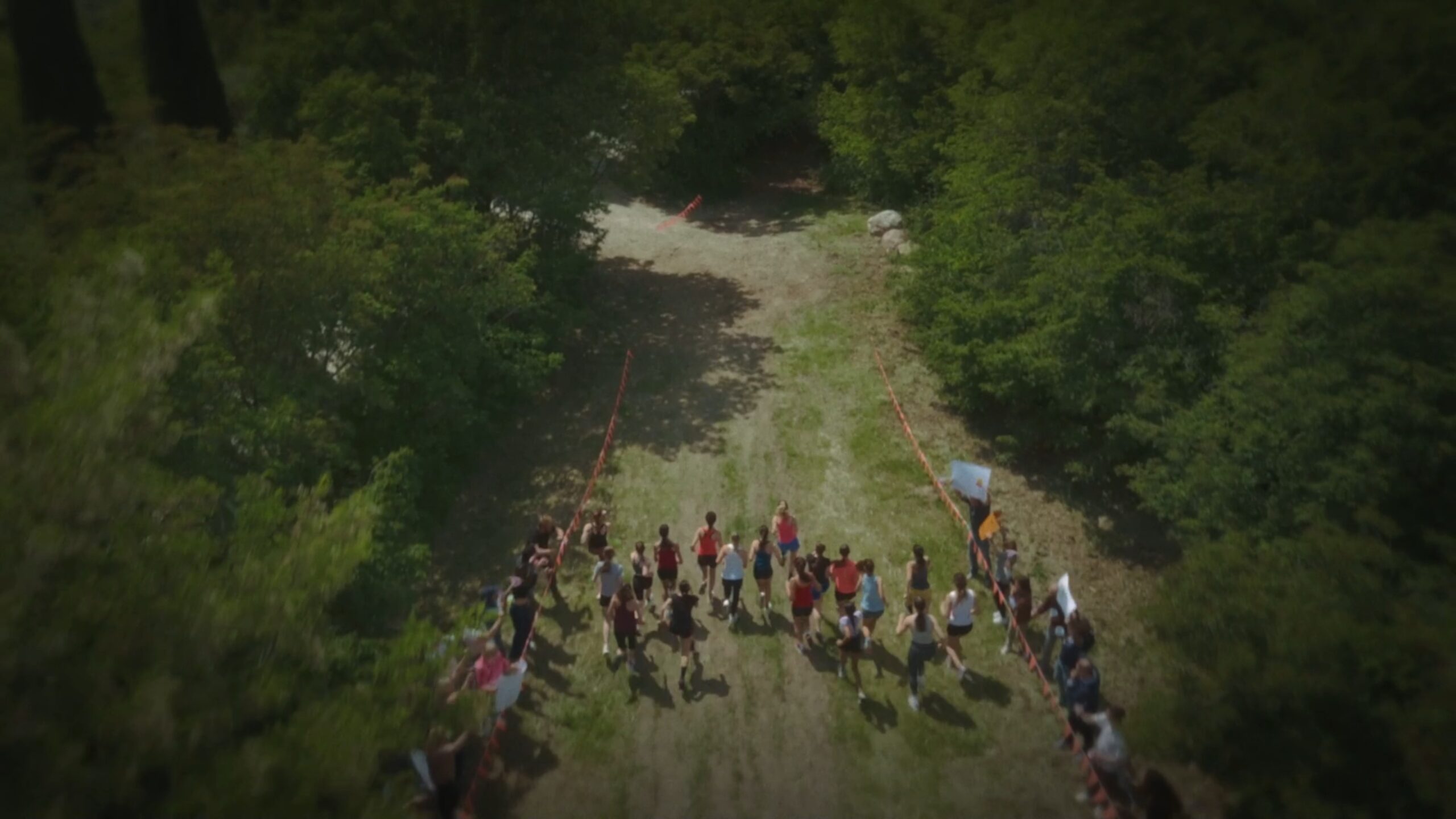
Jump scares, a common pitfall in the genre, are thankfully used sparingly. During the many chase sequences, a bird’s-eye view is frequently employed to emphasize the protagonists’ insignificance within the unfolding nightmare. This sense of drama is regularly interspersed with bursts of action, with tension peaking during intense one-on-one combat featuring seamless camerawork and tightly choreographed stunt work. After the peak of suspense, the action is punctuated by brief pauses—be it a phone call or a disturbing detail in the environment—setting the stage for the next surge of anxiety.
On the Run—from Themselves
In terms of individual and interpersonal development, both main characters remain somewhat one-dimensional. While bits and pieces of their personal lives—loved ones, past and present—are revealed over time, they are so preoccupied with surviving (and keeping each other alive) that there is little room for deeper emotional exploration.
Zanna, especially early on, seems almost eager to court danger for the sake of content, constantly running with earbuds in, replaying her own podcast, or cranking up upbeat music to push herself harder. This reckless behavior continues even during scenes that could easily turn lethal given the circumstances.
Still, much like Matteo, she carries a certain trauma, presented in parallel with the main plot through a series of progressively unfolding flashbacks. Naturally, it is up to the player to piece together what exactly transpired. I found the one-time use of an echoing sound effect in a single flashback scene particularly effective, as if to make past events reverberate into the present.
The growing realization that the protagonists are both hunted prey—and simultaneously fleeing the demons of their own past—adds a third layer of meaning to the film’s narrative and title.
Familiar Tropes, Willingly Embraced
Naturally, The Run, like many horror fiction films, contains its fair share of predictable clichés and glaring plot holes—especially given how much of the story revolves around the use of Zanna’s smartphone. A fully charged battery and often excellent reception, yet somehow never used in a meaningful way, all justified by the genre’s well-worn narrative excuses to keep the plot moving. No, the story doesn’t collapse because of it—but these types of cracks are familiar and clearly visible.
Still, that doesn’t diminish the fun of intentionally refusing to help someone, resisting at the wrong moment, or deliberately falling into the clutches of your pursuers, simply to unlock the scene and witness the visceral results.
That said, the game’s five endings feel somewhat underwhelming, as they remain rather similar despite the various choices and twists. The Run does not offer a narrative that’s meant to be fully solved; instead, you assemble a puzzle where some pieces fit neatly while others remain frustratingly loose. A fondness for surrealism certainly helps—but then again, the allure of the unexplained simply comes with the genre.
A Smooth-Running Experience
From a technical gameplay perspective, there is little to fault. Checkpoints are sensibly spaced and provide sufficient contextual buildup when resuming after a break. The scene-skipping feature—unlocked after your first full playthrough—does present a couple of quirks. Some scenes cannot be skipped at all, for reasons that remain unclear. Additionally, the on-screen prompt for an Xbox controller displays “RT” when “RB” is actually required to skip.
Subtitle size is something to keep in mind when playing on a 4K television; to ensure they are comfortably readable, you’ll likely want to set them to the maximum size right from the start.
The musical score, however, is superbly handled. From the intro screen, it immediately sets the tone with a hard-hitting, cinematic theme. Throughout the game, a varied soundtrack anchors the experience. Uptempo tracks drive the action during high-tension moments, while operatic pieces provide a haunting backdrop without overpowering the scenes. Atmospheric ambient compositions—often centered on low, restrained piano chords—fill the quieter moments when dialogue fades and the camera focuses solely on the rhythmic act of running.
Final Thoughts
With two distinct main routes and a wealth of narrative branches, you’ll find yourself diverted onto numerous side paths, all of which can later be reviewed via a graphical flowchart in the Stats menu. This includes missed scenes, the twenty different ways Zanna (and often Matteo) can die, and five—admittedly somewhat similar—endings, the most elusive of which is not particularly easy to unlock.
As a result, you can easily spend several hours with The Run, despite it containing “only” a little over three hours of total filmed footage. Personally, it took me more than six hours to uncover every secret.
In the end, The Run proved to be an entertaining experience—especially when played cooperatively for the first time. The plot may not be the deepest I’ve encountered in an FMV due to its more limited choices and outcomes, but thanks to its sustained tension, strong performances, and the intrigue involved in piecing together its narrative fragments, The Run ultimately knows exactly where it’s going.
Additional Information
Release Date: Feb 5, 2026
Reviewed On: PC. Download code provided by the publisher and PR agency.
Developer: PRM Games
Publisher: PRM Games
Relevant links: Available on Steam, App Store, and Google Play
 DaRmaZat