 DaRmaZat
From the makers of The House of Da Vinci comes another intricate journey into science, mystery, and invention.
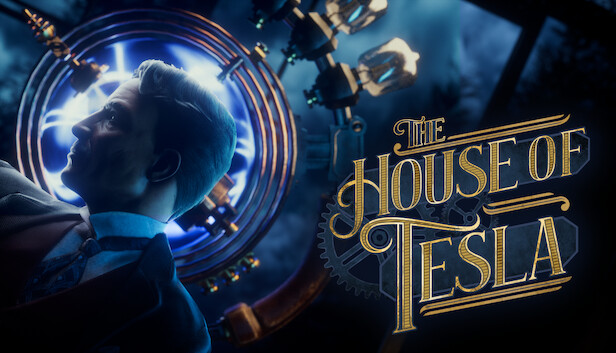
The House of Tesla is a puzzle adventure that drops you into the storm-lashed world of Nikola Tesla’s Wardenclyffe Tower project, challenging you to restore wireless electricity, uncover hidden devices, and dive deep into the mind of one of history’s greatest inventors. It’s atmospheric, brain-teasing, and quietly educational, blending mystery with science in a way few puzzle games dare attempt.
Worlds Built on Current
The story takes its inspiration from Project World Wireless, Tesla’s 1903 attempt to revolutionize the world through free, wireless transmission of energy. From the opening storm outside Tesla’s office—where lightning rattles the windows and his laboratory hums with strange contraptions—the tone is set: eerie but calming, unsettling but also meditative.
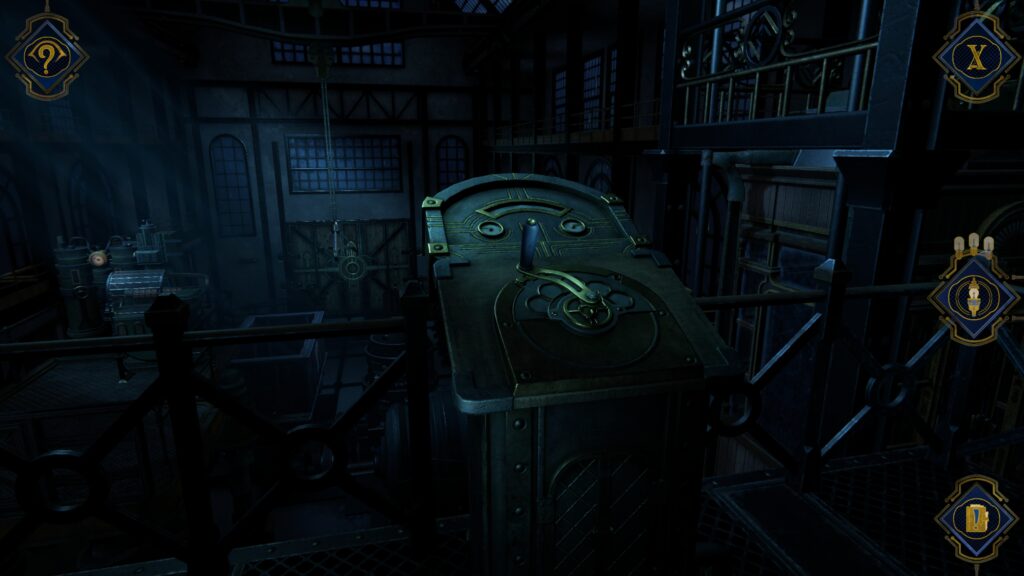
Through documents, experiments, and carefully staged flashbacks, the game shows both the ambition and downfall of Wardenclyffe. You’ll explore Tesla’s abandoned facilities in New York, wander through dark industrial halls, and even catch a glimpse of the Chicago World’s Fair. Along the way, expect plenty of reading—scientific notes, Archimedes references, technical blueprints—that ground the fiction in real history while adding layers of intrigue.
Where Science Becomes Play
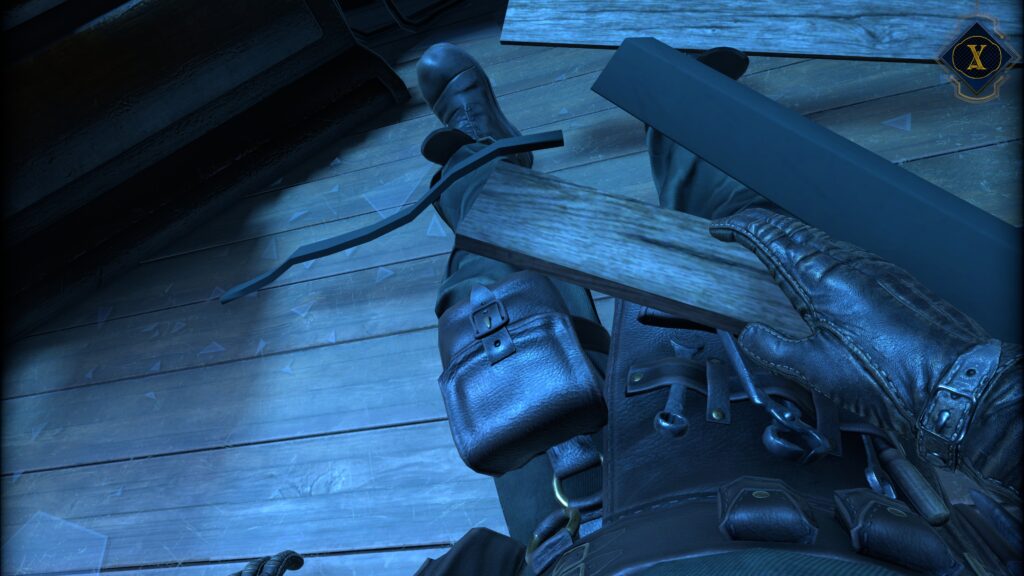
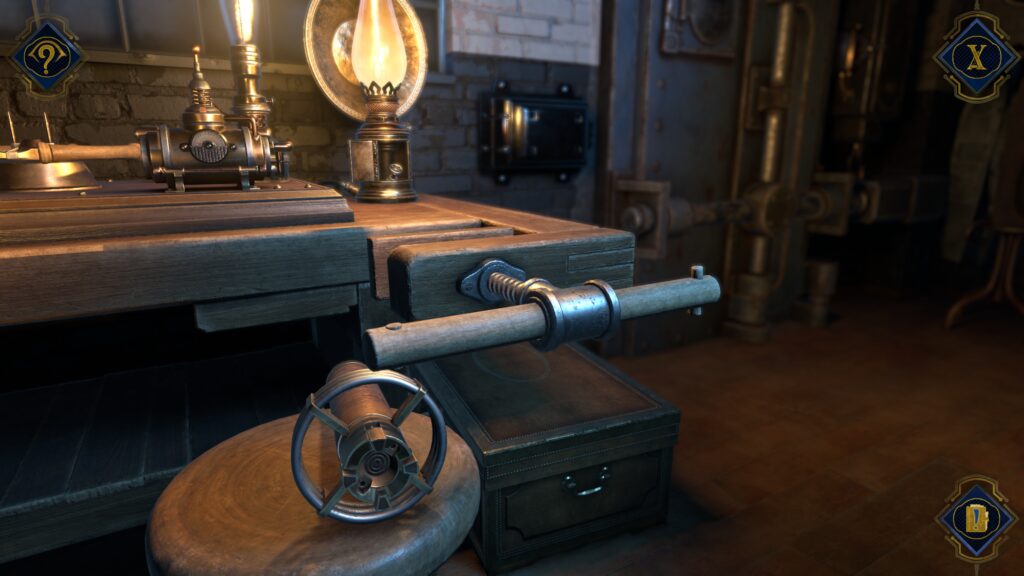
At its core, The House of Tesla is classic puzzle gaming in the tradition of Zork and Myst. You begin locked in Tesla’s study, a room crammed with curious instruments, and your first challenge is simply to work out how to escape. From the start, everything hinges on careful observation and deliberate interaction. Clicking and zooming is precise by design: a single click lets you pick up an item, while a double click draws you deeper into its details. The interface adapts as you move, with icons shifting from a magnifying glass for inspection to a hand for manipulation or an arrow for moving further in.
Objects themselves feel satisfyingly physical. You don’t just press a button—you hold and drag a cord, twist a lever, or rotate a gear until it clicks into place. Physics interactions are heavily polished—ropes sway, gears click, switches feel mechanical. Inventory puzzles push this even further, often demanding that you reshape or combine items. A gear might need to be rotated, components slid into alignment, or two pieces clicked together to form something new.
There’s an element of trial and error here, but it rarely frustrates. Sliding block challenges, rotating cube sequences, and mechanical lock-and-key riddles all make appearances, yet the solutions are almost always hinted at in the environment. That smart design choice ensures the puzzles stay engaging without breaking momentum, giving you the sense that you’re solving them through insight rather than brute force.
Wiring The Knowledge
Progression is tied to a prototype Tesla device you assemble early on. It lets you detect electrical circuits, highlight areas of high electromagnetic potential, and transmit wireless power between nodes. Each chapter revolves around repairing broken systems—restoring flow in a shattered facility, reactivating machines, and moving forward room by room.
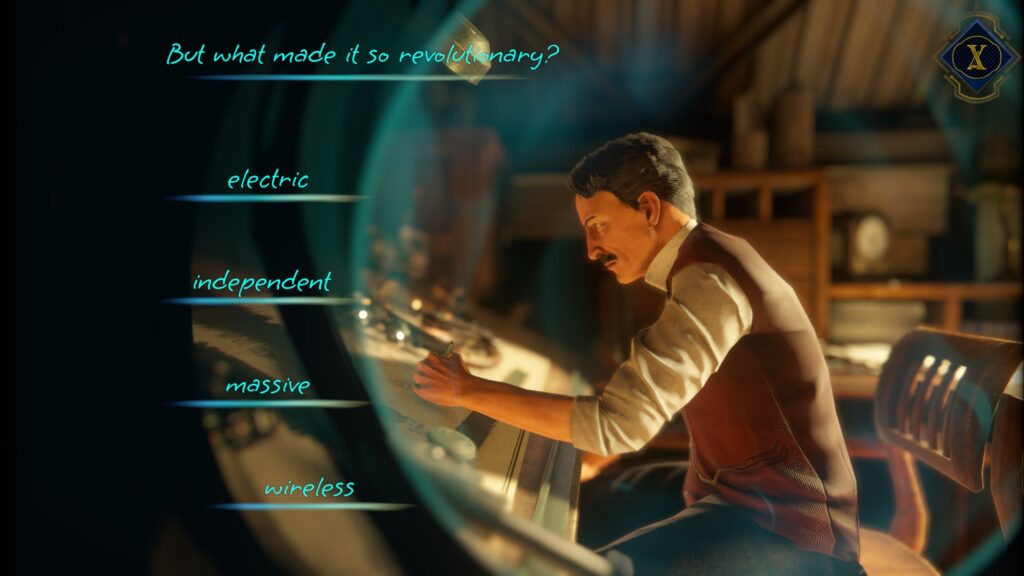
Some puzzles put you directly at a desk with a design to reconstruct; others test you with multiple-choice “science quizzes,” voiced and interactive, where you drag answers into place. It’s educational in disguise, delivering real concepts of power transmission and modulation while making you feel like the genius holding the tools.
Comfortably Accessible
The House of Tesla‘s quality-of-life systems support the slower pace. A tiered hint system (visual or text-only, selectable in options) lets you peek as much or as little as you need. You can also restart puzzles from scratch—though oddly without a confirmation warning. Three separate profiles allow multiple playthroughs, whether you want to start fresh or share with family.
Unfortunately, only gamepad controls can be configured and tested in the options. As a result, classic point-and-click mechanics may take some getting used to—particularly the mouse’s double-click for zooming—but once learned, they feel intuitive. Visually, the game is modern and atmospheric, with rotating perspectives during zooms and short cutscenes that keep the world alive. The ambient score perfectly balances eerie storms with calming background tones, gently nudging you into focus mode.
Final Thoughts
The House of Tesla succeeds at something deceptively difficult: turning complex scientific ideas into engaging, tactile puzzles. Its handcrafted challenges, layered hint system, and educational undertones make it more than just another puzzle game—it’s a quiet, rewarding journey into history and imagination. From time to time, it truly immerses, letting you feel the spark of discovery with every riddle you solve.
If you loved The House of Da Vinci, this is a worthy successor. For science history buffs, or anyone who wants to lose themselves in a meditative but brain-stretching experience, Tesla’s tower is waiting.
Additional Information
Release Date: Sep 23, 2025
Reviewed On: PC. Download code provided by the publisher and PR agency.
Developer: Blue Brain Games
Publisher: Blue Brain Games
Website: The House of Tesla
Relevant links: The House of Tesla on Steam