 DaRmaZat
Sometimes sequels try to reinvent the wheel, but Dying Light: The Beast feels far more like a continuation—a darker, bloodier evolution of what Techland has done before. It’s brutal, drenched in gore, and at the same time, strangely comfortable in familiar territory. If you’ve been with Kyle Crane since Harran, you’ll recognize much of the DNA here. Only this time, quite literally, that DNA is mutating.
The Beast Is Loose
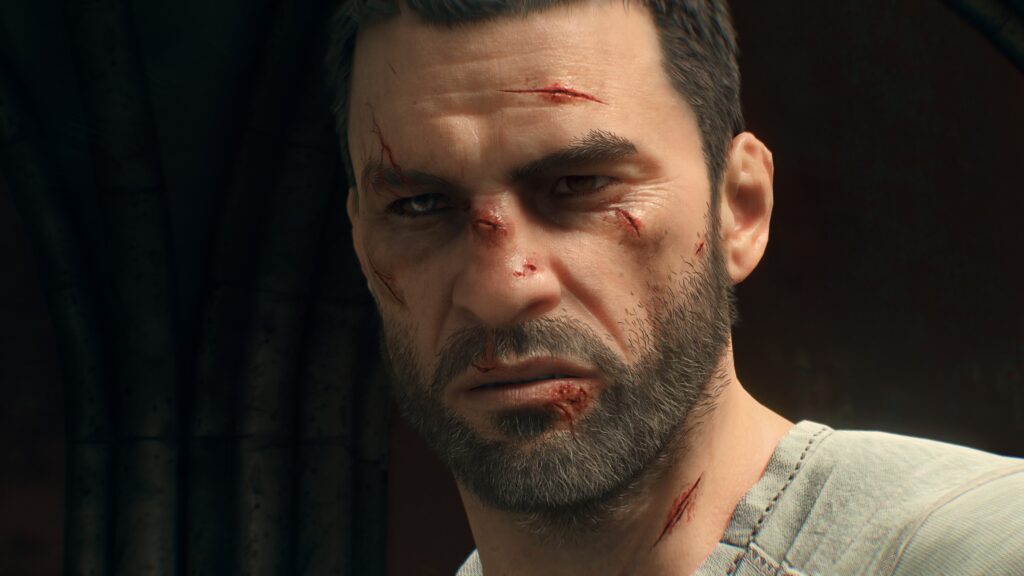
More than 13 years after the events of The Following, the first game’s expansion, Kyle Crane is a prisoner in the lab of the Baron, a rogue scientist with a private army, obsessed with studying his resistance to the infection. After enduring a long series of grotesque experiments, he is no longer fully human: part man, part beast, struggling with powers he can barely control. Eventually, the Baron finds a new test subject and prepares to discard Crane—but thanks to Olivia, a sympathetic lab assistant, he manages to escape. With Olivia staying in touch, Crane arrives in Castor Woods, a fictional alpine valley inspired by the Swiss Alps and Polish Tatras.
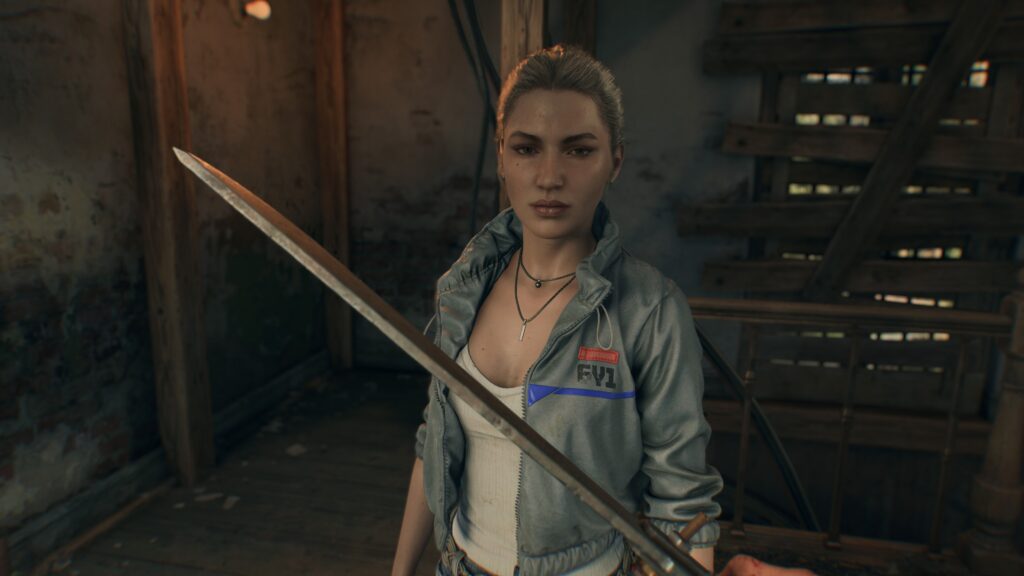
There, he meets a range of allies—some more loyal than others—such as Jacob, “The Sheriff” Florence, and Lydia, the leader of a group of telepathic infected. Together they push him to grow stronger before ultimately taking revenge on the Baron, whose forces are just as dangerous as the infected swarming the region.
True, The Beast’s story follows a narrow, linear track: Kyle wants revenge on the Baron, and every conversation and mission nudges you further along that path. Occasionally, you’ll get dialogue options, but they never change the story in any real way, instead just padding out the thin backstory. Yes, much of the writing leans on clichés, predictable twists, and odd detours, leaving Crane as the only consistently compelling character. The supporting cast is competently voiced but rarely memorable, while more outlandish additions—like the telepath cult—push the tone away from grounded zombie horror into more parapsychological territory.
Castor Woods: The New Battleground
All told, from a monastery safehouse to the sheriff’s church headquarters, from salt mines to an industrial district, Castor Woods is the new playground. The map is large and diverse, with hand-crafted areas throughout, though fast travel is absent—stretching out playtime with plenty of back-and-forth trekking and pushing you to rely on scarce vehicles or good old parkour to get around.
As always in the franchise, combat is where The Beast flexes its muscles—sometimes quite literally. Standard melee weapons and firearms return, both craftable and moddable, but this time they’re joined by Beast Powers that evolve through “Beast Points”. You earn these by slaying hulking Chimera bosses and injecting their GSB extracts. Beast Mode itself begins as an unstable curse: early on, it bursts out of Crane unpredictably, triggered when attacking or taking damage. Later, after upgrading your abilities, you gain more control. The effect is visceral—Crane growling, clawing, ripping, and shattering skulls—but as a mechanic it mainly serves as a framework for the boss fights and the subsequent skill progression.
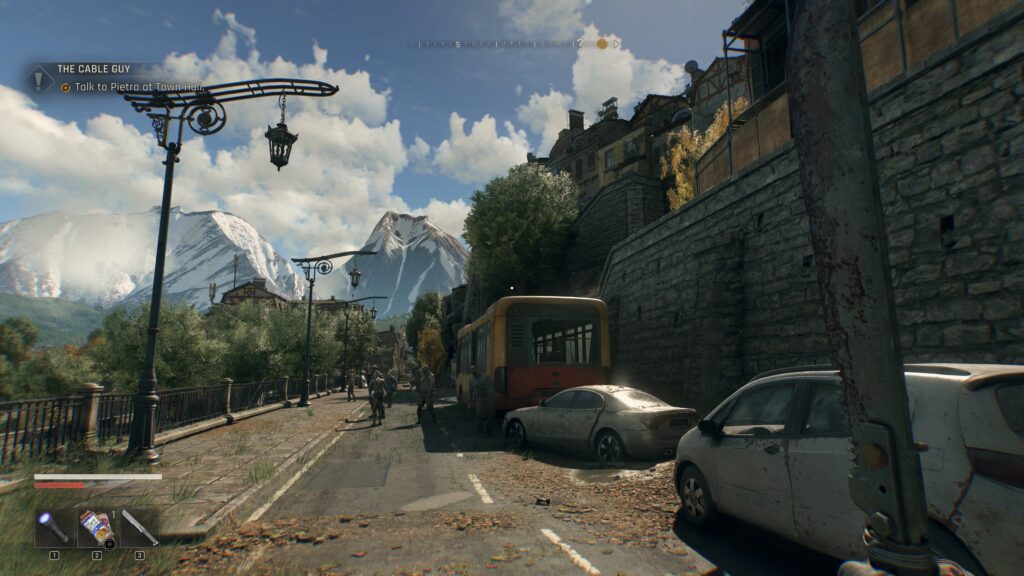
Return to Form Amid Open-World Clutter
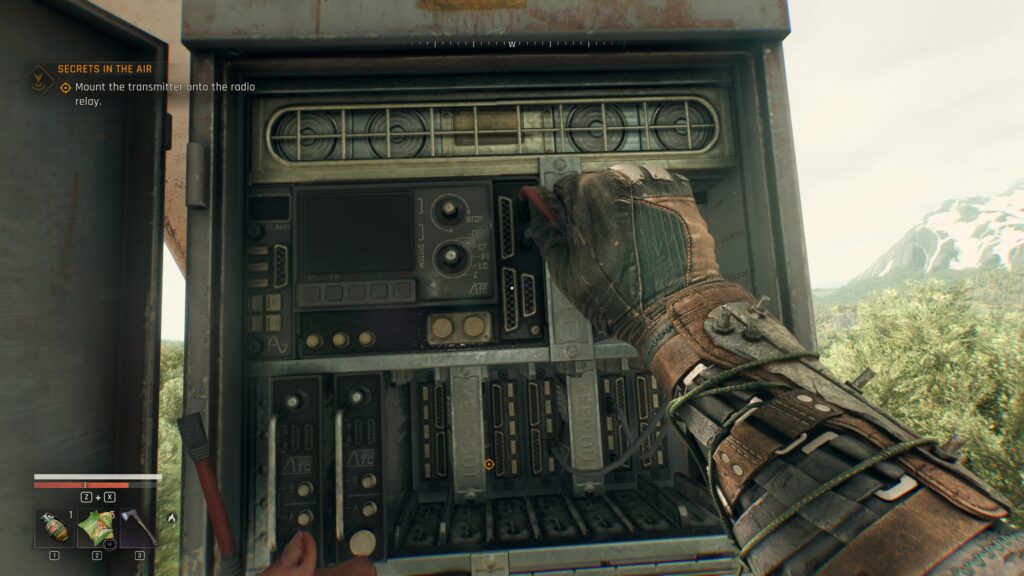
Naturally, old tools and mechanics return too in The Beast. Scavenging scraps and collecting blueprints for repairing and crafting, lockpicking, a grappling hook, and the use of The Witcher-like Survivor Sense for puzzles and investigation—it’s all back. Safe spots and safe zones still need to be cleared, and they remain hubs with beds, stash boxes, and NPCs handing out a myriad of side quests for rewards and XP.
Exactly, outside the slightly refreshed combat, much of the gameplay rests on the same puzzle-like objectives from the previous editions: restarting generators, fixing pumps, installing fuses, or tracking Volatiles. Missions often blur into “kill all the infected”, “race against time to point X”, or “find the keycard”, with only occasional environmental variety breaking the cycle. Along the way, more challenging optional side encounters can appear, such as rescuing survivors against the clock or clearing the so-called Dark Zones for epic rewards.
Night Falls, Gore Rises
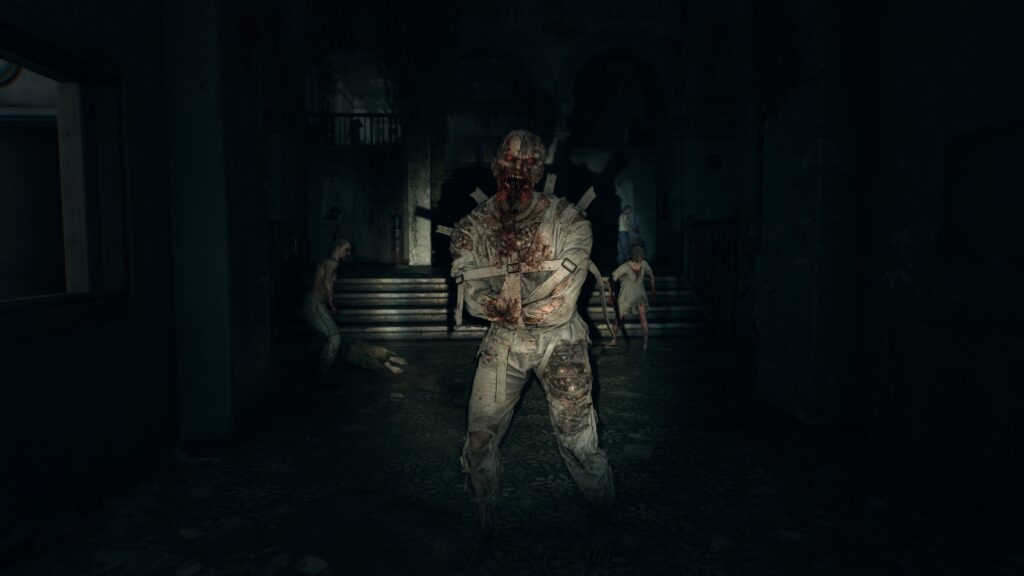
True to series tradition, the game changes dramatically after sundown. By day, you explore, fight, and scavenge. At 7 p.m., the Volatiles emerge, triggering familiar chase sequences that still boil down to “run or die”. These moments remain tense, but the game leans too heavily on them: being swarmed loses its edge when it happens every other quest. Nights are pitch-black, visibility is punishing, and dying costs a chunk of XP, especially on Survival difficulty and higher.
If nothing else, The Beast delivers gore in spades. Heads snap, limbs fly, intestines spill—it’s grisly in a way few other games attempt. The combat feedback feels weighty, and dismemberment never gets old, does it? Running on Techland’s C-Engine, Dying Light: The Beast‘s performance on PC is also excellent with smooth framerates, fluid controls, and parkour that feels responsive.
But visually, this beast tells a different story—one of age rather than bite. Character models, lighting, gore effects, and the sheer density of bodies impress, yet the environments themselves, mostly due to the textures, often feel more 2018 than 2025. The soundtrack hits familiar beats as well, with moody synths, reworked motifs, and a slight overreliance on the main theme—but all its variations deliver genuine tension, so no complaints there.
Final Thoughts
Dying Light: The Beast is as bloody and intense as fans had hoped for, but it rarely surprises. Beast Mode adds a visceral twist to combat, and the sprawling terrain of Castor Woods provides a solid backdrop. Still, the story is predictable, quests become repetitive, and the punishing nighttime encounters can frustrate even seasoned players. Nevertheless, true fans of Crane and Techland’s signature parkour-meets-gore gameplay will have a bloody good time here.
Additional Information
Release Date: Sep 18, 2025
Reviewed On: PC. Download code provided by the publisher and PR agency via Tasta.
Developer: Techland
Publisher: Techland
Website: Dying Light: The Beast
Relevant links: Dying Light: The Beast on Steam