 DaRmaZat
Resonance: A Plague Tale Legacy is a prequel to A Plague Tale: Innocence and A Plague Tale: Requiem, taking us back to a time long before Amicia and Hugo de Rune’s journey through plague-ridden medieval France. Those two games told the story of siblings caught in the middle of a devastating plague, the mysterious Macula disease carried through Hugo’s blood, and the seemingly endless hordes of rats that followed in its wake. Across both adventures, stealth, survival, and a strong narrative focus were the name of the game, with combat generally taking a back seat to keeping the two protagonists alive.
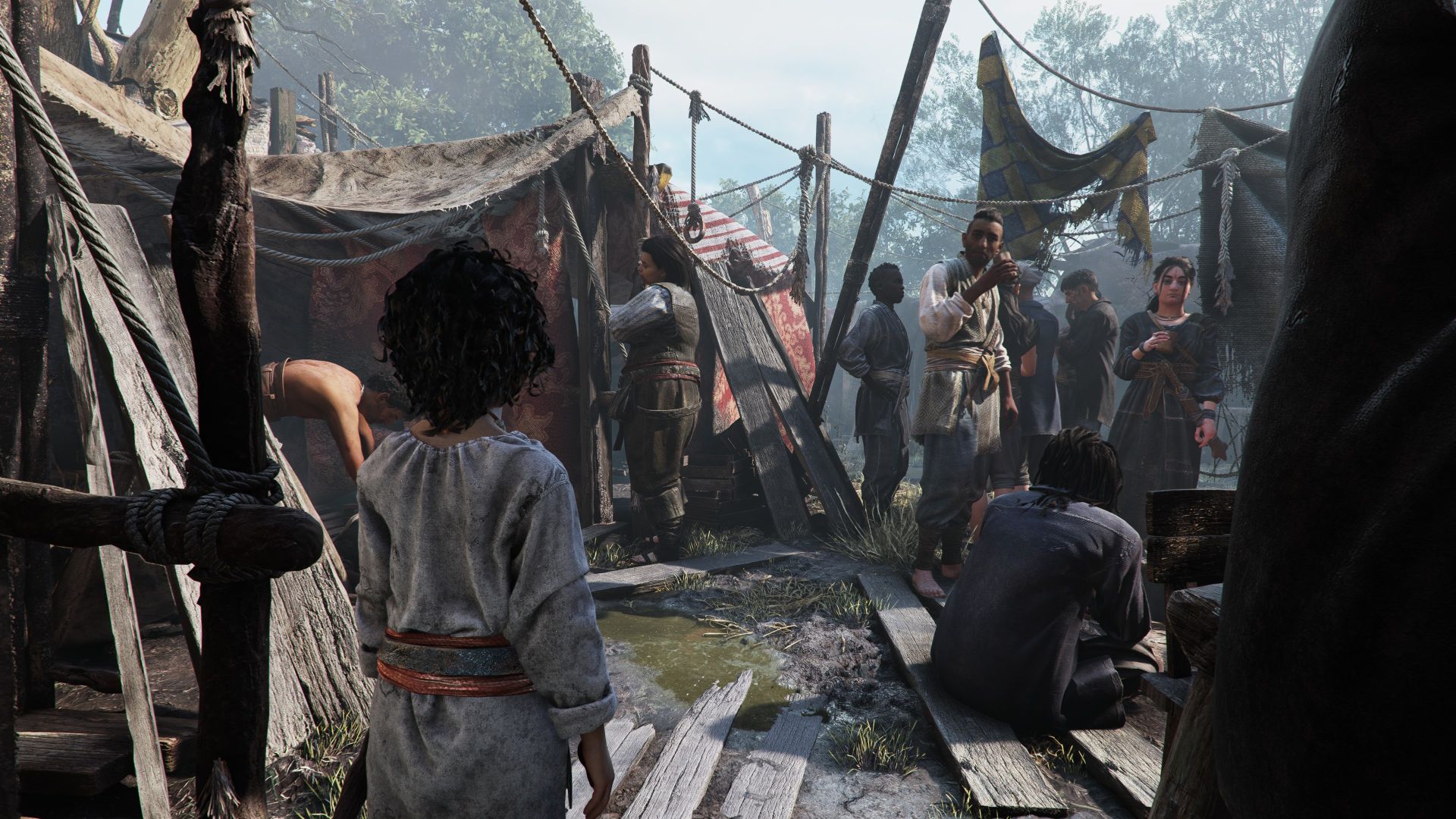
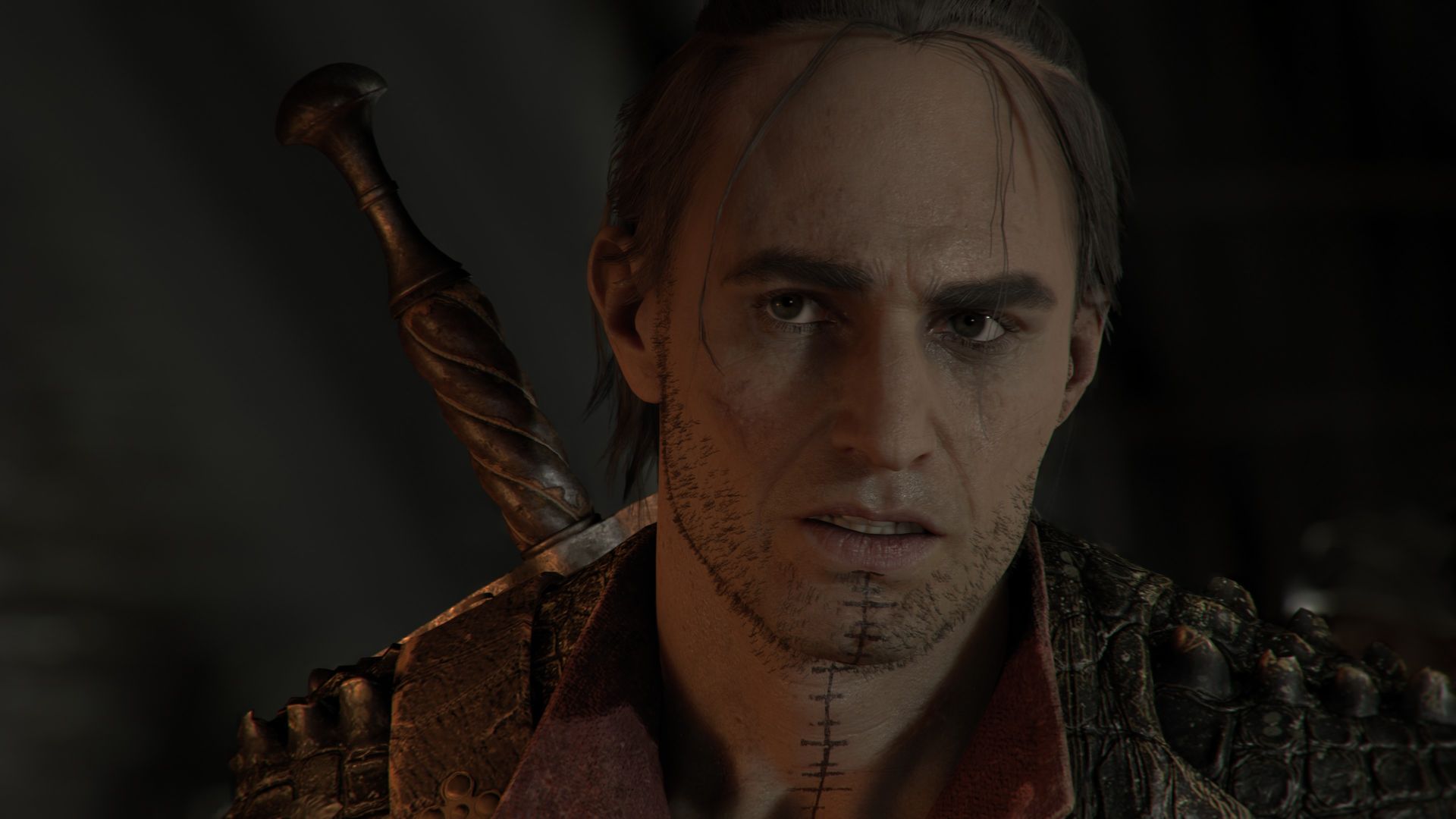
Resonance, however, takes a rather different approach. Set 15 years before Requiem, this new entry introduces Sophia, a young plunderer whose journey is tied to the Macula’s mysterious legacy, while putting considerably more emphasis on direct combat and puzzle-solving. She is determined to uncover the mysteries surrounding the Minotaur’s Island, where a treasure is said to be hidden, while also trying to find the cause of the strange visions she regularly suffers from.
Indeed, as expected, Resonance: A Plague Tale Legacy kicks things off in a very narrative-heavy fashion, with flashback cutscenes depicting Sophia’s childhood, interspersed with walking-sim moments and more active combat-training sections that very obviously serve as a warm-up for the real thing, effectively functioning as a hidden tutorial. We get to know Sophia as a timid child raised by nuns, but it soon becomes clear that they are abusing her for dark experiments involving injections of blood of unknown origin. That is, until the day her father Alec and his accomplice Faro, both ruthless plunderers, free her from the monastery. Sophia does make sure to grab that strange book about occult magic on her way out, though, and it will obviously play a role later on.
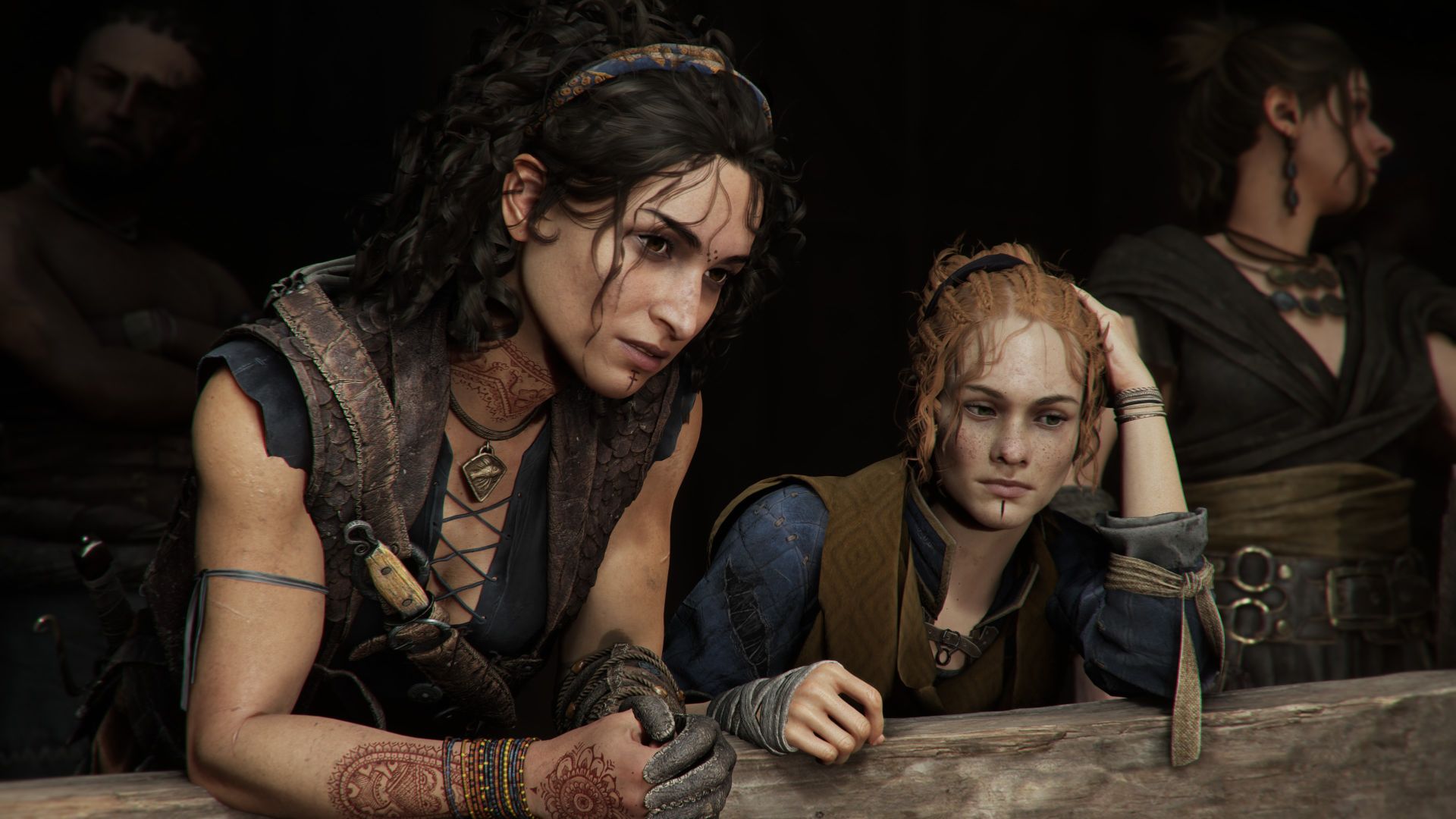
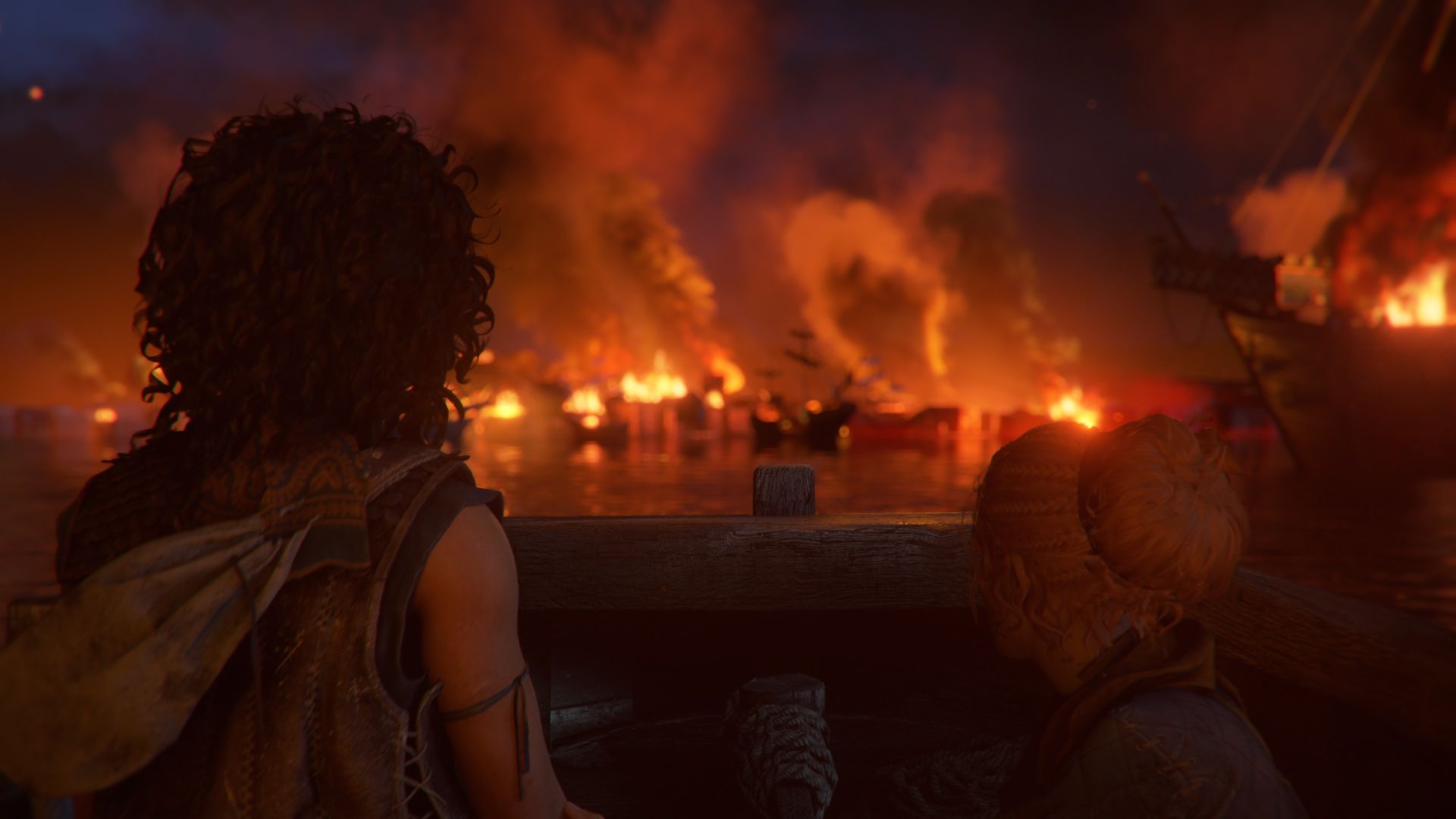
Eventually, she is raised by Faro and the good-natured brute Ezra, until the day they set off on a treasure hunt. By then, Sophia has fully grown into the life of a plunderer, with the crew operating under Faro and the formidable Irene. And from this point on, you are very much along for the ride. Your trust in Faro gradually starts to crumble, but you still have to work together to find the Minotaur’s treasure on an island that requires a special key to access. Before you even get that far, however, you are separated from your crew following a betrayal in Venice and a fire at your hideout. Somehow, you survive the disaster and deal with your opponents. Yes, put euphemistically, Sophia is established as the fearless heroine of her crew from the very beginning, occasionally tormented by eerily lifelike visions of Ancient Greece. And by then, you already know this is going to be one hellas of a ride.
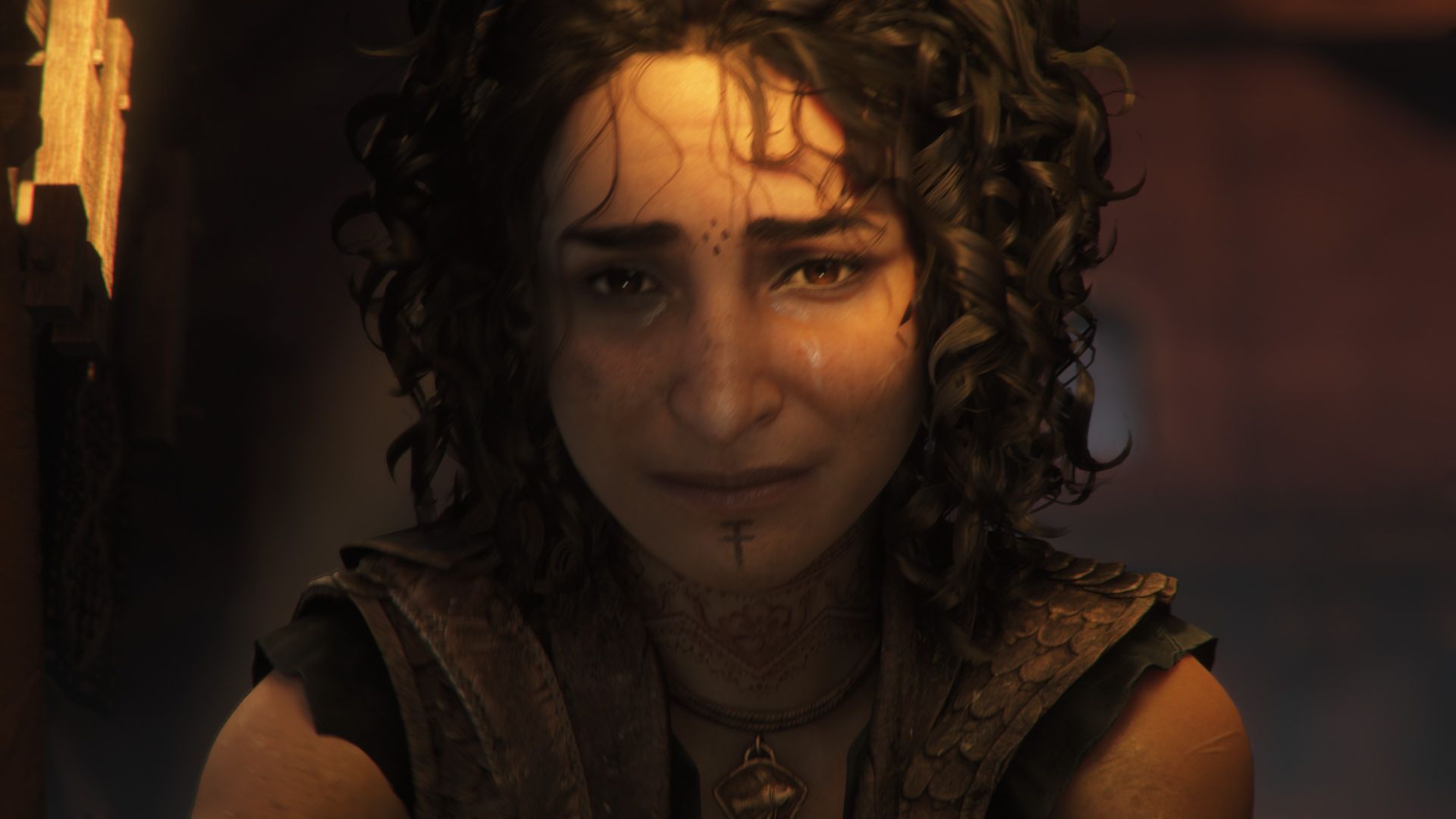
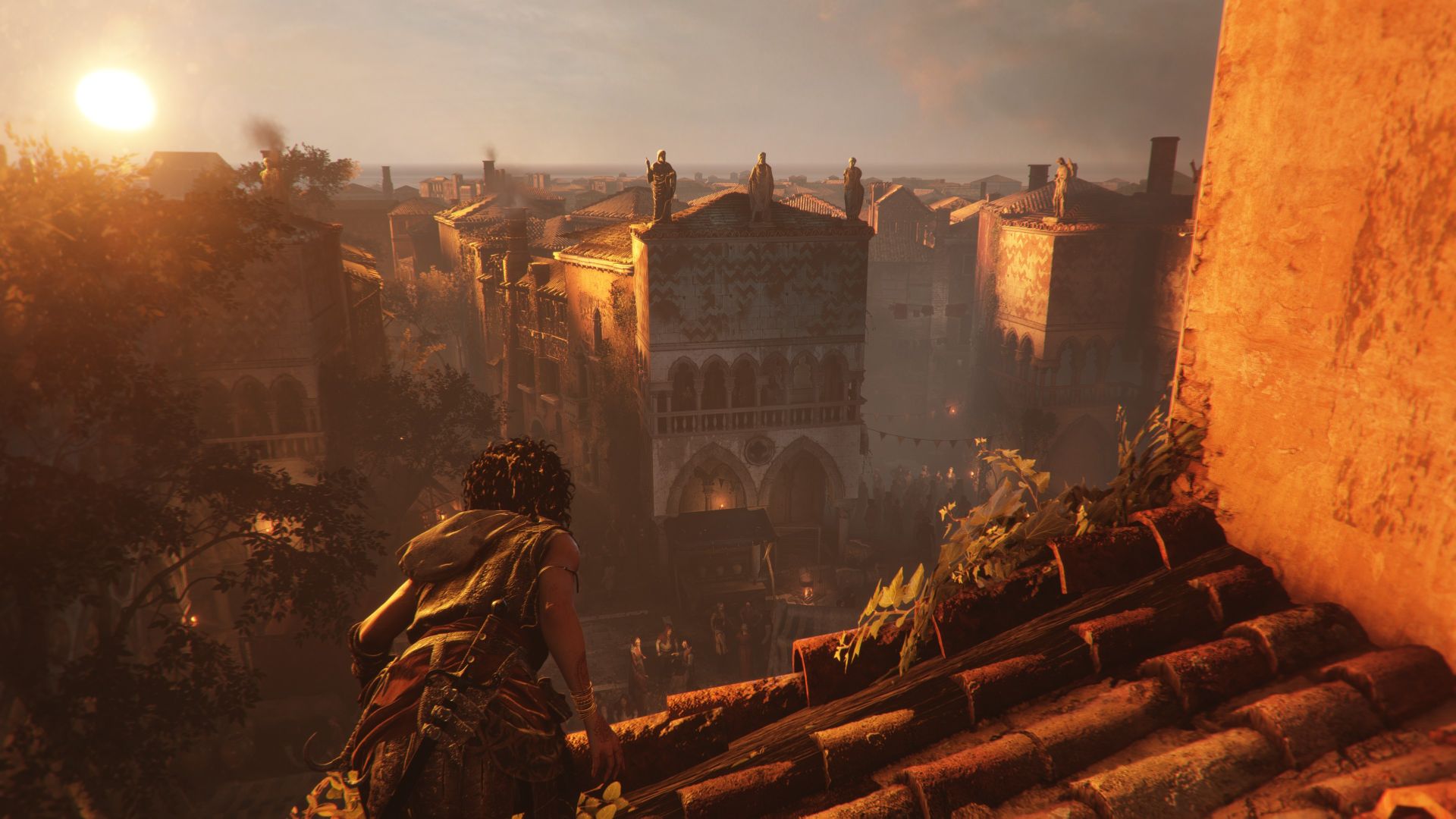
From fairly early on, it becomes clear that you’ll spend the lion’s share of this adventure with Leni, a handy thief who is also your best friend and, conveniently enough, extremely quick at picking locks. Even so, it will mostly be up to your own abilities to unravel the mysteries of the Minotaur’s Island. You do get some help in the form of a highly coveted magical item, however: an ancient sphere that continuously assists you throughout the many puzzles.
At first, these mostly consist of fairly light puzzles, but things gradually evolve into proper trials that do make you think without really bringing the pace to a grinding halt. Yes, this game is more puzzle-heavy than combat-focused, but it genuinely does this side of things quite well. You’ll often be checking and probing your surroundings for a way forward, sometimes with the help of your sketchbook. As the trials become more involved, you’ll have to think a little harder, although the built-in hint system works surprisingly well. Besides consulting your book, you can also ask Leni for help.
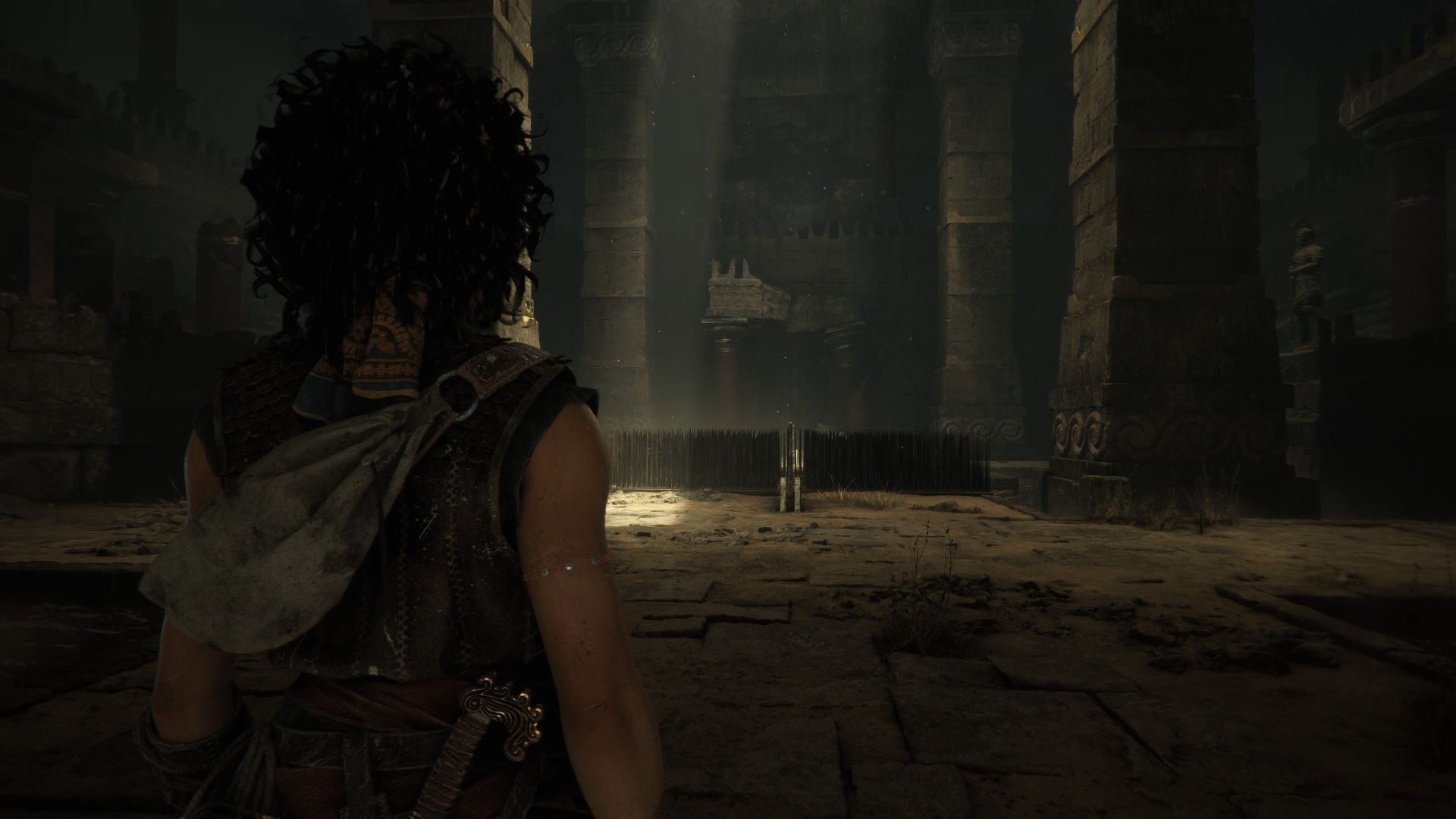
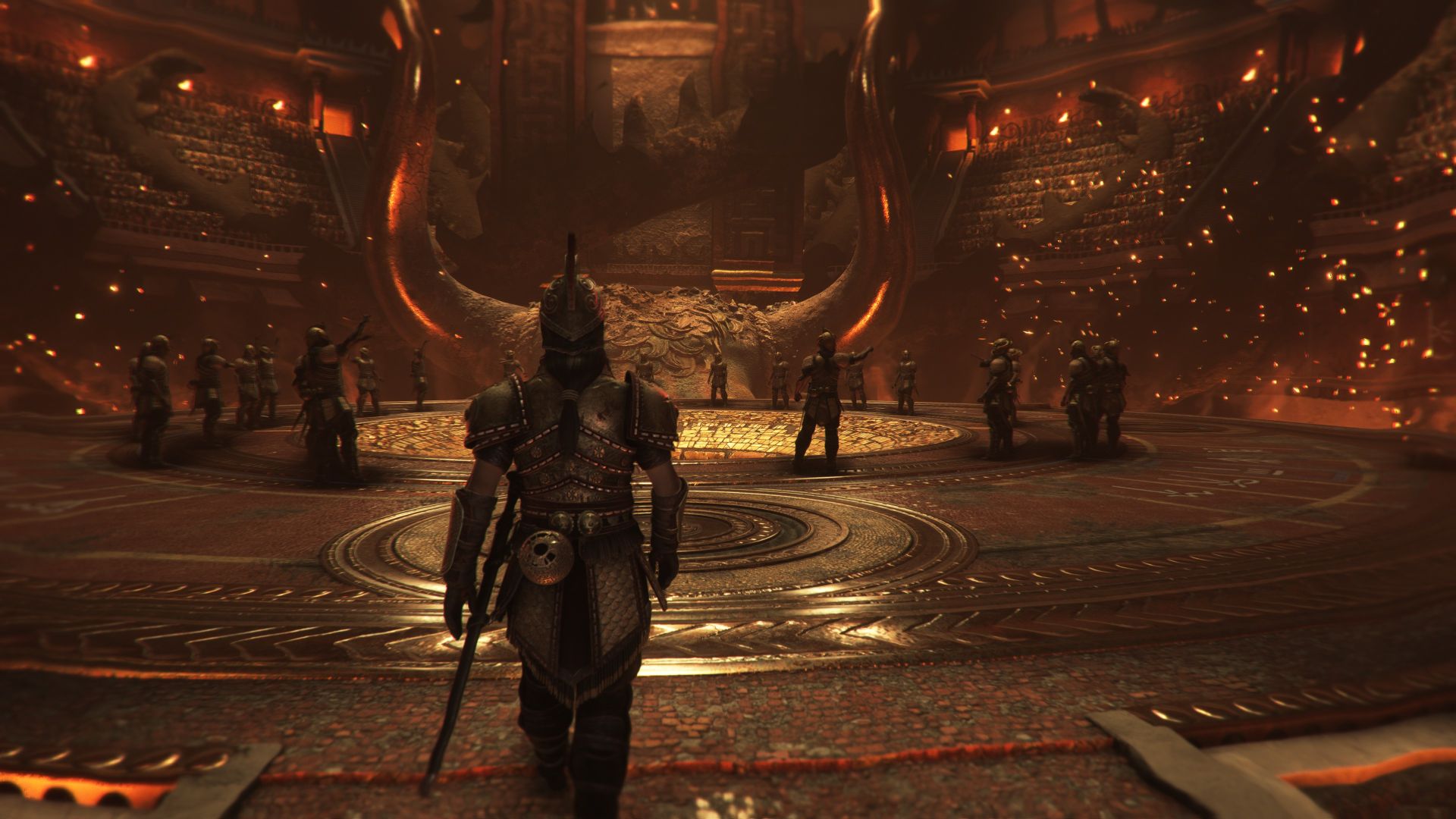
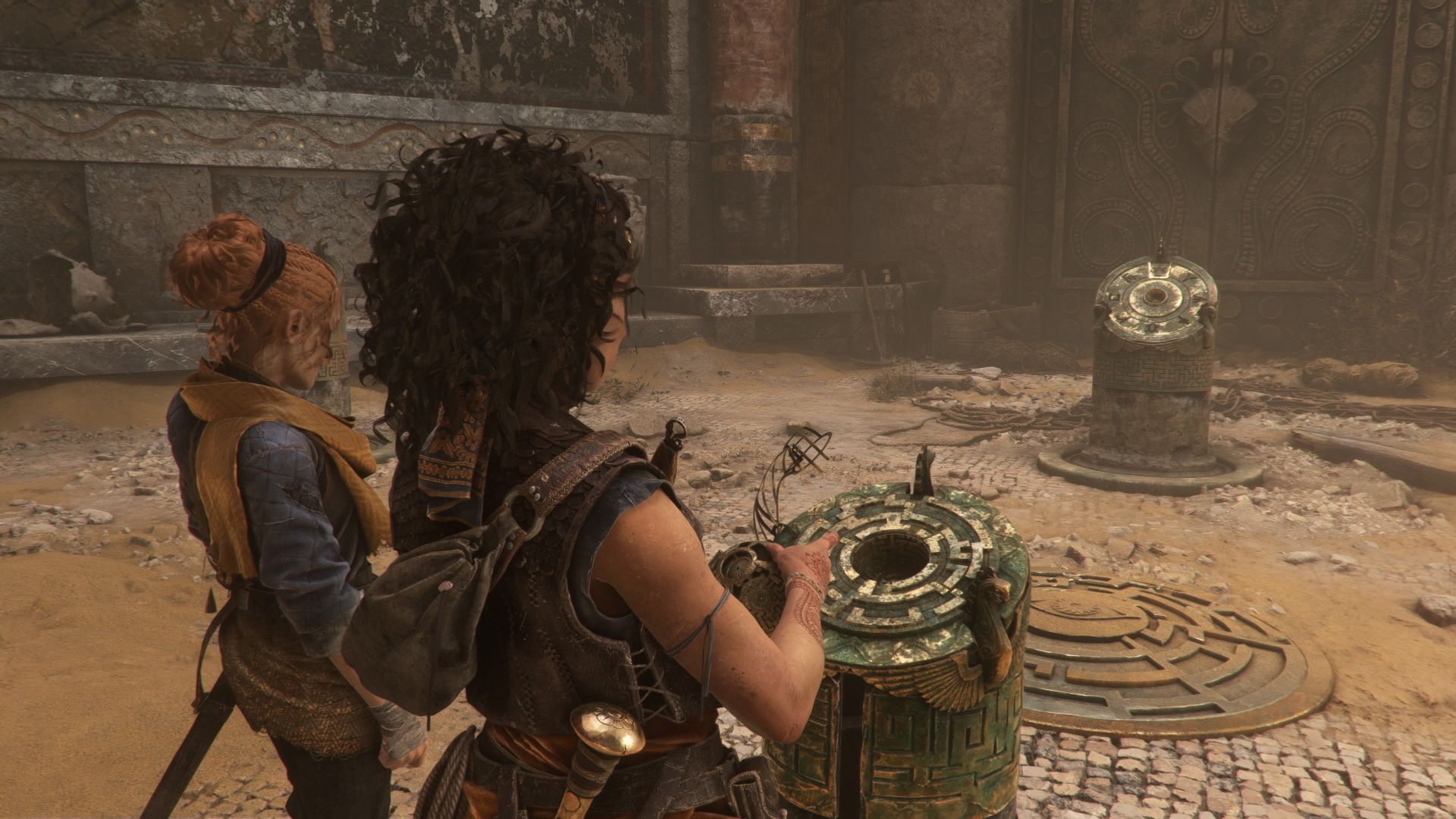
Eventually, the puzzles may become frequent enough and even more complex that certain combat fans could start feeling the pace dip a little. Adding to the riddle challenge is the fact that the magical sphere also unlocks different modes after a while, allowing you to switch between them. There’s a glowing mode that reveals hidden secrets, for example, as well as colored light signals that can activate switches of the corresponding color. On top of that, you’ll regularly have to plug the sphere into consoles and find the correct symbols based on clues scattered throughout the environment or in your notebook.
Indeed, don’t get me wrong: more than ever in this series, Resonance is a narrative-driven puzzle adventure with light combat. In other words, you’ll spend most of your time making your way deeper into the Minotaur’s labyrinth, packed with dangers and riddles, with the occasional bout of combat thrown into the mix. And those fights generally aren’t too troublesome. In fact, I’d recommend veterans crank up the difficulty, because on the default Normal setting, I barely died at all. Even the red attacks that cannot be blocked are easy enough to dodge.
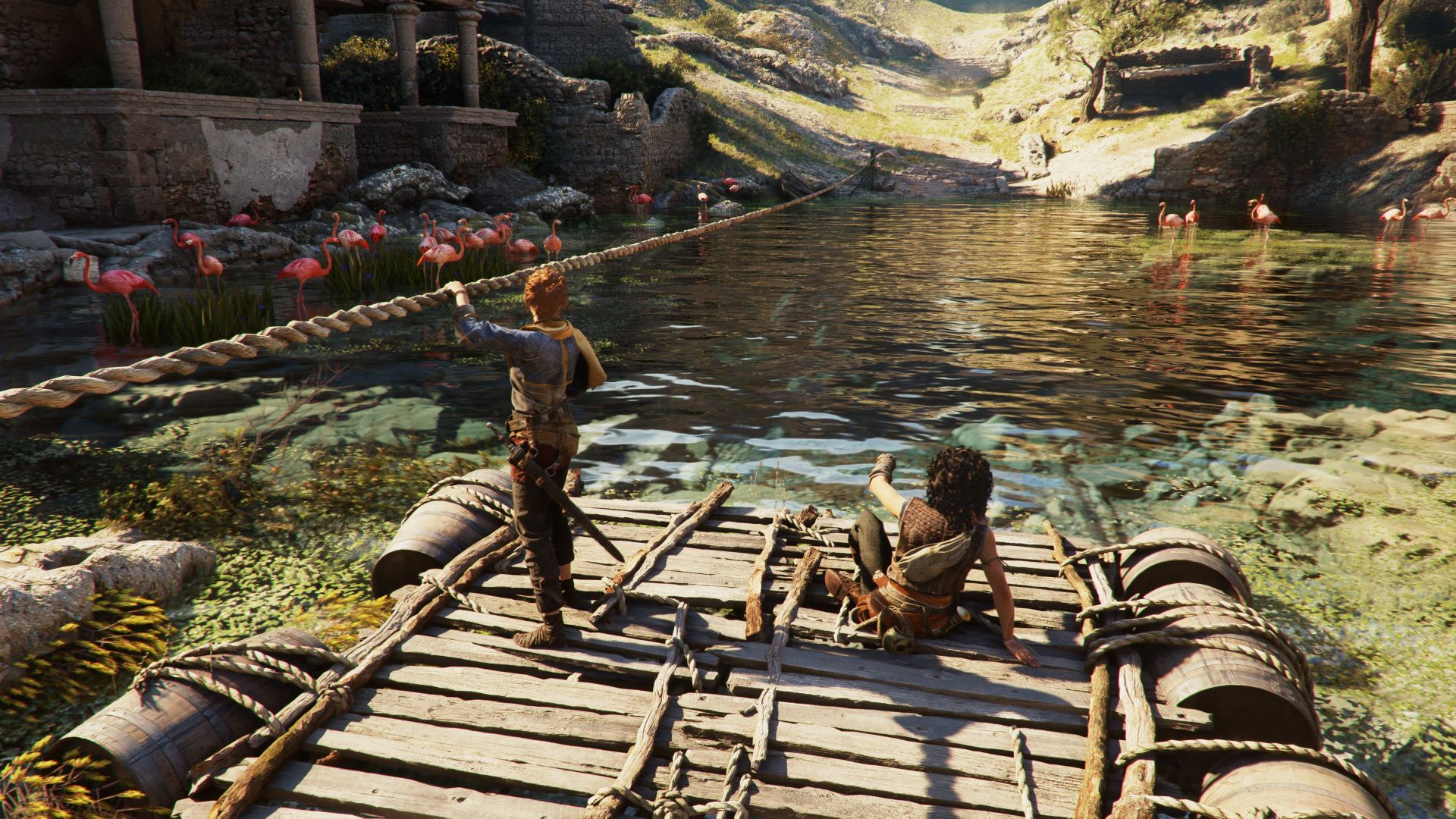
However, during this rather basic combat, the expansive choral score does a great job of adding weight to the action, just as it does during the more intense moments – there are some escape sequences as well – which makes the whole experience feel considerably more epic. Yes, this entry is once again atmospherically sublime, with a soundtrack that can be impressive, wistful, melancholic, relaxing, or tense, always seemingly tailored to whatever is happening on screen.
And yet, you do get the occasional wake-up call in the form of combat. You can parry incoming attacks with one of your blades, with timing being key. That said, the parry windows and hitboxes are very forgiving on the standard difficulty. There is also a critical strike system, performed with your dagger by holding the attack button after successfully parrying a yellow attack. Certain weapon types also deal bonus damage after such a critical. You can kick to break defensive postures, and there’s even an air strike. Notably, killing enemies also restores one health point. If you’re wondering where the easiness comes from, that might be one reason. On top of that, you can find Resonance Points scattered around the world, which can be used to unlock and upgrade your skills even further.
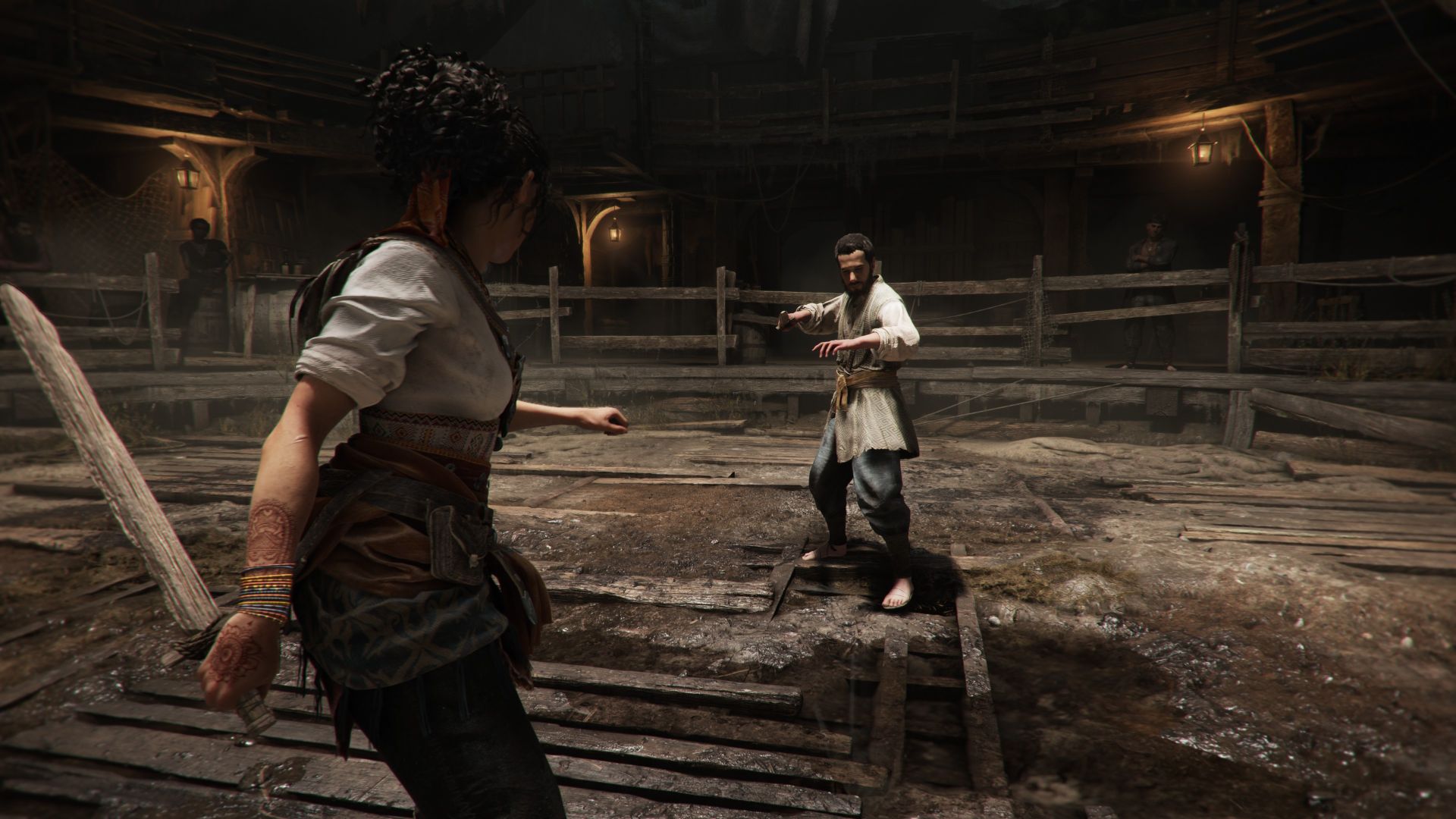
One thing I found annoying about the combat is the lack of a lock-on system. Even though the camera generally remains reasonably stable, fights can become rather chaotic when multiple enemies pile on at once, meaning you’re not always entirely sure whether you’re actually going to strike the enemy you intended to hit.
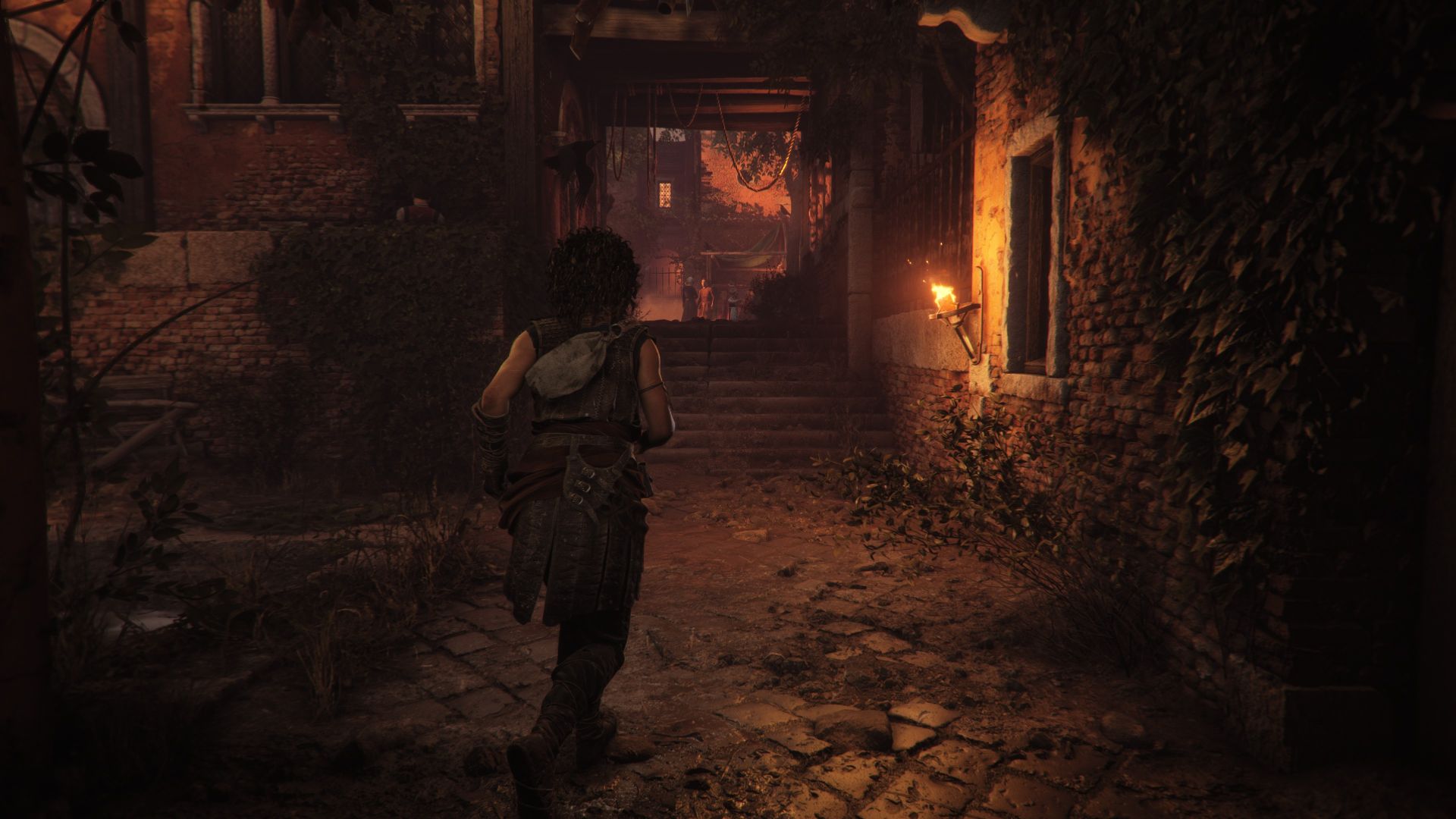
Beyond combat, this adventure naturally involves plenty of navigation and exploration through often gorgeous environments. You’ll regularly have to find ladders or climb rocks using your grapnel, which can also be used during combat to pull enemies toward you and deal stun damage. Yes, we’ve seen that one before. I also got some Assassin’s Creed and Dying Light vibes during the traversal sections, although it would be a stretch to say the parkour reaches that level.
And no, it isn’t always immediately obvious where you’re supposed to go either. Sometimes you’ll have to replay a small section after falling into the abyss while testing your options, since there are no markers and no manual saves. It’s very much about old-school listening, observing, and experimenting, although the excellent hint system regularly gives you a helping hand. Even death comes with a little assistance. Before retrying a section, you can, for example, switch blades or respec your skills. Exploration also pays off. There are plenty of relics and charms to discover, which provide passive bonuses on top of the skills unlocked with Resonance Points.
Admittedly, Resonance also suffers from the typical Unreal Engine 5 performance hiccups we’ve become accustomed to by now, including some hefty FPS drops when rotating the camera or during transitions into cutscenes. Thankfully, these issues don’t happen all that frequently. The image can also look somewhat blurry in motion, although I never found it particularly distracting. With DLSS and FSR upscaling/Frame Generation available, you can make the game run considerably smoother.
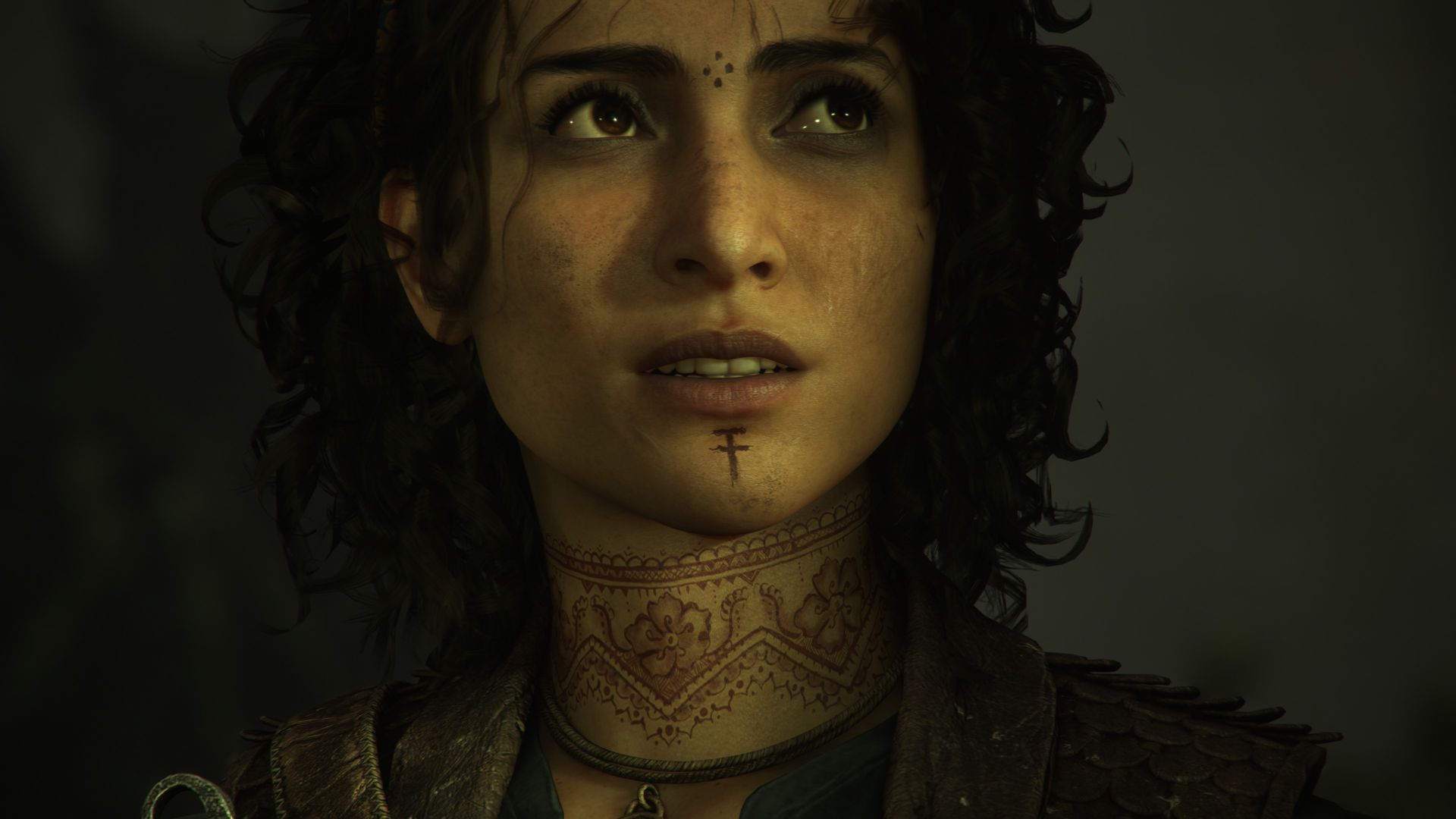
And while the visuals do have that somewhat generic Unreal Engine 5 look we’ve seen plenty of times before, the game can still produce some gorgeous shots. The characters in particular are often presented beautifully, while the voice actors all do their part. I once again preferred playing in French, which fits the overall presentation rather nicely. Yep, when it comes to its cinematic qualities, this title scores some solid numbers.
Final Thoughts
Resonance: A Plague Tale Legacy is an excellent addition to the franchise. More than I expected, this entry is primarily focused on puzzles rather than combat, with both aspects perhaps being a little too easy at times. Thankfully, the compelling narrative and impressive audiovisual presentation more than make up for that, keeping the experience comfortably within the series’ familiar territory while still giving it its own identity. I thoroughly enjoyed my time with it. For anyone who has already become a die-hard A Plague Tale fan, this prequel is absolutely not one to skip.
Additional Information
Release Date: August 27, 2026
Reviewed On: PC. Download code provided by the publisher and PR agency.
Developer: Asobo Studio
Publisher: Focus Entertainment
Website: Official Website
Relevant Links: Available on STEAM