 DaRmaZat
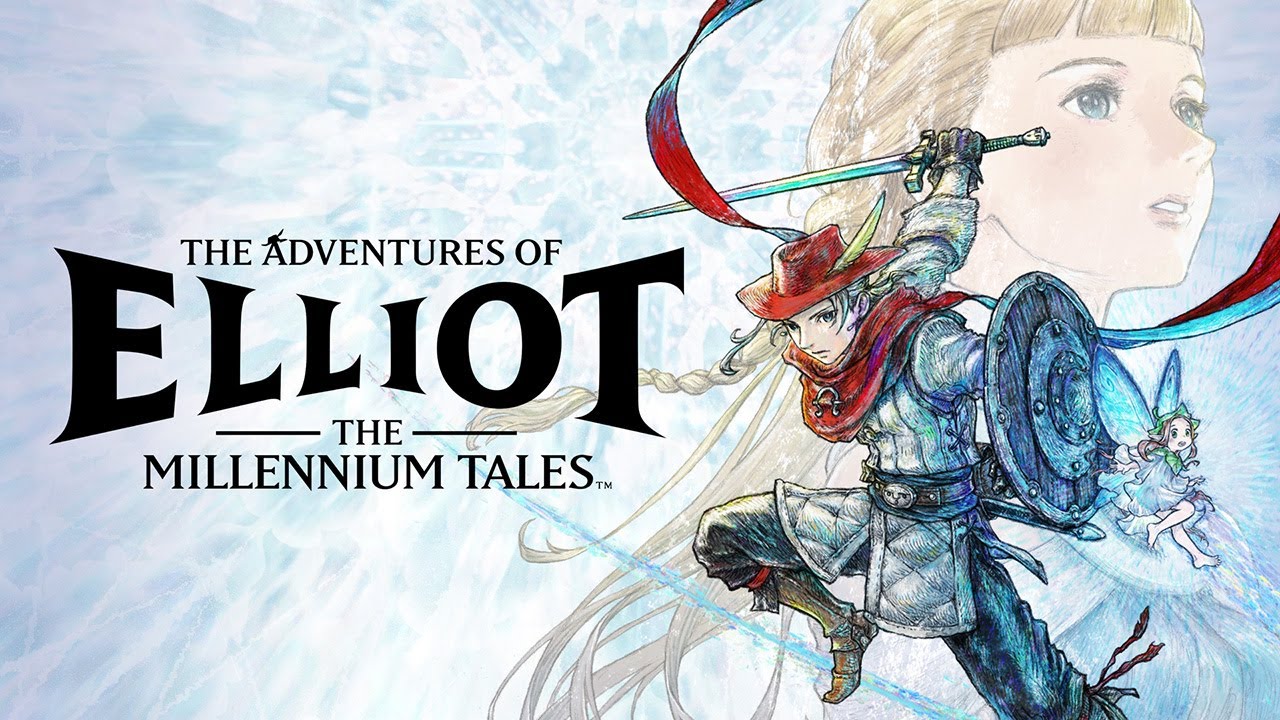
Square Enix’s Team Asano has built a strong reputation through its HD-2D projects, combining classic pixel art with modern visual effects. Following games such as Octopath Traveler and the Dragon Quest I & II HD-2D Remake, the studio is now trying something noticeably different with The Adventures of Elliot: The Millennium Tales. Rather than another turn-based JRPG, this is a real-time top-down action adventure, clearly inspired by classic Zelda-style games.
A Journey Through Four Eras
The journey begins in the Kingdom of Huther on the continent of Philabieldia. Elliot, accompanied by his magical companion Faie, becomes involved in a regional crisis after an ancient seal is broken, allowing dangerous creatures to enter the world.
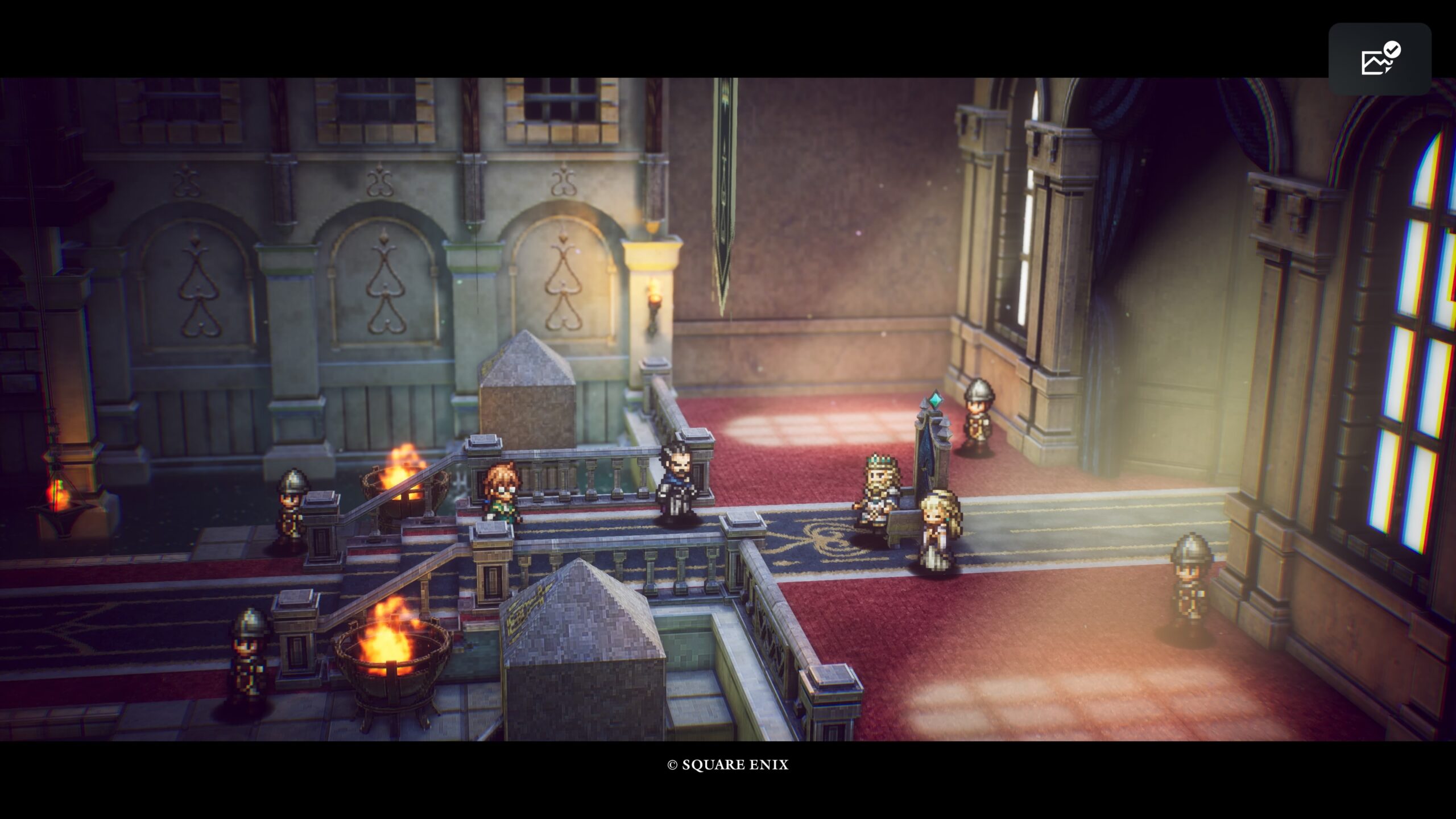
It comes as no surprise that a vast number of other characters pass through the first few hours. There are the scholar Euygene, the skeptical Minister Kaifried, and Elliot’s friend Oliver. Elliot himself is also closely involved with the children of the local orphanage, which helps reinforce his role as the story’s kind-hearted protagonist. Last but not least, King Hichard and his daughter, Princess Heuria – who possesses magical powers – both see potential in Elliot as he is one of the few adventurers capable of travelling through Beast Tribe territory.
Thus, he is tasked with helping restore order while uncovering the truth behind events spanning multiple eras. Using the Doorways of Time, he and Faie must travel across four different ages of Philabieldia.
Charming Presentation, Lore Galore
The concept itself is immediately appealing and gives the world a greater sense of scale than one might expect from such an adventure. Watching Philabieldia’s towns evolve throughout history is genuinely interesting, although the broader world does not always change as dramatically as the premise initially suggests. Unfortunately, outside of major settlements, many locations remain surprisingly familiar regardless of the era. The same applies to the enemy types, which barely change appearance throughout the distinct timelines. However, one welcome detail is that many dungeons coexist across multiple generations. While a location may serve as a major dungeon in one era, it can still be visited in another chapter of history to uncover additional treasure or secrets.
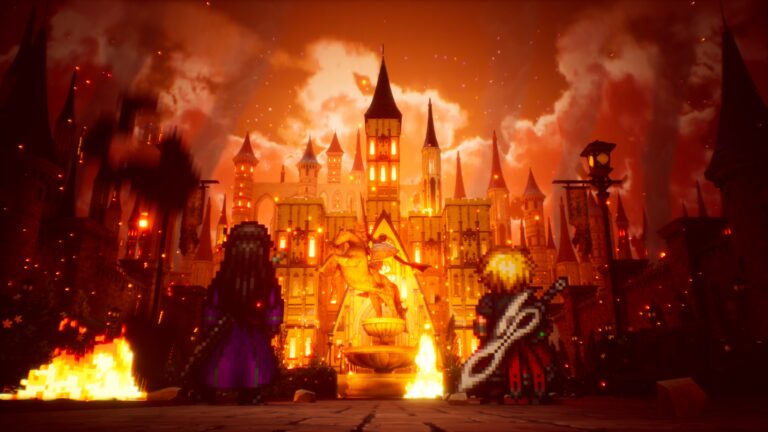
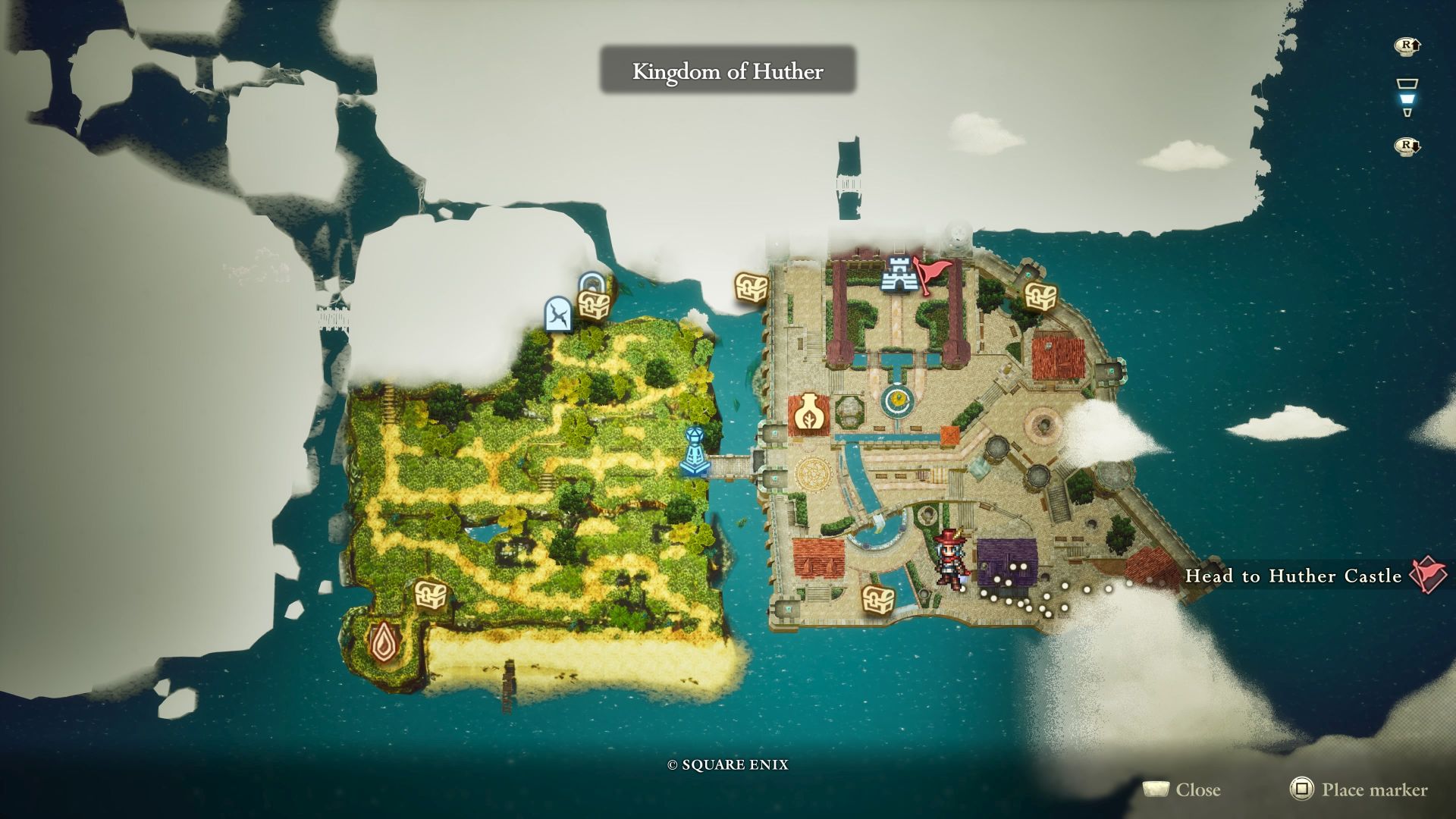
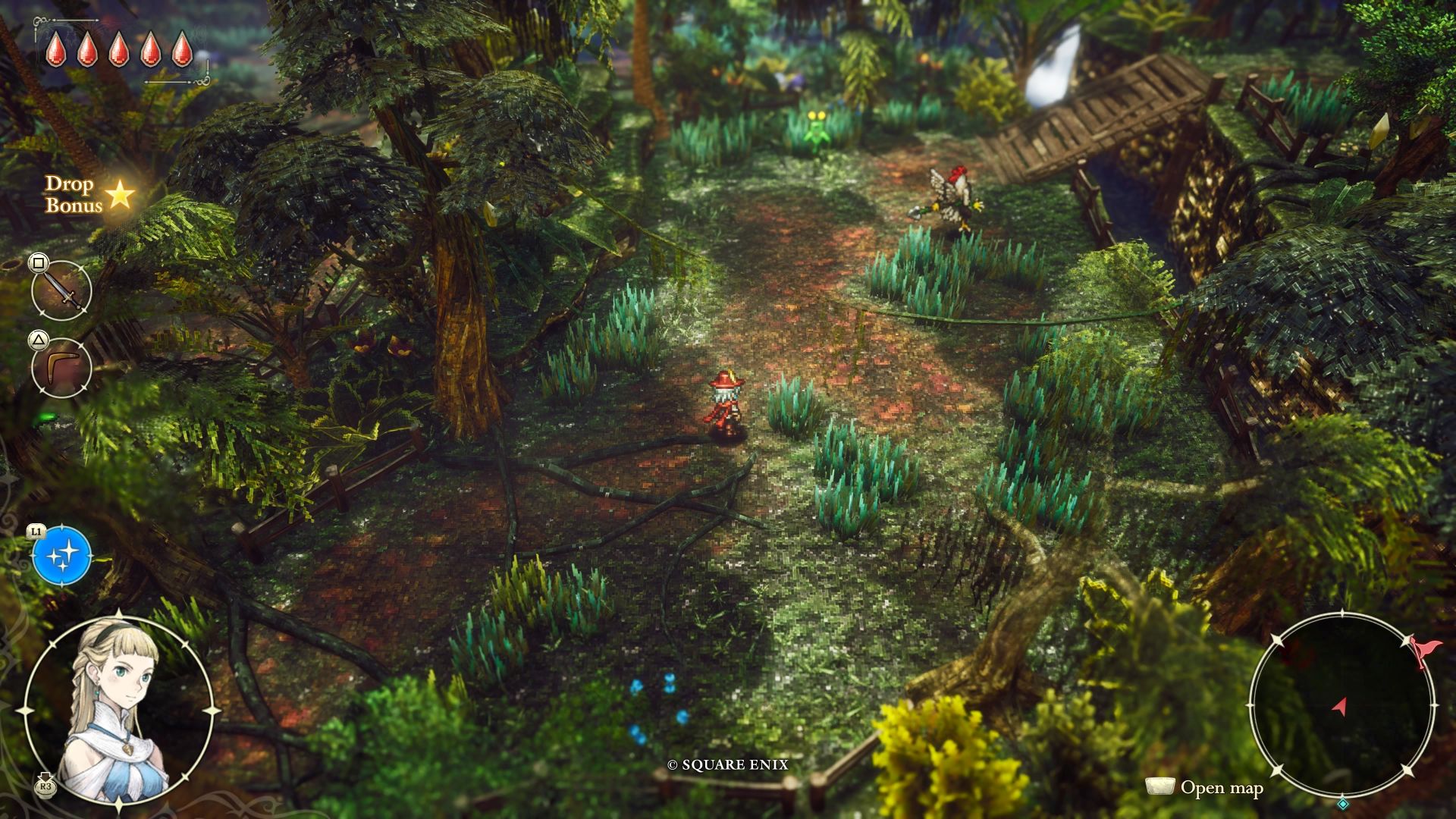
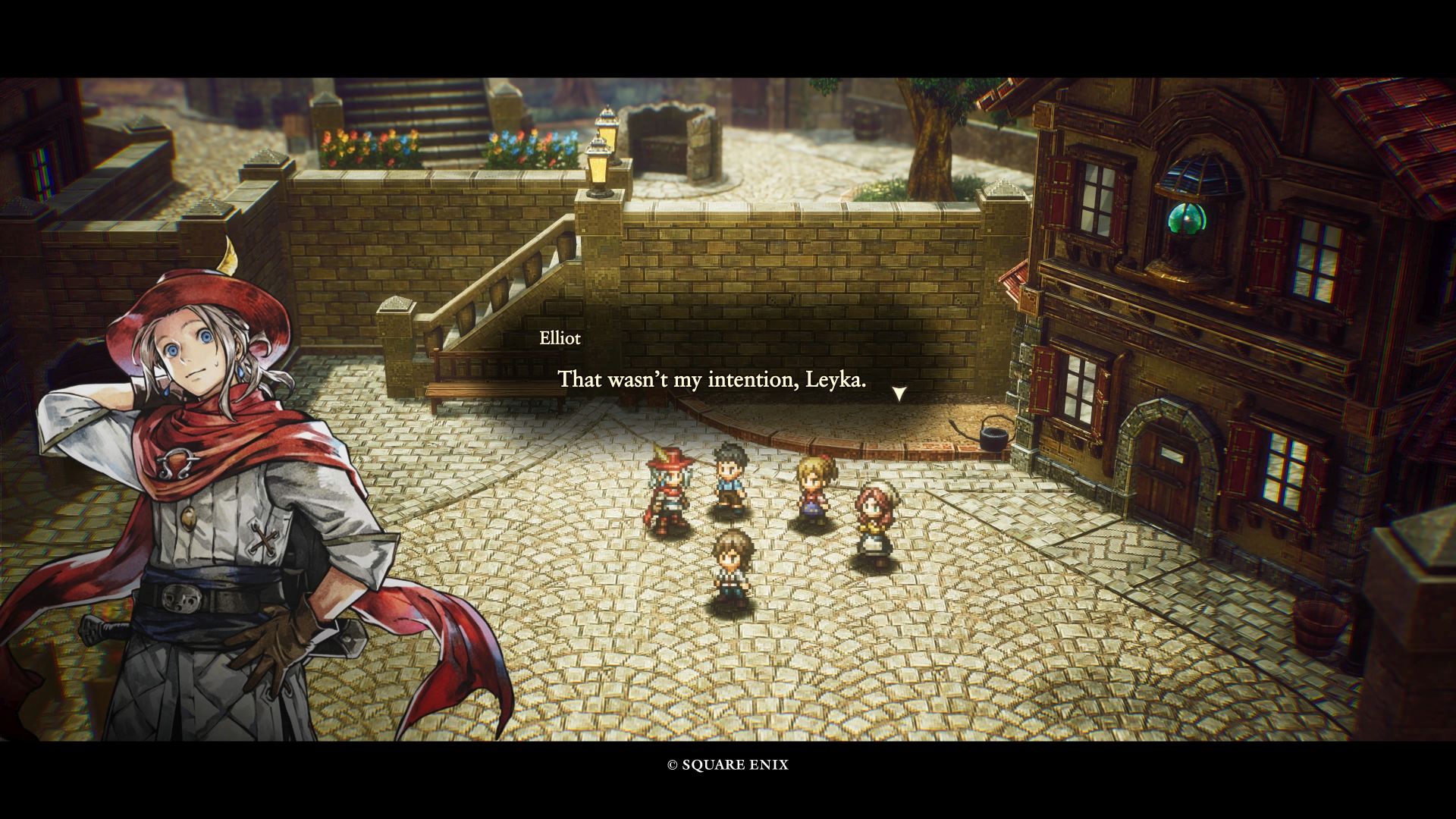
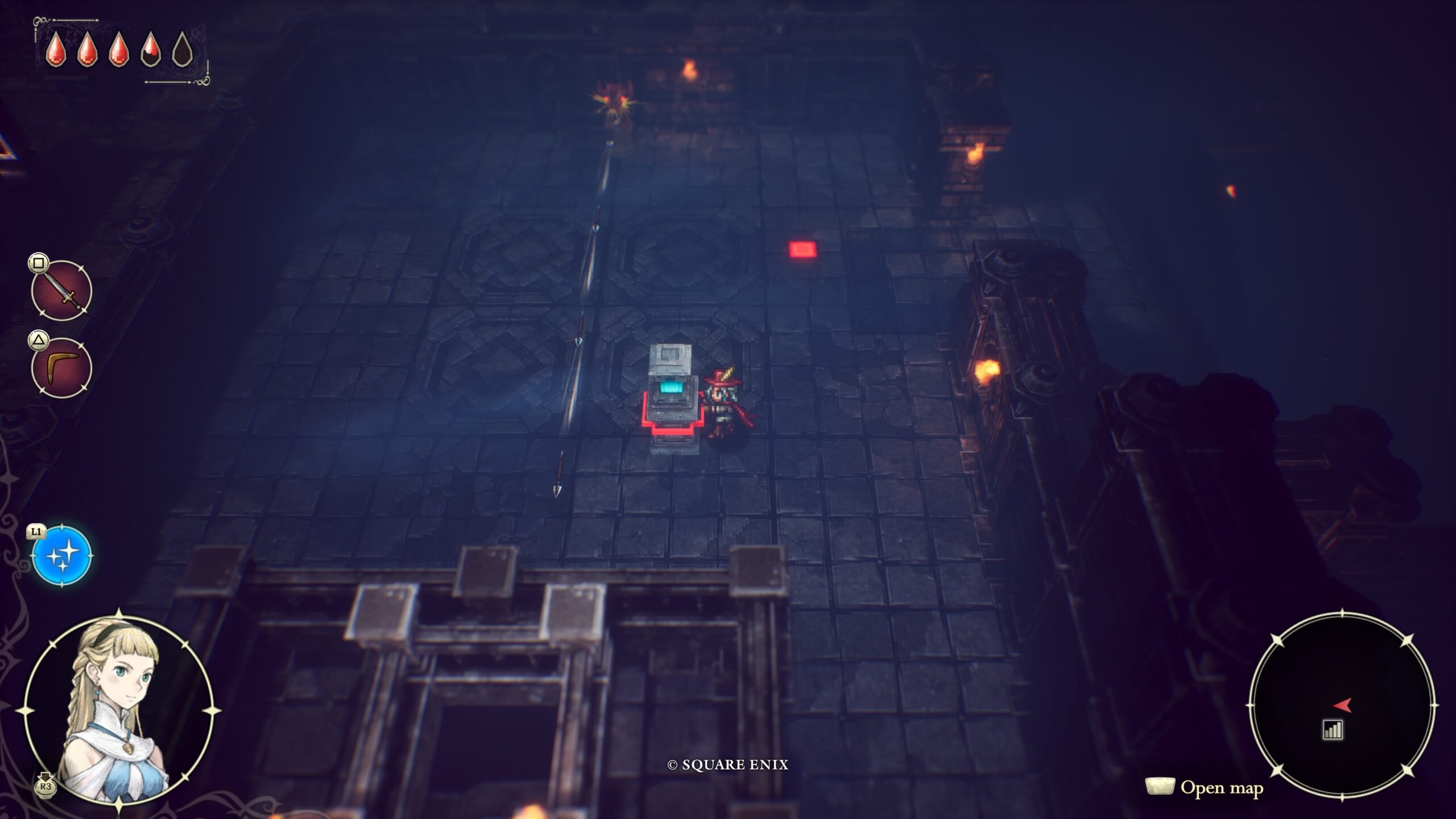
Visually, the game is gorgeous. As expected, Team Asano’s HD-2D style impresses again, with richly layered environments, dynamic lighting, detailed towns, and beautiful environmental effects helping Philabieldia feel alive. Dense forests, ancient ruins, and bustling settlements all benefit from the extra depth provided by the three-dimensional presentation. That said, navigation can occasionally become a little cumbersome. Both the environments and the map screen can feel somewhat cluttered at times, making it harder than expected to quickly identify points of interest.
Anyone who is interested in the world’s deeper lore can access Memories and Manuscripts through the pause menu. These entries provide additional information about Philabieldia, its history, and the various events surrounding Elliot’s journey. Additionally, those who find certain conversations a little slow can simply enable auto-dialogue and let scenes progress automatically. Given the average length of the conversations, that is not even an unnecessary luxury.
Old-School Combat and Progression
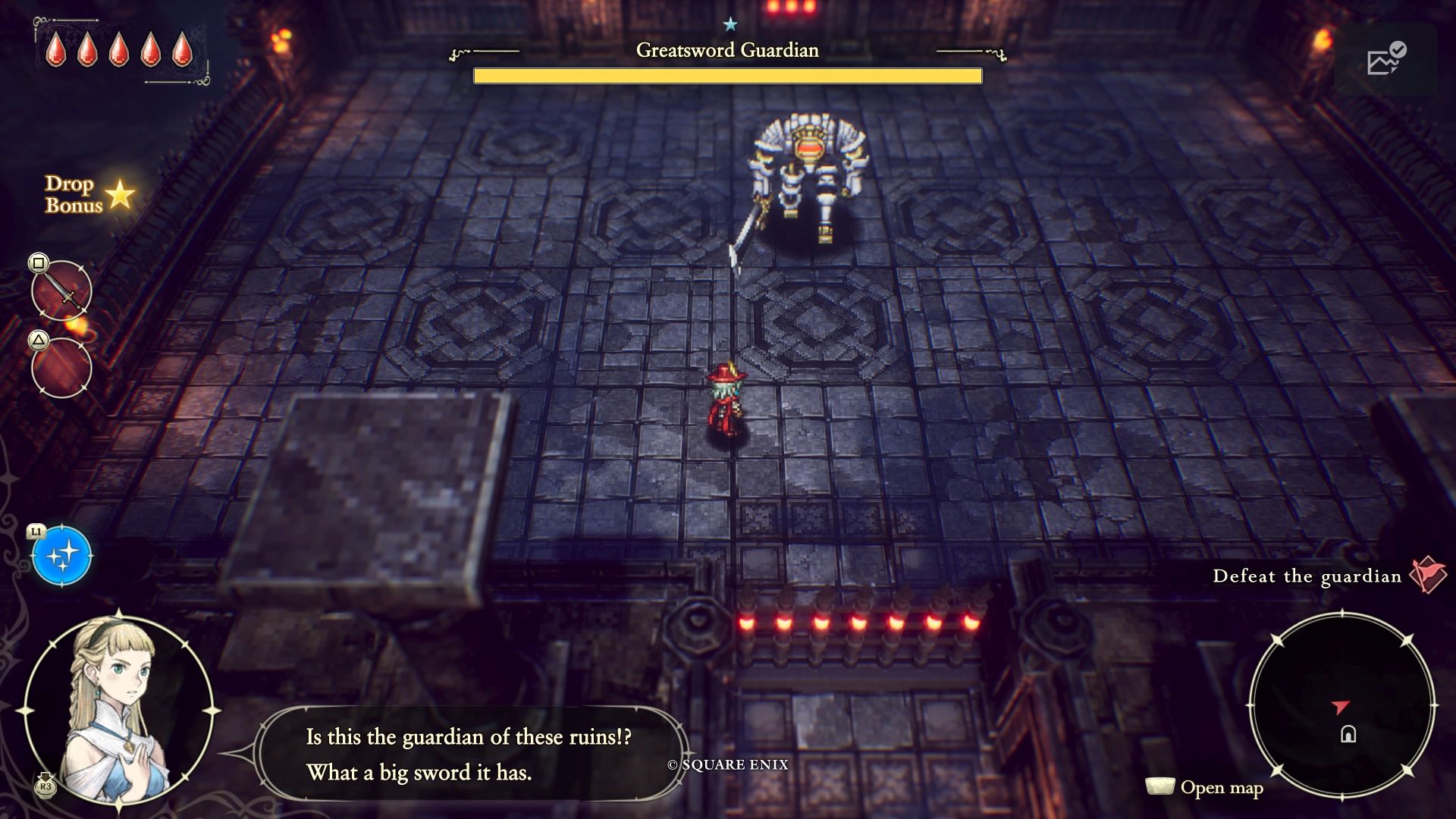
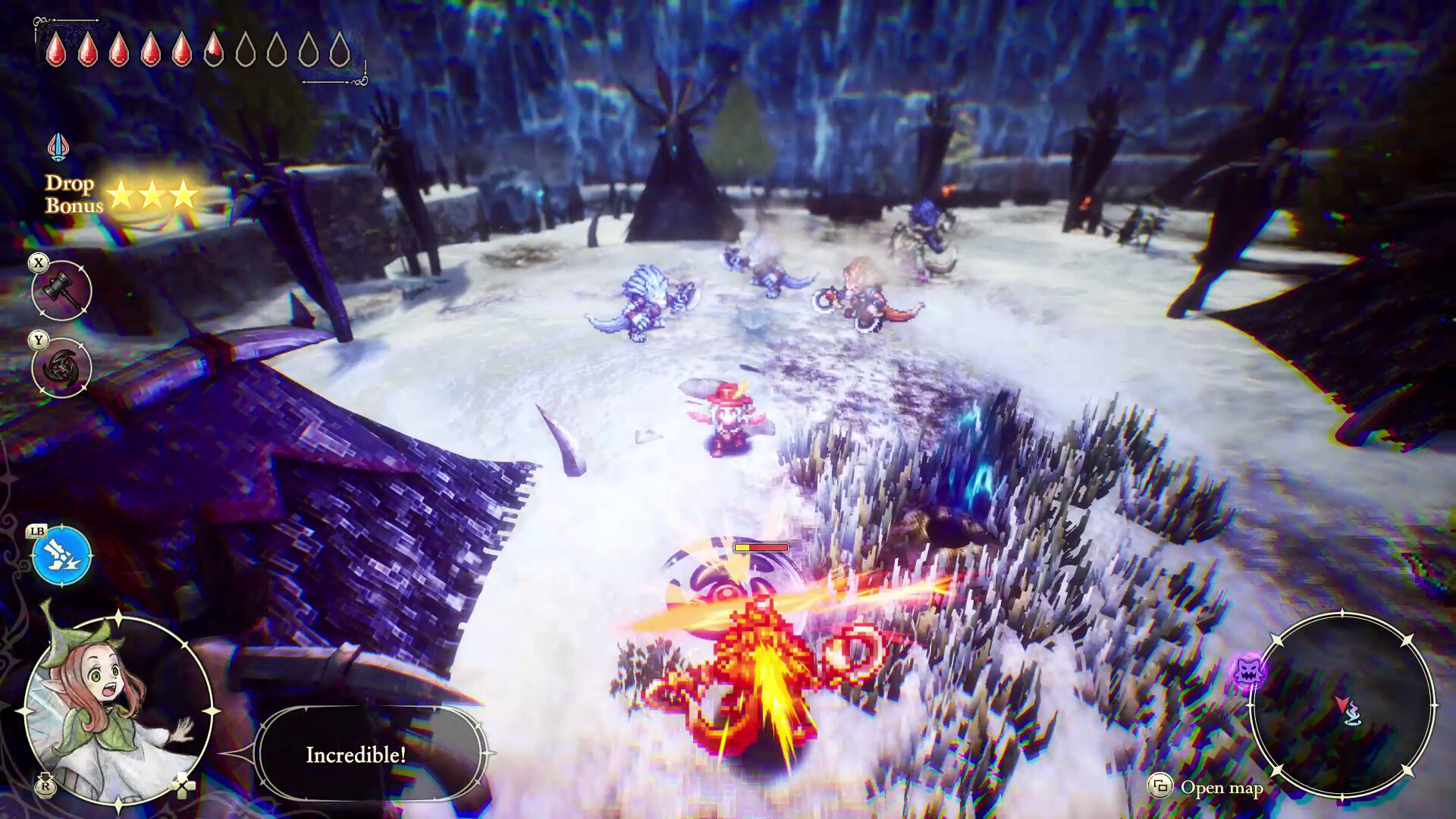
The gameplay is also highly approachable thanks to its Easy, Normal, and Hard difficulty settings. Not that this changes much when it comes to the puzzles, which remain fairly easy throughout. Combat itself, meanwhile, is real-time and extremely traditional. Elliot has access to regular attacks, charged attacks, a shield guard tied to stamina, and special abilities thanks to Faie. One notable omission early on is the lack of a dodge move, which makes the first boss encounters feel somewhat reminiscent of older Zelda titles. Thankfully, Faie eventually unlocks Sprint and Dash abilities for him, making movement considerably more flexible. Platforming also becomes more enjoyable as Elliot gains access to additional traversal tools throughout the adventure.
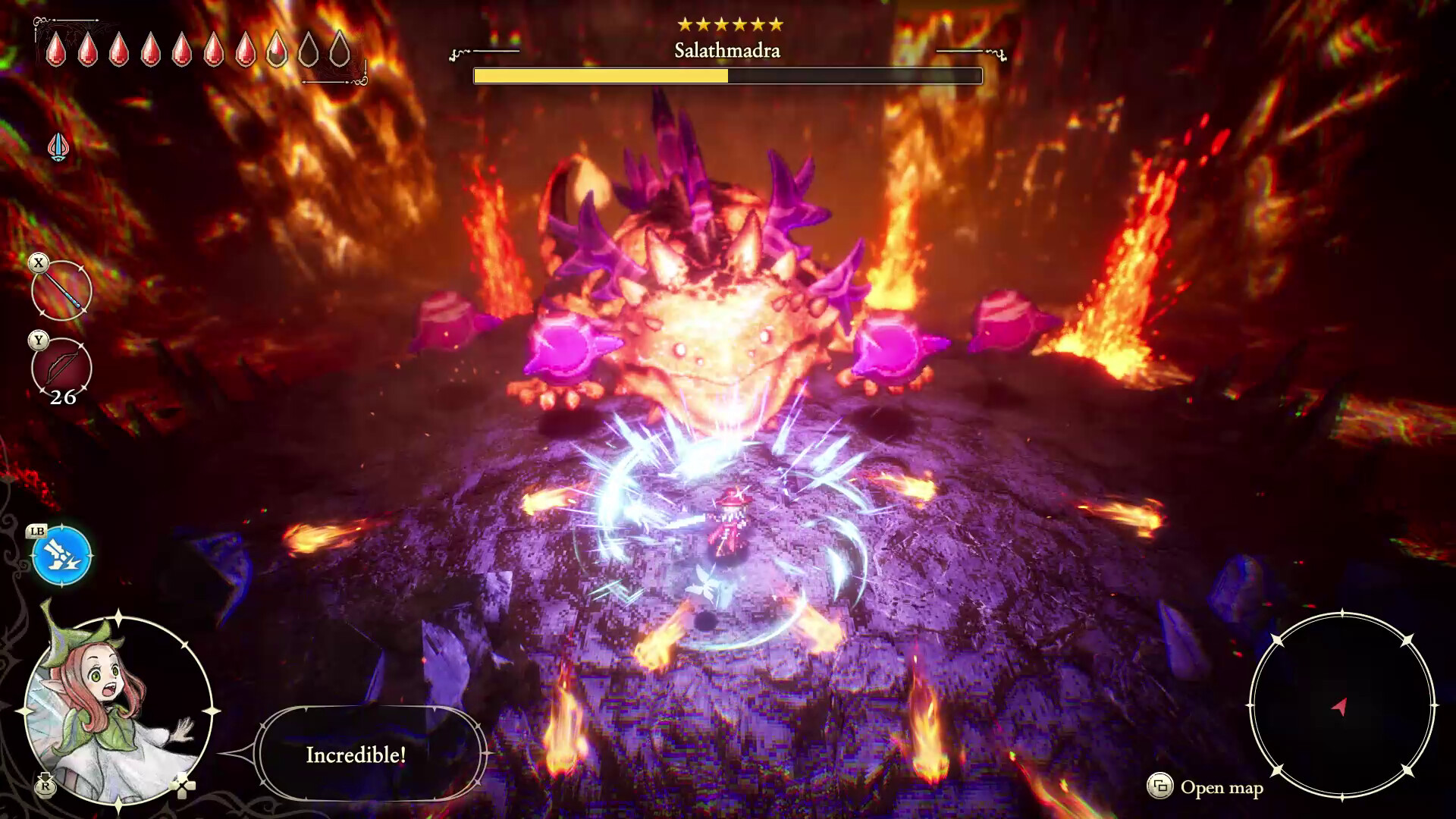
While the enemy variety can become repetitive over time, the boss battles consistently stand out. Most major encounters introduce unique mechanics and require more thoughtful positioning than standard combat encounters, helping them remain memorable throughout the campaign. Notably, Elliot does not gain traditional character levels after overcoming his opponents. Instead, progression comes through ability upgrades, improving his equipment, collecting Shards of Life to increase his health, and expanding his inventory. New weapons such as the bow, boomerang, and spear become available through quests and significantly elevate your combat options.
However, the most impactful upgrades come from Weapon Effects. Using Tul, the game’s currency, alongside Magicite Stone Fragments, you can craft and equip perks that improve weapon damage, cooldown speeds, and introduce various special effects. The game leaves it entirely up to you to experiment with and build these customization combinations through the menu system.
Exploration? Worth it!
Most quests follow a fairly traditional structure. You might be asked to find a missing item or complete a simple objective before unlocking the next task in a chain. As a result, many quests can feel rather fetch-quest heavy and are not always particularly memorable.
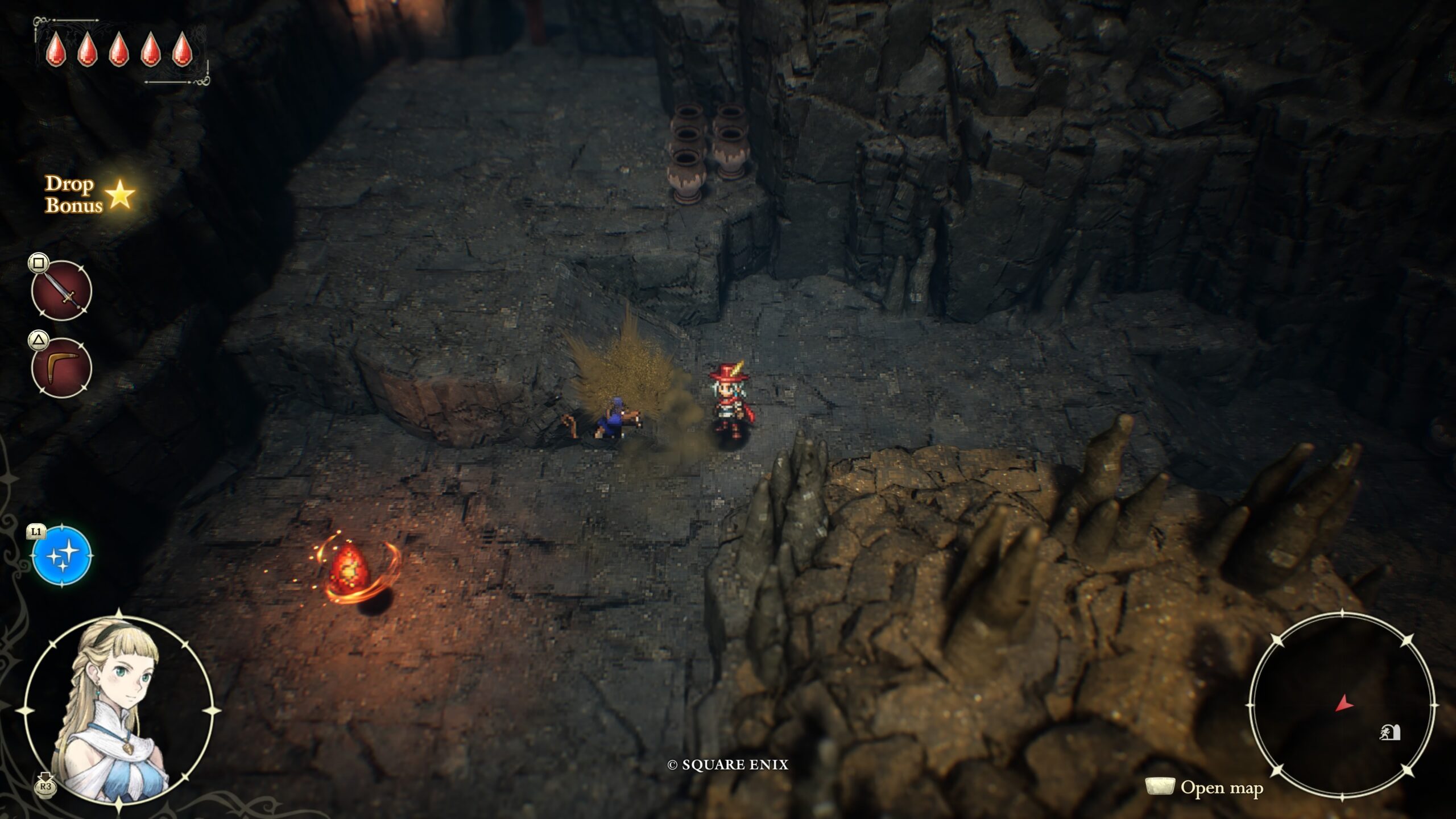
Thankfully, the world itself remains enjoyable to explore. Philabieldia is filled with charming environments, countless NPC conversations, collectible cats, and plenty of hidden rewards. One of my favorite quality-of-life features is the checkbox displayed above NPCs once you have exhausted all of their dialogue, eliminating the need to repeatedly revisit characters just to see whether they have anything new to say.
Autosaves are frequent and reliable, but you can also manually save at Guide Posts with separate save slots available. One aspect that stands out, however, is the number of loading transitions. Rather than being fully seamless, the world is divided into numerous interconnected maps. Moving between regions, caves, ruins, and dungeons often triggers a loading screen. Fast travel across the world map is also available through a Golden Bell, helping reduce some of the backtracking required between objectives, because yes, that is certainly present here.
Let’s Talk about the Audio
The Adventures of Elliot‘s soundtrack is pleasant enough, but often feels repetitive due to how frequently the same upbeat tracks are reused. This becomes especially noticeable during emotional story moments where a more fitting composition could have helped strengthen the scene.
Voice acting suffers from similar inconsistency. Some performances simply do not match their characters particularly well, while others sound oddly subdued. While this does not ruin the story, it certainly does not elevate what is already a fairly straightforward fantasy adventure built around familiar themes. Heuria and Faie deserve a special mention here. Throughout the adventure they constantly repeat praise after successful blocks and frequently offer feedback and advice for situations you have likely already figured out. Unfortunately, these voices cannot be disabled separately. Conversely, there are also occasional moments where both music and voice acting disappear entirely, creating some awkward stretches of silence.
Final Thoughts
The Adventures of Elliot: The Millennium Tales is a polished and enjoyable action RPG that successfully demonstrates how well Team Asano’s HD-2D formula can work outside the turn-based genre. The beautiful presentation, accessible combat, rewarding exploration, and flexible weapon customization system provide plenty of reasons to keep pushing forward.
At the same time, the adventure often plays things very safely. The story follows familiar fantasy tropes, many quests fall into predictable fetch-quest patterns, and the enemy variety becomes repetitive over time. Nevertheless, strong exploration, satisfying progression systems, memorable boss battles, and an undeniably charming world ensure that Elliot’s journey remains consistently entertaining. It may not reach the same heights as Team Asano’s most celebrated RPGs, but it is still a worthwhile adventure that classic action-RPG fans should find easy to enjoy.
Additional Information
Release Date: June 18, 2026
Reviewed On: PlayStation 5. Download code provided by the publisher and PR agency.
Developer: Square Enix, Claytechworks, Team Asano
Publisher: Square Enix
Relevant links: Available on PlayStation Store (NL-NL, NL-BE, US), Xbox Series X|S, Nintendo Switch 2, and PC via Steam.