 DaRmaZat
Released into Early Access on April 8 by developer Screen Juice and publisher Ubisoft, Morbid Metal introduces a high-octane sci-fi world where players must navigate a grim, dystopian simulation. The premise is a “techno-ballet”—a fast-paced hack-and-slash rogue-lite where you shapeshift between powerful robotic models in real-time to tear through waves of machines. It’s a stylish foundation, but is this mechanical spectacle enough to keep you hooked?
AI Models in a Simulation
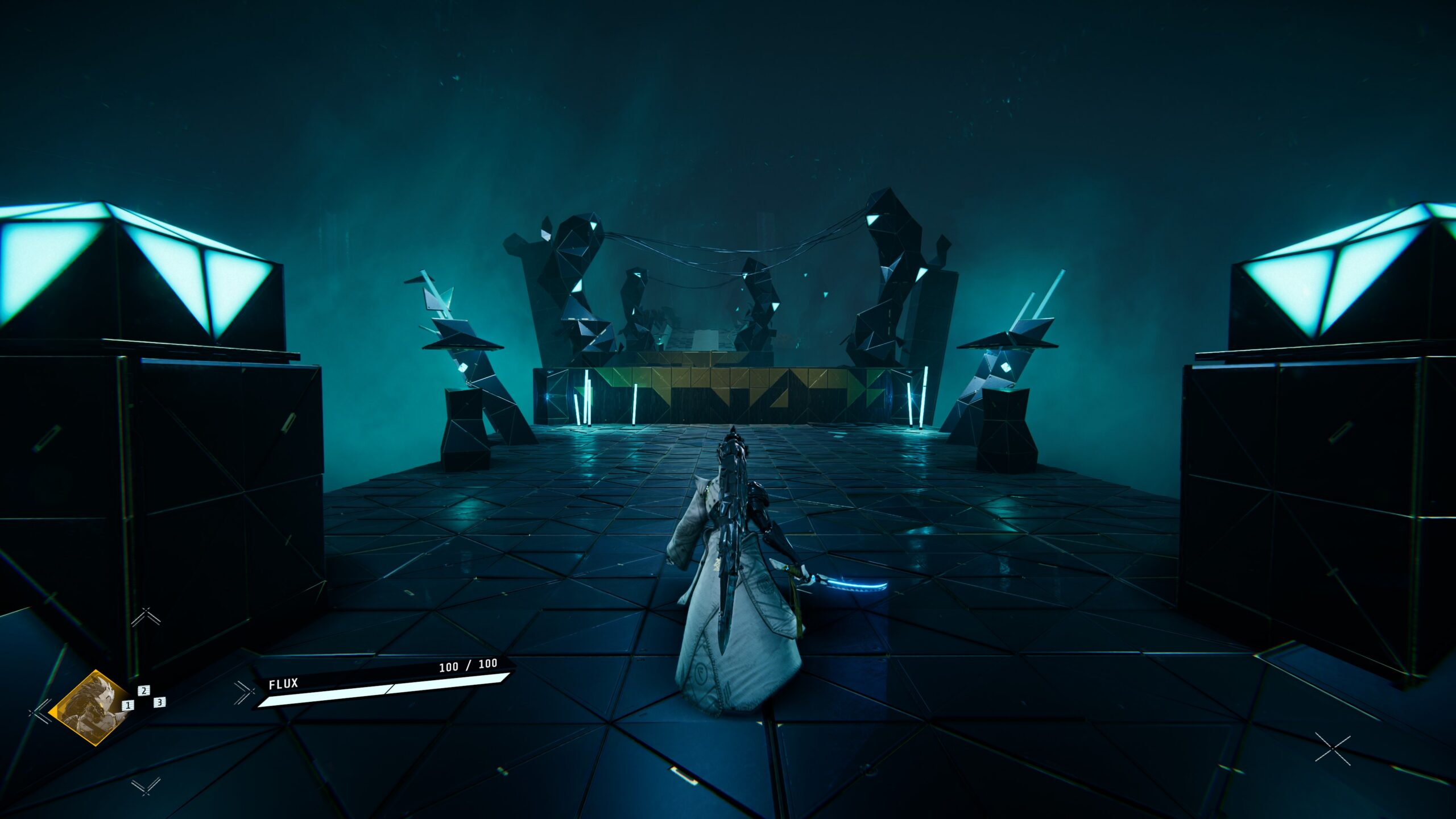
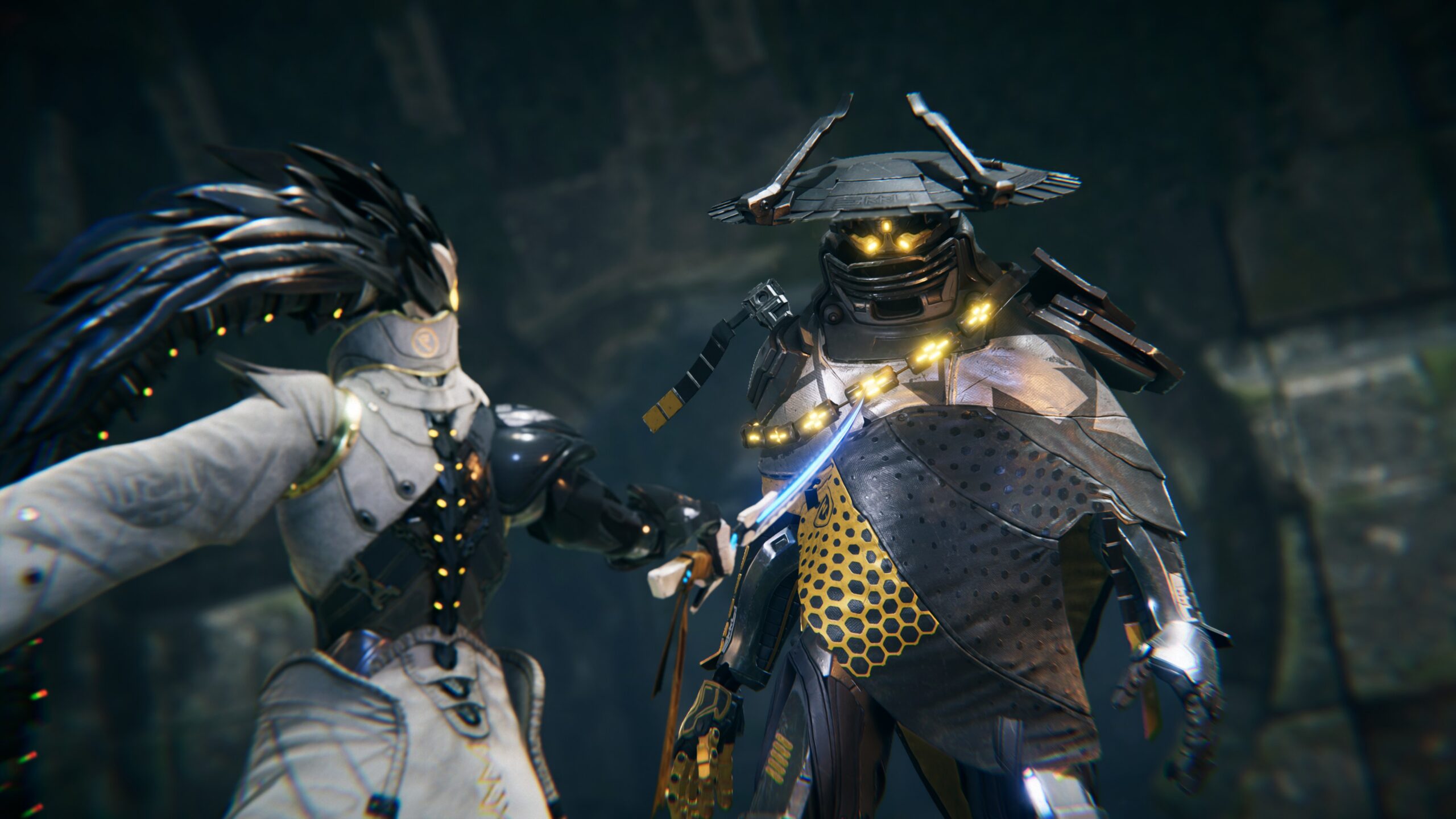
In Morbid Metal, you are essentially a series of AI models navigating a digital trial within a simulation. Despite the occasional narrative interjections from Eden and The Operator—whose identities and motives remain a total mystery—the game currently offers little in the way of a meaningful story. In this Early Access phase, you can unlock three distinct characters, though at least one more is promised for the full release.
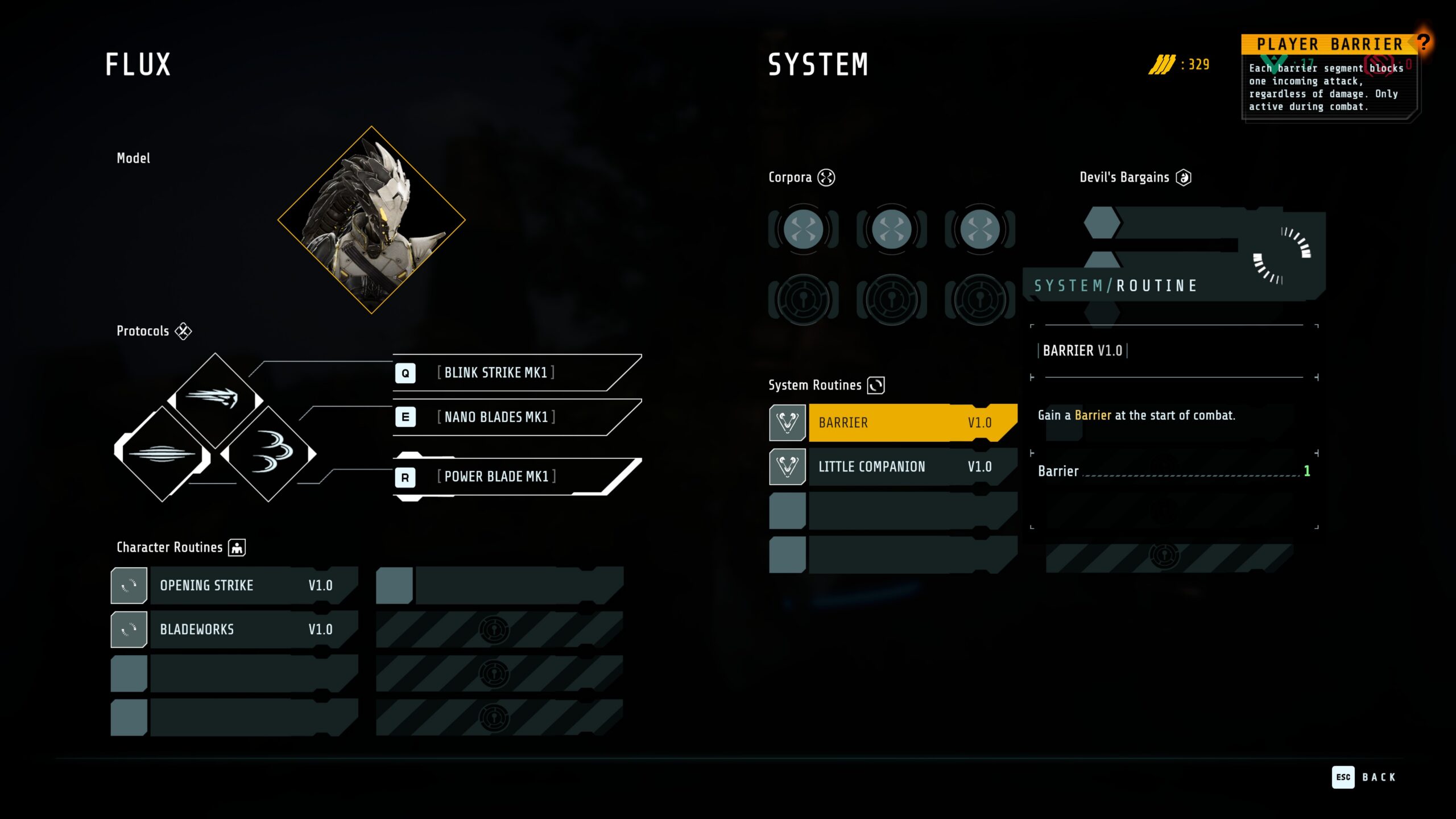
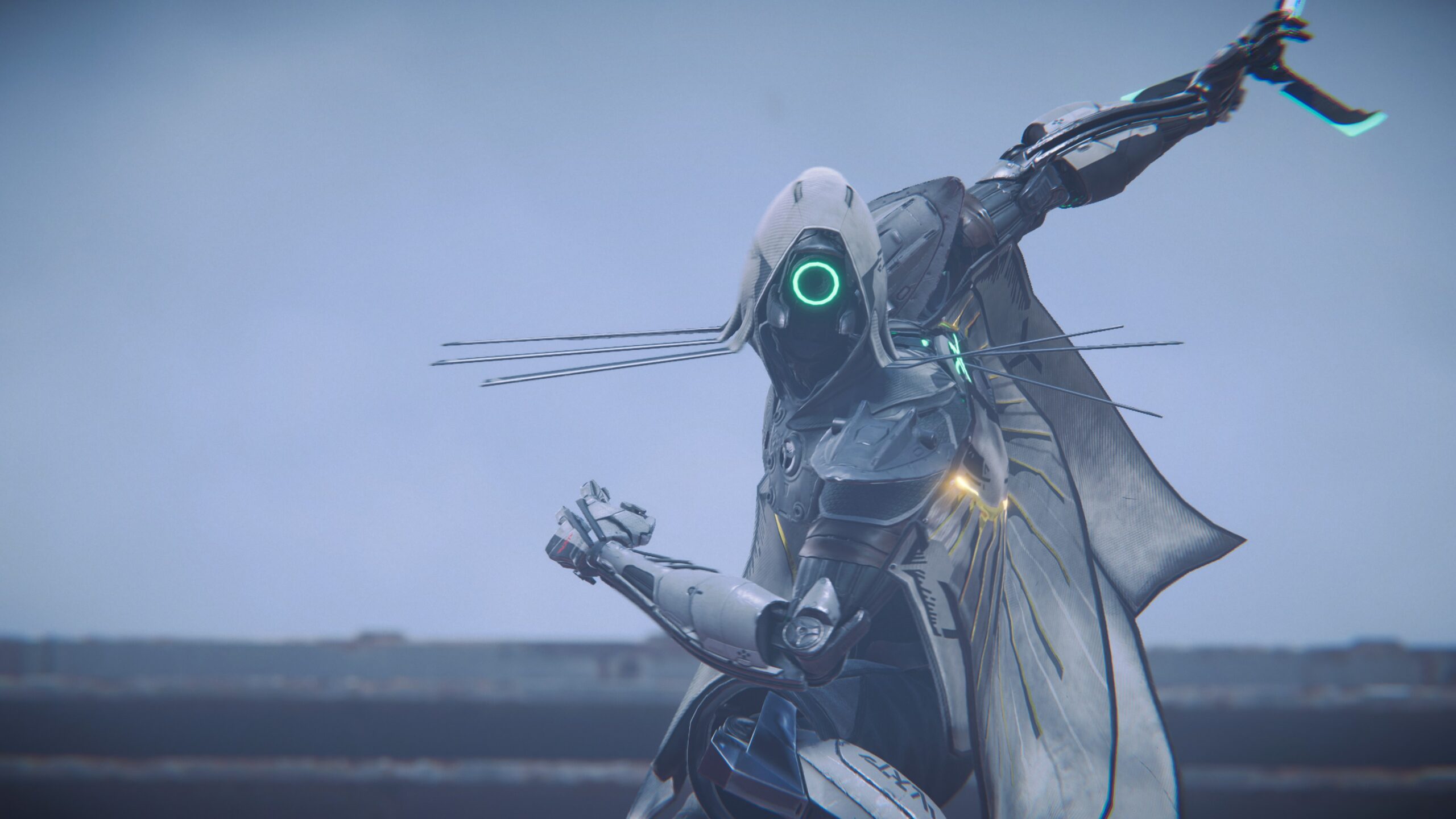
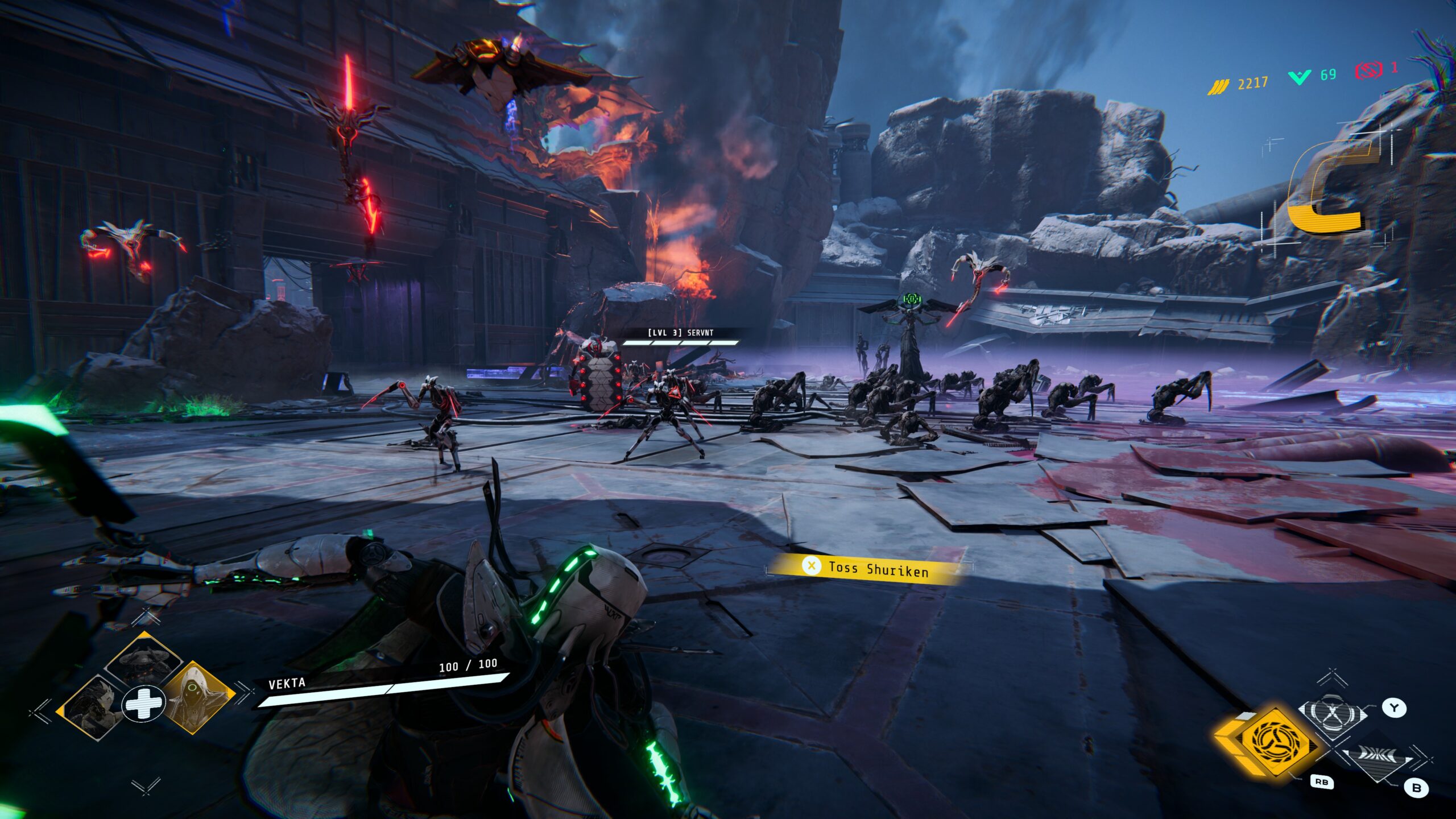
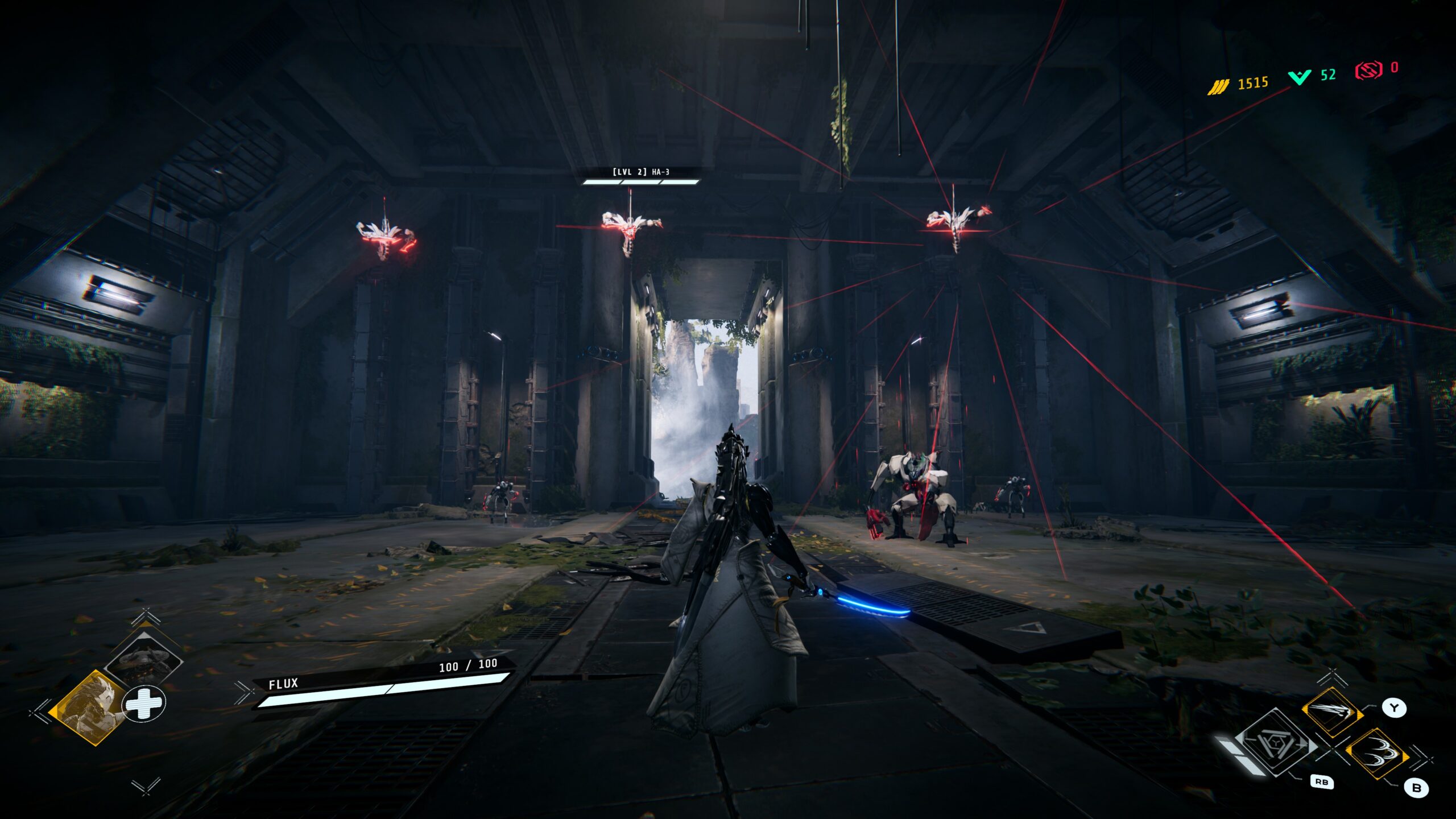
First, you control the blade-wielding, lightning-fast Flux. Later, you unlock the lumbering, tank-like Ekku—who uses a massive blade to shatter enemy shields—and eventually Vekta, a shuriken-wielding ninja that acts as a middle ground between the two. Each comes with unique upgrade paths and abilities, with clear strengths and weaknesses tied to their playstyle.
Iterations Through the Void
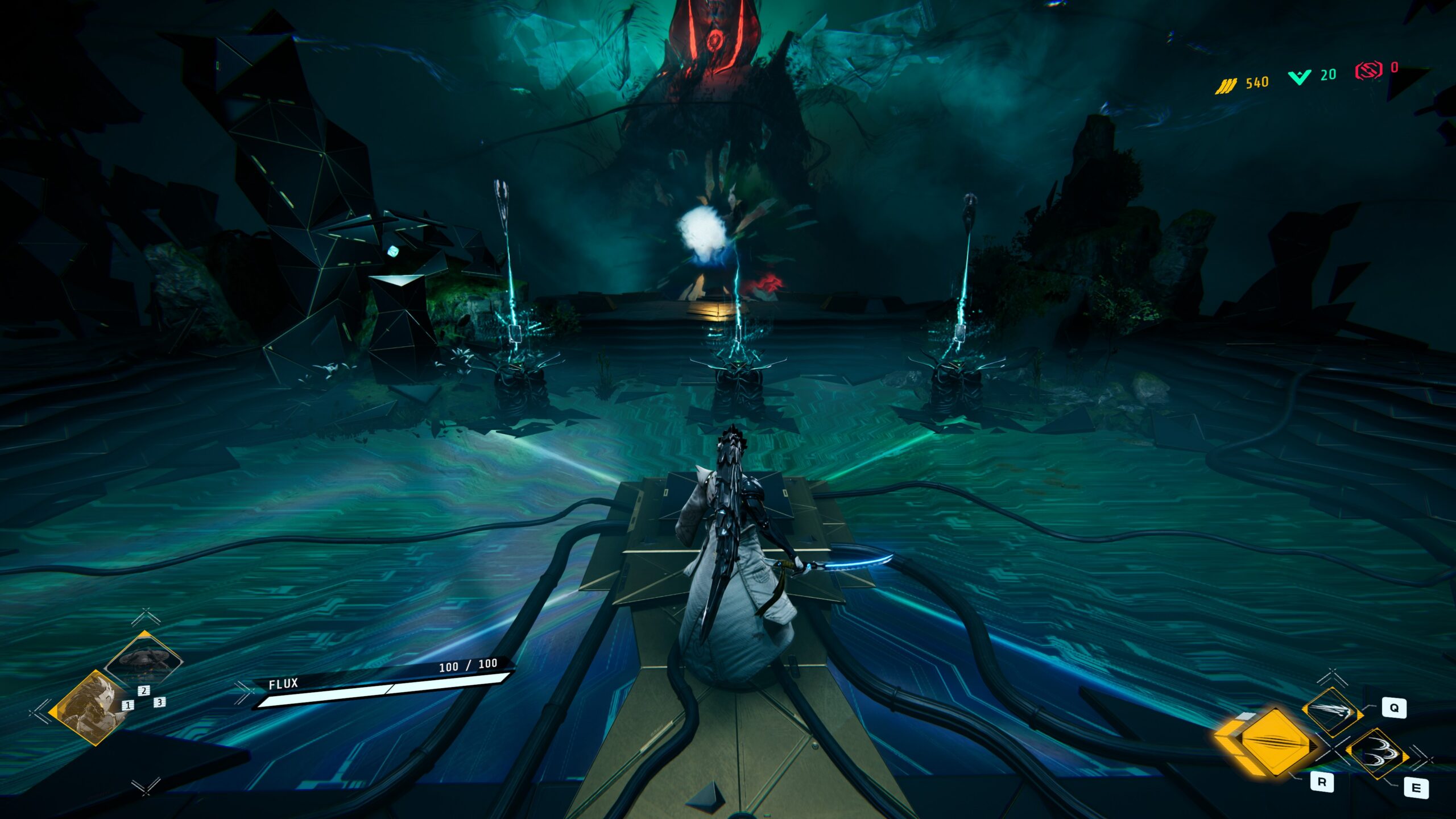
Morbid Metal wraps its rogue-lite structure in its own jargon. A run is an Iteration, perks are Routines, and permanent upgrades are handled via Nexus Nodes. Failing a run means starting over entirely. Between runs, you prepare in The Void, using Soul Cores for permanent stat boosts and Void Matter for run-based perks. You can also experiment in a Training Area here before heading back into the simulation.
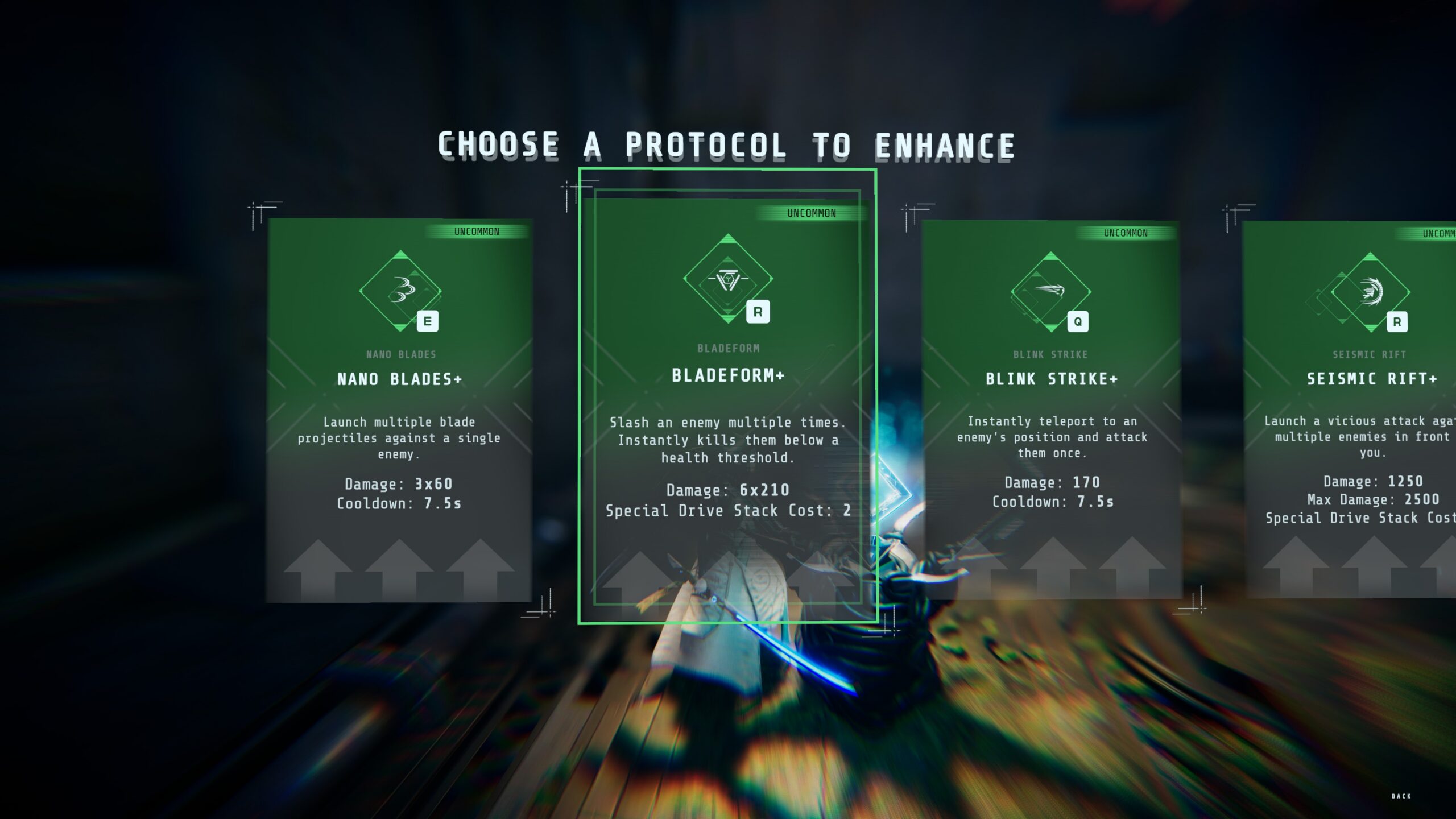
The loop is punctuated by high-difficulty spikes and occasional platforming sections that require well-timed double jumps and dashes. To progress, you must clear branching paths before striking a gong to summon the level boss. Defeating him rewards you with Soul Cores and meaningful progression within a run. Additional progression layers come in the form of Protocols, which function as implant-like skills—ranging from offensive tools like explosives to utility-based enhancements—that support you during the relentless combat.
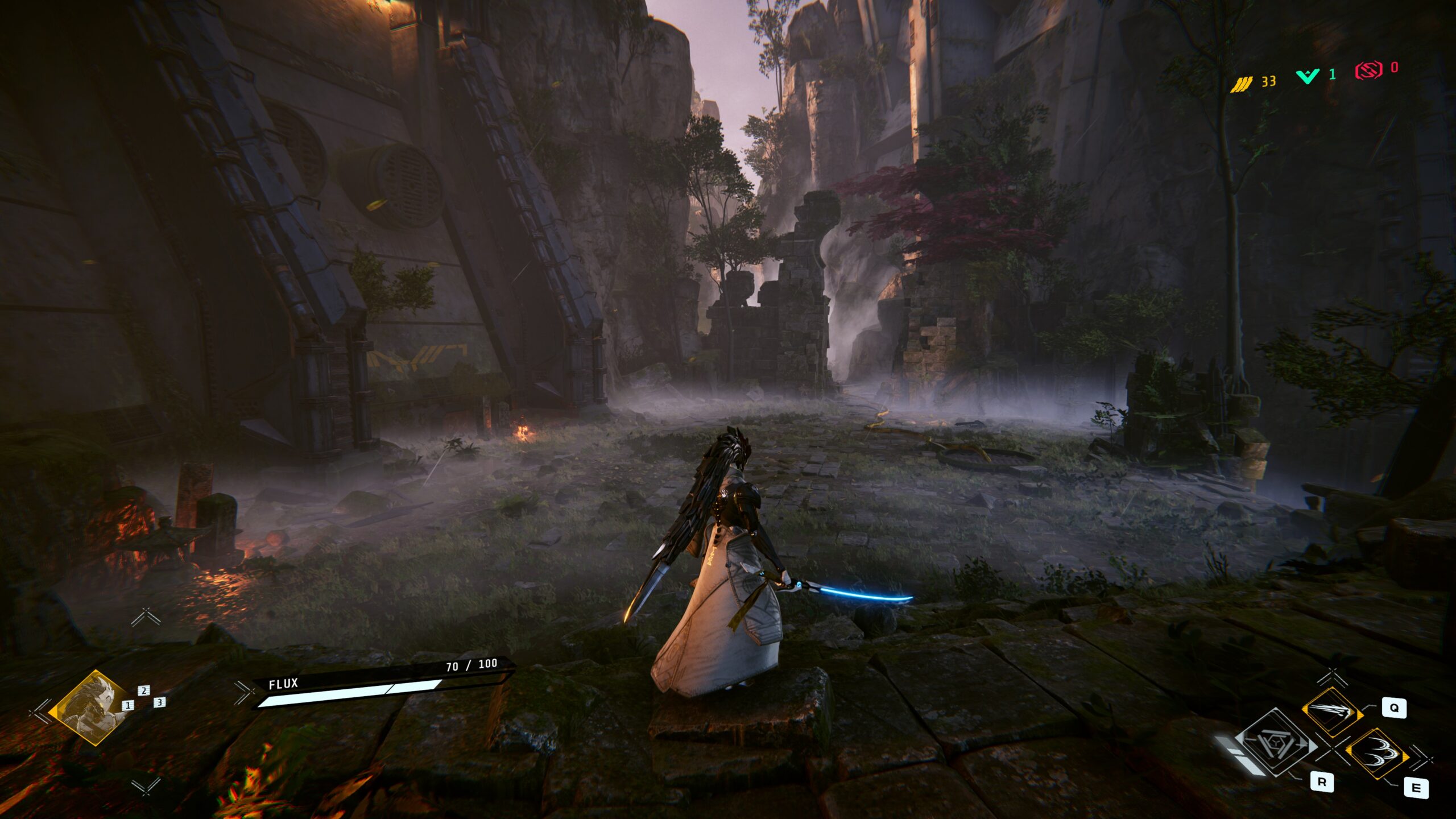
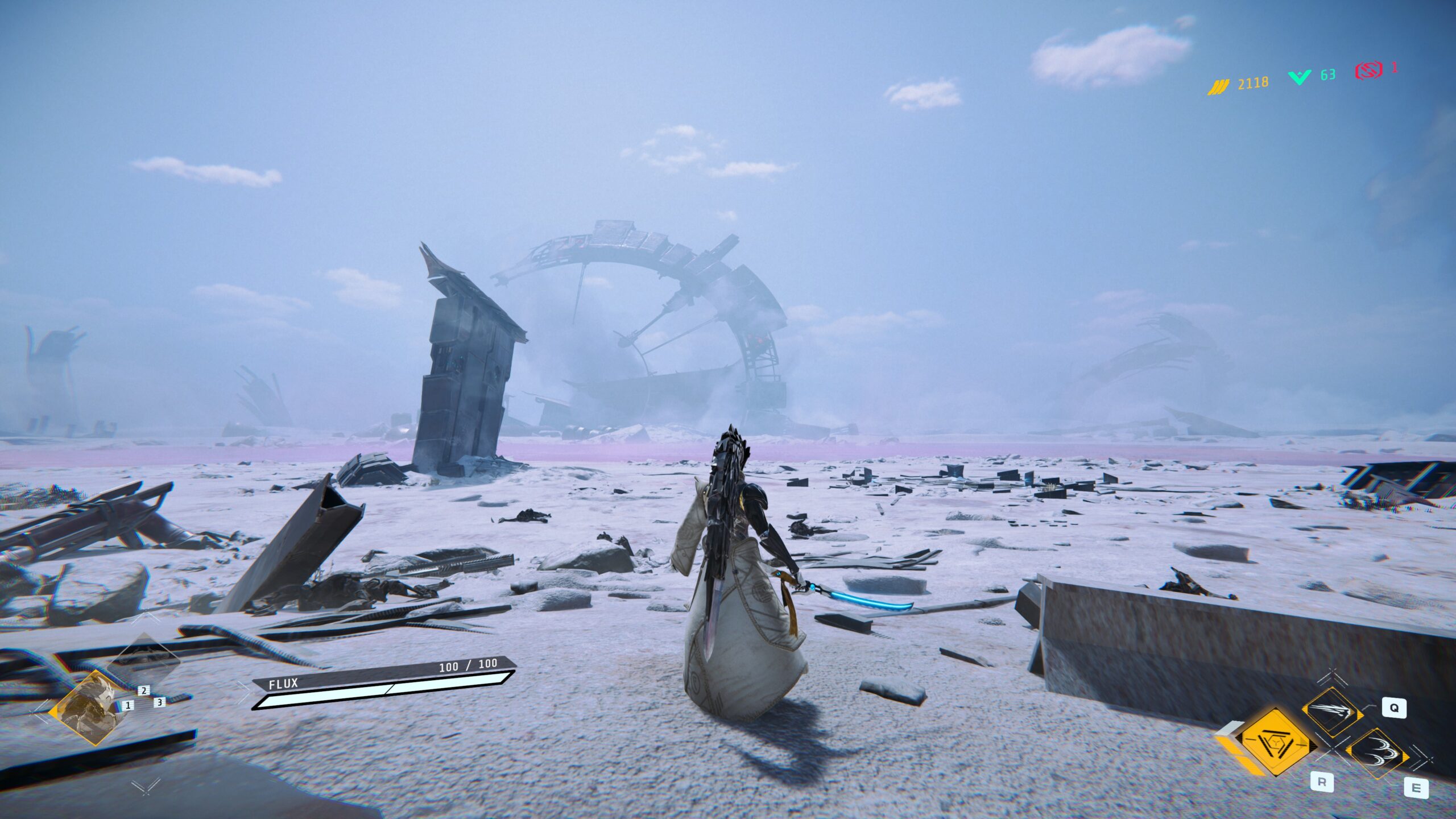
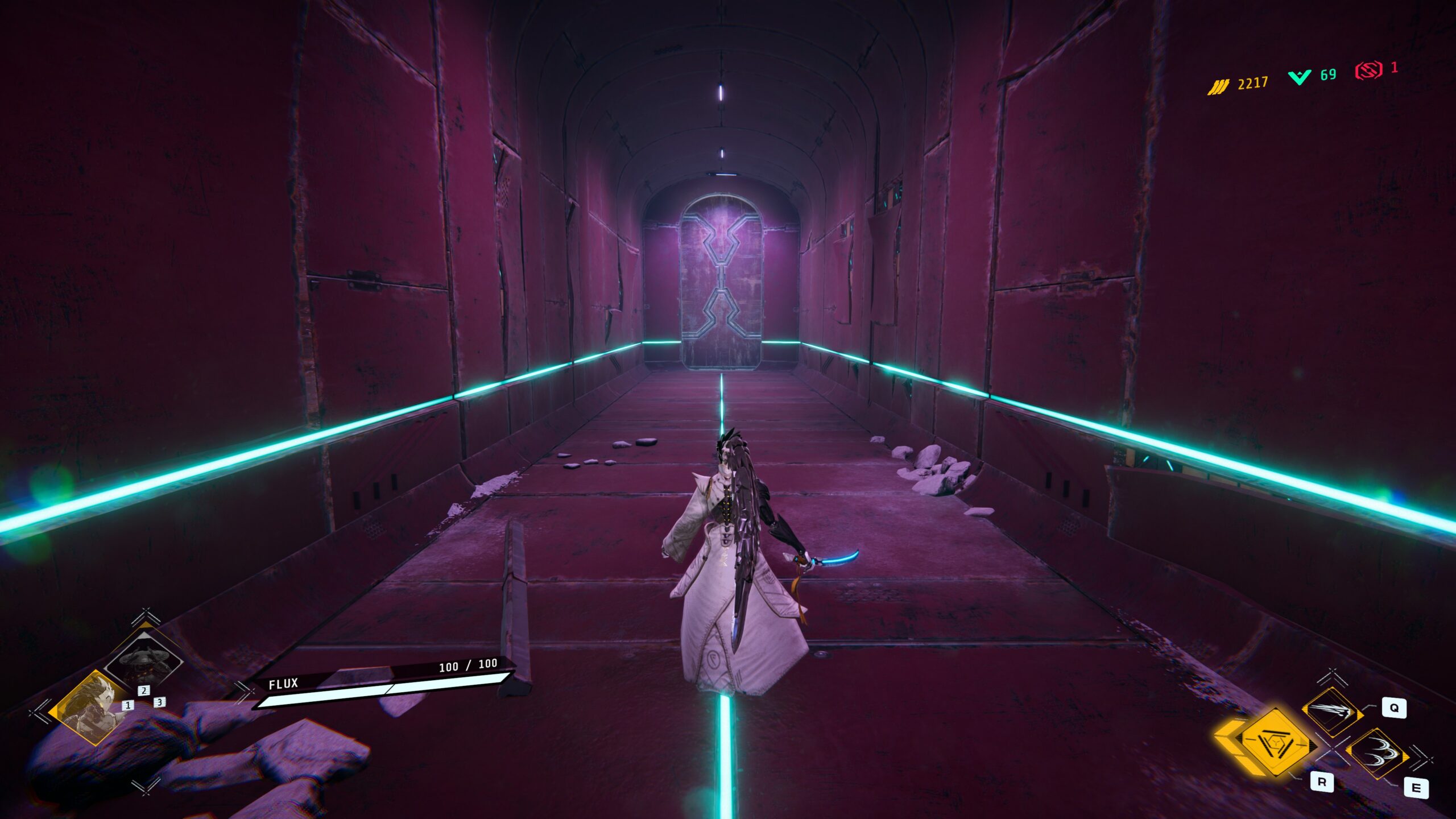
Morbid Metal‘s procedurally generated world is divided into distinct but limited biomes. You begin in the Sublime Gardens, a floating ruin of trees and stone, before descending into the Steel Sanctuary, a hazardous zone filled with bubbling reddish-purple fluid that damages you on contact. With only two of the three planned biomes available, the current scope feels noticeably restricted. While the Unity-driven aesthetics are detailed and sharp, there is a glaring lack of environmental variety. Most sectors feel identical, populated by the same predictable groups of robots and drones spawning in repetitive, arena-like enclosures.
Shapeshifting as Alternative Attacks
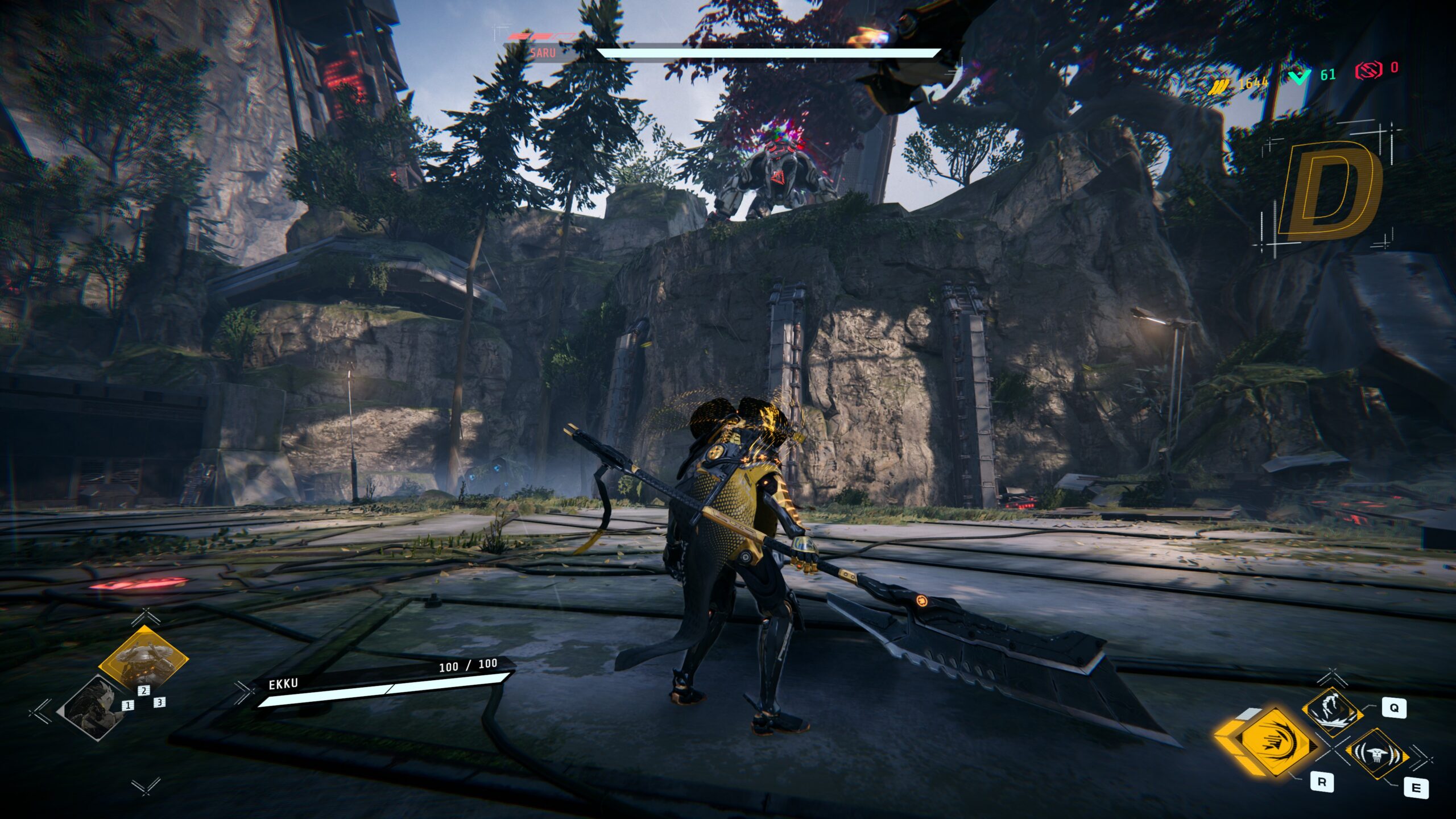
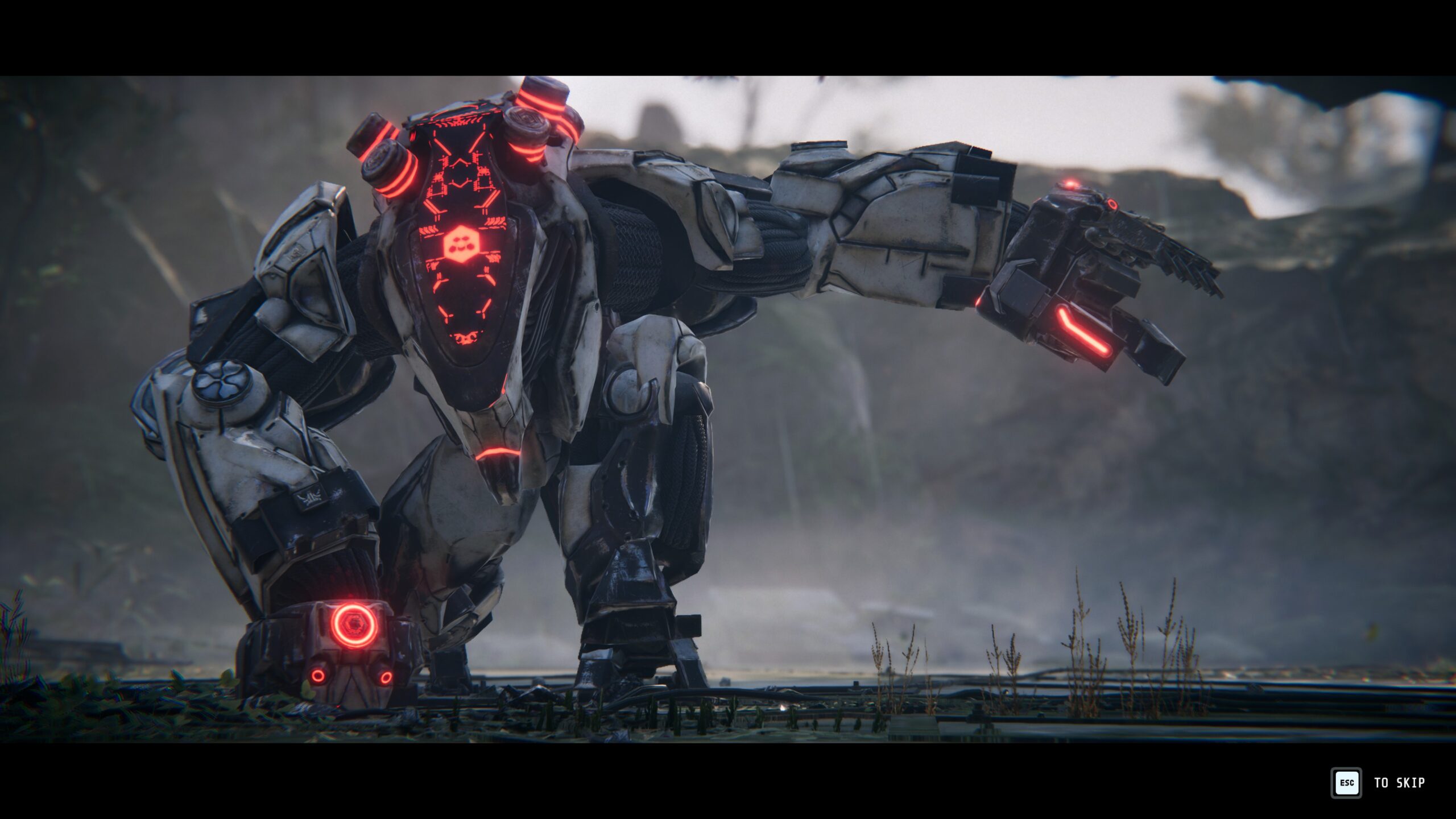
The core hook of Morbid Metal‘s combat is the “seamless” shapeshifting, but in practice, it feels somewhat forced. To provide additional challenge and variety, the combat design pushes you toward constant character swapping—as each model’s skills sit on cooldown independently—yet this often feels more like a mechanical necessity than a natural flow. I found myself gravitating toward Flux and Vekta for their pace and versatility, only switching to the somewhat cumbersome Ekku when absolutely necessary to deal with shielded heavy enemies. For agile threats like drones, Ekku is simply too sluggish.
The combat system relies heavily on this switching mechanic for a second reason: because there is no distinction between light and heavy attacks. By relying on a single attack button and three skill-specific buttons, the combat loop quickly becomes monotonous. Seeing the same animations over and over while waiting for cooldowns makes the gameplay feel flat, and having to perform a dodge roll just to initiate a sprint or parry feels counterintuitive.
Currently, only two bosses are available—Saru and the Prophet—and their fights are multi-phased, repetitive slogs that lack a true ‘wow’ factor. While you can visit the Emporium via Void Rifts to trade Nano Chips for upgrades, or exchange health for currency and vice versa, these risk-reward decisions cannot hide the fact that the overall content feels thin. The steep difficulty often feels like an attempt to artificially extend the playtime.
From a technical standpoint, the game is surprisingly solid, though. Performance is generally stable, with only minor issues such as occasional stutters or clipping. Yet, this technical competence only highlights the lack of soul in the project. It is a visually impressive shell, but it currently feels uninspired. The world regeneration becomes repetitive almost immediately, and there is an absolute void where the story should be. I found myself hacking through enemies without any real sense of purpose—lacking context for who these characters are, what the enemies represent, or why this cycle even exists.
Preliminary Thoughts
In its Early Access state, Morbid Metal feels less like a fully realized game and more like a polished framework waiting to evolve. The game hits the mark for pure technical performance and fast-paced challenge, but it struggles with a lack of identity. While the sci-fi aesthetics and shapeshifting combat lay a promising foundation, the lack of variety in environments and enemy encounters, combined with a restrictive control scheme, dampens the experience. Morbid Metal is still worth keeping an eye on, but it clearly needs more content, better combat depth, and stronger cohesion to really shine when it reaches 1.0.
Additional Information
Release Date: Apr 8, 2026 (Early Access)
Previewed On: PC. Download code provided by the publisher and PR agency.
Developer: Screen Juice
Publisher: Ubisoft
Relevant links: Available on STEAM