Transport Fever 3 Reveals New First Look Video Highlighting Infrastructure Overhaul
 DaRmaZat
Urban Games has released a new First Look video for transport management simulation Transport Fever 3, offering an in-depth preview of major systemic changes ahead of the game’s planned 2026 release for PS5, Xbox Series, and PC via Steam. The newly published third episode in the ongoing First Look series focuses on a comprehensive infrastructure overhaul, expanded traffic simulation, and a wide range of long-requested community features.
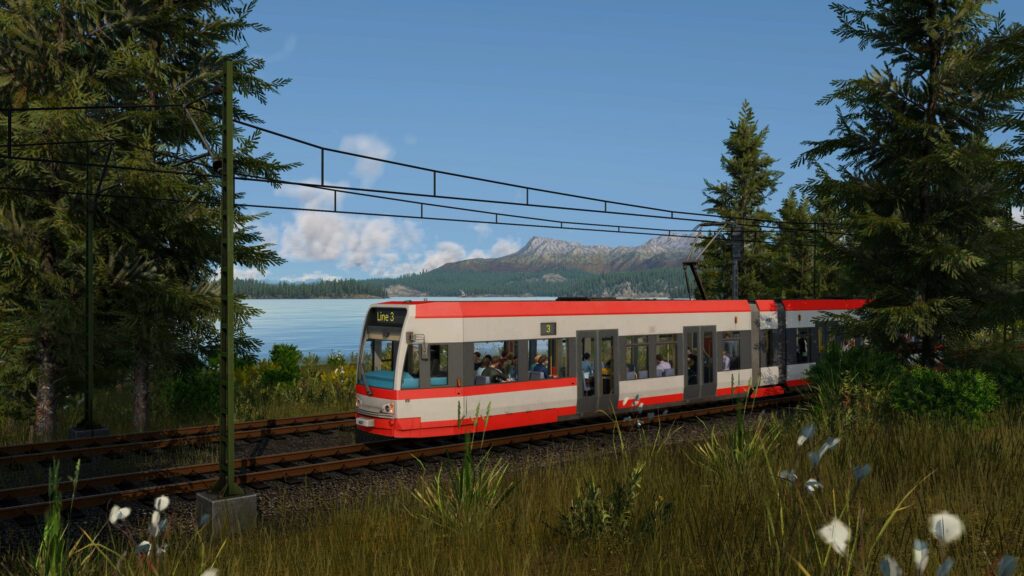
The latest footage shows how Transport Fever 3 significantly raises the bar for the genre by rebuilding its core systems from the ground up. Traffic simulation has been deeply reworked, allowing vehicles to react more realistically to their surroundings by changing lanes, overtaking slower traffic, and dynamically selecting optimal routes. Road construction tools have also been redesigned, enabling players to build intersections at any angle, create complex junctions with authentic road markings, and fine-tune traffic flow with far greater precision.
Urban growth mechanics have been expanded to place stronger emphasis on citizen satisfaction. Travel time and comfort now directly influence a city’s reputation and development, while stations have been rebuilt as fully modular structures. These stations can be expanded with specialist add-ons that increase capacity, improve comfort, and extend their reach, though larger infrastructure footprints also increase noise and pollution, forcing players to carefully balance growth with livability.
Rail transport has also seen major upgrades, with three distinct track types offering different speed, cost, and pollution characteristics. Strategic planning plays a larger role, as there is no longer a single optimal solution for every route. Advanced signaling systems and train priority controls ensure express services can maintain high speeds even on dense networks. Trams have been expanded into a full-featured transit solution, supporting dedicated tracks, underground construction, flexible lane usage, cargo transport, and seamless integration with rail networks as light rail systems.
Environmental impact plays a more prominent role throughout the experience. Vehicles now degrade over time, losing speed, comfort, and efficiency while generating more noise and pollution if not properly maintained. Players must rely on thoughtful planning, smart routing, and mitigation tools such as noise barriers and greenery to manage the long-term consequences of expansion. In Transport Fever 3, profitability alone is no longer enough, as sustainable growth, efficient service delivery, and town satisfaction define lasting success.

 Simone