 DaRmaZat
Back from the depths of the past, Anima Gate of Memories: I & II Remaster bundles two cult action RPGs — the original Gate of Memories (2016) and its companion story The Nameless Chronicles (2018) — into a single package. Developed by Anima Project and inspired by the Anima: Beyond Fantasy tabletop saga, both adventures intertwine destiny, memory, and divine punishment in a world called Gaia, where choices shape the fate of every wandering soul.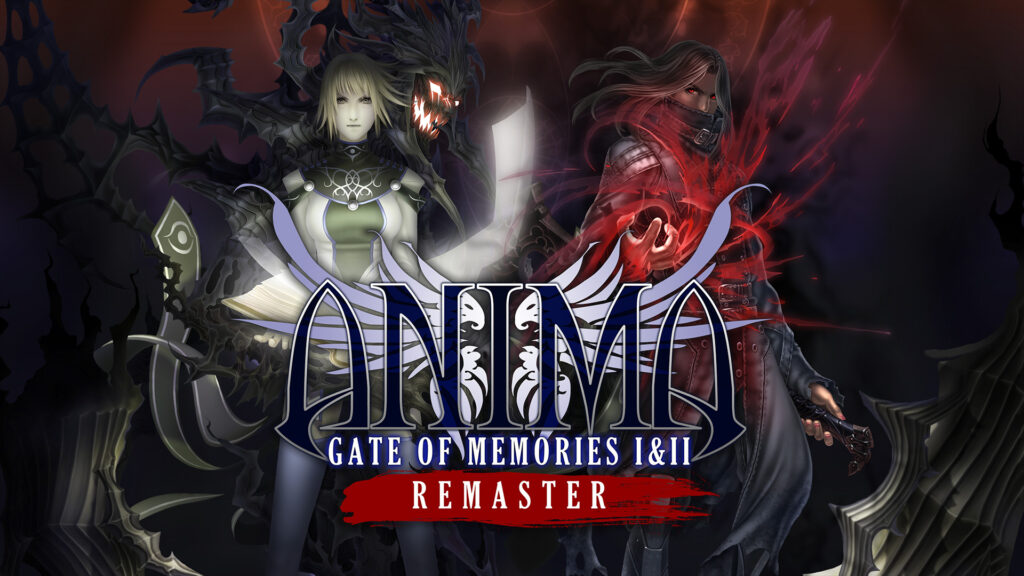
Two Stories, One Shadow War
You control The Bearer of Calamities, a mysterious girl bound to Ergo — an immortal being imprisoned in a book, his booming voice alternating between arrogance, flippant humor, and weary self-awareness. Together they navigate the Tower of Arcane, a place woven from fragmented memories and half-forgotten sins. In The Nameless Chronicles, the perspective shifts: you now inhabit The Nameless, an ancient villain cursed with immortality, crossing paths with the same events from another moral angle.
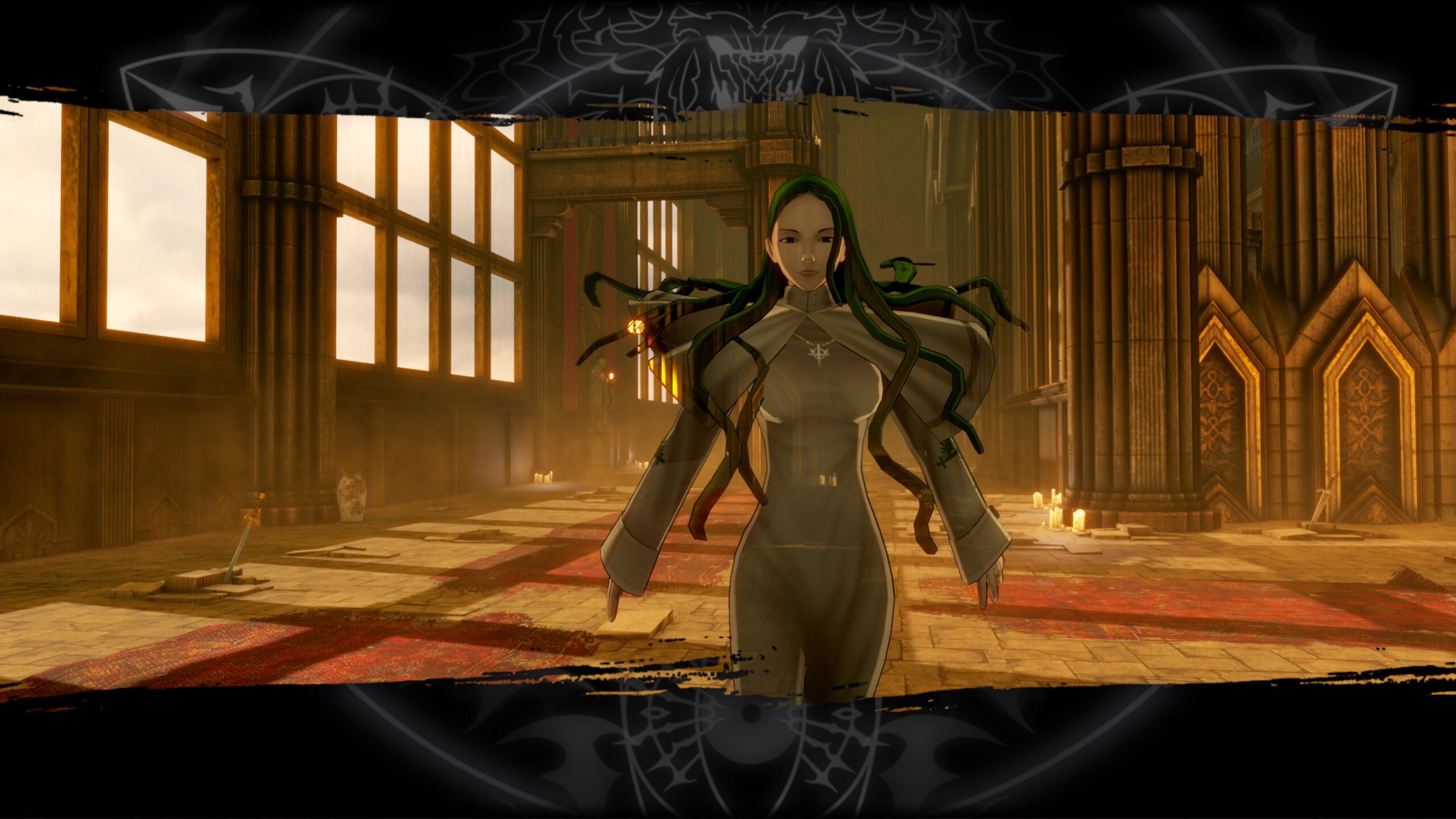
Recurring figures like The Red Lady and the Supreme Inquisitor appear in both entries, lending the universe a sense of tragic continuity, if not outright repetition. When played back-to-back, both narratives unfold as mirror images of a world at war with itself — compelling in concept, but often dragged down by uneven pacing and sparse storytelling. Many revelations land without impact simply because the game’s direction leaves you guessing where to go next.
Of Combat and Clumsiness
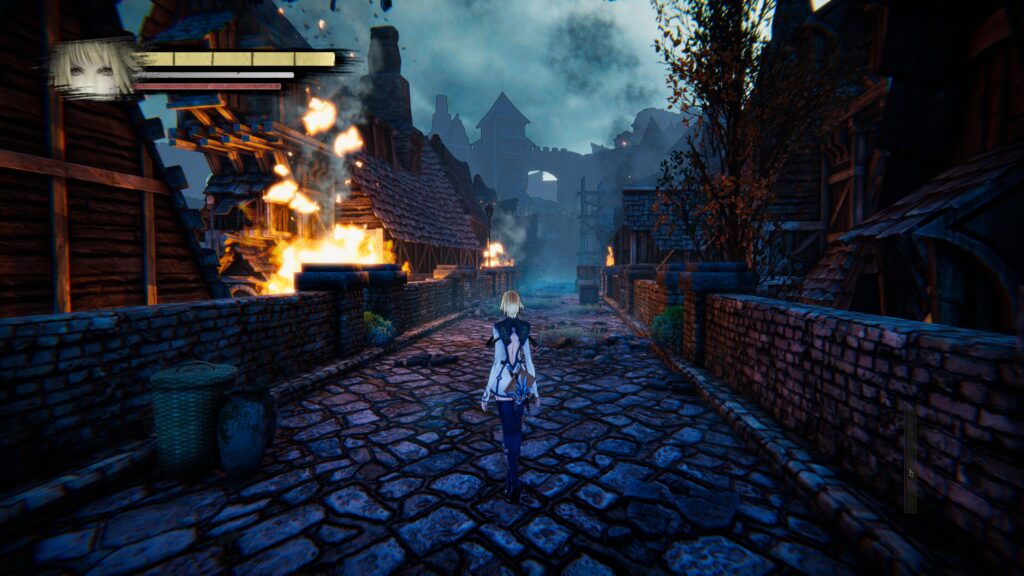
Combat defines Anima: Gate of Memories, though not always in flattering ways. Instead of fluid combo-based systems, fights rely on cooldown abilities, dodges, and repetitive enemy waves. Dozens of identical foes spawn in, their attack patterns easily read but frustratingly prolonged. Mini-bosses demand quick reflexes more than strategy, turning many encounters into mechanical endurance tests rather than true duels.
The character-swap mechanic — switching between The Bearer and Ergo mid-battle — should offer tactical freedom, yet both share nearly identical move sets and a sluggish rhythm. In The Nameless Chronicles, charge attacks and unblockables add some nuance, but even then, battles rarely feel weighty. Movements lack impact, with hits that connect but seldom land. It’s a system that looks energetic yet feels hollow, closer to an MMO grind than an action RPG’s satisfying precision.
On top of this, unreliable camera shifts only deepen the clunkiness, with abrupt transitions to 2D angles or distant top-down views that frequently break combat flow. These shifts feel more like relics of old experiments than deliberate creative choices. Even the sound effects betray their age — brittle, flat, and unmistakably vintage in tone.
Crafting the World in Light and Shadow
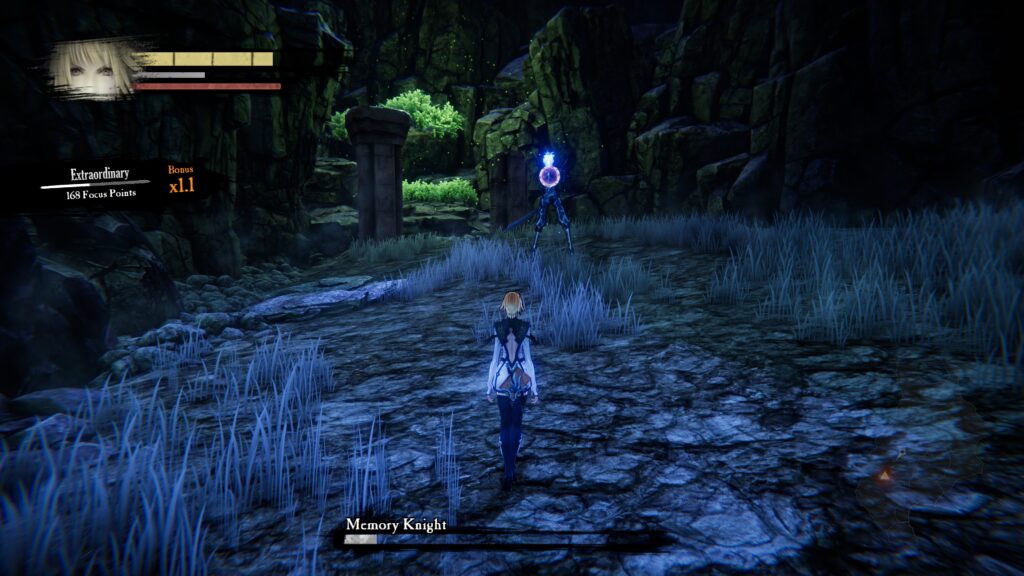
Structurally, both Anima entries remain opaque. You’re dropped into a hub-like palace filled with portals, each leading to realms shaped by memories — puppet-filled mansions, seasonal plains, abstract dungeons. The lack of clear direction might appeal to explorers, but for most, it feels like guesswork. There’s no quest log, no waypoints, and minimal NPC interaction. Some puzzles surprise with clever design, others frustrate through obscurity. Optional quests, like freeing prisoners or collecting hidden keys, often demand tedious backtracking through maze-like zones.
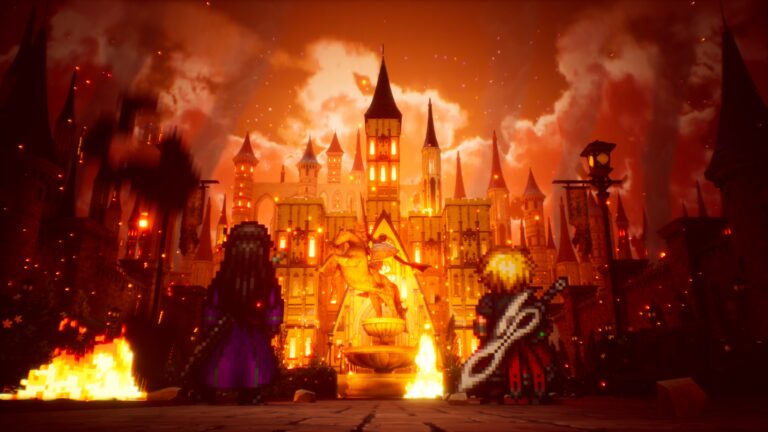
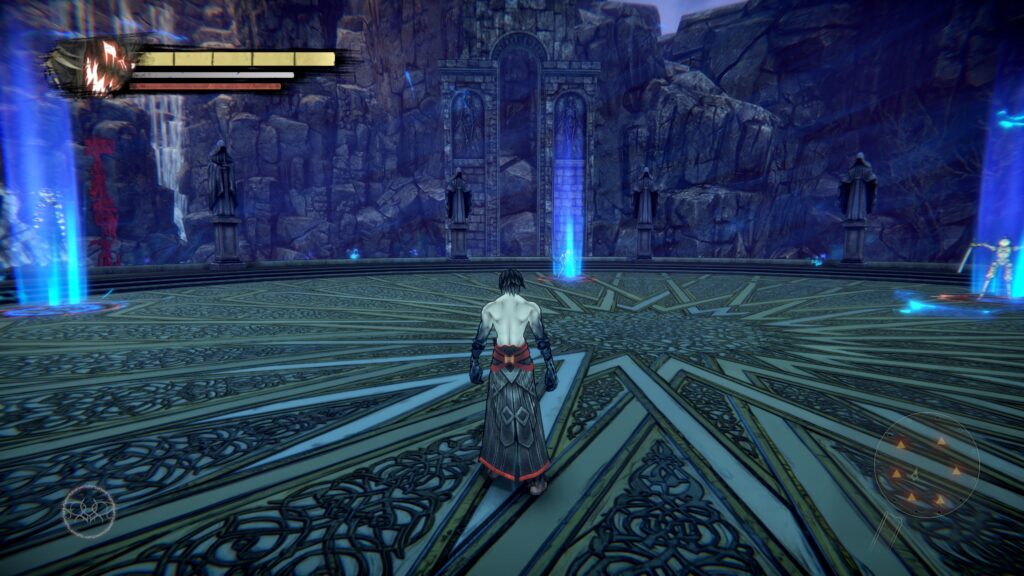
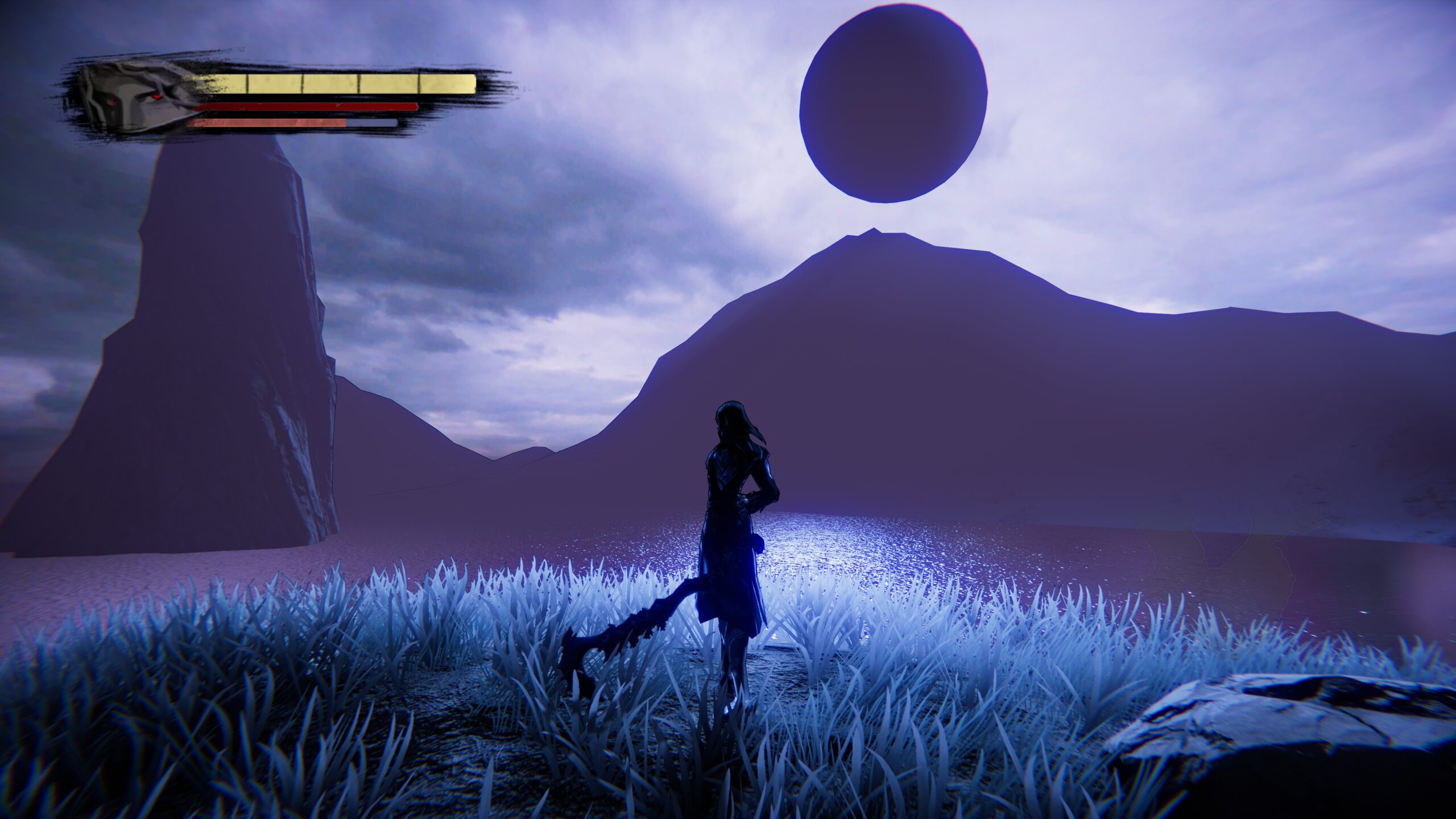
What the remaster does right, however, is presentation. Textures, lighting, and environments have been visibly reworked. The Tower of Arcane’s corridors glow with a nostalgic, almost painterly tone, and outdoor landscapes — from misty meadows to desolate cathedrals — carry a melancholic beauty. It’s a reminder that Anima’s worldbuilding was always ambitious, even when its mechanics stumbled.
Not a Modern Showcase
However, this is still no modern showcase. Animations remain stiff and facial expressions are frozen. But viewed through the lens of its origins, the game’s retro authenticity feels strangely charming. The remaster gives Anima just enough polish to look deliberate again, even if it never truly feels new.
Unfortunately, the soundscape doesn’t share that success. Voice acting veers from serviceable to awkward, with Ergo’s constant “baby” remarks and flirty quips aging poorly. The soundtrack mixes ethereal orchestral pieces with repetitive combat loops, creating uneven tone shifts between solemn story beats and chaotic battles as well.
For all its ambition, Anima: Gate of Memories: I & II Remaster remains trapped between eras — too dated for newcomers, too familiar for long-time fans. The remaster brings cleaner visuals, sharper lighting, and quality-of-life touches like difficulty settings, but stops short of modern refinement. No new story content, limited animation upgrades, and persistent pacing issues make it feel like a careful repackaging rather than a resurrection.
Final Thoughts
Anima: Gate of Memories: I & II Remaster is a curious return — part celebration, part time capsule. Its twin stories hold emotional weight, its world still fascinates, and the remaster’s visual care keeps it from total obscurity. Yet it never transcends the limitations of its design. The combat feels stiff, exploration opaque, and voice work distractingly uneven.
Still, beneath the stiffness, there’s something undeniably heartfelt. The lore of Gaia, its gods and cursed immortals, still carries a certain melancholic poetry. When the combat quiets and the world hums softly with mystery, Anima manages to remind you why it earned a cult following in the first place.
What remains is a relic of mid-2010s RPG ambition: flawed, fascinating, and occasionally beautiful in its awkwardness. Those seeking refinement will struggle, but for anyone drawn to forgotten worlds and tragic antiheroes, this remaster offers a chance to remember what Anima once dared to be.
Additional Information
Release Date: Nov 7, 2025
Reviewed On: PC. Download code provided by the publisher and PR agency.
Developer: Anima Project
Publisher: Anima Publishing
Relevant links: Anima: Gate of Memories I & II Remaster on STEAM