 DaRmaZat
I already got an early look at The Sinking City 2 back in June, when Frogwares released a playable demo. After roughly an hour in its flooded version of Arkham, I came away cautiously optimistic. The game was clearly moving away from the open-world detective adventure of its predecessor and toward survival horror, while retaining some of Frogwares’ familiar investigative DNA. At the time, however, the demo deliberately kept its more involved puzzles and deduction mechanics mostly out of sight, so there was still a lot left to discover.
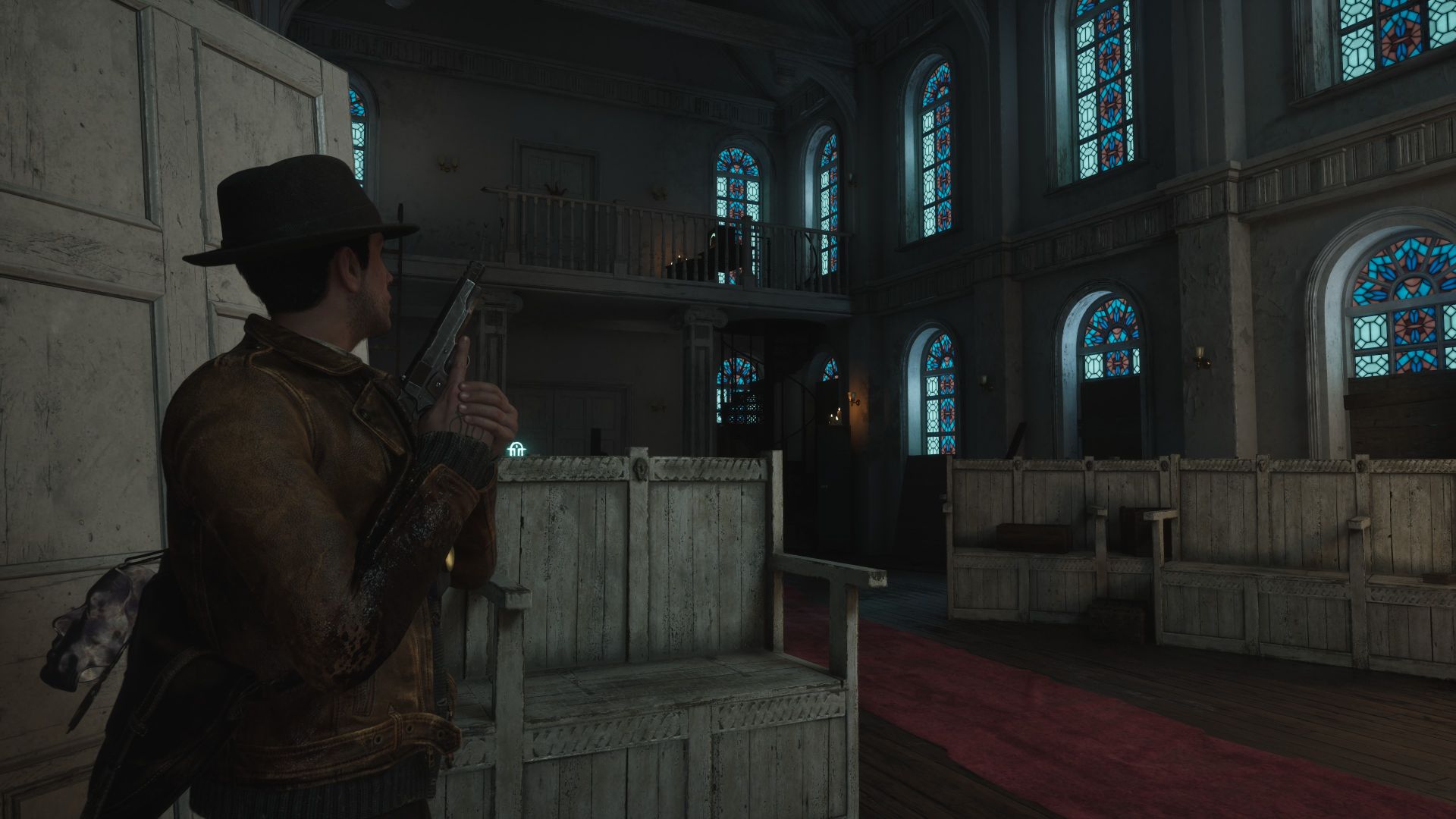
My relationship with the first The Sinking City is a complicated one. I liked the idea more than the execution and never actually finished it. What did appeal to me was the same investigative foundation that Frogwares also used in its Sherlock Holmes games: collecting evidence, examining your surroundings and connecting clues to reach conclusions yourself. Sherlock Holmes: The Awakened showed me that Frogwares can do that part rather well, so I was curious to see whether The Sinking City 2 could combine those ideas with its newfound survival horror ambitions. Released on August 18, the sequel moves the action to 1920s Arkham, a city now flooded, largely abandoned and overrun by something considerably worse than rising water.
A Love Story
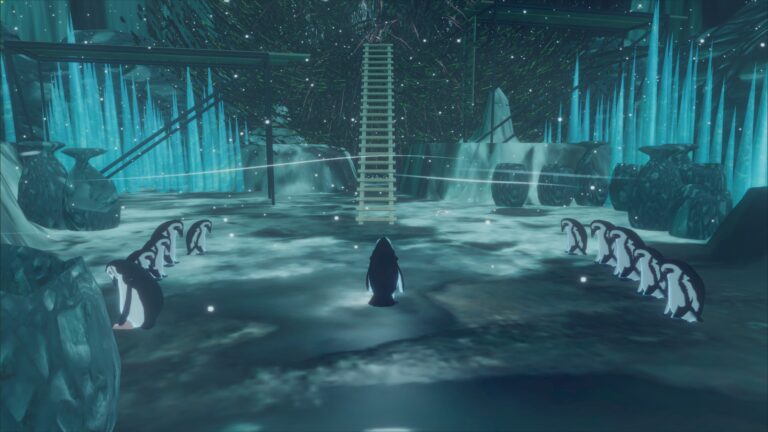
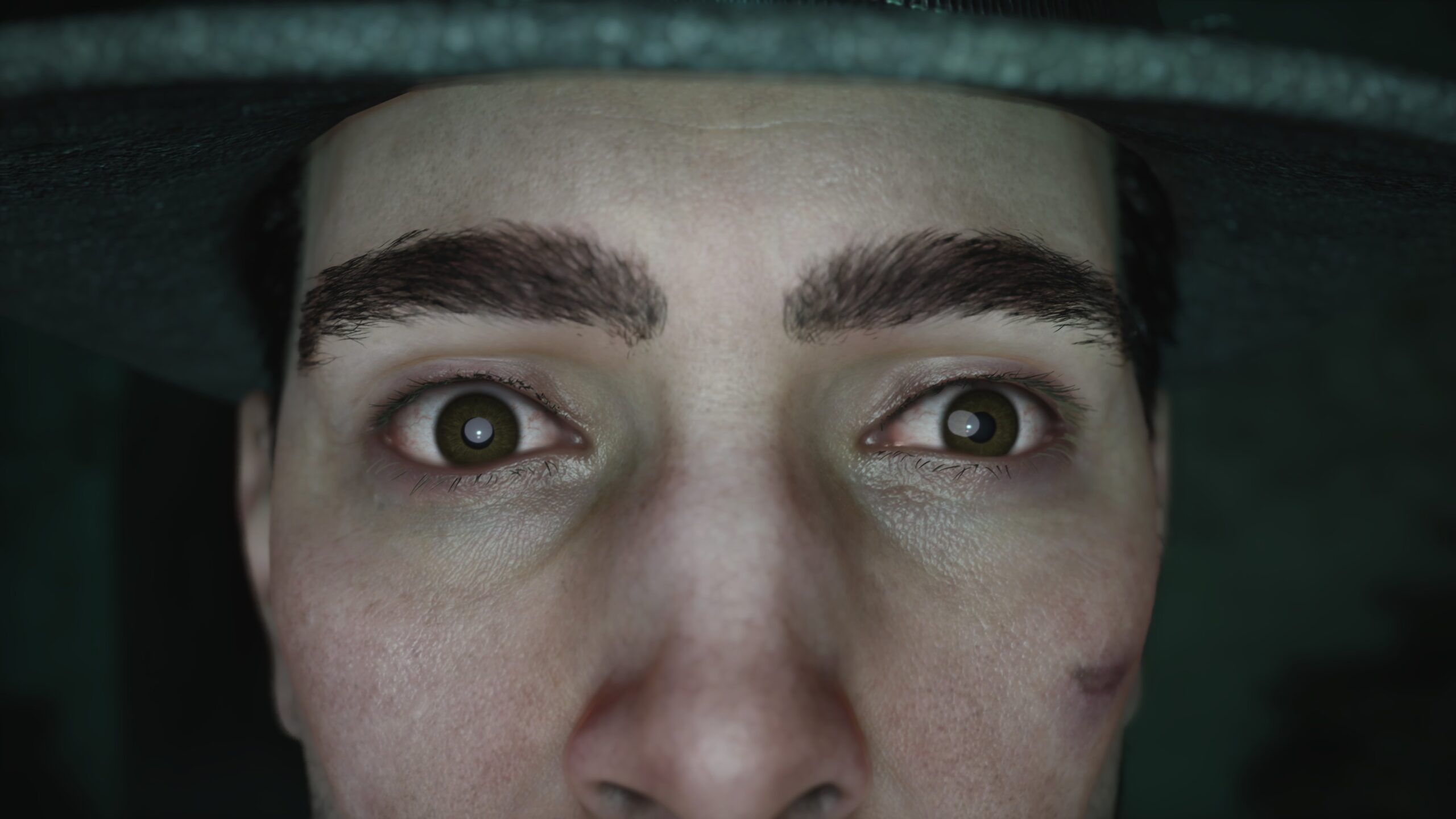
You play as Calvin Rafferty, an occultist whose partner Faye has fallen into a coma after a failed ritual. Her body remains in Arkham, while her spirit appears to be trapped in the mysterious Dreamlands. While most of the city’s population is trying to escape, Calvin stays behind in the hope of bringing her back. It’s a straightforward premise, but an effective one. Unlike the protagonist of the first game, Calvin has a very personal reason to remain in Arkham, giving the story a clearer direction than simply investigating whatever strange case happens to cross his path.
The Lovecraftian elements are generally more interesting than the more emotional material. There are some suitably bizarre characters, disturbing transformations and increasingly strange events, and I enjoyed discovering where the story was going. The relationship between Calvin and Faye didn’t always work for me, though. Some of the more emotional scenes feel as if they’re trying a little too hard to make their bond feel significant, without always earning that response through the writing. Still, the premise works well enough to keep the story moving, and I appreciated that Frogwares doesn’t immediately explain everything it throws at you.
More Than a Detective
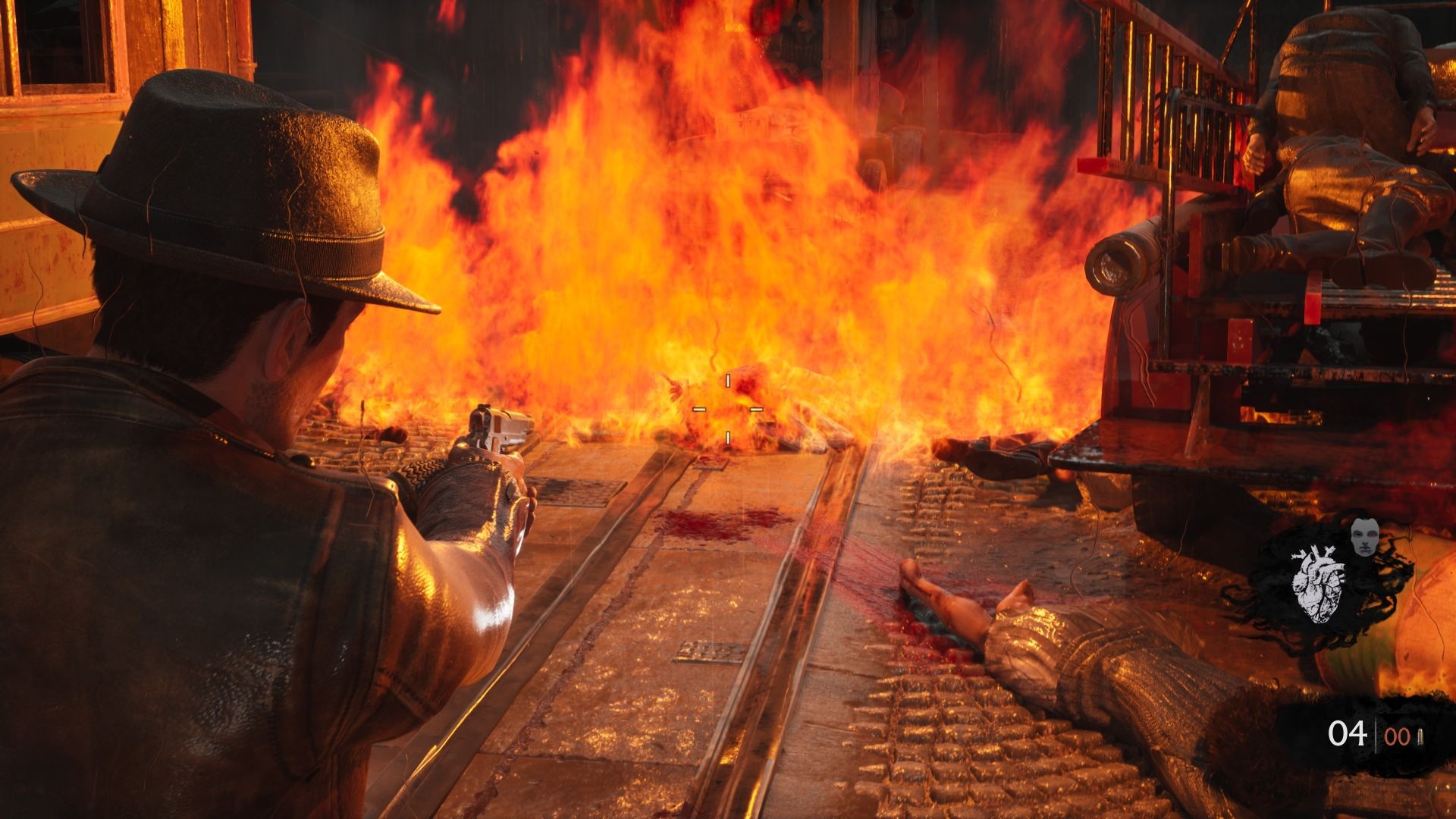
The first thing that becomes apparent is just how much more deliberately The Sinking City 2 is structured. Rather than giving you a city to freely work your way through, Frogwares has built a sequence of interconnected areas where progression is controlled without completely taking exploration out of your hands. You will regularly find yourself searching rooms for supplies, figuring out how to open the next route and keeping track of places that might become relevant later.
My preview made it seem as though the Mind Palace-like puzzles would be relatively minor, because the demo only contained a handful of straightforward challenges. The full game proved otherwise. Puzzles are an important part of progression, and some of them require considerably more thought than the early sections suggest. Notes and clues aren’t just there for flavor: paying attention to them can be essential to figuring out where to go or what to do next. Exploration matters just as much. Arkham may be linear compared to the previous game, but you’re still expected to remember where you’ve been, search thoroughly and occasionally backtrack. The boat plays an important role in moving between areas, and there are moments when progression requires returning to a location you thought you’d already finished with.
That gives The Sinking City 2 a slightly misleading first impression. It looks like a straightforward survival horror game where you shoot monsters and solve simple puzzles on the way to the next objective. In practice, Frogwares occasionally asks you to put the gun away and actually think. The detective mechanics themselves are still present, with evidence and deductions making a return, but they have clearly been relegated to a supporting role. I missed having them play a bigger part, particularly because they remain one of the elements that give Frogwares’ games their own identity. Still, the more substantial puzzles and the exploration needed to solve them mean that the investigative spirit hasn’t disappeared entirely.
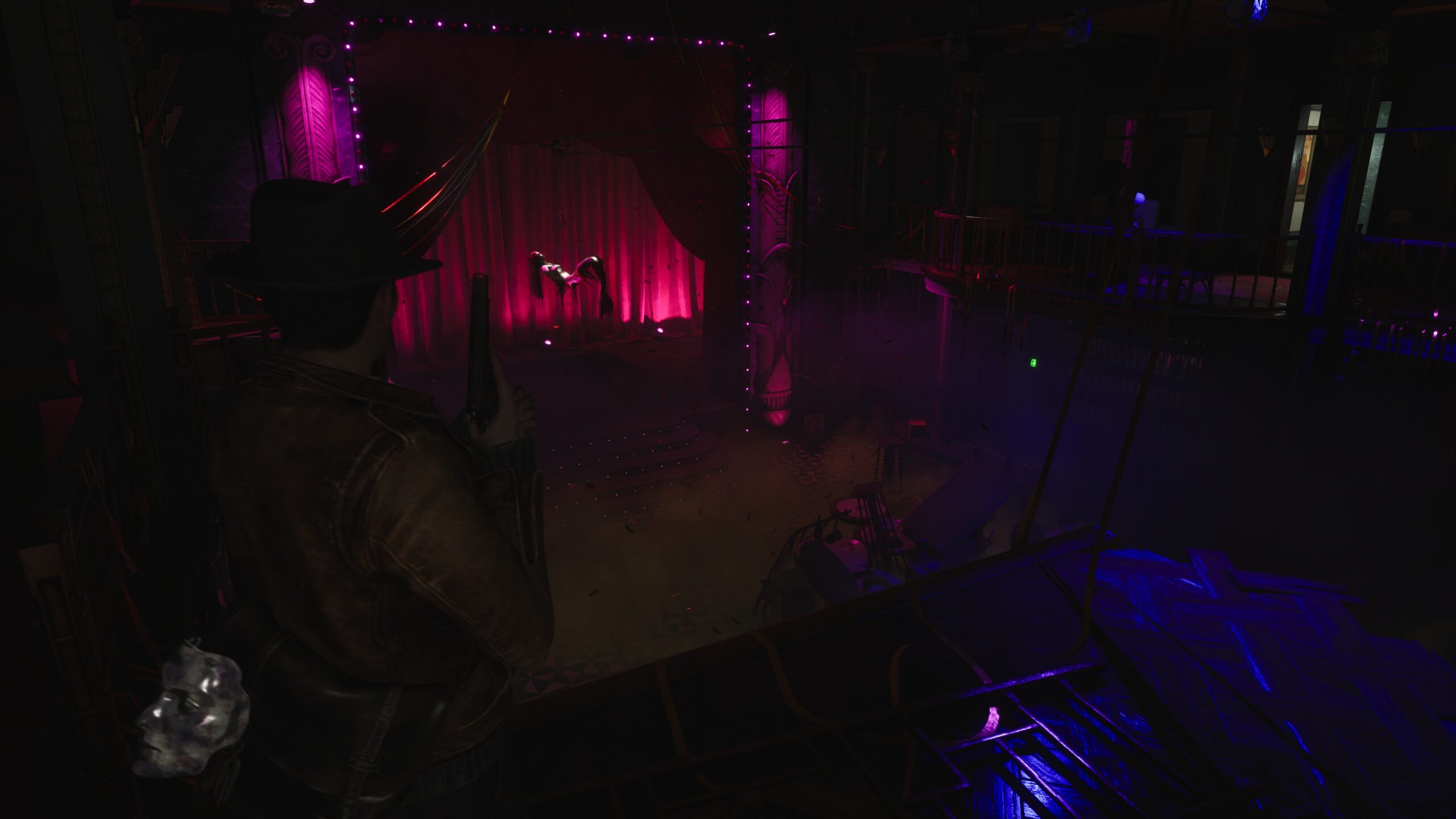
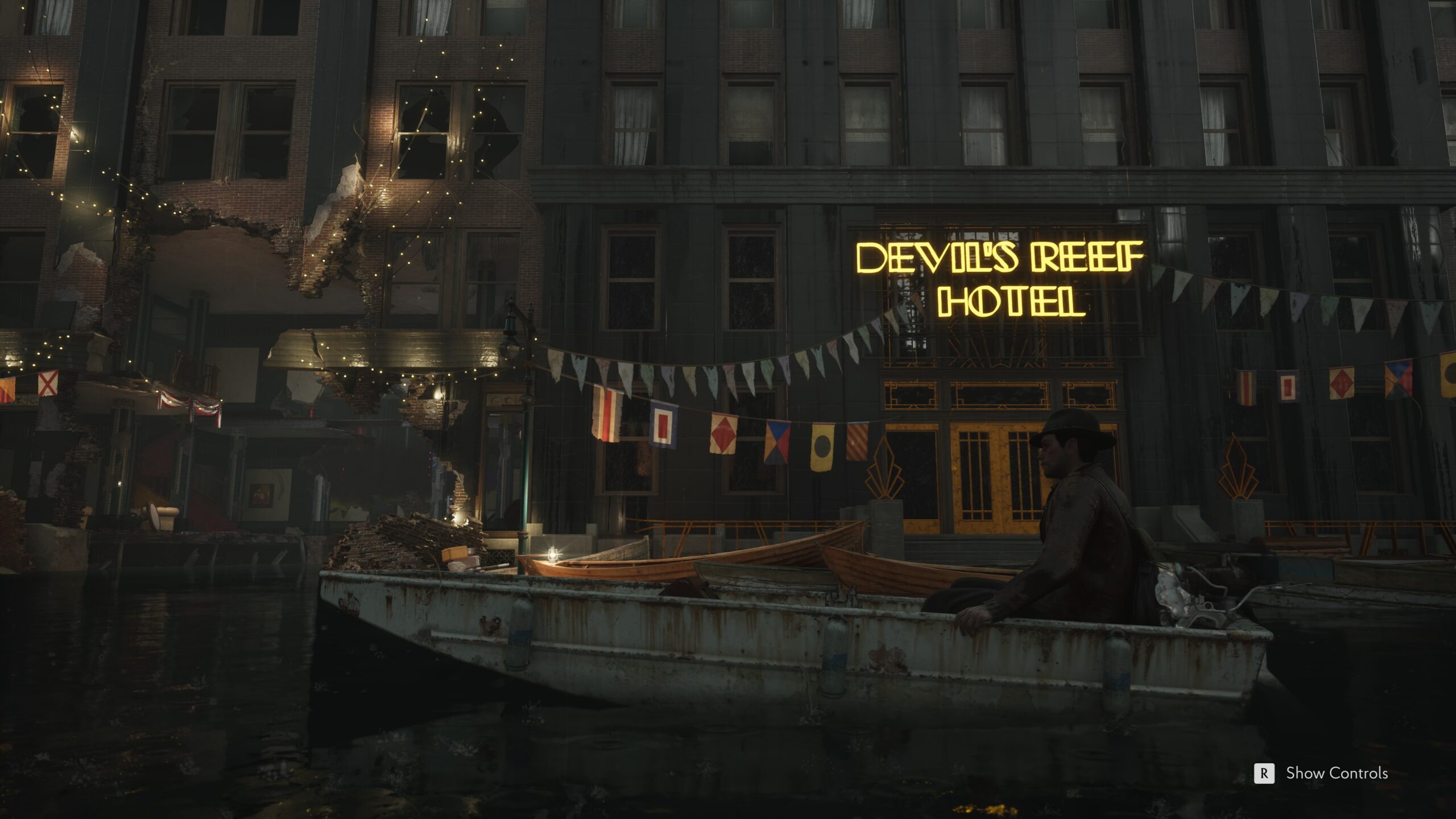
Shooting Your Way Through Arkham. Or Not.
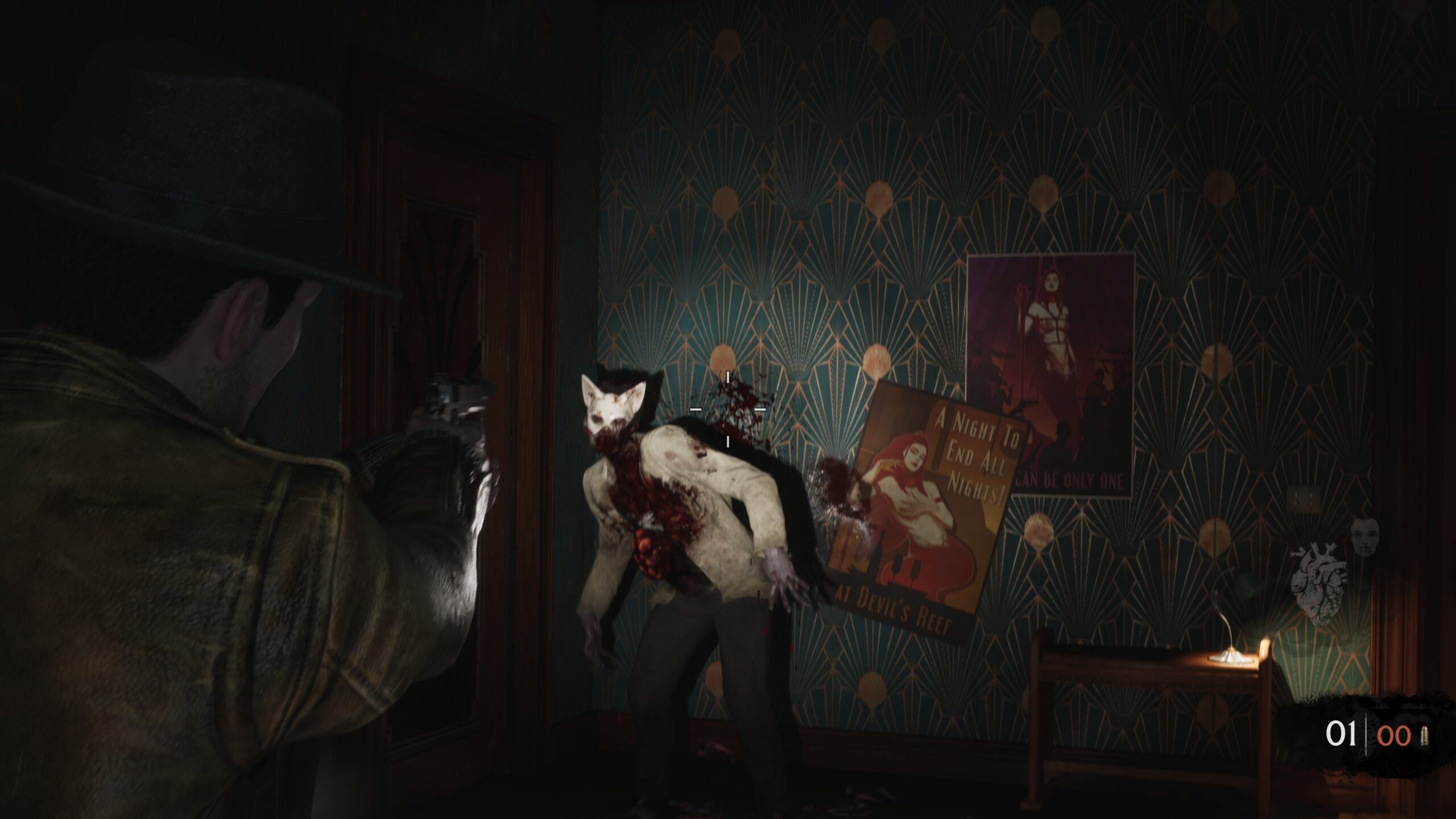
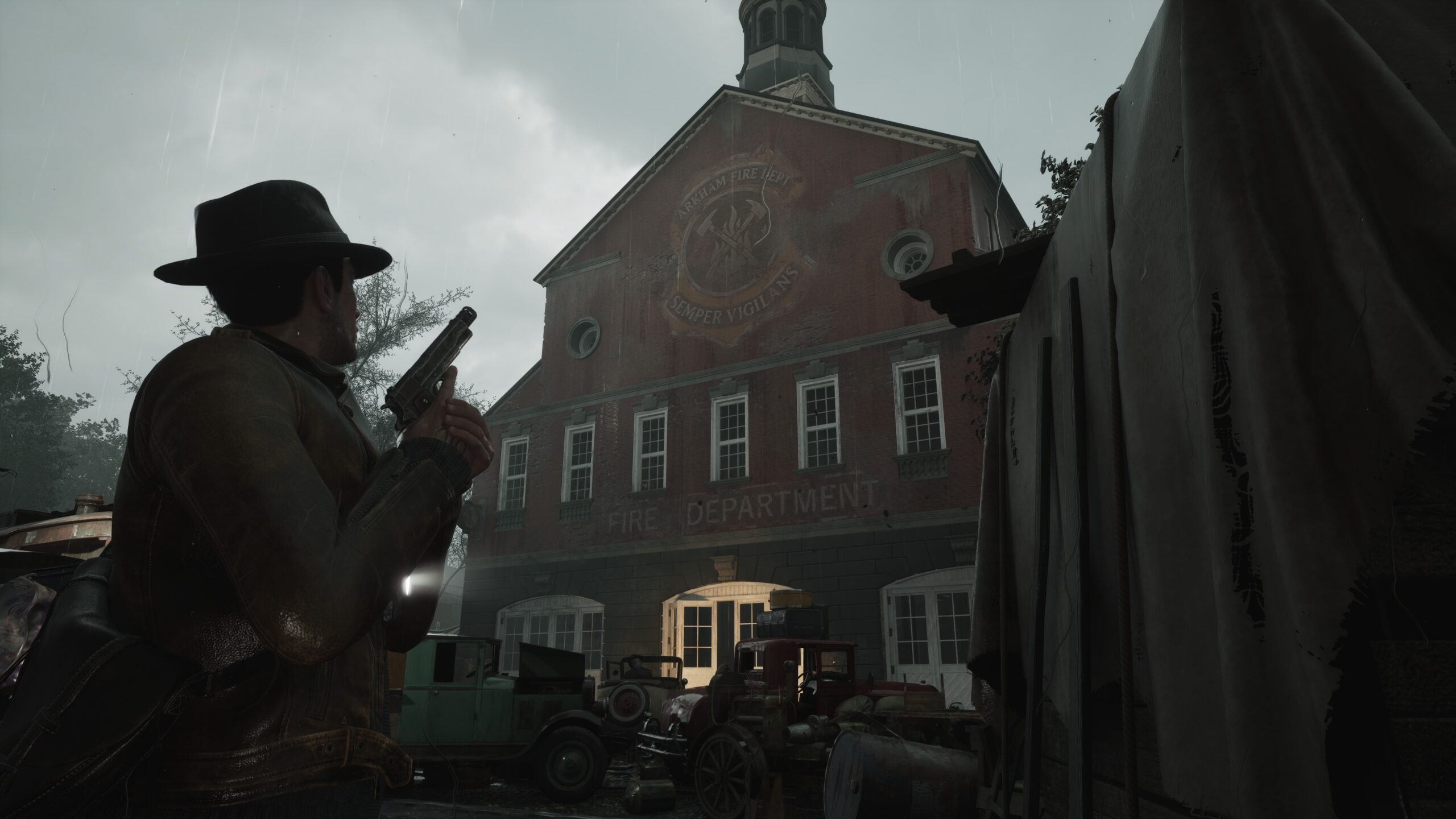
Frogwares has at least managed to make fighting far less frustrating than it was in the previous game. Calvin’s weapons have a better sense of impact, enemies have clear weak spots and the ability to dodge gives you more control over encounters. You can also make good use of melee attacks against weaker enemies, which is useful when ammunition is better spent elsewhere.
That scarcity of resources creates some of the better combat decisions. Clearing every room isn’t always the sensible option, and walking away from an enemy can be more valuable than putting another few rounds into it. The game is at its most convincing when it makes you weigh the immediate satisfaction of killing something against the possibility that those bullets will be far more useful later.
Things get considerably messier once the game starts throwing several enemies at you simultaneously, though. The dodge mechanic remains reasonably effective when you have space to work with, but that space disappears quickly when you’re surrounded. Encounters can then devolve into frantic movement rather than the measured resource management the system seems designed around.
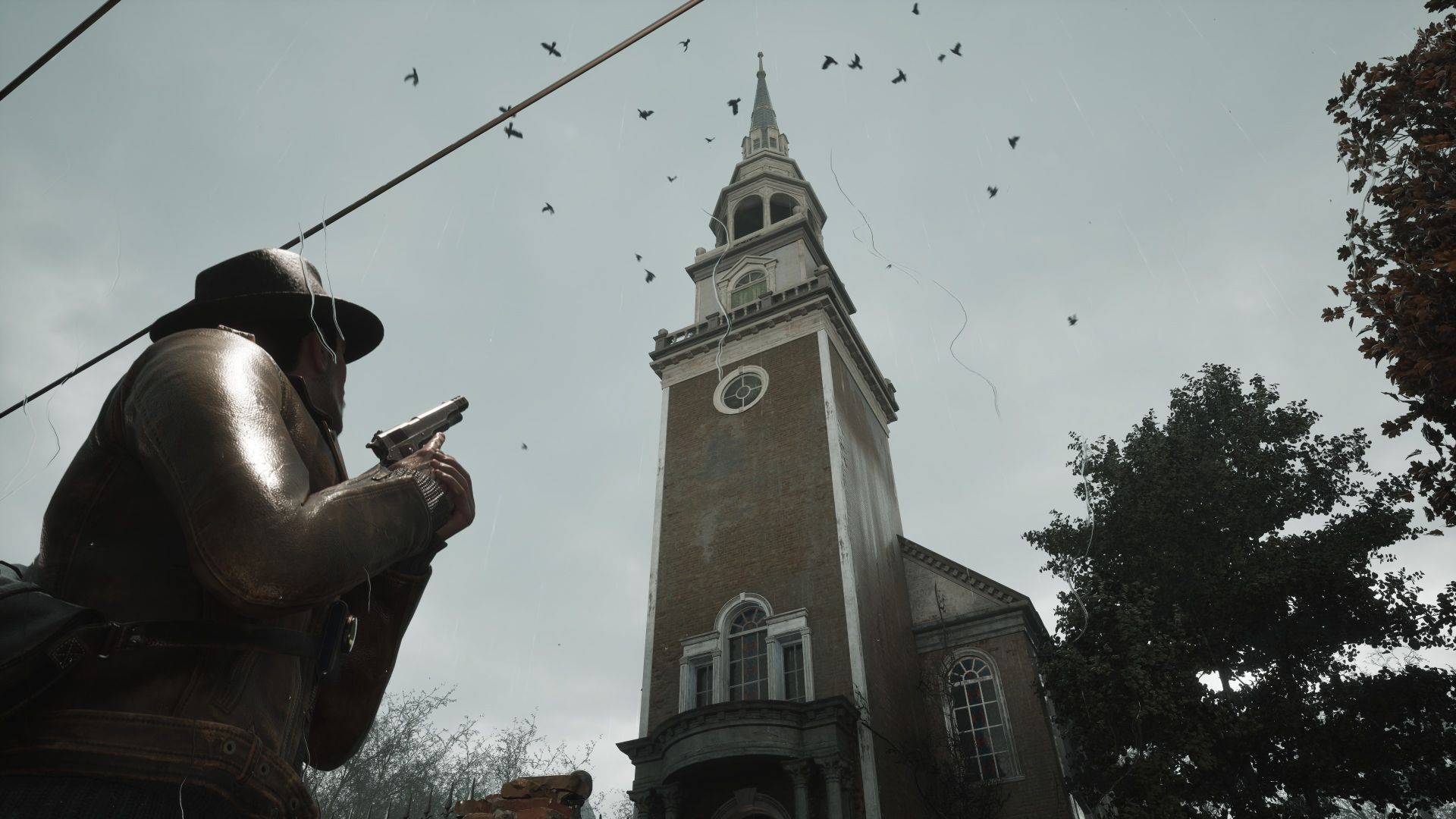
Atmosphere Is Anything But Lacking
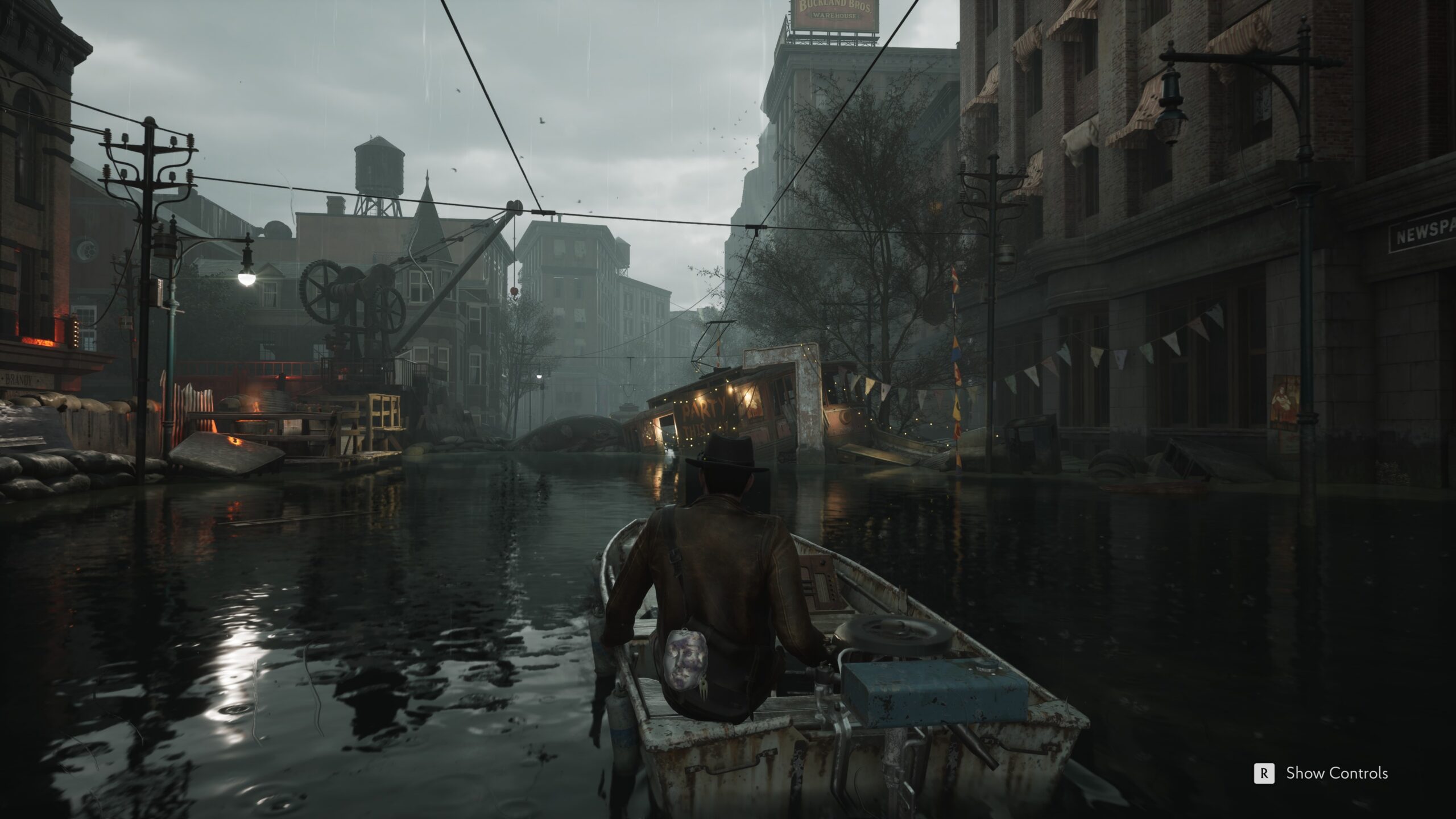
The flooded Arkham was one of the things that impressed me most during the preview, and it remains an effective setting throughout the full game. Evacuation sirens, abandoned streets, corpses and waterlogged buildings create the impression of a city that has already lost the fight. The Slither worms are a particularly good example. These grotesque creatures crawl through the environment and can burrow into corpses, turning them into hostile undead. It gives even apparently harmless bodies a reason to make you nervous.
Visually, however, Arkham is more effective than distinctive. Water, fog, lighting and surface detail can look impressive, but the game frequently has that familiar generic Unreal Engine 5 horror aesthetic. The flooded streets and decaying interiors also become somewhat monotonous over time, with many locations resembling the same kind of Resident Evil or Silent Hill-inspired environments we’ve seen in plenty of other modern survival horror games. There are certainly individual scenes that look great, but The Sinking City 2 doesn’t always make as strong a visual impression as its setting could have allowed.
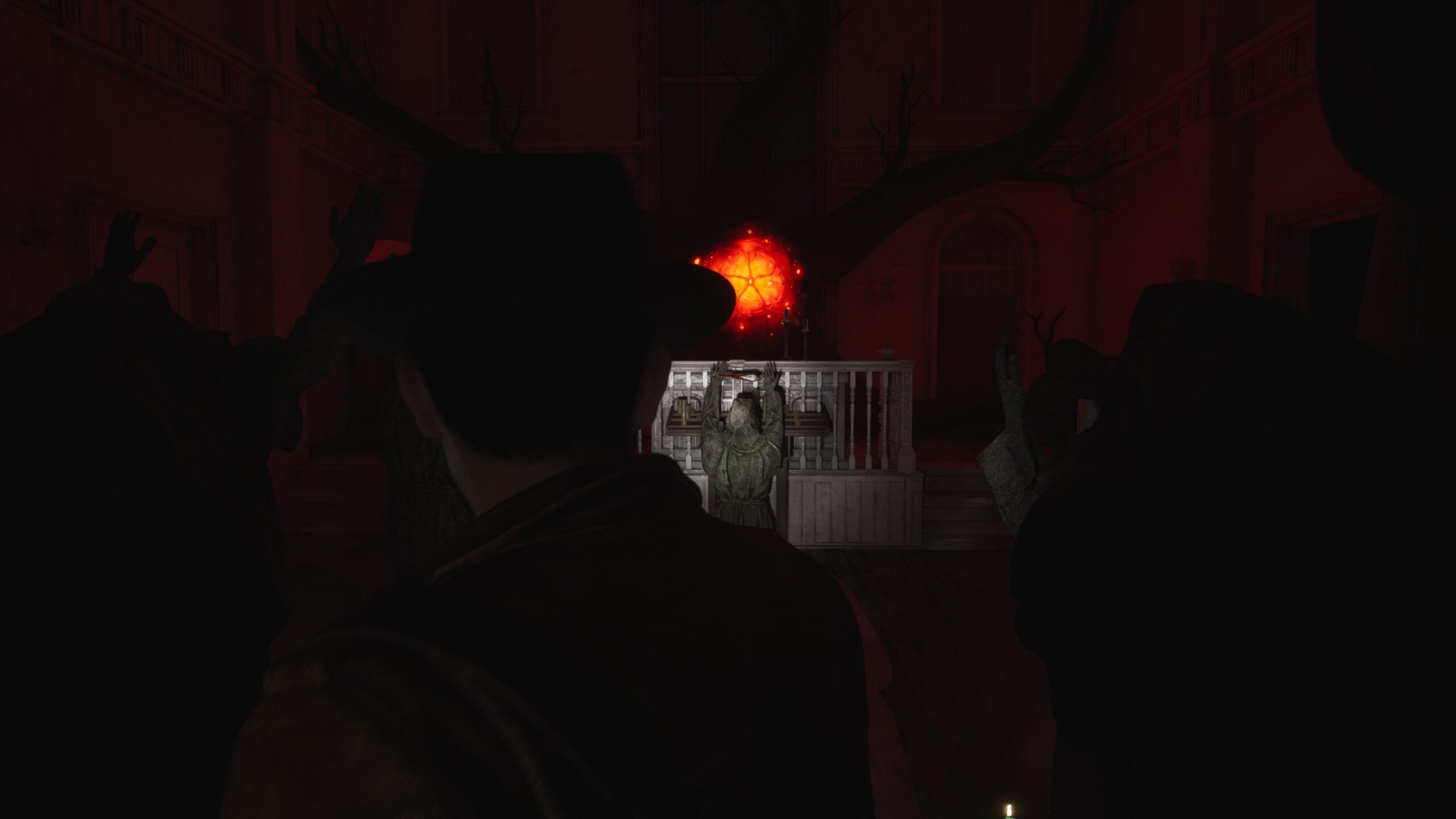
An Uneven Soundscape, a Pleasant Technical Surprise
This is another area where my preview impression changed. I initially thought the limited use of music helped create tension by making the environmental sounds more prominent. After spending much longer in Arkham, I found the opposite to be true more often than not. There is very little music, and outside the whispers and growls of Lovecraftian creatures, the hissing of the Slither and the usual sounds of doors, footsteps and gunfire, the soundscape is surprisingly sparse. Silence can obviously be an effective horror tool, but here it often leaves long stretches of exploration feeling empty rather than tense. It doesn’t destroy the atmosphere, but extended sections can feel strangely quiet and, at times, almost sleepy.
The technical side of the game ended up being a much more positive experience for me than expected. I played on PC with a Ryzen 7 7800X3D, 64GB of DDR5 and an RTX 4090, using DLSS upscaling and 2x frame generation. The result was extremely smooth. I experienced no meaningful stuttering or traversal issues during my playthrough, which is particularly notable for a UE5 game. Unreal Engine 5 has earned a reputation for demanding hardware and frequent performance problems, so seeing The Sinking City 2 run this well was a pleasant surprise.
Final Thoughts
The Sinking City 2 is a better game than its predecessor, but it is also a very different one. Frogwares has traded the open-world detective adventure for a more focused survival horror experience, and while I miss the stronger investigative component, the change generally works. The combat is better, the Lovecraftian setting remains interesting and the puzzles ended up being considerably more important than the preview suggested. They, together with the exploration and occasional backtracking, prevent the game from becoming just another Resident Evil-inspired shooter.
At the same time, the generic UE5 visuals, sparse soundscape and occasionally awkward combat keep it from reaching the level of the games it clearly takes inspiration from. After never finishing the first The Sinking City, I certainly didn’t expect its sequel to work this well for me. It’s an uneven but enjoyable survival horror game that takes Frogwares’ familiar investigative ideas in a very different direction.
Additional Information
Release Date: August 18, 2026
Reviewed On: PC. Download code provided by the publisher and PR agency.
Developer: Frogwares
Publisher: Frogwares
Relevant links: Available on STEAM.