NVIDIA Reinvents Windows PCs at Computex with RTX Spark AI and DLSS 4.5 Ray Reconstruction
 DaRmaZat
During his Computex 2026 keynote address in Taipei, NVIDIA CEO Jensen Huang announced NVIDIA RTX Spark, a new processing superchip designed to anchor a fresh category of personal AI assistant-driven Windows PCs.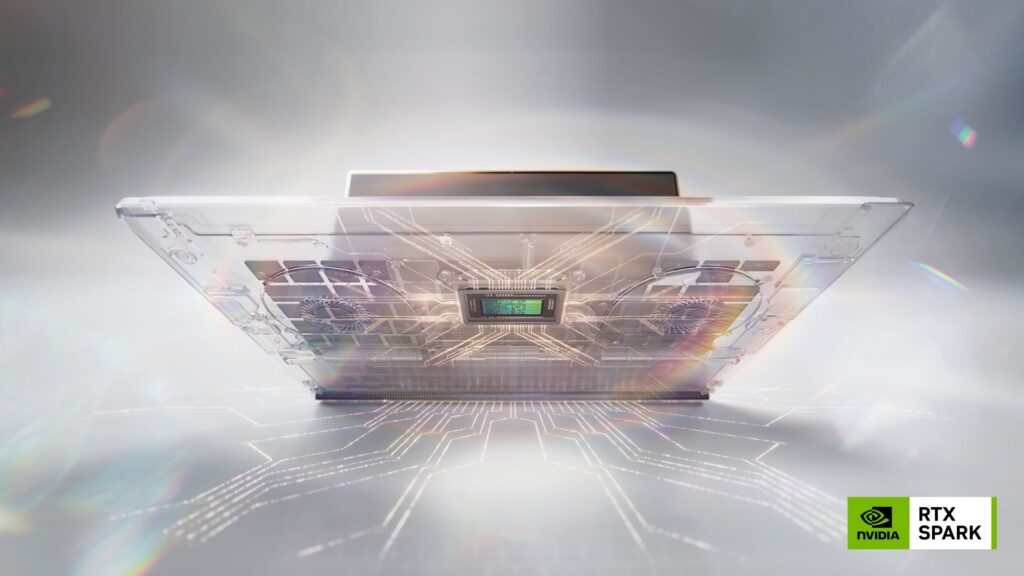
Engineered for thin laptops and ultra-compact desktop form factors, the RTX Spark architecture delivers up to 1 petaflop of local AI computing power. The chip integrates unified memory configurations up to 128 GB alongside system-wide energy optimizations intended to ensure day-long battery life in portable hardware.
As part of this rollout, NVIDIA and Microsoft are introducing joint security protocols and the NVIDIA OpenShell framework to allow autonomous AI agents to run natively on consumer hardware. Initial consumer systems utilizing RTX Spark will arrive this autumn from manufacturing partners including ASUS, Dell, HP, Lenovo, Microsoft Surface, and MSI, with hardware variants from Acer and GIGABYTE following shortly thereafter.
NVIDIA simultaneously expanded its graphic framework with the introduction of DLSS 4.5 Ray Reconstruction, a neural rendering upgrade arriving this August. The updated iteration integrates a second-generation transformer model that boosts local denoiser processing capacity by 35% and expands context parameter tracking by 20% over prior versions. This structural change improves lighting precision and temporal stability for software executing realtime ray tracing or path tracing.
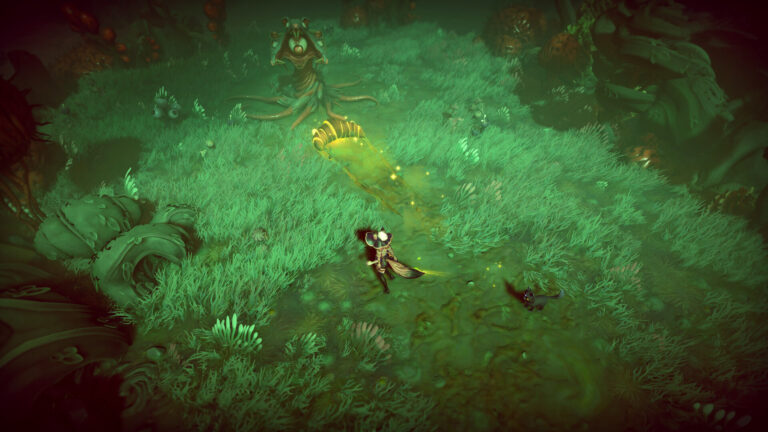
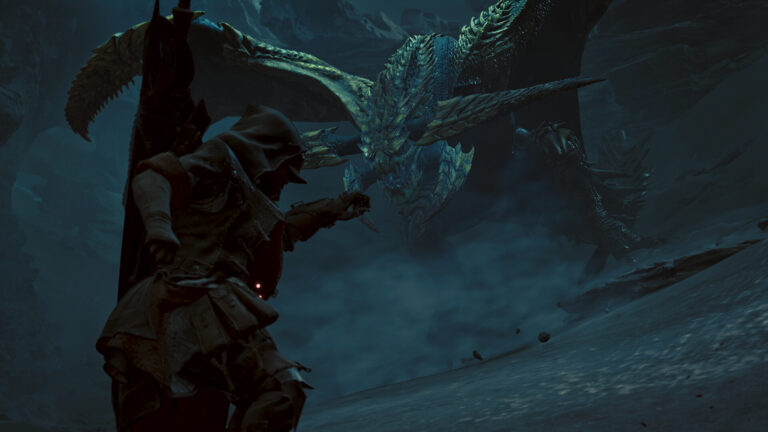
The technology has already crossed a milestone of 1,000 supported applications and games, with 11 upcoming titles – including Marvel Rivals, Gothic 1 Remake, Phantom Blade Zero, and Where Winds Meet – confirmed to carry native DLSS 4.5 capabilities. Creative applications are also integrating the tech; Adobe is actively redesigning its Photoshop and Premiere pipelines to double processing efficiency on RTX Spark hardware, while Blender 5.3 will incorporate the revised Ray Reconstruction denoiser into its Cycles rendering engine this autumn.
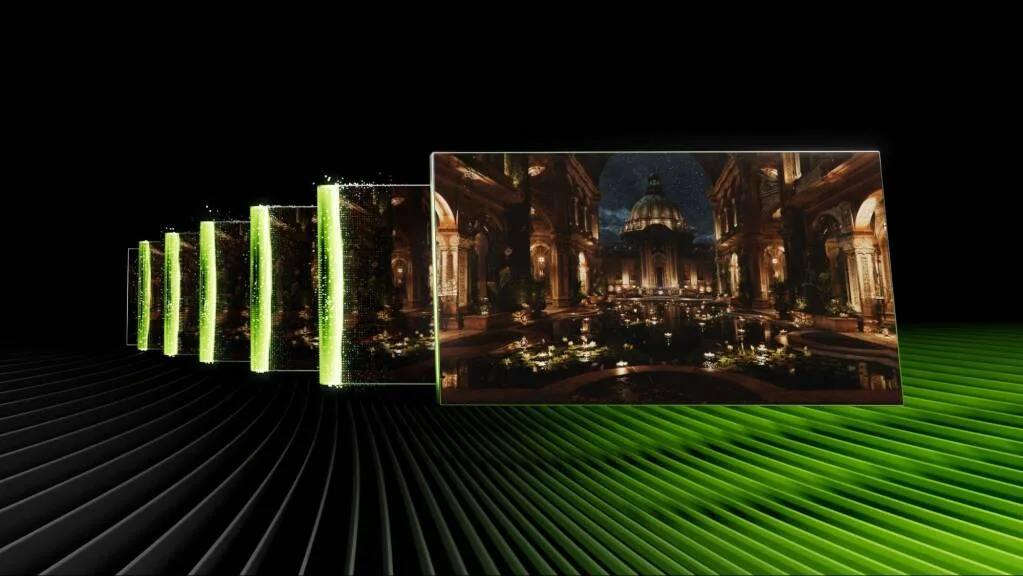
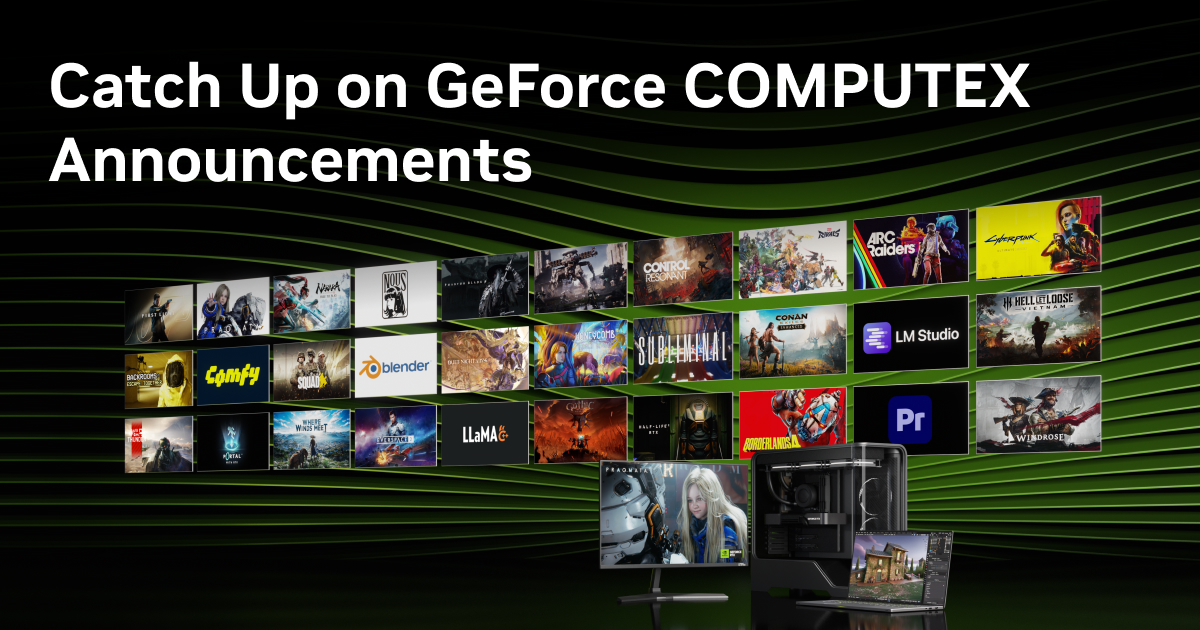
Image Credit: NVIDIA.
For the development sector, the graphics manufacturer deployed several toolset updates centered around its software ecosystem. The production-ready DLSS 4.5 plugin is now available for Unreal Engine 5, combining Dynamic Multi Frame Generation, a new 6X rendering mode, and streamlined integration hooks built onto the open-source Streamline framework. Additionally, NVIDIA expanded its digital avatar suite with NVIDIA ACE (Avatar Cloud Engine) via the In-Game Inferencing (NVIGI) SDK 1.6 update.
This introduces localized, multilingual conversational models optimized to run directly on consumer devices. Hardware vendors are matching these software updates at Computex, with partners unveiling new desktop cards from the GeForce RTX 50 Series alongside high-refresh-rate OLED and G-SYNC Compatible gaming monitors reaching display speeds up to 540 Hz and 1000 Hz.
 Simone