NVIDIA Reveals DLSS 4.5 Dynamic Multi Frame Generation and RTX Tech Updates at GDC 2026
 Simone
A series of major graphics, AI, and cloud gaming announcements were unveiled by NVIDIA during Game Developers Conference 2026, with the headline feature being DLSS 4.5 Dynamic Multi Frame Generation, scheduled to launch on March 31 as part of a new NVIDIA app beta.
The new DLSS 4.5 technology expands the capabilities of NVIDIA DLSS by dynamically adjusting the number of generated frames during gameplay. The system automatically targets a player’s preferred frame rate or display refresh rate, balancing performance, image quality, and responsiveness in real time. A 6X Multi Frame Generation mode is also being introduced for GeForce RTX 50 series GPUs, significantly boosting performance in demanding path-traced games while maintaining low latency when paired with NVIDIA Reflex.
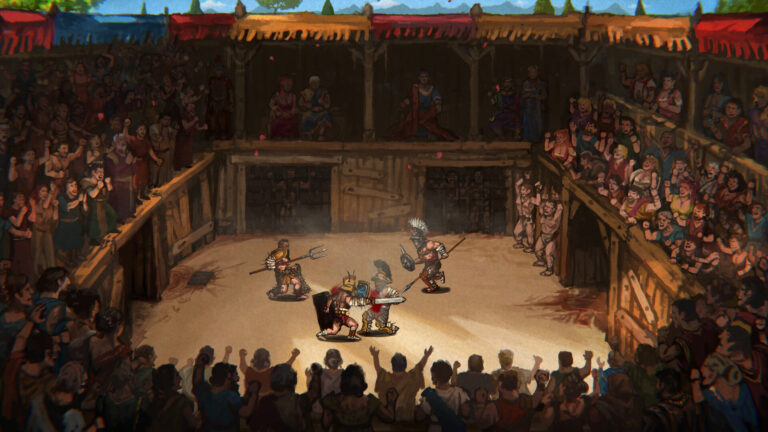
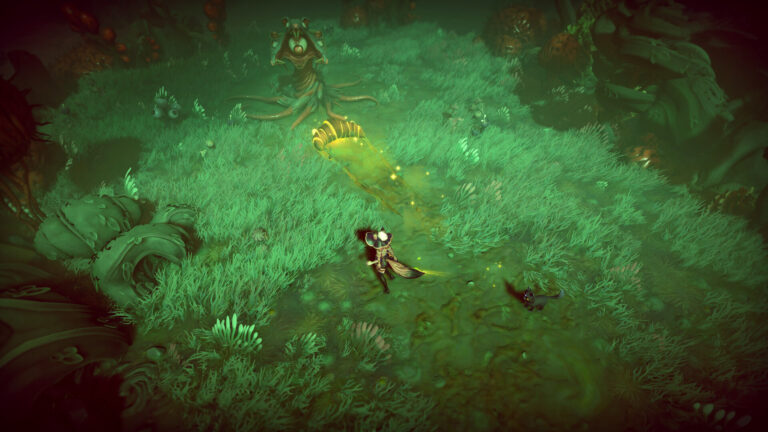
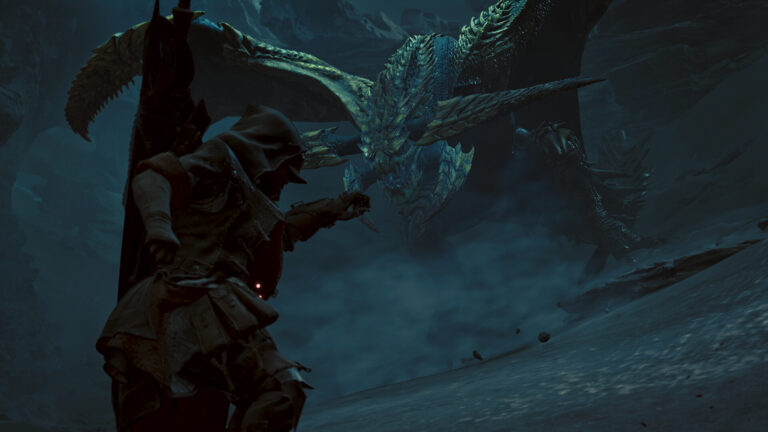
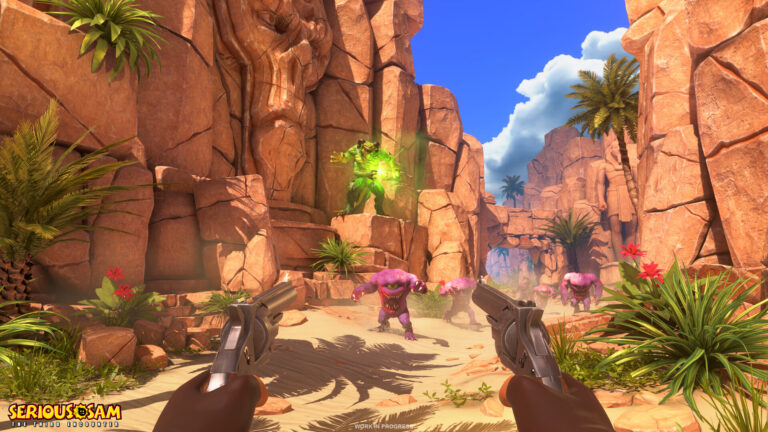
Alongside the DLSS update, NVIDIA confirmed 20 upcoming game integrations featuring DLSS 4.5, ray tracing, or path tracing. Titles highlighted include 007 First Light, CONTROL Resonant, Samson, The Vernyhorn, and Tides of Annihilation.
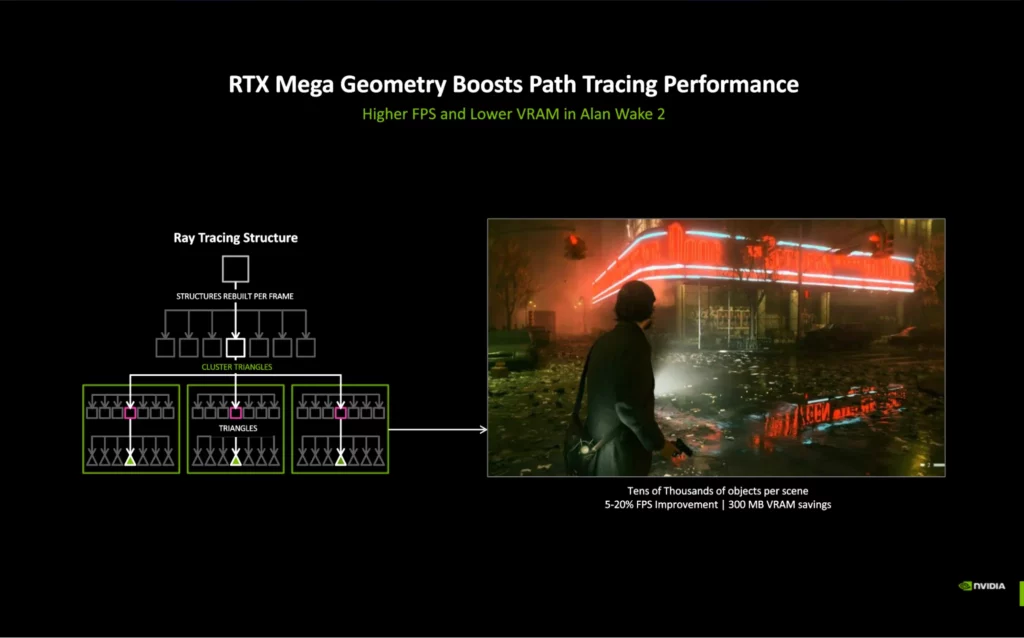
Several additional RTX technologies were also previewed. NVIDIA introduced a Mega Geometry Foliage system designed to render large-scale environments with dense vegetation using path tracing while reducing memory usage and improving performance. The system is being developed in collaboration with CD PROJEKT RED and is expected to appear in The Witcher 4.
For modding and classic game restoration, a new update for NVIDIA RTX Remix will add Advanced Particle VFX, enabling creators to build more detailed particle effects for remastered RTX versions of older titles. A preview of the technology was shown in a path-traced demo of Quake III Arena.
NVIDIA also announced a new GeForce Game Ready Driver optimized for upcoming releases including Crimson Desert and Death Stranding 2: On the Beach, both supporting DLSS 4 features.
Cloud gaming and XR support are expanding as well. GeForce NOW will soon support up to 90 FPS streaming on VR headsets, including Apple Vision Pro and Meta Quest. In addition, NVIDIA confirmed integration of CloudXR 6.0 into visionOS, enabling high-fidelity streaming from RTX systems directly to Apple’s mixed-reality headset.
Finally, NVIDIA introduced new AI development tools and creator workflows for RTX systems, including updates to ComfyUI App View, support for new NVFP4 and FP8 AI models, and RTX Video Super Resolution integration for faster AI video generation and upscaling.
The announcements collectively outline NVIDIA’s broader push toward advanced path tracing, AI-driven rendering, and cloud-powered gaming workflows. For the full technical breakdown of all announcements and technologies revealed during GDC 2026, visit the official NVIDIA blog.

 DaRmaZat