 DaRmaZat
Bandai Namco returns to the Revenant universe with Code Vein II, a standalone entry that builds on the lore of the 2019 original without functioning as a direct sequel. While the new world, themes, and core concepts remain recognizably Code Vein, this second installment tells a separate story with new characters, a different setting, and a more explicit commitment to the soulslike formula.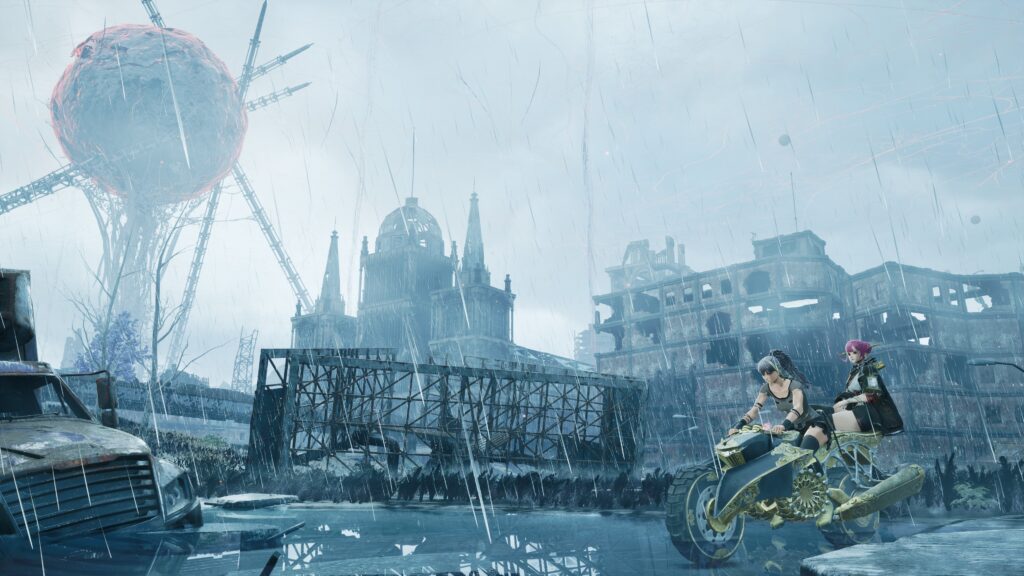
Rather than continuing the narrative of the first game, Code Vein II explores another chapter within the same lore, leaning more heavily into methodical combat, mechanical depth, and an oppressive atmosphere. Time manipulation, layered systems, and demanding boss encounters play a prominent role here, making it clear that this sequel goes all-in on systems-driven design.
Same Blood, Different Timeline
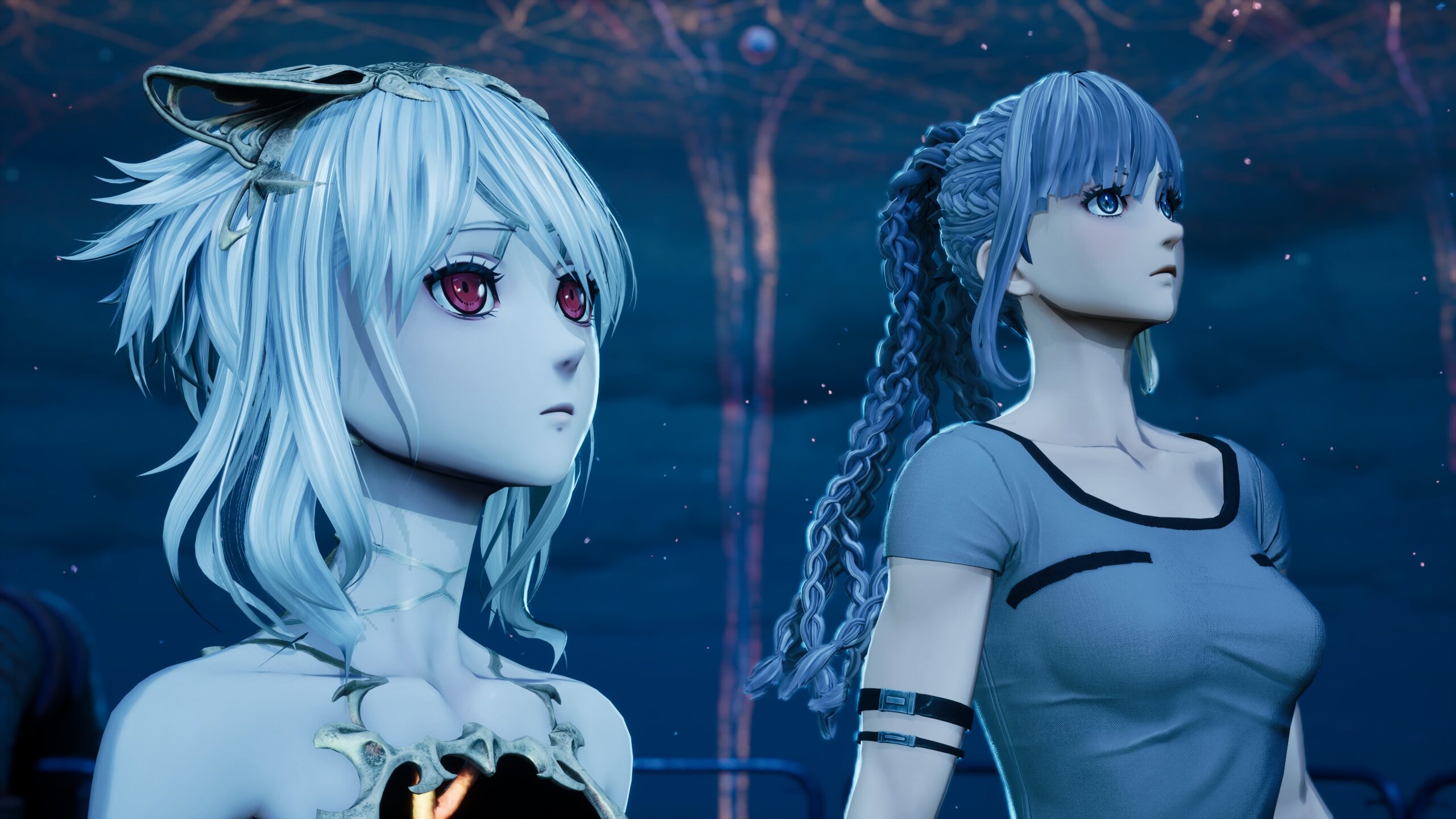
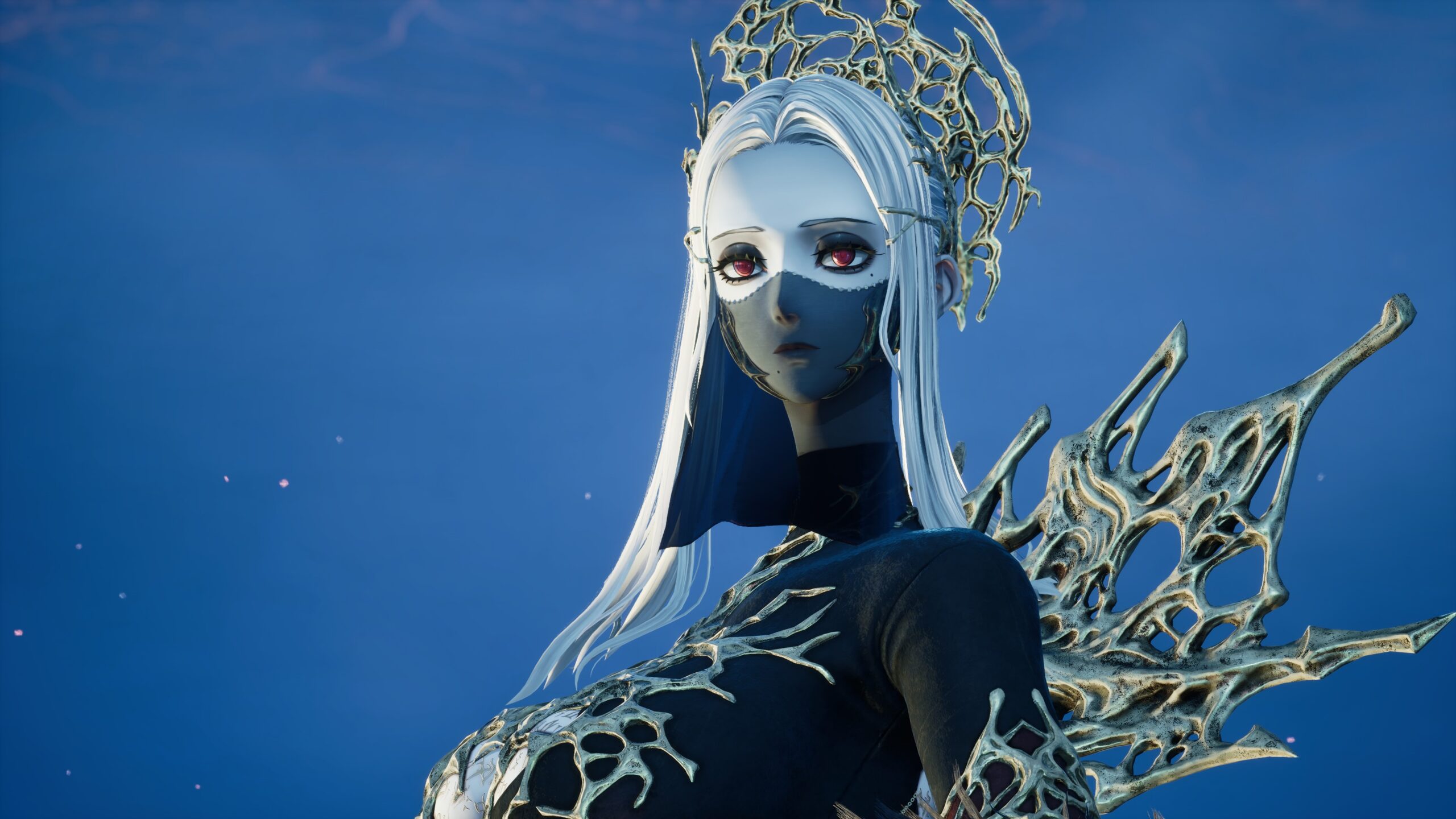
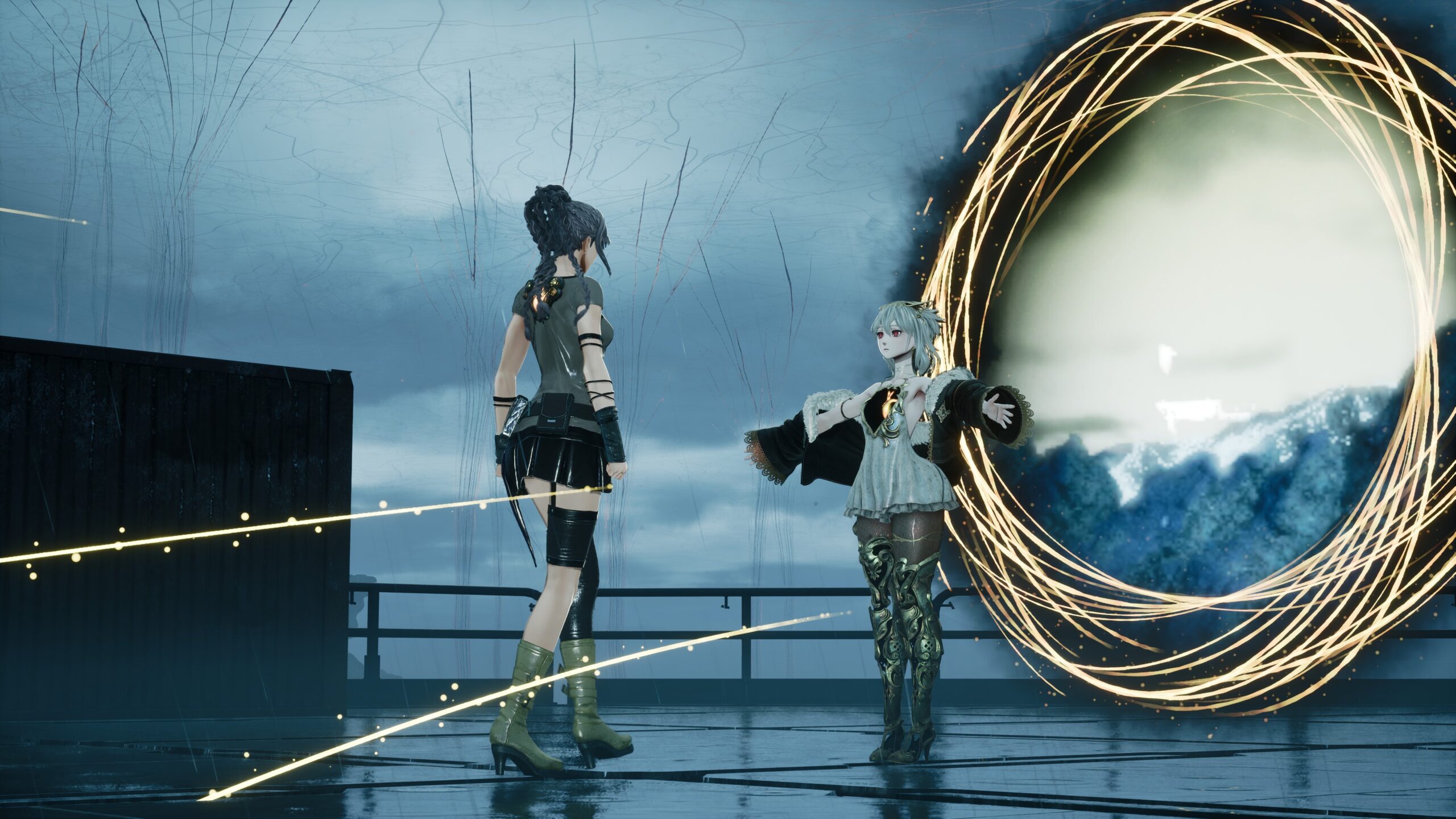
In Code Vein II, you play as a custom-created, silent protagonist: a Revenant Hunter who died during a mission and was revived by Lou Magmell, a white-haired, red-eyed Revenant girl who brought you back by giving you her own heart. Together, you set out across MagMell Island, heading toward the MagMell Research Institute—yes, that is a lot of MagMells in a single sentence, and no, that is not a coincidence. Lou possesses the rare ability to perform time jumps and bring others with her into the past. Through this power, your role becomes clear early on: you are responsible for carrying out the so-called Idris’s Mission on behalf of the supreme commander, Lavinia Voda.
Through this premise, the game quickly introduces Code Vein II’s central lore. This time, the focus lies on an event that occurred hundreds of years ago: the Resurgence, and how it ultimately sealed the fate of the world. Along the way, you learn about beings infused with formae capable of petrifying others, as well as Ichor, a substance that can be absorbed to gain power. The main storyline itself remains very clear-cut: travel through time to track down and defeat the bosses that plague the world—ironically referred to as “heroes”.
A Muted Opening And Talkative Silences
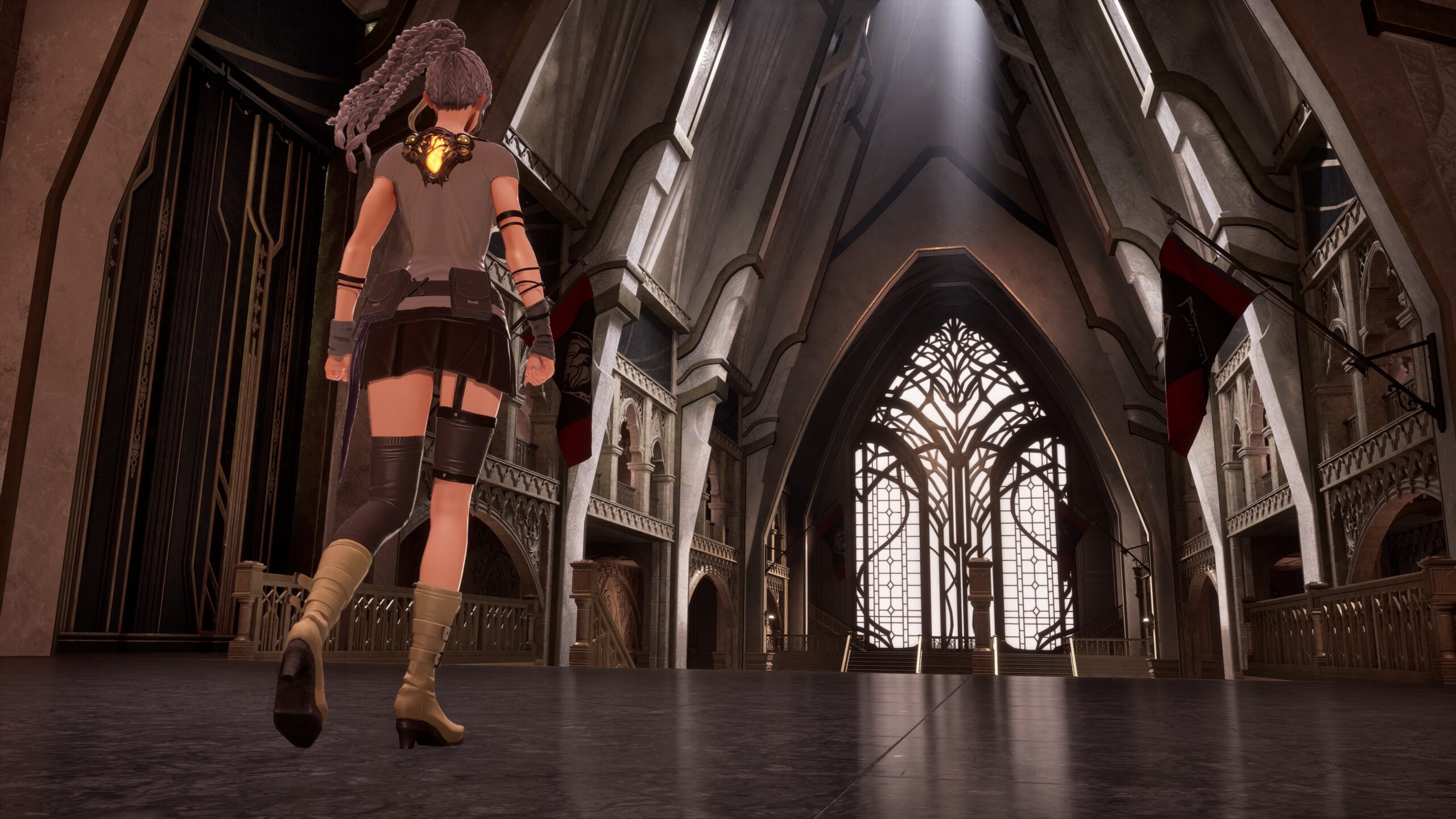
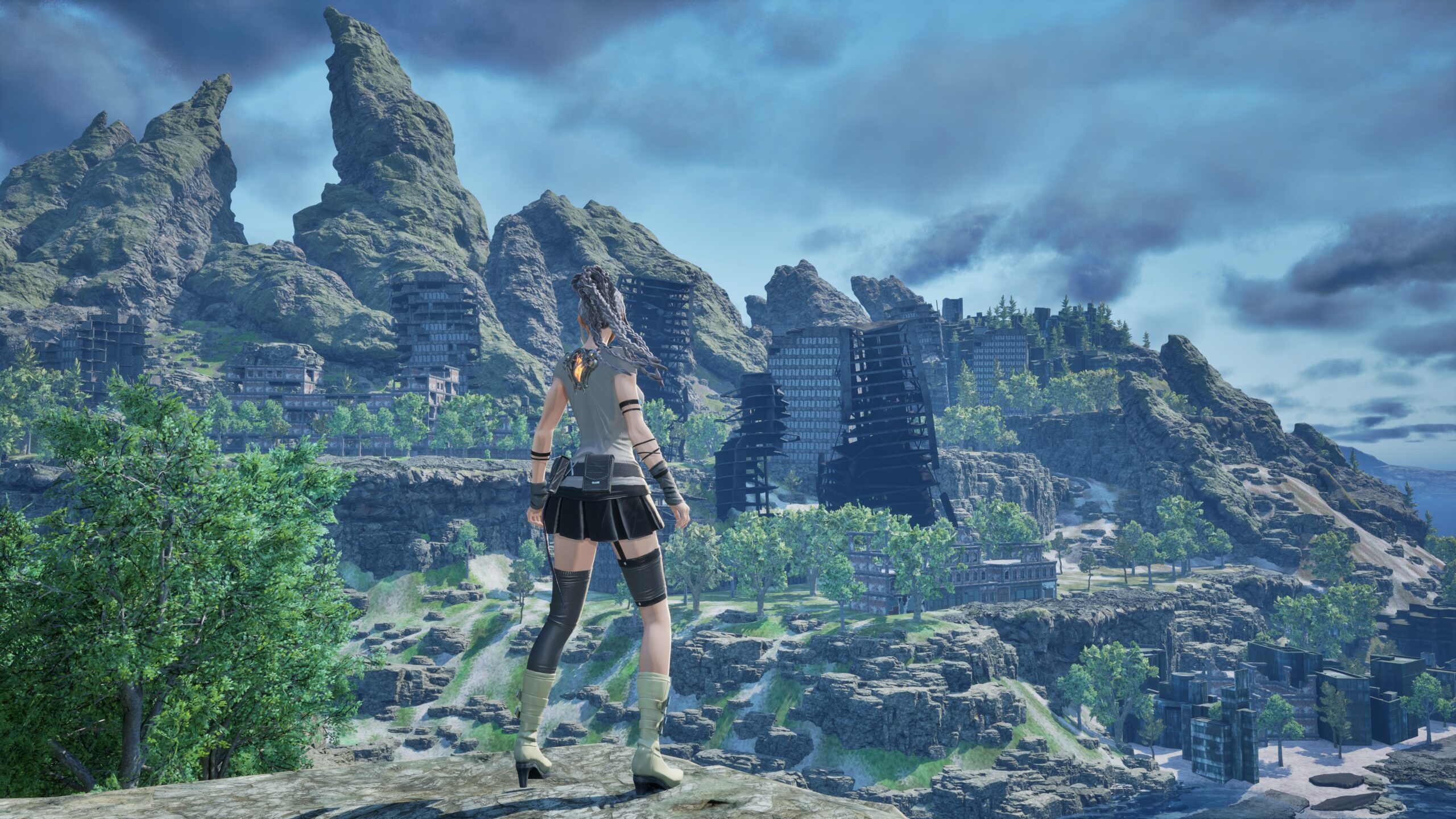
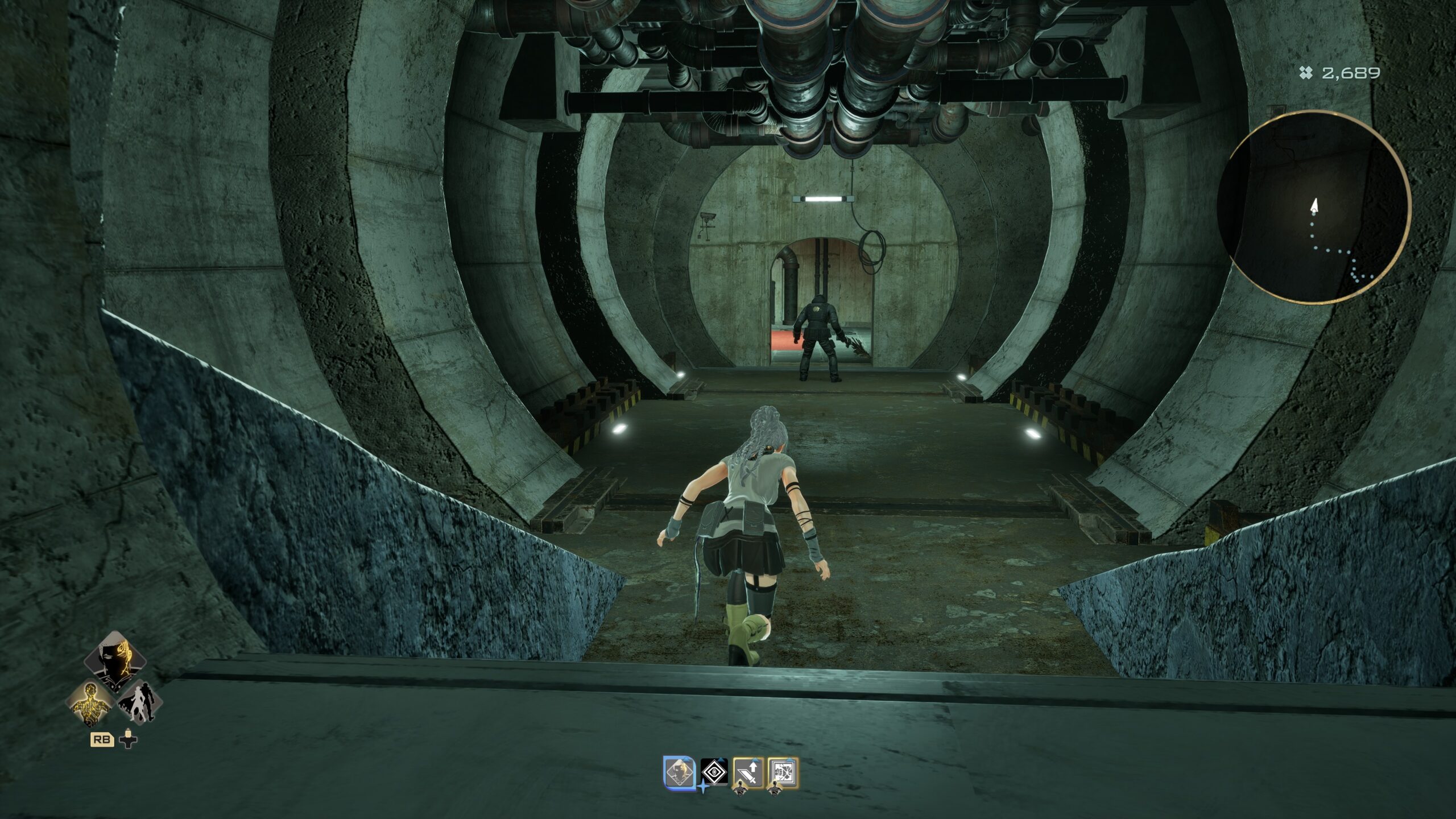
The opening hours of Code Vein II unfold in a rather straightforward, perhaps even slightly dull fashion. As there is little gradual buildup or audiovisual dynamism, a more deliberately paced tutorial and a stronger atmospheric soundtrack would have helped significantly. MagMell Island looks and feels unusually quiet, to the point of being bland at times. Much of the early game consists of traversing miserable, ultra-gray environments—both indoors and outdoors—while collecting objects and listening to NPC dialogue without any understanding of the wider context. Your companions also run out of things to say fairly quickly, and while the game eventually improves in this regard, the opening struggles to establish momentum.
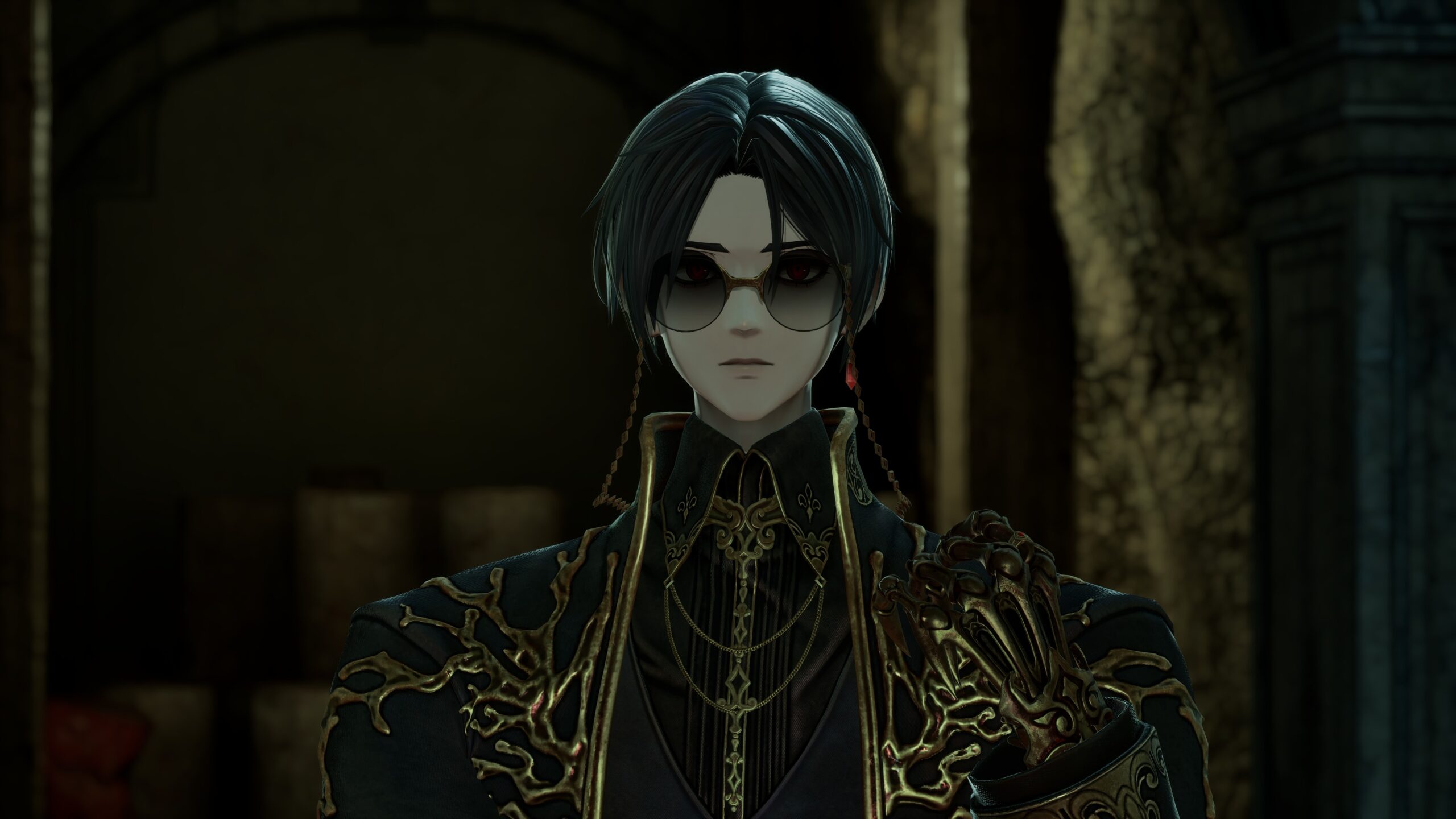
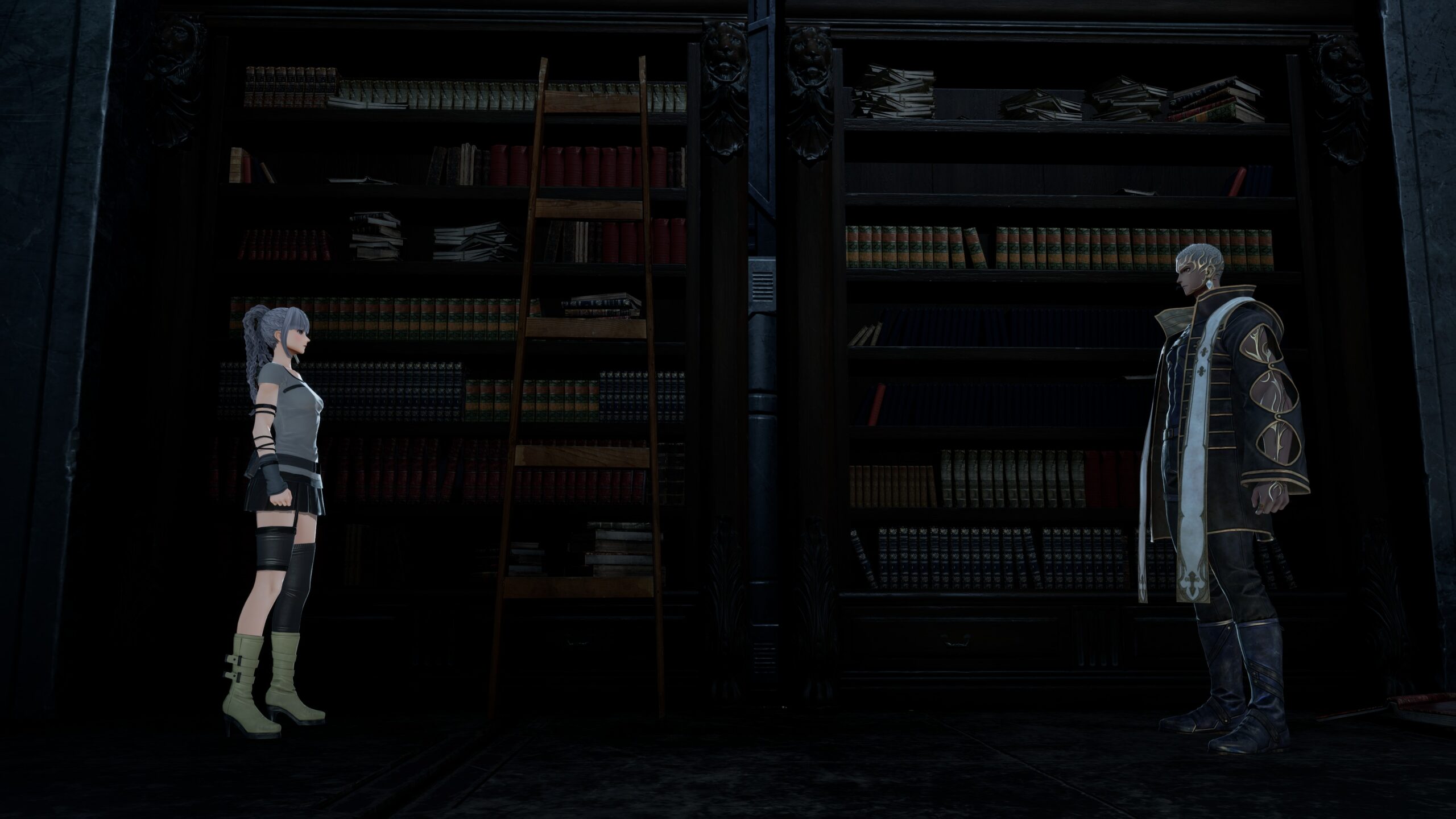
Shortly after your first time jump with Lou, you meet Noah, another Revenant companion—referred to in-game as “partner”—just as Valentin, Zenon, Iris, Jadwiga, and many others will be. These partners assist you during combat and each has their own background and quirks, which are explored sporadically. However, while their personal stories can be interesting, your lack of agency in dialogue significantly limits the narrative’s impact. Because your protagonist never speaks, the emotional depth of the story often remains rather on the surface.
Mechanical Overload and Complexity By Design
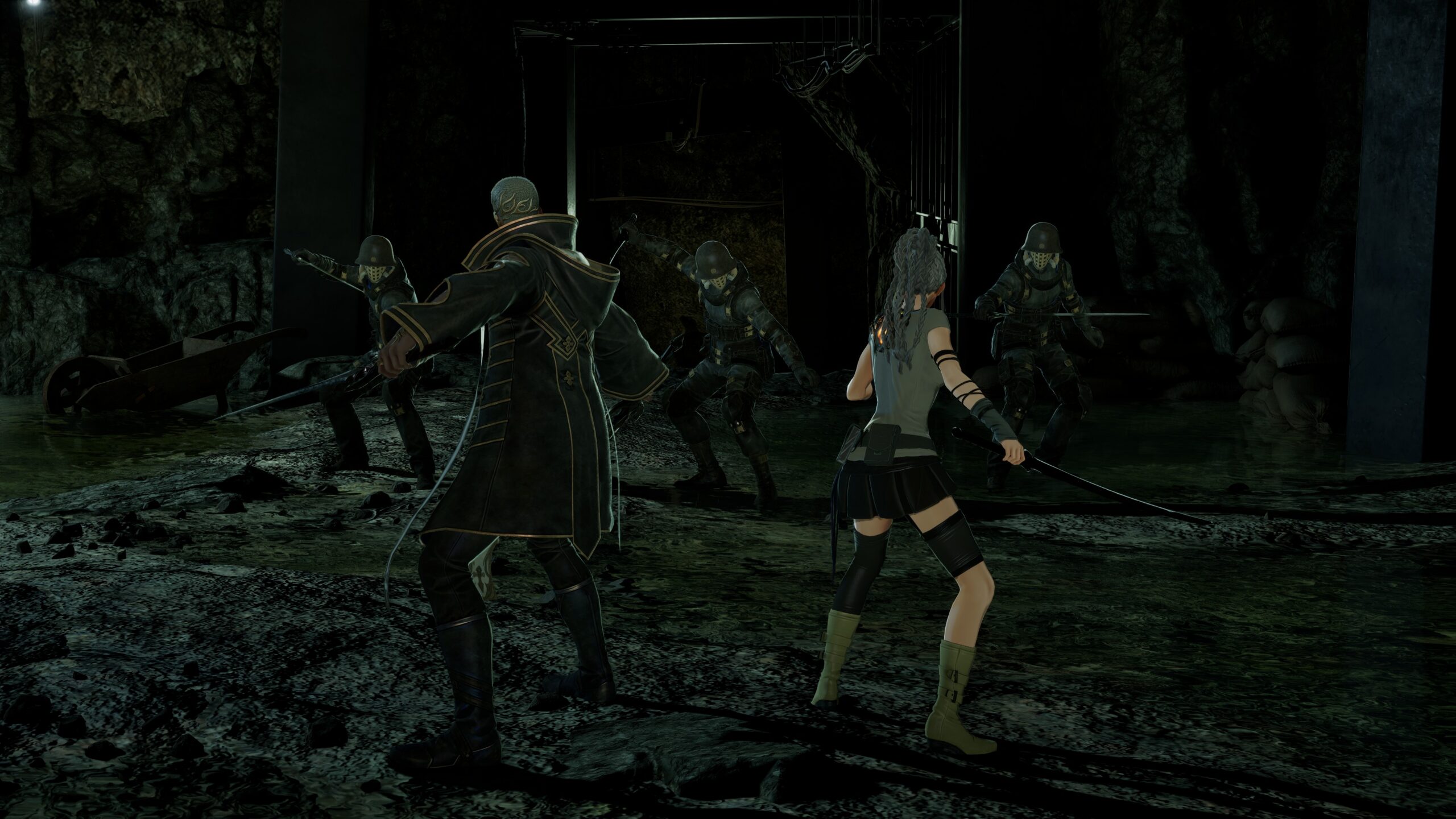
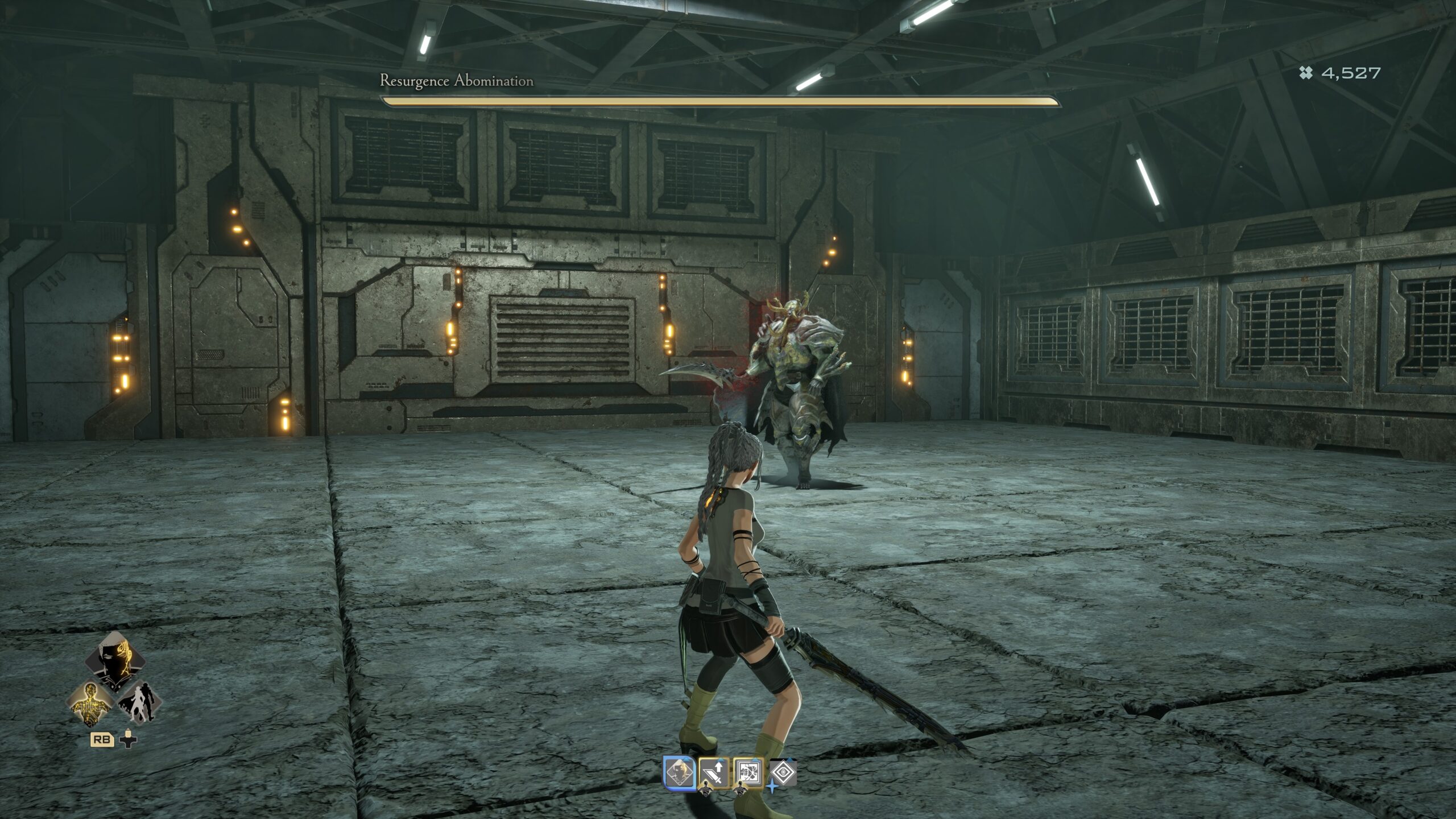
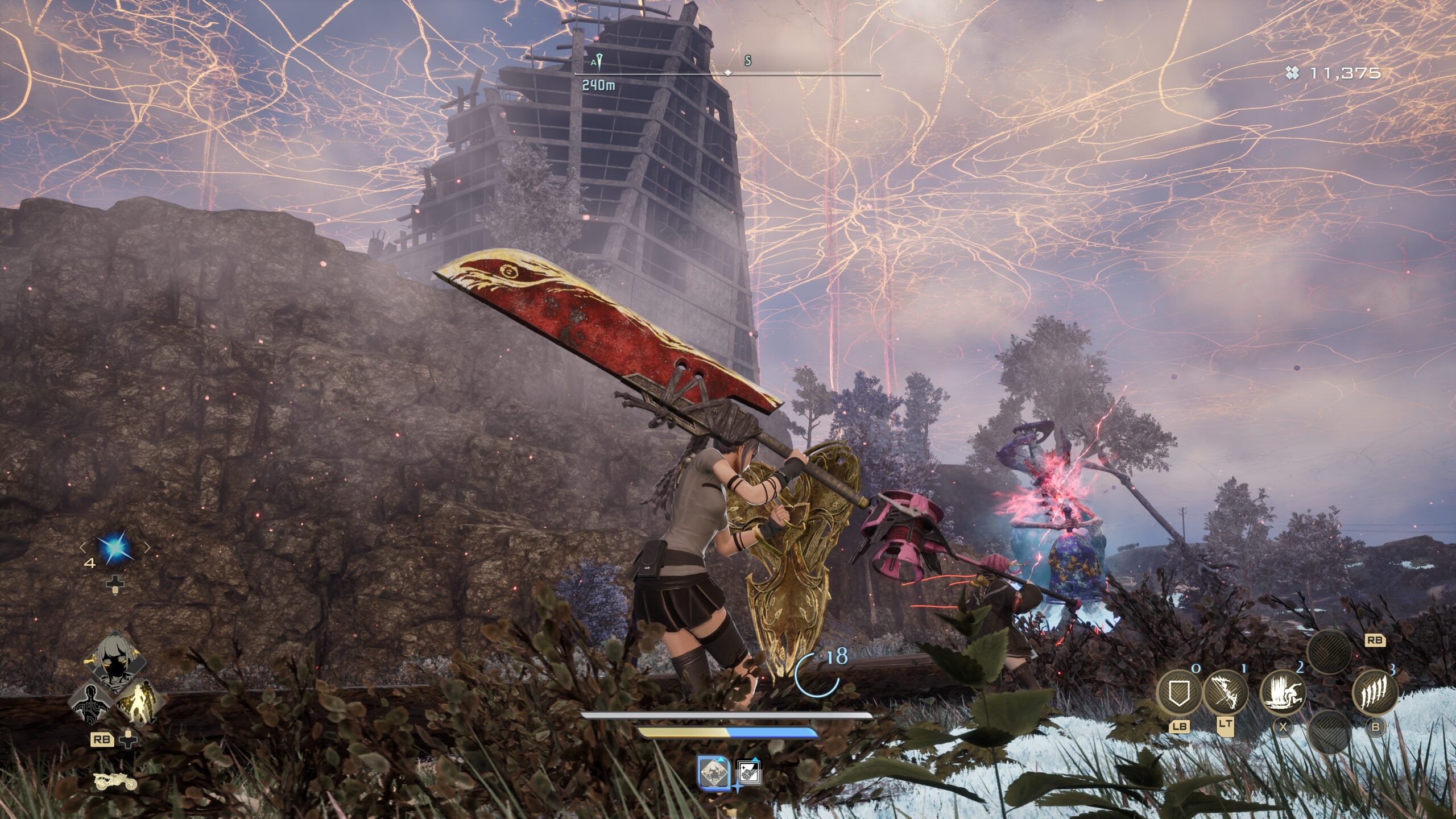
Where the narrative feels restrained, combat does the exact opposite. During my first real encounter—against rogue raiders inside a cavern—I immediately learned to switch between two combat modes: Summon, where your partner fights alongside you, and Assimilate, where your partner temporarily merges with you to enhance your abilities. This system is further elevated through Link Traits, which are tied to the strength of your bond with each partner.
In addition to the regular health bar, a blue gauge represents LP, which is directly linked to your Revenant partner. When you take damage—including fall damage—LP effectively grants you a form of borrowed immortality, and lost LP can be restored through regeneration. Ichor also plays a central role in combat, powering parries and weapon formae abilities, while Drain attacks against bleeding enemies allow you to recover Ichor in return.
Blood Codes and Layered Progression
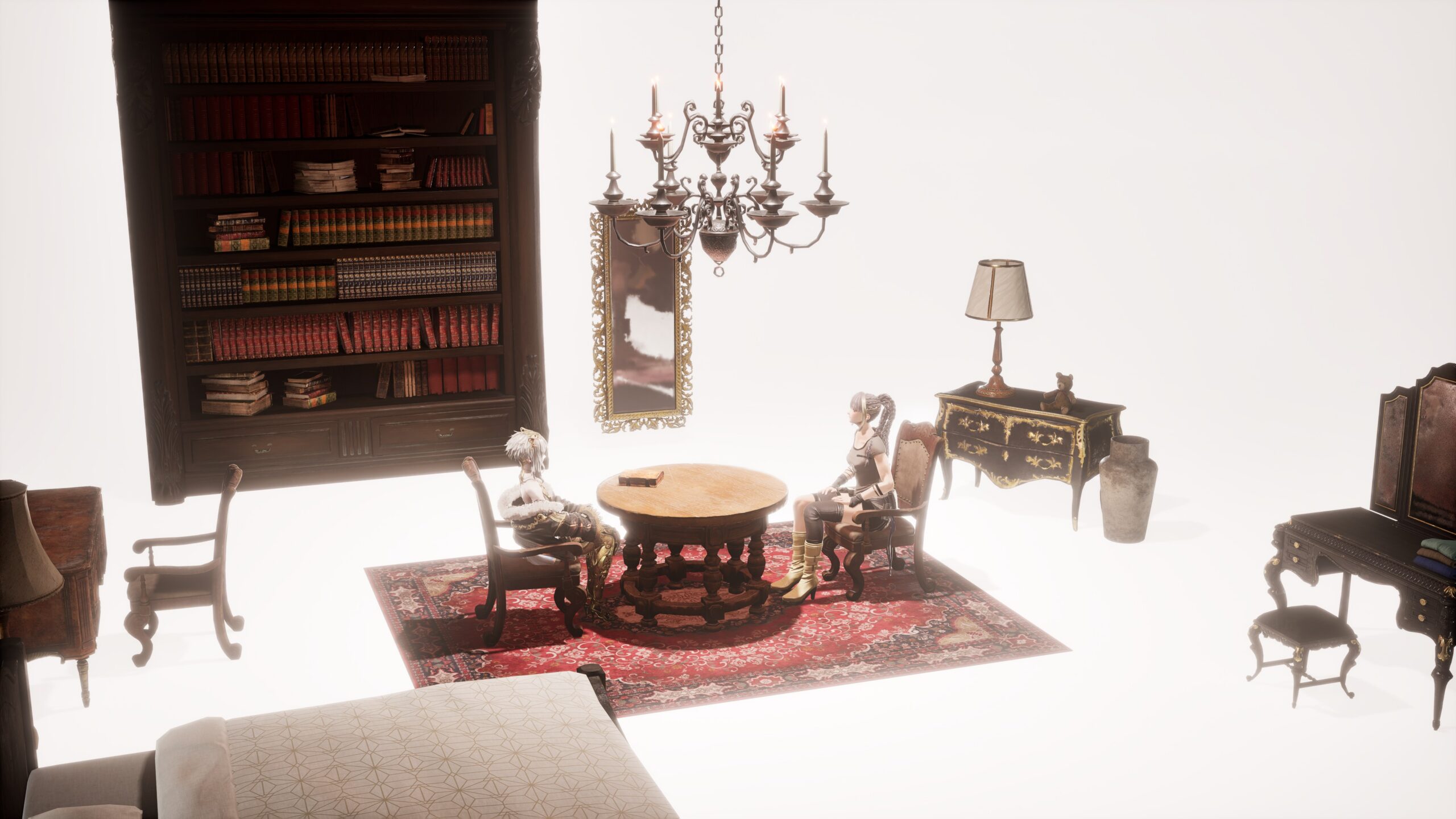
The complexity does not end there. Through partnerships, just as in the original game, you regularly acquire new Blood Codes, each consisting of six attributes that largely define your combat style. Proficiency within a Blood Code can be optimized for maximum efficiency. All of this is managed via Mistles, which restore all gauges, function as respawn points similar to Resurrection Monuments, allow weapon upgrades, customization, leveling, boosters, and respecs, and even serve as hubs for conversations with Lou inside a virtual space called The Confluence. Resting at a Mistle, however, also respawns all nearby enemies.
When you die, your partner can perform a restorative offering to revive you, becoming unavailable for a cooldown period afterward. Enemies, on the other hand, can become bloodthirsty when near defeat, suddenly healing themselves almost completely. And last but not least, even to equip more than one weapon slot, you must first reach a specific Jail Level.
A Soulslike Built On Systems, Not Flow
All of this illustrates just how mechanically dense the game is, almost like a masterful jumble of interlocking systems that, naturally, also involves a fair amount of grinding. As someone familiar with the genre, even I found the sheer number of systems overwhelming at times. Tutorials and new mechanics keep appearing at such a rapid pace that it becomes difficult to maintain a clear sense of priority. Classic soulslike elements—such as retrieving lost Haze from the spot where I died or losing it permanently if I die again—feel almost like a footnote by comparison, as do the cooking and crafting (here called Synthesis). The control scheme itself is largely intuitive, aside from one notable issue discussed later.
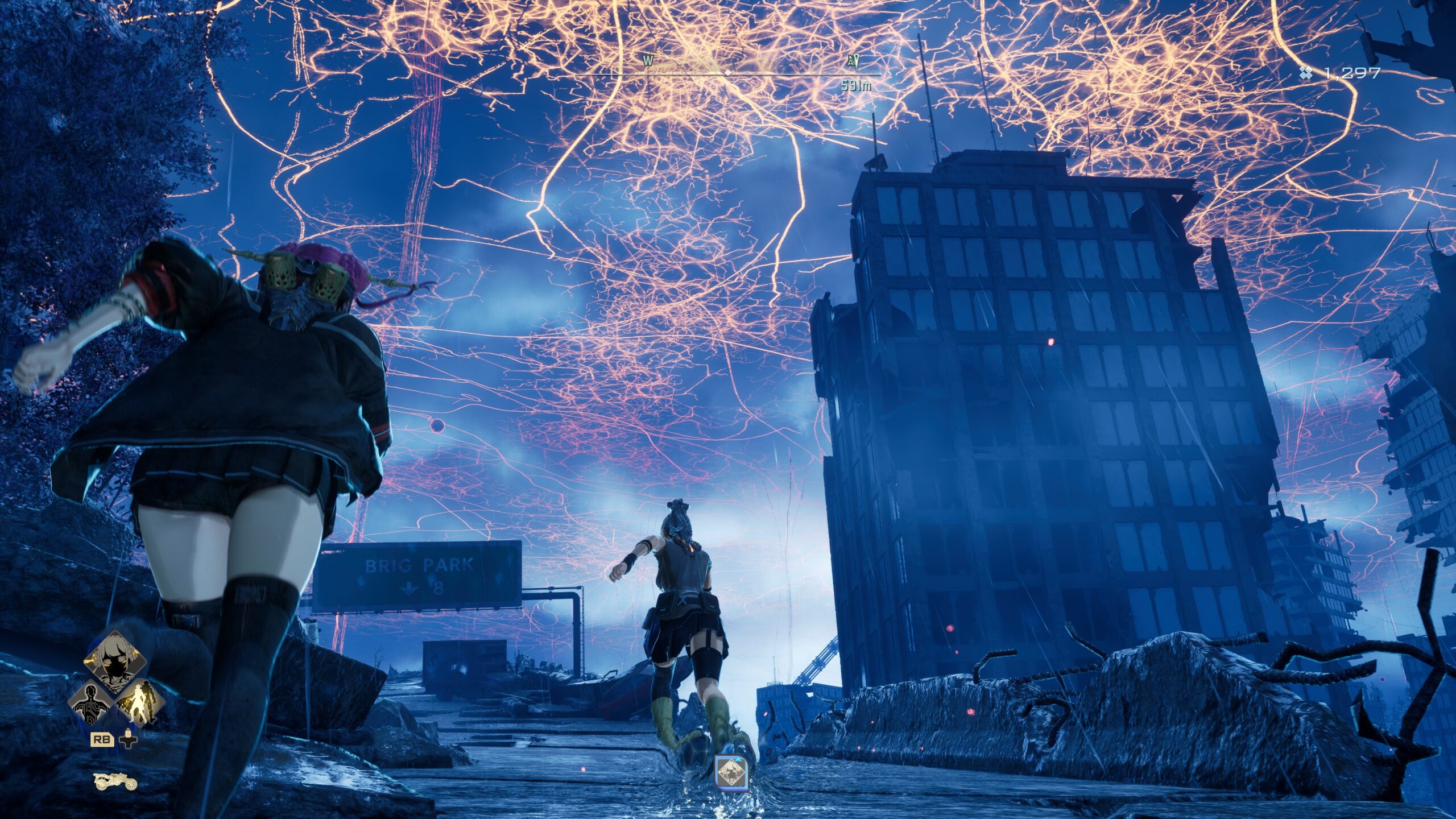
In terms of exploration, a map is available early on, allowing fast travel to previously discovered locations. However, despite its scale, Code Vein II does not always offer a fully open world. Particularly in sections set in the past, the plot follows a rather linear layout. Venture too far in any direction, and you’re stopped by enormous web-like barriers. That said, traversal in wide-open areas can feel somewhat clunky and limited, too. Jumping and general movement lack precision, and climbing—unless on ladders—is not possible at all.
Before long, the game settles into familiar kill-and-fetch quest patterns: go to point X, defeat enemy Y. Passing through a Veil usually signals that one of the many challenging bosses awaits on the other side, each carrying a valuable formae element that can be traded in to further enhance your build.
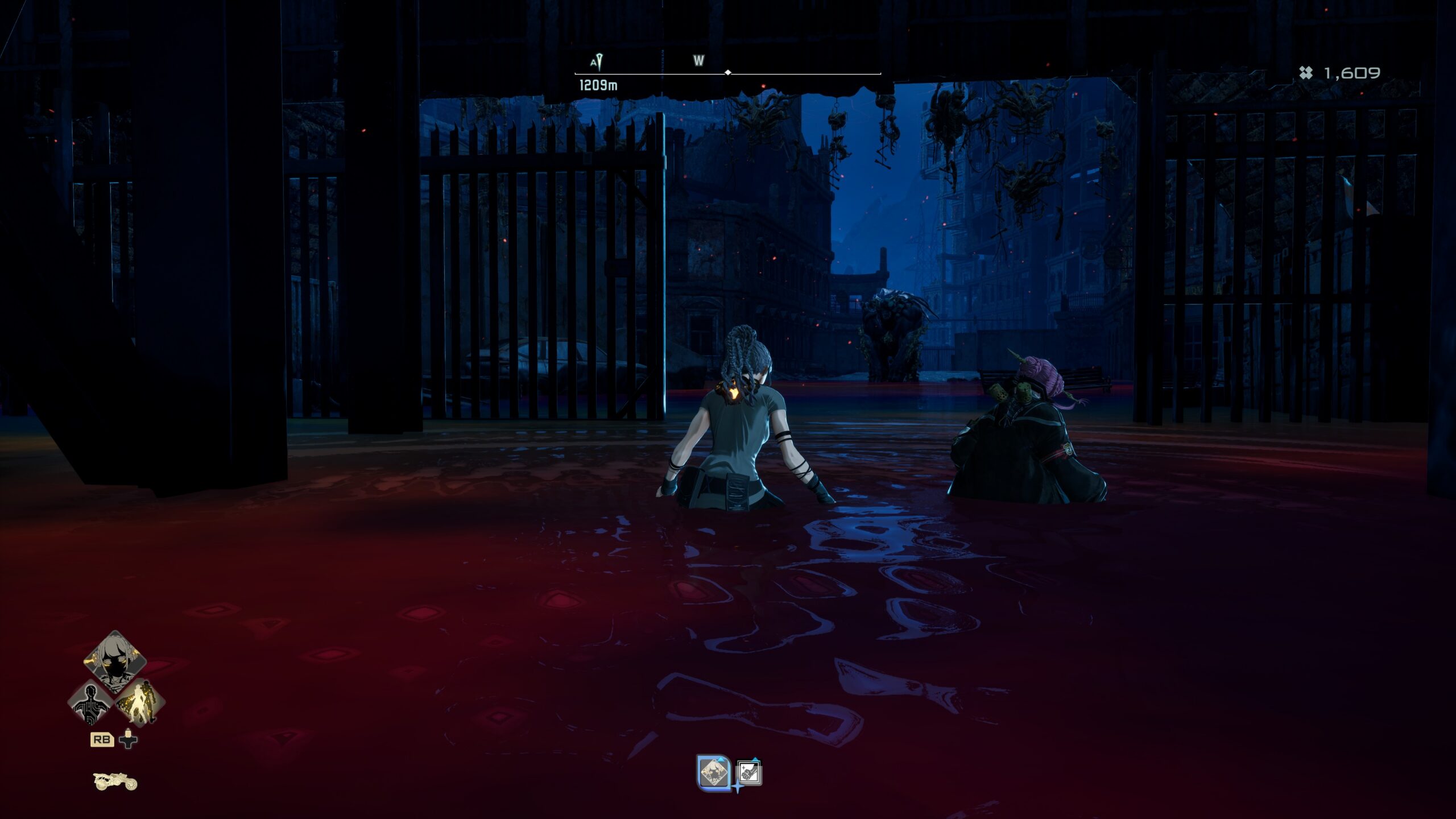
Occasionally, amidst the game’s heavy combat focus, more story-driven sections appear, accompanied by a full symphonic soundtrack. The piano and violin compositions are genuinely beautiful, but I wish they played far more often. The so-called Timeline Shift Decisions—story-significant choices tied to time travel—also helped maintain my engagement, as did sudden navigational changes, such as the introduction of the motorcycle. As I progressed, the atmosphere improved steadily, becoming darker, more melancholic, and somber—fitting perfectly within a soulslike framework dominated by towering bosses and mini-bosses.
Blood Stains on the Code
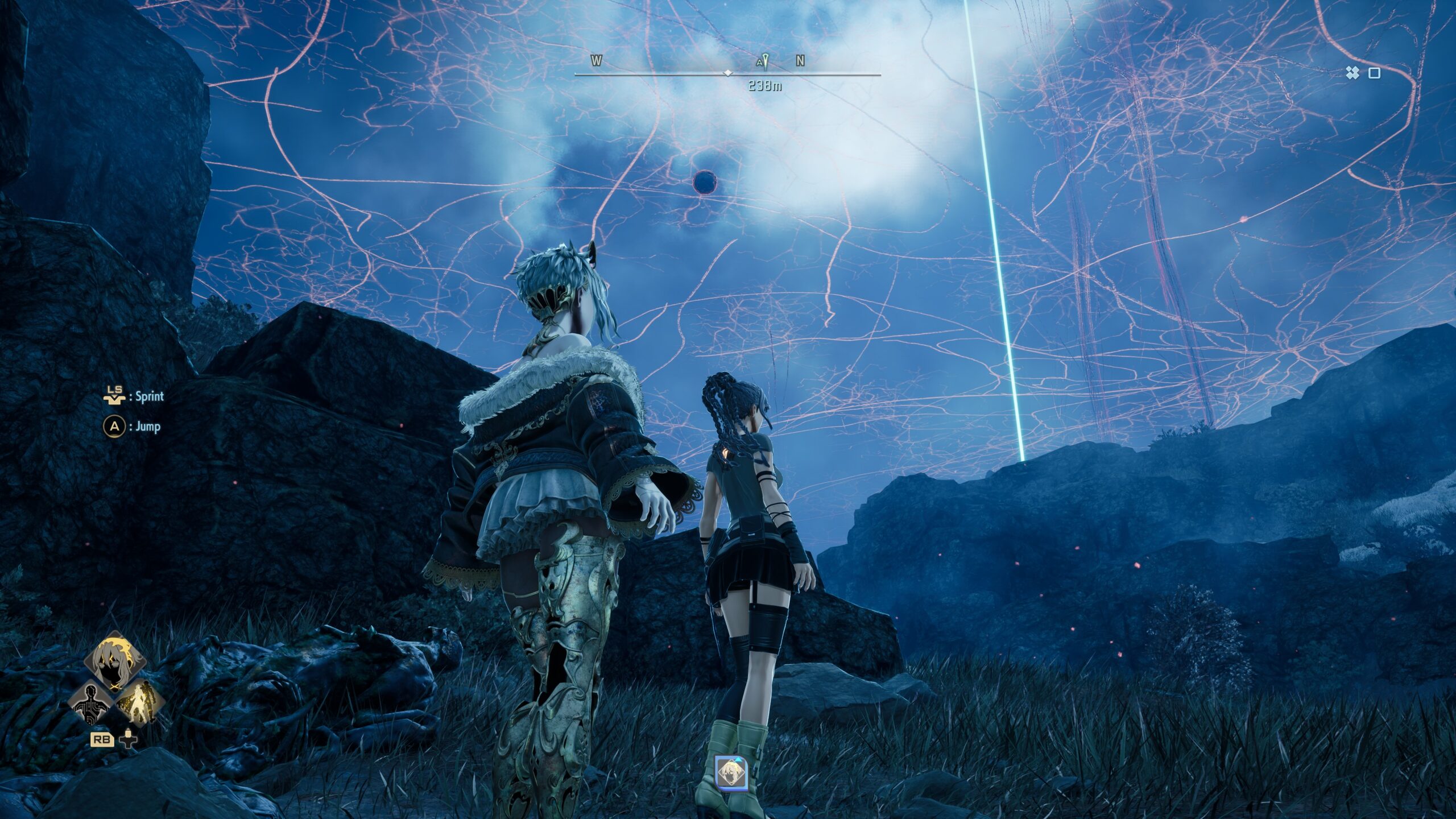
Concurrently, Code Vein II does look striking for an anime-style title. The dark gray skyline, filled with mysterious rays of light and distant structures you cannot comprehend, genuinely impressed me. Admittedly, some environments can feel very familiar, almost as if lifted from games like Elden Ring, AI: Limit, or Stellar Blade.
Unfortunately, asset pop-in, visual glitches, and frame rate hiccups do occur in this PC version. This led me to install a mod that provides a predefined Engine.ini for improved performance, as traversal stuttering was too frequent otherwise. I also used a separate mod to unlock cutscenes from their unnecessary 30 FPS cap. Additionally, to avoid blocky visuals during close-ups, I’d set anti-aliasing to the highest option, sadly to no avail so far, even when using NVIDIA DLSS-Q.
The—on the positive side—very extensive character creator also suffers from several bugs. The UI can freeze temporarily, and lipstick and makeup settings fail to apply. Another particularly frustrating issue is with the hardcoded control scheme. Apparently, the interaction for picking up items and skipping dialogue is mapped to the same button. This makes it impossible to loot anything while an NPC is talking without skipping their dialogue. A simple auto-loot option would solve this immediately. As a last remark on the technical side, I also noticed some cutscenes display a different partner than the one actually accompanying me, which I found really immersion-breaking.
Final Thoughts
Ultimately, Code Vein II is a decent game with a strong mechanical foundation, slightly weighed down by its current technical issues, uneven pacing, and moments that struggle to fully engage. However, while it is clearly imperfect in places, I found enough depth, atmosphere, and challenge here to justify keeping a close eye on how quickly the annoyances will be ironed out.
Additional Information
Release Date: Jan 30, 2026
Reviewed On: PC. Download code provided by the publisher and PR agency.
Developer: Bandai Namco Studios Inc.
Publisher: Bandai Namco Entertainment Inc.
Website: Code Vein II
Relevant links: Available on STEAM